
Elk antlers are one of nature’s most fascinating wonders. Whether you see them in the wild, on a hunter’s wall, or in ancient artwork, they capture attention and spark curiosity. But what do elk antlers really mean? Their meaning stretches across biology, culture, history, and even art.
Let’s explore the deep significance of elk antlers, and why they have inspired people for thousands of years.
The Biological Meaning Of Elk Antlers
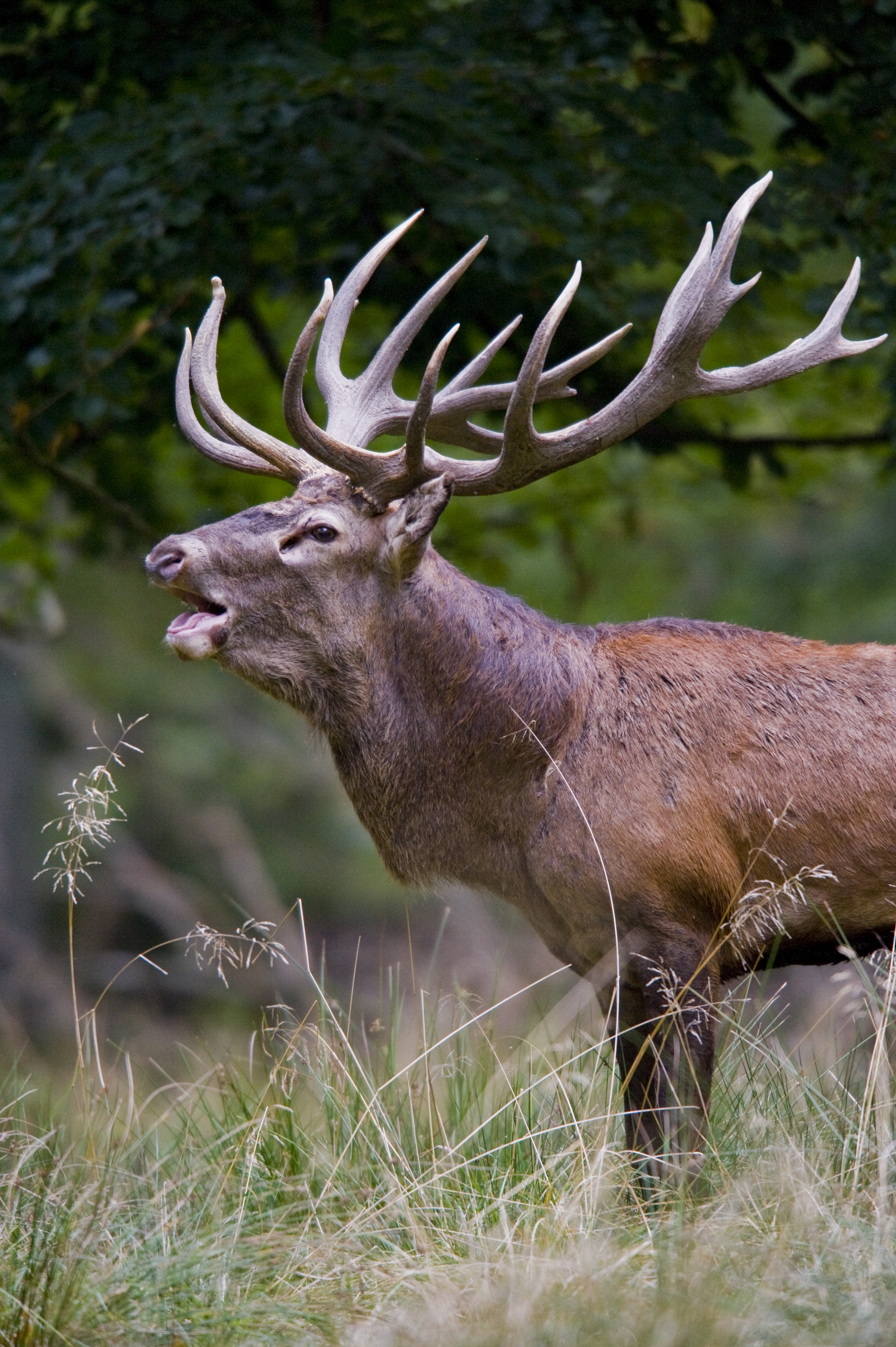
Elk antlers are not just for show. They are highly specialized structures that play a vital role in the lives of elk. Male elk, also known as bulls, grow new antlers every year. The process starts in early spring and continues through the summer.
By late summer or early fall, the antlers are fully grown and the velvet—a soft, blood-rich covering—sheds off.
The main biological purposes of elk antlers are:
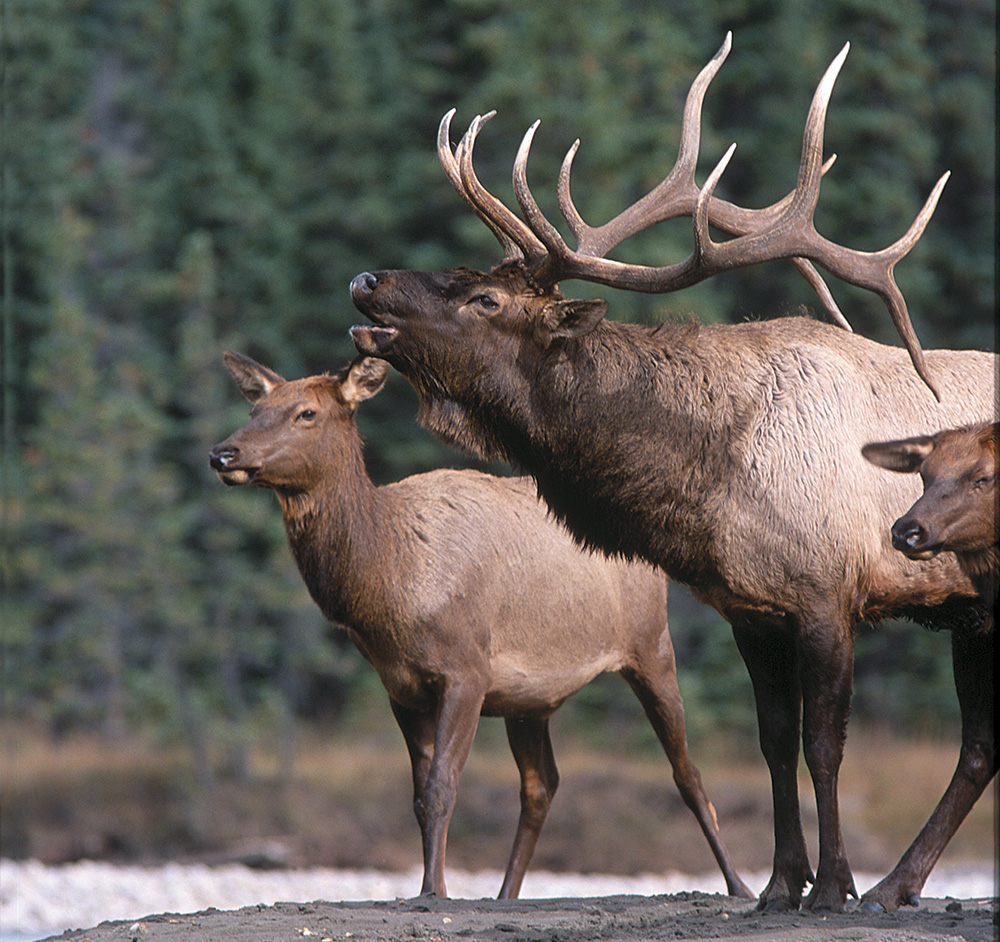
- Mating displays: During the rut (mating season), bulls use their antlers to show strength and health. The larger and more symmetrical the antlers, the more attractive the bull is to females.
- Fighting rivals: Bulls use their antlers to spar with other males. These fights determine who gets to mate. The antlers protect the elk’s head and neck during these battles.
- Protection: While less common, antlers can help defend against predators.
One non-obvious insight is that antlers are made of bone, and growing them requires a lot of energy and nutrients, especially calcium and phosphorus. This means only the healthiest bulls can grow the biggest antlers. In this way, antlers are a clear sign of the bull’s overall health.
Another point many beginners miss: elk shed their antlers every winter and regrow them the following year. Finding shed antlers, called “sheds,” is a popular hobby in areas where elk live.
Antler Growth Vs. Age
Antlers can tell you a lot about an elk’s age and status. Here’s a simple comparison:
| Elk Age | Antler Size/Shape | Common Description |
|---|---|---|
| Yearling (1-2 years) | Small, simple spikes | “Spike” elk |
| Young adult (3-4 years) | Branched, still growing | Smaller “racks” |
| Mature bull (5+ years) | Large, many tines (points) | “Trophy” antlers |
Elk Antlers In Native American Culture
To many Native American tribes, elk antlers are powerful symbols. Their meaning varies from tribe to tribe, but some common themes include:
- Strength and stamina: Elk are admired for their endurance and ability to survive harsh winters.
- Spiritual connection: Antlers are seen as reaching toward the sky, connecting earth to spirit.
- Fertility and renewal: Because elk shed and regrow antlers each year, they symbolize renewal and the cycles of life.
Some tribes used elk antlers in ceremonial objects, dance regalia, or as tools. For example, the Lakota people believe the elk spirit brings stamina and passion. The antlers, with their upward-reaching shape, also represent growth and progress.
One interesting detail: in some tribal stories, the number of antler points can represent years of wisdom or achievement, not just age.
Symbolism Of Elk Antlers In Art And Myth
Elk antlers often appear in ancient and modern art. They are a favorite subject for painters, carvers, and jewelry makers. But why are antlers such a common symbol?
- Majesty and wildness: Elk antlers are big and impressive. They represent the untamed beauty of nature.
- Transformation: Artists use antlers to show change, growth, or personal transformation, because antlers are shed and regrown every year.
- Protection: In some myths, antlers are worn by gods or spirits as a sign of power and guardianship.
In European mythology, horned gods like Cernunnos are shown with antlers, symbolizing the wild and the connection to animals. In modern times, elk antlers are found in logos, tattoos, and even fashion, often representing adventure and the outdoors.
Elk Antlers In Hunting And Conservation
For hunters, elk antlers are a prized trophy. A large rack is a symbol of skill, patience, and sometimes luck. But hunting is not just about collecting antlers. Ethical hunters respect the animal and follow strict rules to keep elk populations healthy.
Some key points about elk antlers and hunting:
- Scoring systems: Organizations like Boone and Crockett use detailed methods to measure antlers. Points are given for length, spread, and symmetry.
- Conservation: Money from hunting licenses often supports wildlife conservation, protecting elk and their habitats.
- Shed hunting: Many people search for naturally shed antlers. This is a popular, non-harmful way to enjoy the outdoors.
One fact often overlooked: taking too many large bulls can hurt the gene pool. Responsible hunting means allowing enough mature bulls to keep the population strong.
Antler Scoring Comparison
Here is a quick look at how antlers are scored in hunting:
| Measurement | Typical Value (inches) | What it Shows |
|---|---|---|
| Main beam length | 40-50 | Overall size |
| Number of points | 6-8 per side | Maturity |
| Spread | 30-50 | Width of rack |
Antlers As Tools And Crafts
Elk antlers are not just decorative. For thousands of years, people have used them to make tools, weapons, and art. Antler is strong but easy to carve, making it perfect for many uses.
Common uses for elk antlers:
- Knife handles: Durable and comfortable for gripping
- Buttons and beads: Used in clothing and jewelry
- Carvings and sculptures: Artists carve scenes, animals, or symbols into antler pieces
In some cases, whole antlers are used for furniture or chandelier frames. Many outdoor lodges display large antlers as a sign of rustic style.
A lesser-known use: ground antler has been used in traditional medicine in some cultures, though there is little scientific support for health claims.
What Elk Antlers Mean In Modern Society
Today, elk antlers have meanings that go beyond their original uses. You’ll see them in:
- Home décor: Many people hang antlers as a sign of connection to nature or rural life.
- Brand logos: Outdoor brands use antlers to signal adventure, strength, or tradition.
- Tattoos and jewelry: These often represent personal growth, resilience, or a love of the wild.
Elk antlers have also become a symbol for conservation. They remind people of the importance of wild places and the need to protect nature for future generations.
One subtle meaning: displaying elk antlers can show respect for the animal and the land, not just pride in the hunt.
Elk Antlers Vs. Other Antlers
Elk are not the only animals with antlers. Deer, moose, and caribou also grow antlers, but there are important differences.
Here’s a comparison:
| Species | Antler Features | Unique Meaning |
|---|---|---|
| Elk | Large, sweeping, many points | Strength, leadership |
| Moose | Broad, flat, “palmate” shape | Power, mystery |
| White-tailed deer | Compact, branching | Agility, alertness |
| Caribou | Both sexes have antlers, complex shapes | Survival, migration |
This shows that elk antlers are unique for their balance of size and elegance. They are often used as the standard for “trophy” antlers in North America.
The Science Of Antler Growth
Growing antlers is one of the fastest bone growth processes in the animal world. Antlers can grow up to an inch per day during peak times. This rapid growth is powered by hormones like testosterone, which rise in spring and drop after the rut.
Some interesting facts:
- Only males: In elk, only males grow antlers (unlike caribou, where females also have them).
- Seasonal cycle: Antlers are shed and regrown every year, making them different from horns, which are permanent.
- Nutrient demand: Bulls often lose body weight during antler growth due to the high energy cost.
Scientists study antler growth to learn about bone regeneration, which could help humans with bone injuries.
Elk Antlers And Ecological Impact
When elk shed their antlers, they don’t go to waste. Many small animals, like mice and squirrels, chew on shed antlers for the minerals inside. This makes antlers an important part of the forest ecosystem.
Shedding antlers also means that elk populations leave behind clues about their numbers and health. Wildlife biologists use shed antlers to estimate population sizes and age structures.
One practical insight: human “shed hunters” should avoid disturbing elk during late winter and early spring, as the animals are weak and need to conserve energy.
Frequently Asked Questions
What Is The Main Purpose Of Elk Antlers?
The main purposes of elk antlers are for mating displays, fighting rival males during the rut, and sometimes protection from predators. They show the health and strength of the bull.
How Do Elk Antlers Grow Back Every Year?
Elk antlers grow from special cells at the base, called pedicles. Hormones trigger growth in spring, and the antlers are covered in velvet for a few months. Once growth is done, the velvet sheds and the antlers harden.
Can You Tell An Elk’s Age By Its Antlers?
You can get a rough idea, but antler size is not a perfect age guide. Younger bulls have smaller, simpler antlers; mature bulls grow large, branched racks. However, nutrition and genetics also affect antler size.
Are Antlers The Same As Horns?
No, antlers are made of bone and are shed and regrown yearly. Horns (like those on cows or sheep) are permanent and have a bony core covered by keratin.
Is It Legal To Collect Elk Antlers?
In most places, collecting shed antlers is legal, but there may be rules about where and when you can collect. Always check local wildlife laws before searching for sheds.
Elk antlers are much more than just impressive headgear. They carry deep meanings in biology, culture, art, and even in our relationship with the wild. Whether you admire them for their beauty, respect their role in nature, or cherish them as a symbol, elk antlers remind us of nature’s power and the importance of balance. For more about the biology and history of elk, visit the Wikipedia page on elk. Their antlers, growing and shedding each year, are a natural sign of life’s cycles, resilience, and the wild spirit that still inspires us today.


