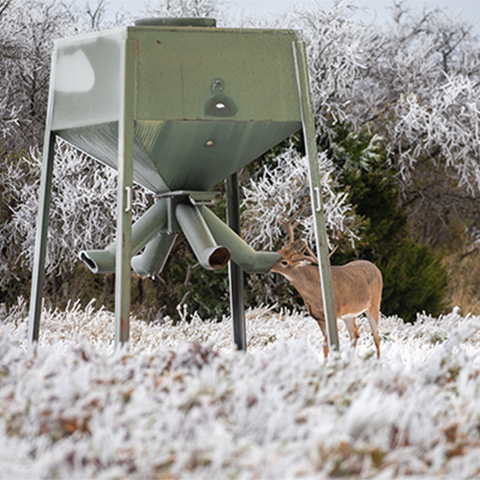
Every winter, the quiet forests and meadows transform into a challenging world for deer. The green leaves and lush grasses they love disappear under snow and frost. Still, deer survive—and even thrive—by changing their diet and habits. Understanding what deer eat in winter is not just interesting for wildlife fans; it helps hunters, landowners, and anyone who wants to support healthy deer populations.
How Deer Diets Change In Winter
When temperatures drop, deer cannot rely on soft, green plants. Instead, their food choices become limited. They must eat what is available, even if it is less nutritious or harder to digest.
In summer and fall, deer mainly eat forbs (broad-leaf plants), grasses, fruits, and nuts. But in winter, woody plants and dried vegetation become their main food. Their stomachs adjust to digest more fiber and tougher material. This change helps them survive until spring, but it also means they must eat more to get the same energy.
Deer also move less in winter. This saves energy, which is critical when food is harder to find.
Main Foods Deer Eat In Winter
Deer are browsers. This means they eat leaves, twigs, and buds from trees and shrubs, not just grass. In winter, their menu includes:
- Woody Browse
- Twigs, stems, and buds from trees and shrubs are a staple. Favorite species include maple, oak, aspen, dogwood, and sumac.
- Deer usually eat twigs that are easy to reach—about chest height or lower.
- Evergreen Plants
- In snowy regions, deer often eat cedar, juniper, and pine needles.
- These plants are not their first choice, but in deep snow, they may be the only green food available.
- Dried Leaves and Grasses
- Deer will paw through snow to find dried grasses or fallen leaves. These are less nutritious but provide bulk for their diet.
- Mast (Acorns and Nuts)
- Leftover acorns and other nuts from autumn are valuable energy sources if deer can find them under the snow.
- These foods are rich in fat and calories.
- Farm Crops and Food Plots
- In some areas, deer visit farm fields for corn, soybeans, or alfalfa that remain after harvest.
- Winter food plots, planted by hunters or landowners, can help deer survive harsh conditions.
- Fungi and Lichens
- On mild days, deer may find mushrooms or lichens on trees and logs.
- These are rare but provide important minerals.
Here is a simple comparison of deer food preferences in winter:
| Food Type | Preference | Availability |
|---|---|---|
| Woody browse | High | Very common |
| Evergreen plants | Medium | Common in forests |
| Dried grasses | Low | Varies |
| Acorns/nuts | High | Rare in late winter |
| Farm crops | High | Near farms |

How Much Do Deer Eat In Winter?
A healthy adult deer eats about 4 to 8 pounds (1.8–3.6 kg) of food per day in winter. This amount is lower than in summer because their bodies slow down to save energy. If food is scarce, they can lose weight, but too much loss is dangerous.
Deer often move less and spend more time resting to reduce calorie needs. This is why good winter cover—thick bushes or evergreen stands—is just as important as food.
How Snow And Weather Affect Deer Diets
Deeper snow makes it harder for deer to find food. When snow is over 18 inches (45 cm) deep, deer struggle to walk and reach plants. Cold temperatures increase the need for calories, but energy-rich foods are harder to find.
In harsh winters, deer may eat less desirable foods like tree bark or even dead leaves. This can upset their stomachs or provide little nutrition, leading to starvation if the winter is long or severe.
| Snow Depth | Deer Movement | Food Access |
|---|---|---|
| 0-6 inches | Normal | Good |
| 7-18 inches | Reduced | Fair |
| 18+ inches | Very limited | Poor |
Common Myths About Feeding Deer In Winter
Many people want to help deer by giving them corn or other grains in winter. While this seems helpful, it can be harmful. Sudden changes in diet, especially with high-starch foods like corn, can upset a deer’s stomach and even kill them.
Deer stomachs need time to adjust to new foods. If you want to help, focus on woody browse or food plots planted in summer or fall. Always check local laws before feeding wild deer, as it is illegal in some places.
Two Insights Beginners Often Miss
First, not all winter foods are equally safe for deer. For example, sudden access to large amounts of corn can cause deadly bloating. Deer need a slow change in diet, and high-fiber foods like twigs are safest.
Second, winter survival is about more than food. Shelter from wind and deep snow, as well as access to water, are just as important. Many deer die not from hunger, but from exhaustion or exposure.

Supporting Deer In Winter
If you want to help deer survive winter, focus on improving natural habitat:
- Leave brush piles and thickets for shelter.
- Plant native shrubs and trees that keep buds and twigs through winter.
- Avoid mowing or clearing fields in late fall.
- If you use food plots, plant a mix of hardy crops that last into winter, like turnips or brassicas.
Here’s how some common plants compare for deer in winter:
| Plant Species | Winter Food Value | Ease of Planting |
|---|---|---|
| Red osier dogwood | Excellent | Easy |
| White cedar | Good | Moderate |
| Alfalfa | Good (if accessible) | Easy |
| Maple twigs | Fair | Natural |
Frequently Asked Questions
What Is The Main Food For Deer In Winter?
Deer mainly eat woody browse—twigs, buds, and stems from trees and shrubs. This food is always available, even when snow covers the ground.
Is It Okay To Feed Deer Corn In Winter?
No, feeding deer corn in winter is risky. Their stomachs cannot handle sudden changes to high-carb foods. This can cause sickness or death.
How Do Deer Find Food Under Snow?
Deer use their hooves to dig through snow for dried grasses, leaves, and acorns. They also eat low branches and evergreen needles that stick out of the snow.
What Trees Do Deer Prefer In Winter?
Deer like maple, aspen, dogwood, and sumac. They also eat cedar and pine needles if other foods are hard to find.
Do All Deer Survive Winter?
Not all deer survive harsh winters. Young, old, or weak deer may die if food and shelter are limited. Healthy habitat helps more deer survive.
Surviving winter is a test of nature’s balance for deer. By knowing what deer eat in winter, you can better understand their challenges and, if you wish, support their survival the right way. For more details on deer habits, visit the Wikipedia page on deer.