
Each year, thousands of people are drawn to the wild landscapes of North America to catch a glimpse of majestic elk herds. These powerful animals, with their towering antlers and deep bugling calls, are a symbol of healthy forests and open grasslands.
But even such impressive creatures face serious health threats. Understanding the diseases that elk get is important not only for wildlife lovers, but also for ranchers, hunters, and anyone concerned about ecosystem balance.
Elk, like all wild animals, live under constant pressure from bacteria, viruses, parasites, and even human activities. Some diseases can cause mass die-offs, while others may slowly weaken herds over years. Learning about these diseases helps scientists manage elk populations and prevent problems from spreading to livestock or even people.
Major Infectious Diseases In Elk
Some of the most concerning illnesses in elk are caused by infectious agents like bacteria, viruses, and parasites. These diseases can spread quickly and sometimes jump to other animals.
Chronic Wasting Disease (cwd)
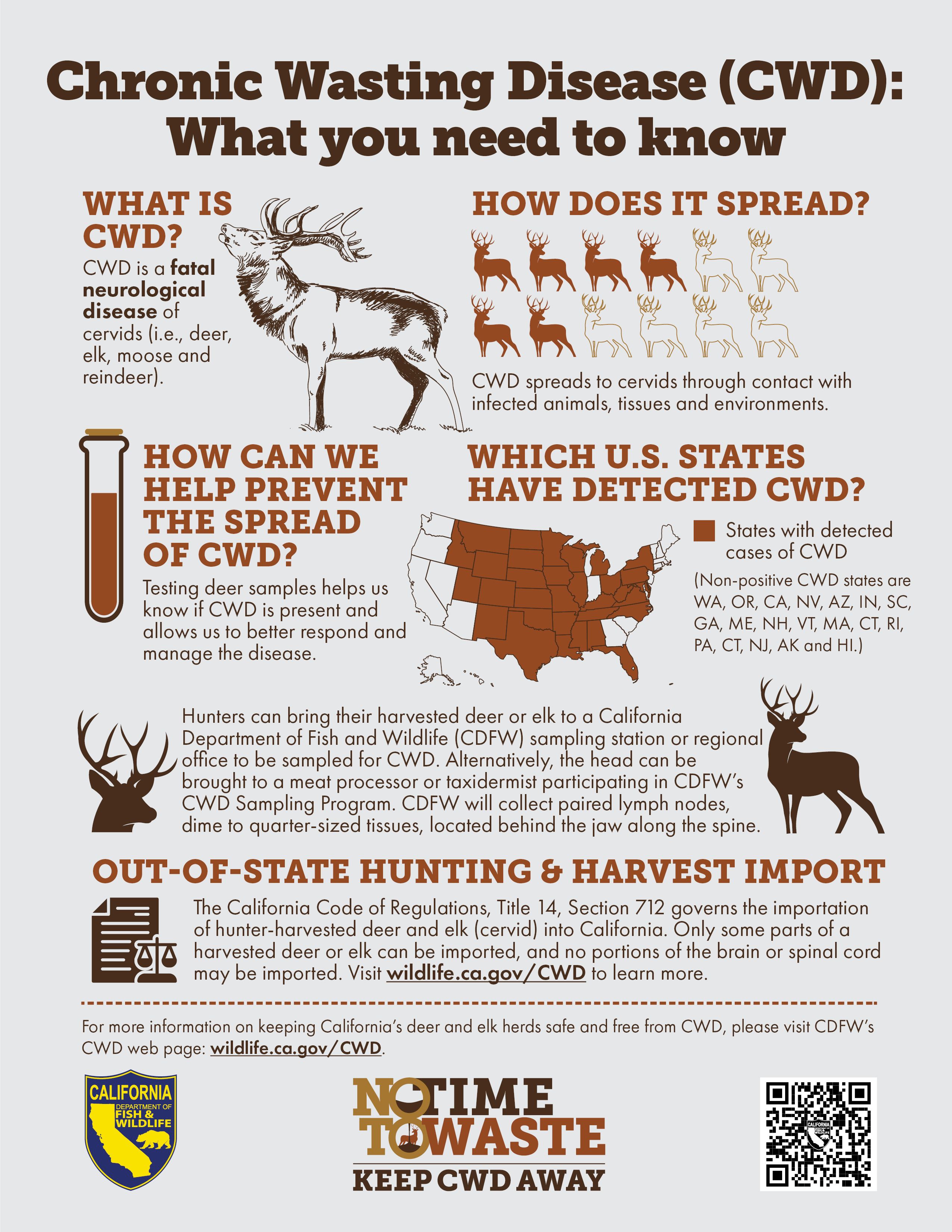
Chronic Wasting Disease is the most talked-about illness in North American elk today. It’s a prion disease, similar to mad cow disease in cattle. CWD attacks the brain and nervous system, causing abnormal behavior, severe weight loss, drooling, and eventually death. There is no cure or vaccine.
CWD spreads through saliva, urine, feces, and even infected soil. Once present, it’s almost impossible to remove from the environment. CWD has been found in elk herds in the US and Canada. Wildlife agencies monitor it carefully because it can destroy entire populations over time.
Fortunately, there is no clear evidence that CWD infects humans, but experts recommend not eating meat from infected elk.
Brucellosis
Brucellosis is a bacterial disease that elk can catch from each other or from cattle. Caused by Brucella abortus, it leads to abortions in pregnant females, reduced fertility, and swollen joints. It spreads through contact with birth fluids, milk, or contaminated water.
While brucellosis rarely kills elk outright, it can lower birth rates and make herds smaller over time. The disease is especially important because elk can pass it to cattle, causing big economic losses for farmers. Brucellosis is also a “zoonotic” disease, which means people can catch it from infected animals, usually by handling birth tissues or drinking unpasteurized milk.
Tuberculosis
Bovine tuberculosis is another bacterial disease affecting elk. It’s caused by Mycobacterium bovis and mainly affects the lungs, causing coughing, weight loss, and eventually death. Tuberculosis spreads through close contact, especially in crowded winter feeding areas.
While not as common as CWD or brucellosis, tuberculosis can cause long-term problems. It can infect other wildlife, cattle, and even humans in rare cases. Outbreaks are most common where elk are fed by humans during winter.
Epizootic Hemorrhagic Disease (ehd)
Epizootic Hemorrhagic Disease is a viral illness spread by tiny biting flies called midges. EHD causes fever, swelling in the head and neck, bloody diarrhea, and sometimes sudden death. Outbreaks usually happen in late summer or fall, especially during dry years when elk gather around shrinking water sources.
EHD can kill many elk quickly, but survivors develop immunity. The disease does not usually affect humans, and it tends to disappear with the first frost, which kills the biting flies.
Bluetongue
Bluetongue is another viral disease spread by midges. It’s similar to EHD, causing fever, mouth ulcers, and lameness. Most elk recover, but outbreaks can be severe, especially in young animals or during droughts. Bluetongue is not dangerous to humans but can affect cattle and sheep, creating challenges for ranchers.
Malignant Catarrhal Fever (mcf)
This deadly viral disease is carried by sheep, but elk can become infected if they share pasture or feeding grounds. MCF causes high fever, cloudy eyes, mouth ulcers, and severe inflammation of the digestive tract. Most elk die within days of showing symptoms.
MCF is not common, but it’s very serious when it occurs. There is no cure, and outbreaks are usually linked to close contact with sheep.
Foot Rot
Foot rot is a bacterial infection of the hooves, usually caused by wet and muddy conditions. Elk with foot rot limp, move less, and may lose weight. The infection can spread to the bones, leading to permanent damage.
While foot rot is rarely fatal, it can reduce elk’s ability to escape predators, find food, or migrate. It’s more common in areas with high rainfall or where elk are crowded.
Parasitic Diseases In Elk
Parasites are a constant challenge for elk. Some cause mild problems, while others can be deadly.
Liver Flukes
Liver flukes are flatworm parasites that live in the liver and bile ducts. Elk become infected by eating plants near water contaminated with fluke eggs. Symptoms include weakness, weight loss, and poor antler growth.
Heavy infestations can damage the liver and reduce survival, especially in young elk. In North America, the most common fluke is Fascioloides magna.
Lungworms
Lungworms are roundworm parasites that infect the lungs and airways. Elk with heavy lungworm infections cough, breathe heavily, and may be more likely to die from other diseases.
The risk is highest for calves and yearlings, especially in wet years. Lungworms can also make elk more likely to get pneumonia during cold winters.
Meningeal Worm
The meningeal worm, or Parelaphostrongylus tenuis, is a parasite commonly found in white-tailed deer, which rarely get sick from it. But when elk become infected, the parasite migrates to the brain and spinal cord, causing nervous system problems like staggering, paralysis, or even death.
This parasite is common in the eastern US. Elk moved into these areas from the West are at higher risk because they have not developed immunity. Preventing overlap with white-tailed deer can reduce infection rates.
Winter Tick
Winter ticks are small parasites that attach to the skin and feed on elk blood. Heavy infestations cause hair loss, itching, and weakness, especially in late winter when food is scarce.
Tick-borne diseases are less common in elk than in other animals, but large numbers of ticks can still cause stress and make elk more vulnerable to cold and predators.
Non-infectious Diseases And Other Health Problems
Not all diseases in elk are caused by germs or parasites. Some are linked to the environment, nutrition, or human activities.
Mineral Deficiencies
Elk need a balanced diet of minerals like calcium, phosphorus, and selenium for healthy bones, antlers, and immune systems. In areas where soils are poor or plants are low in minerals, elk can develop deficiencies. This leads to weak antlers, poor reproduction, or even sudden death.
Selenium deficiency, for example, can cause white muscle disease, where calves suffer from muscle weakness and heart problems. Ranchers sometimes provide mineral blocks to reduce this risk in fenced herds.
Poisonous Plants
Elk sometimes eat poisonous plants, especially when food is scarce. Plants like locoweed or larkspur can cause tremors, paralysis, or sudden death. In most cases, wild elk avoid these plants, but young or hungry animals are at greater risk.
Injuries And Predation
While not diseases, injuries from fights, predators, or vehicle collisions are common health problems for elk. Wounds can become infected, and animals weakened by other diseases are more likely to die from injuries.
How Elk Diseases Affect Ecosystems And People
Diseases in elk don’t just affect individual animals; they also shape entire ecosystems. When a disease like CWD or brucellosis spreads, it can lower elk numbers, change their movements, and even affect predators like wolves and bears.
Some elk diseases can be passed to livestock or, in rare cases, to people. Brucellosis, tuberculosis, and some parasites are examples. This is why wildlife managers work hard to monitor elk health and sometimes limit contact between elk and domestic animals.

Comparing Major Diseases: Cwd, Brucellosis, Tuberculosis
Understanding how different diseases affect elk helps managers set priorities. The table below compares three major elk diseases:
| Disease | Type | Main Symptoms | Spread Method | Human Risk |
|---|---|---|---|---|
| Chronic Wasting Disease | Prion | Weight loss, drooling, strange behavior | Bodily fluids, environment | Low (no proven cases) |
| Brucellosis | Bacterial | Abortions, swollen joints | Birth fluids, milk, water | Medium (can infect humans) |
| Tuberculosis | Bacterial | Cough, weight loss | Close contact, air | Low (rare in humans) |
How Do Elk Get Sick?
Elk can catch diseases in several ways:
- Direct contact: Through licking, grooming, or fighting.
- Shared food/water: Especially in winter feeding grounds.
- Environment: Some germs survive in soil for years.
- Insect bites: For diseases like EHD and bluetongue.
- Other animals: Especially if elk share space with sheep, deer, or cattle.
Crowding, stress, poor nutrition, and changing weather can all make elk more likely to get sick.
Disease Management And Prevention
Wildlife managers use several strategies to keep elk healthy:
- Surveillance: Testing animals for disease regularly.
- Reducing crowding: Limiting artificial feeding.
- Separating elk from livestock: Using fences or different grazing areas.
- Hunter education: Teaching hunters to avoid sick animals and report unusual cases.
- Research: Finding vaccines or better treatments for diseases like CWD.
One insight beginners often miss is that removing sick elk is not always the best solution. In some cases, natural disease cycles help keep herds strong by removing weak animals. But when diseases threaten entire populations, more active intervention may be needed.
Another point: not all visible symptoms mean disease. Elk lose weight or act strangely for many reasons, including old age, harsh winters, or minor injuries. Proper testing is key before making management decisions.
Data: Elk Disease Outbreaks In North America
To show how disease can affect herds, here is a summary of recent outbreaks:
| Disease | Location | Year | Estimated Deaths |
|---|---|---|---|
| CWD | Colorado, USA | 2019 | Hundreds |
| EHD | Alberta, Canada | 2020 | Dozens |
| Bluetongue | Wyoming, USA | 2017 | Tens |
| Brucellosis | Greater Yellowstone Area | 2015-2020 | Chronic losses |
The Role Of Climate And Habitat
Climate change is making some elk diseases worse. Warmer winters help ticks and biting flies survive, increasing the risk of EHD, bluetongue, and tick infestations. Droughts push elk to gather around limited water, making disease spread easier. Protecting healthy habitat is one of the best ways to keep elk herds strong.
Interesting Facts Most People Miss
- Prion diseases like CWD can survive in soil for years, making eradication almost impossible once established.
- Elk in the eastern US are at higher risk from meningeal worm because they are not naturally immune, unlike native white-tailed deer.
- Some elk herds have developed genetic resistance to diseases like brucellosis, but these traits can take generations to spread.
- Monitoring elk health can also help scientists predict risks to cattle and sheep.
Frequently Asked Questions
What Is The Most Serious Disease For Elk?
Chronic Wasting Disease is currently the most serious disease for elk in North America. It spreads easily, is always fatal, and there is no treatment or vaccine.
Can Elk Diseases Infect Humans?
Some diseases, like brucellosis and tuberculosis, can infect humans, but the risk is low if people avoid handling sick animals and cook elk meat properly. CWD has not been proven to infect humans.
How Do Wildlife Managers Control Elk Diseases?
Managers use testing, limit artificial feeding, separate elk from livestock, and educate hunters. In some cases, they may cull infected animals, but prevention is more effective than cure.

Do Elk Get The Same Diseases As Deer Or Moose?
Elk can get many of the same diseases, such as CWD, EHD, and parasites. However, their risk depends on habitat, herd movement, and interactions with other species.
Where Can I Learn More About Elk Diseases?
A good resource is the Wikipedia page on elk, which covers biology, diseases, and management in detail.
Elk face many disease threats, but careful monitoring, strong habitats, and smart management can keep these wild giants healthy for future generations to enjoy. For anyone who loves wild places, understanding elk diseases is a step toward protecting nature’s balance.

