Deer are among the most recognizable wild animals in forests, parks, and rural landscapes. Many people enjoy watching them, but few realize that deer face many health challenges in the wild. These elegant animals can suffer from a variety of diseases, some of which can affect other wildlife, livestock, or even humans.
Understanding what diseases deer get is important for hunters, wildlife managers, and anyone who spends time outdoors.
Common Diseases In Deer
Deer are exposed to different diseases depending on their location, environment, and contact with other animals. Here are some of the most common diseases that affect deer populations worldwide.
Chronic Wasting Disease (cwd)
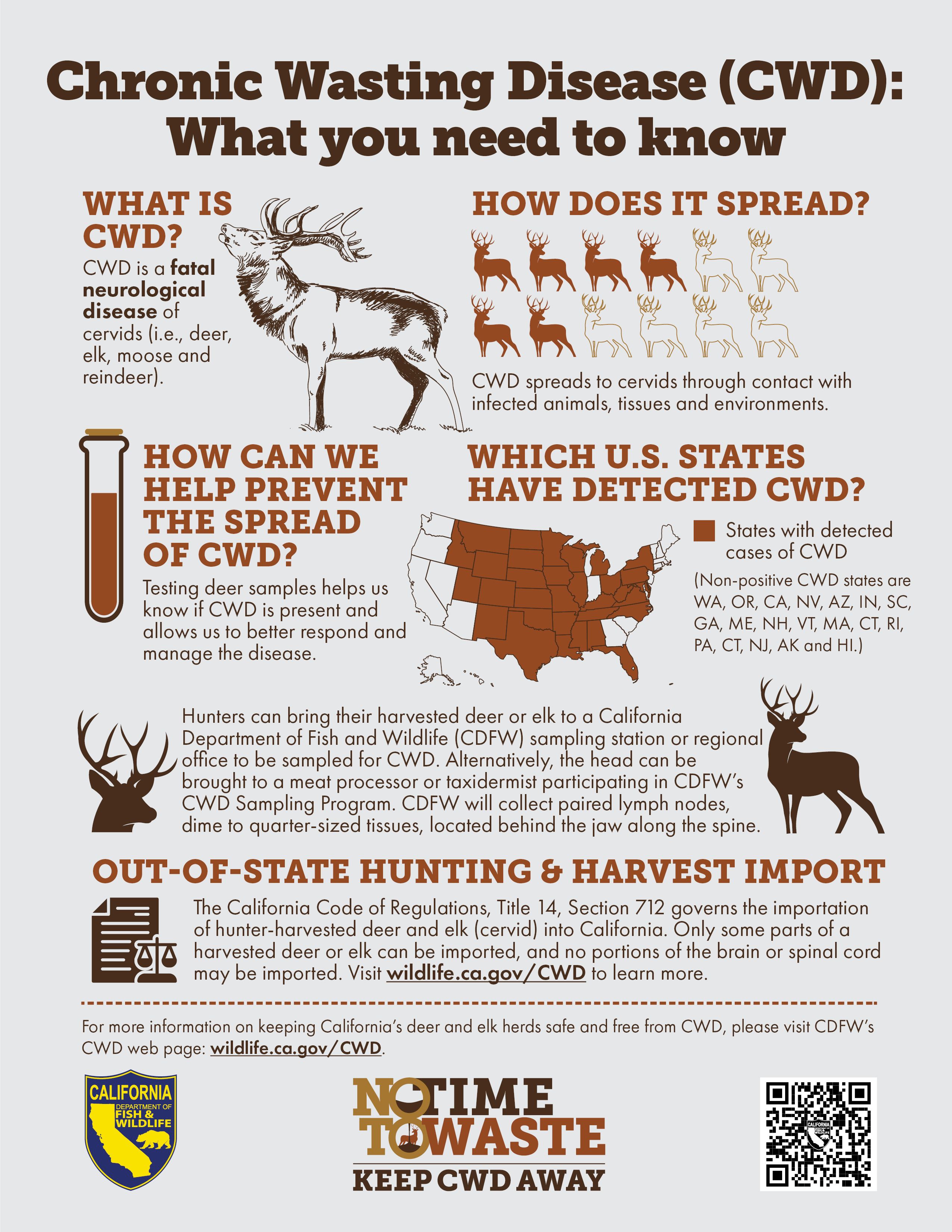
Chronic Wasting Disease is a fatal, contagious brain disease found in deer, elk, and moose. It is caused by abnormal proteins called prions. CWD symptoms include dramatic weight loss, stumbling, drooling, and odd behavior. There is no cure, and infected deer always die.
CWD spreads through direct animal-to-animal contact and contaminated environments. The disease has been found in more than 25 US states, parts of Canada, and even in Norway and South Korea. One non-obvious fact: Prions can remain infectious in the soil for years, making eradication almost impossible.
Epizootic Hemorrhagic Disease (ehd)
EHD is a viral disease common in white-tailed deer, especially in North America. It spreads through the bite of midges (tiny flies), not by direct contact. Infected deer develop high fevers, swollen heads or necks, and sometimes ulcers in their mouth. Many deer die within days, especially in late summer and early autumn.
Survivors can develop immunity, but large outbreaks can devastate local deer populations. People often confuse EHD with bluetongue, a similar disease, but they are caused by different viruses.
Lyme Disease
Although deer do not get Lyme disease themselves, they play a key role in its life cycle. Deer are hosts for adult black-legged ticks, which transmit Lyme disease to humans and pets. High deer populations can mean more ticks in an area, increasing human risk.
Ticks become infected by feeding on rodents, then later attach to deer and humans. Controlling deer numbers can help reduce tick populations and the risk of Lyme disease.
Tuberculosis
Bovine tuberculosis is a bacterial disease that can affect deer and cattle. Infected deer may not show obvious symptoms but can spread the bacteria through saliva or respiratory secretions. This disease is a concern for farmers, as deer can spread it to livestock.
Testing and controlling infected herds is expensive. Tuberculosis in deer is rare but persistent in some regions, such as Michigan, USA.
Bluetongue
Bluetongue is another viral disease spread by midges. It mostly affects sheep, but deer can also suffer from it. Signs are similar to EHD: fever, swelling, and sometimes bleeding from the nose or mouth. Outbreaks are more common in warm, wet years when midge populations are high.
Deer Adenovirus
Deer can get adenovirus hemorrhagic disease, which causes sudden death, especially in fawns and young deer. Symptoms include drooling, foaming at the mouth, and diarrhea. This disease spreads quickly in dense deer populations but is less well-known than EHD or CWD.
Brain Abscesses
Brain abscesses are localized infections in the skull caused by bacteria. These occur mostly in adult male deer, especially after fighting during the breeding season. The bacteria enter through antler wounds. Affected deer show odd behavior, walk in circles, or become blind.
Parasites
Deer host many internal and external parasites, including ticks, lice, tapeworms, and roundworms. Most parasites cause mild symptoms, but heavy infestations can weaken deer, especially fawns or sick animals.
A key insight: Some parasites use deer as a vital part of their life cycle, but often do little harm to healthy adults. However, stressed or malnourished deer are more likely to suffer serious effects.
Foot Rot
Foot rot is a bacterial infection of the feet that causes lameness and swelling. Wet, muddy environments increase the risk. Affected deer may limp or become unable to walk, making them easy targets for predators.
Foot rot can sometimes be mistaken for injuries or broken legs, so hunters and wildlife managers need to check carefully.
Malignant Catarrhal Fever
This rare but deadly viral disease is caused by herpesviruses. Deer get it from sheep or goats, not from other deer. Symptoms include fever, eye and nose discharge, and ulcers in the mouth. There is no treatment, and outbreaks are uncommon but always serious.
Johne’s Disease
Johne’s disease is a slow, wasting illness caused by the bacterium Mycobacterium avium paratuberculosis. Infected deer lose weight and develop diarrhea. The bacteria are shed in feces and can survive in the environment for years.
While more common in cattle, Johne’s can impact deer herds, especially where livestock and deer share pasture.
Rabies
Rabies is rare in deer, but not impossible. Infected deer may appear tame, stumble, or attack objects. Any wild deer acting very strangely should be avoided and reported to wildlife authorities.
Disease Comparison In Deer
Different diseases affect deer in unique ways. The table below compares key features of major deer diseases.
| Disease | Cause | Transmission | Main Symptoms |
|---|---|---|---|
| Chronic Wasting Disease | Prion | Direct & Environmental | Weight loss, odd behavior |
| EHD | Virus | Midge bites | Fever, swelling, ulcers |
| Tuberculosis | Bacteria | Saliva, respiratory | Often no symptoms |
| Lyme Disease | Bacteria (via tick) | Ticks | Deer not affected |
How Deer Diseases Impact People And Wildlife
Deer diseases can affect more than just deer. Some have economic impacts, public health risks, or change the balance of wildlife in an area.
- CWD can harm hunting and tourism industries.
- Tick-borne diseases like Lyme disease threaten human and pet health.
- Tuberculosis can cross into livestock, leading to costly control measures.
Hunters should never eat meat from sick deer and should wear gloves when field dressing. Proper disposal of carcasses helps prevent disease spread.
Prevention And Management
Managing deer diseases is challenging. There are no easy cures for most illnesses, and some, like CWD, can stay in the environment for years. However, a few practical steps can help:
- Monitor deer health: Wildlife agencies conduct surveys and testing.
- Limit deer density: Overcrowding increases disease risk.
- Educate hunters and the public: Reporting sick animals helps early detection.
- Control tick populations: Managing vegetation and deer numbers can reduce tick-borne risks.
One less obvious tip: Do not feed wild deer. Concentrating animals increases the spread of many diseases.
Here is a table summarizing which diseases are most likely to affect different age groups of deer.
| Disease | Fawns | Adults | Old Deer |
|---|---|---|---|
| EHD | High risk | Medium risk | Low risk |
| CWD | Rare | Common | Very common |
| Brain Abscess | Rare | Common (males) | Less common |
Frequently Asked Questions
What Is The Most Deadly Disease For Deer?
Chronic Wasting Disease is one of the deadliest because it is always fatal and has no cure. EHD can cause rapid, large die-offs in some years.
Can Humans Get Sick From Deer Diseases?
Most deer diseases do not infect humans directly, but ticks on deer can spread Lyme disease. Tuberculosis and rabies are rare but possible risks.
How Can I Tell If A Deer Is Sick?
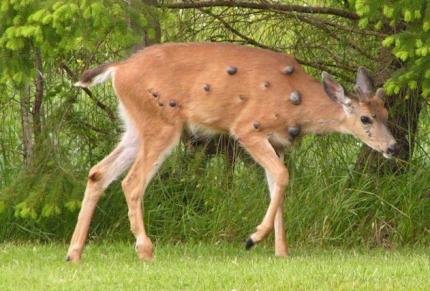
Watch for signs like extreme thinness, odd walking, drooling, or acting tame. If you see a deer with these symptoms, report it to local wildlife authorities.
Should I Eat Meat From A Sick Deer?
No. Never eat meat from deer that look sick or act abnormally. Always wear gloves when handling game and follow food safety recommendations.
Where Can I Learn More About Deer Diseases?
For more detailed information, visit the Centers for Disease Control and Prevention website.
Deer face many health challenges in the wild. By understanding the diseases they get, we can protect both deer and ourselves. Awareness, good management, and safe practices are the best defenses against these hidden threats.

