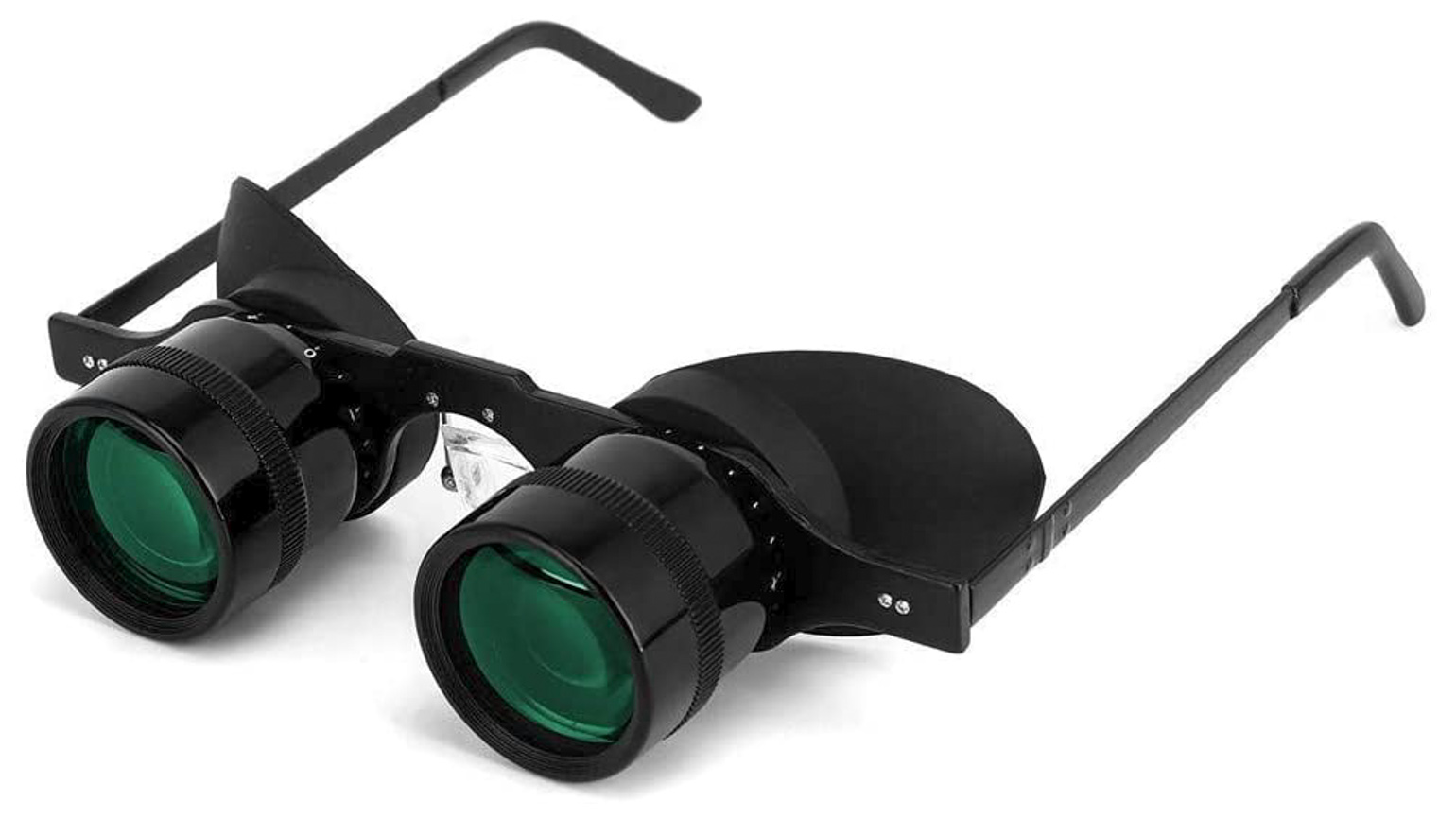
Opera glasses are more than just a tool—they are part of the experience. At the opera, ballet, or theater, every detail matters. You want to see the actors’ expressions, the costumes, and the stage design. A good pair of opera glasses brings you closer to the performance.
But with so many brands and styles, which ones really deliver? This guide explores the top brands making the best opera glasses today, what sets them apart, and how to choose the right pair for your next night out.
What Makes A Great Opera Glass?
Before exploring the top brands, it’s important to know what makes opera glasses truly stand out. Unlike regular binoculars, opera glasses are designed for indoor use. They usually have a lower magnification (typically 2.5x to 5x), providing a wide field of view without making the image shaky. The best opera glasses have clear, bright optics, a comfortable design, and elegant styling that matches the refined atmosphere of the opera.
Key features to look for include:
- Magnification: 2.5x to 4x is ideal.
- Lens diameter: Larger lenses let in more light for brighter images.
- Weight and size: Lightweight and compact for comfort.
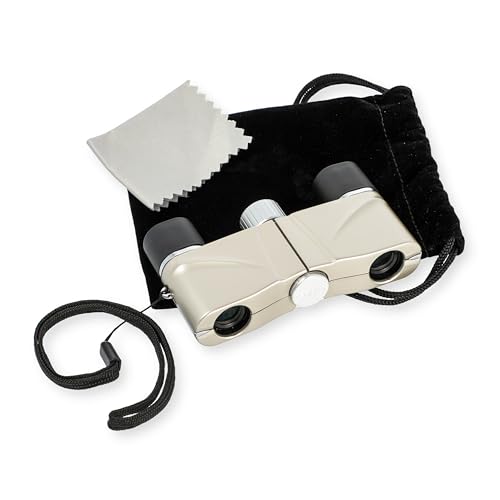
- Aesthetic: Elegant finishes like gold, silver, or mother-of-pearl.
- Build quality: Durable materials and smooth focusing.
Some beginners forget that high magnification is not always better indoors. Too much zoom narrows your view and makes it harder to keep the image steady. Stick to the range above for the best balance.
Leading Opera Glass Brands
Several brands are known for producing the best opera glasses. Each has its own strengths, from optical clarity to style and tradition.
1. Levenhuk
Levenhuk is a well-known optics brand that makes a wide range of binoculars and opera glasses. Their opera glasses are popular for their affordable price and stylish designs. Many Levenhuk models feature gold or silver trim and come with a central focusing wheel, making them easy to adjust. They often include a chain or handle for convenience, which is helpful if you plan to hold them for long periods.
One non-obvious advantage: Levenhuk often uses multi-coated optics, which is rare at their price point. This makes images brighter and sharper, even in dim theater lighting.
2. Eschenbach
Eschenbach is a German brand with a long history in optics. Their opera glasses focus on precision engineering and excellent image quality. Eschenbach models are known for their lightweight build and comfortable feel. They often use aspheric lenses, reducing image distortion at the edges, which is helpful for watching fast-moving stage performances.
If clarity is your top priority, Eschenbach should be high on your list. Their premium models are more expensive, but you’re paying for professional-quality optics.
3. Bresser
Bresser is another German optics company, respected for making reliable, practical opera glasses. Their products often combine classic design with modern optical technology. Bresser opera glasses are usually compact and lightweight, ideal for slipping into a small purse or jacket pocket.
Bresser sometimes includes LED lighting in their designs. While this might seem unnecessary, it’s useful for reading programs or finding your seat in a dark theater.
4. Pentax
Pentax is a Japanese brand recognized for its high-quality cameras and binoculars. Their opera glasses are a bit more modern in look, with sleek finishes and excellent ergonomics. Pentax models tend to have bright, clear optics and are built to last.
A unique feature: Some Pentax opera glasses use BK-7 prism glass, which improves image sharpness, especially at the edges of the field of view.
5. Bushnell
Bushnell is famous for outdoor optics, but they also make stylish and practical opera glasses. Their models are often affordable and easy to use, with smooth focusing and a comfortable grip. Bushnell opera glasses are a good choice for beginners who want quality without spending too much.
One common mistake is assuming Bushnell only makes rugged outdoor gear. In reality, their opera glasses are designed for elegance and ease indoors.
6. Barska
Barska offers a wide range of binoculars, and their opera glasses are known for their vintage-inspired design and low price. Many Barska models come with decorative handles or chains, adding a touch of old-world charm. They are lightweight, making them easy to carry and use during long performances.
Barska often includes a soft case for storage, which helps protect the lenses from scratches—something beginners often overlook.
7. Opticron
Opticron is a British brand that specializes in compact optics. Their opera glasses are slim and discreet, with a focus on portability. Opticron models are perfect if you want something you can easily hide in your pocket or bag.
A less obvious benefit: Opticron’s optics often have good color correction, so costumes and stage lighting look true to life.
8. Sakura
Sakura is a Japanese brand known for making budget-friendly opera glasses. Their designs are simple but effective, often featuring classic colors and finishes. Sakura models are a good entry point for someone new to opera glasses or for kids attending their first show.
Sakura’s lenses are surprisingly clear for the price, although build quality can vary between models.
9. Vixen
Vixen has a reputation for high-quality astronomy gear, but they also make compact opera glasses. Vixen models use advanced coatings for brighter images and have a modern, minimalist look. Their folding designs make them extra portable.
A practical tip: Vixen glasses fold flat, so they fit easily in a small clutch or even a shirt pocket.
10. Theatre Glasses By Lascala
LaScala’s opera glasses are famous for their decorative style. Many models feature mother-of-pearl, enamel, or hand-painted designs. These are as much a fashion accessory as an optical tool. The optics are clear and bright, but the real appeal is in the visual presentation.
LaScala glasses are often chosen as gifts, especially for opera lovers and collectors.
11. Zeiss
Carl Zeiss is a legendary name in optics. Their opera glasses are the pinnacle of optical performance, offering razor-sharp images, true colors, and superb build quality. Zeiss models are expensive, but for many, the extra cost is worth it for the best possible viewing experience.
Not everyone realizes that Zeiss opera glasses often use the same lens coatings as their professional camera lenses. This means better light transmission and less glare in challenging theater lighting.
12. Nikon
Nikon is another world leader in optics. Their opera glasses are compact, bright, and easy to use. Nikon models are designed for comfort, with smooth focus and a wide field of view. Their modern designs are understated and elegant.
A key advantage: Nikon’s reputation for durability means their opera glasses will last for many seasons, even with frequent use.
Opera Glass Brand Comparison
Here’s a look at how some of these top brands compare on key features:
| Brand | Magnification | Weight | Design Style | Price Range (USD) |
|---|---|---|---|---|
| Levenhuk | 3x | Light | Classic/Modern | 30-60 |
| Eschenbach | 3x | Ultra Light | Modern | 80-150 |
| Bresser | 3x | Light | Classic | 30-70 |
| Pentax | 4x | Medium | Modern | 50-100 |
| LaScala | 3x | Light | Decorative | 60-120 |
| Zeiss | 3x | Medium | Premium | 200+ |
How To Choose The Right Opera Glasses
Selecting the best opera glasses is about more than brand. Here are steps to make sure you pick the perfect pair for your needs:
1. Decide On A Style
Do you want something classic and elegant, or modern and discreet? Decorative models look beautiful but may be heavier. Modern designs are usually more compact.
2. Consider Magnification
Stick to 2.5x to 4x. Higher magnification is not better in the theater—it narrows your view and makes the image shaky.
3. Check Weight And Comfort
If you plan to hold them for a long time, weight matters. Lightweight models are best for long performances.
4. Focus On Optics
Look for multi-coated lenses for brighter, clearer images. Some brands also offer aspheric lenses, which reduce edge distortion.
5. Think About Extras
Handles, chains, or built-in lighting can be helpful, especially if you want to use the glasses for reading programs or moving around the theater.
6. Set Your Budget
Opera glasses are available in a wide price range. Decide what you want to spend, but remember that higher-quality optics often cost more.

Practical Tips For Using Opera Glasses
Many first-time users make simple mistakes that spoil the experience. Here’s how to get the most out of your opera glasses:
- Adjust the focus before the performance begins. This avoids disturbing others.
- Hold the glasses steady with both hands for the sharpest image.
- Don’t use high magnification—it makes viewing harder indoors.
- Avoid cleaning the lenses with rough fabric. Use a soft lens cloth to prevent scratches.
- If your glasses have a chain or handle, use it. This makes them easier to hold and reduces the chance of dropping them.
A non-obvious tip: Sit in your seat and test the viewing angle. Sometimes, moving the glasses slightly away from your eyes gives a wider field and less distortion.
Table: Key Features Of Top Opera Glasses
To help you compare at a glance, here’s a quick summary of key features:
| Brand | Main Feature | Best For | Special Add-ons |
|---|---|---|---|
| Levenhuk | Affordable, stylish | Beginners, gift-buyers | Chains, handles |
| Eschenbach | Sharp, clear optics | Image quality seekers | Aspheric lenses |
| Bresser | Classic design | Frequent users | LED lighting |
| Pentax | Modern look | Comfort, ergonomics | BK-7 prism glass |
| LaScala | Decorative style | Fashion-conscious users | Mother-of-pearl, enamel |
| Zeiss | Professional optics | Collectors, enthusiasts | Premium lens coatings |
Why Brand Reputation Matters
Buying from a respected brand means you get consistent quality and good support if something goes wrong. Leading brands also invest more in lens coatings and quality control. For most people, spending a little more upfront saves money and frustration later.
If you want to read more about the science behind optics and lens coatings, you can find helpful information at Wikipedia.
Frequently Asked Questions
What Magnification Is Best For Opera Glasses?
2.5x to 4x magnification is ideal. This gives a wide field of view and a steady image. Higher magnification is not necessary for indoor performances and can make the image shaky.
Are Expensive Opera Glasses Worth It?
If you value optical clarity and build quality, premium brands like Zeiss or Eschenbach are worth the investment. For casual use, mid-priced brands like Levenhuk or Bresser offer great value and good performance.
Can I Use Regular Binoculars At The Opera?
Regular binoculars are usually too powerful and bulky for the theater. They have higher magnification, making them hard to use indoors and uncomfortable for long periods.
Do All Opera Glasses Come With A Handle Or Chain?
Not all models include these features. Handles and chains are common in decorative styles but less so in modern, compact designs. Always check the product description before buying.
How Should I Care For My Opera Glasses?
Use a soft lens cloth to clean the lenses, and keep the glasses in their case when not in use. Avoid touching the lenses with your fingers, as oils and dirt can damage the coatings.
Opera glasses add elegance and enhance your enjoyment at the theater. With the right brand and features, you’ll see every detail and make the most of every performance. Choose wisely, and your opera glasses could last a lifetime.