
City life is not just for people. Birds are everywhere in the world’s cities, from busy streets to quiet parks and even on tall skyscrapers. These birds have learned to survive—and even thrive—in places filled with people, cars, buildings, and noise.
Some are so common that we hardly notice them, while others are rare visitors. Understanding what birds live in cities helps us notice the wildlife around us, even in crowded places. It also shows how nature and humans share space, and why protecting birds in cities matters.
Many people think cities are not good for wildlife. But the truth is, cities offer food, shelter, and new opportunities for birds. Some birds have changed their habits, diets, or even their looks to live beside humans. In this article, you will discover which birds live in cities, why they choose urban life, how they adapt, and how you can spot and help them.
What Makes A Bird A “city Bird”?
Birds living in cities are known as urban birds. They are not a special group or species, but a mix of many different birds that can survive city life. What makes a bird a city bird is not just where it lives, but how it behaves.
Common Traits Of Urban Birds
- Adaptable diet: They eat many kinds of food, including what people throw away.
- Tolerance to people: They are not scared of crowds or noise.
- Flexible nesting: They use buildings, bridges, and other man-made structures to build nests.
- High reproduction: Some city birds breed faster to keep up with dangers like cars or pollution.
For example, the House Sparrow can nest almost anywhere, while the Rock Pigeon eats almost any food it finds in the street. These abilities help birds survive and even grow in busy cities.
Most Common City Birds Worldwide
While each city has its own birdlife, some birds are found in nearly every large city around the globe. Here are the most common birds you will see in city environments, why they succeed, and what makes them special.
1. Rock Pigeon (columba Livia)
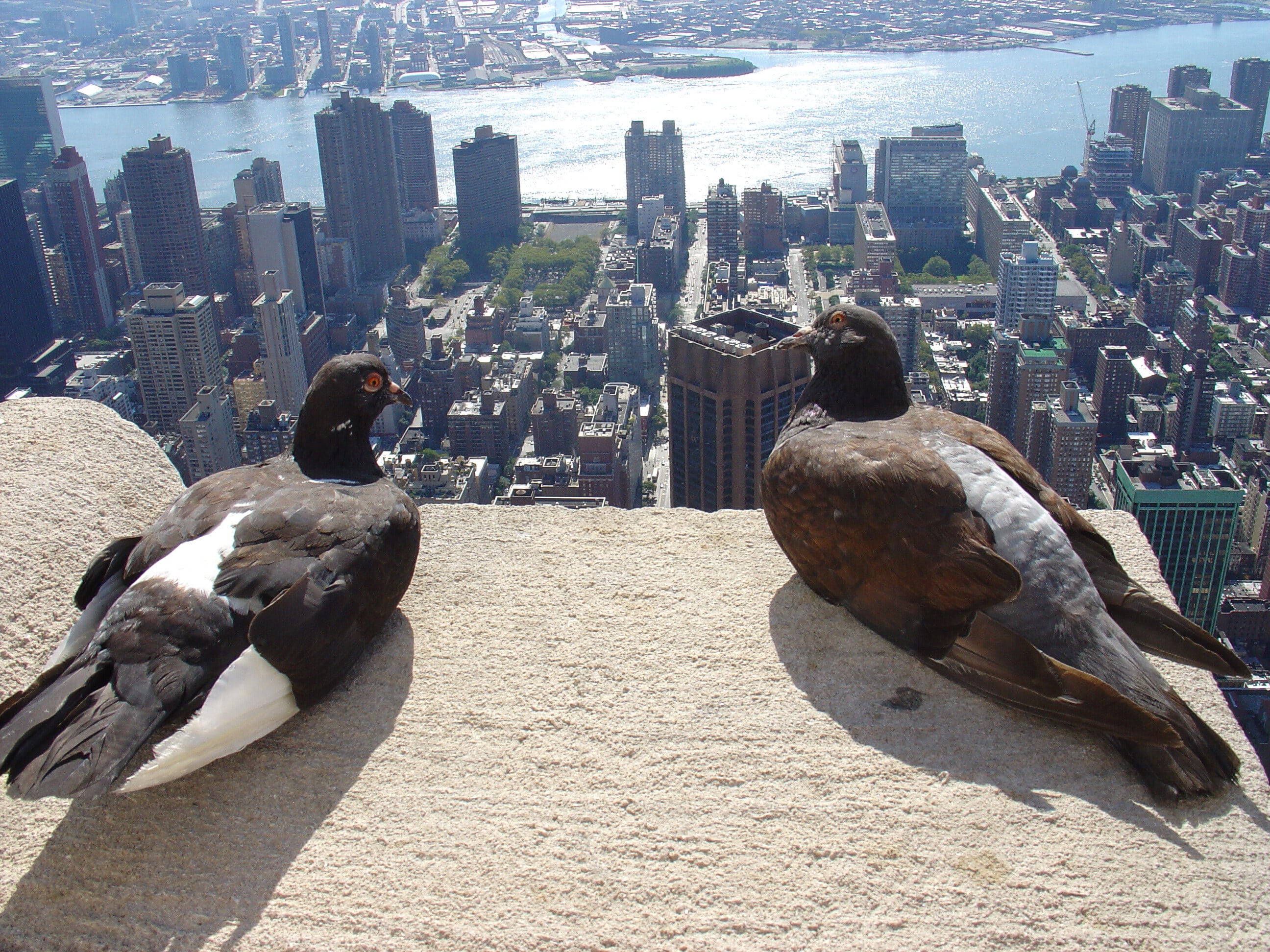
The Rock Pigeon, often called the city pigeon, is perhaps the most recognized urban bird. Originally from cliffs in Europe, North Africa, and Asia, they now live on every continent except Antarctica. Their ability to nest on buildings (which look like cliffs to them), eat almost anything, and live in large flocks makes them perfect city dwellers.
Rock pigeons come in many colors, but the classic look is gray with shiny neck feathers. They thrive on bread, seeds, and food scraps. Pigeons are often misunderstood, but they have a long history with humans, being used as messengers and even pets.
2. House Sparrow (passer Domesticus)
The House Sparrow is another bird you see everywhere—on sidewalks, bus stops, and in shopping centers. House sparrows have followed humans for thousands of years. Originally from Europe, Asia, and North Africa, they now live in cities worldwide.
These birds are small, brown, and lively. They build nests in roofs, walls, and street signs, and eat seeds, crumbs, and even insects. House sparrows are not shy, often hopping right under your feet.
3. European Starling (sturnus Vulgaris)
The shiny black European Starling is a master of city life. Introduced to North America and other parts of the world, starlings have become one of the most common urban birds.
They adapt well to noise, pollution, and crowded spaces. Starlings eat insects, fruits, and food scraps. They are famous for their large, swirling flocks called murmurations. In spring, their feathers look almost purple and green in the sun.
4. Feral Pigeon (domestic Pigeon)
While similar to the Rock Pigeon, feral pigeons are actually escaped domestic pigeons or their descendants. They often mix with wild pigeons and come in many colors. Like their wild cousins, feral pigeons are expert city survivors, using any ledge or rooftop to nest.
5. Common Swift (apus Apus)
The Common Swift is a true aerial expert. These birds spend most of their lives flying, only landing to nest. Swifts nest in old buildings, under tiles, or in gaps in walls. They feed on flying insects and are often seen darting through the sky above city rooftops in summer.
Swifts are not as bold as pigeons or sparrows, but they are just as much a part of city life. Their high-pitched calls and fast flight are a sure sign of summer in many cities.
6. Eurasian Magpie (pica Pica)
Known for their black and white color and long tail, Eurasian Magpies are smart and curious. They use parks, gardens, and even city streets to find food. Magpies eat almost anything: insects, small animals, seeds, and food scraps.
They often build large, messy nests in tall trees or even on mobile phone masts. Magpies are among the most intelligent birds, able to recognize themselves in mirrors.
7. American Crow (corvus Brachyrhynchos)
In North American cities, the American Crow is a common sight. These large, all-black birds are clever and social. Crows use streetlights, buildings, and parks as places to gather and roost.
Crows eat a wide range of food, from insects and fruit to human garbage. They are known for their problem-solving skills. In some cities, crows have learned to drop nuts onto roads so cars will crack them open.
8. House Finch (haemorhous Mexicanus)
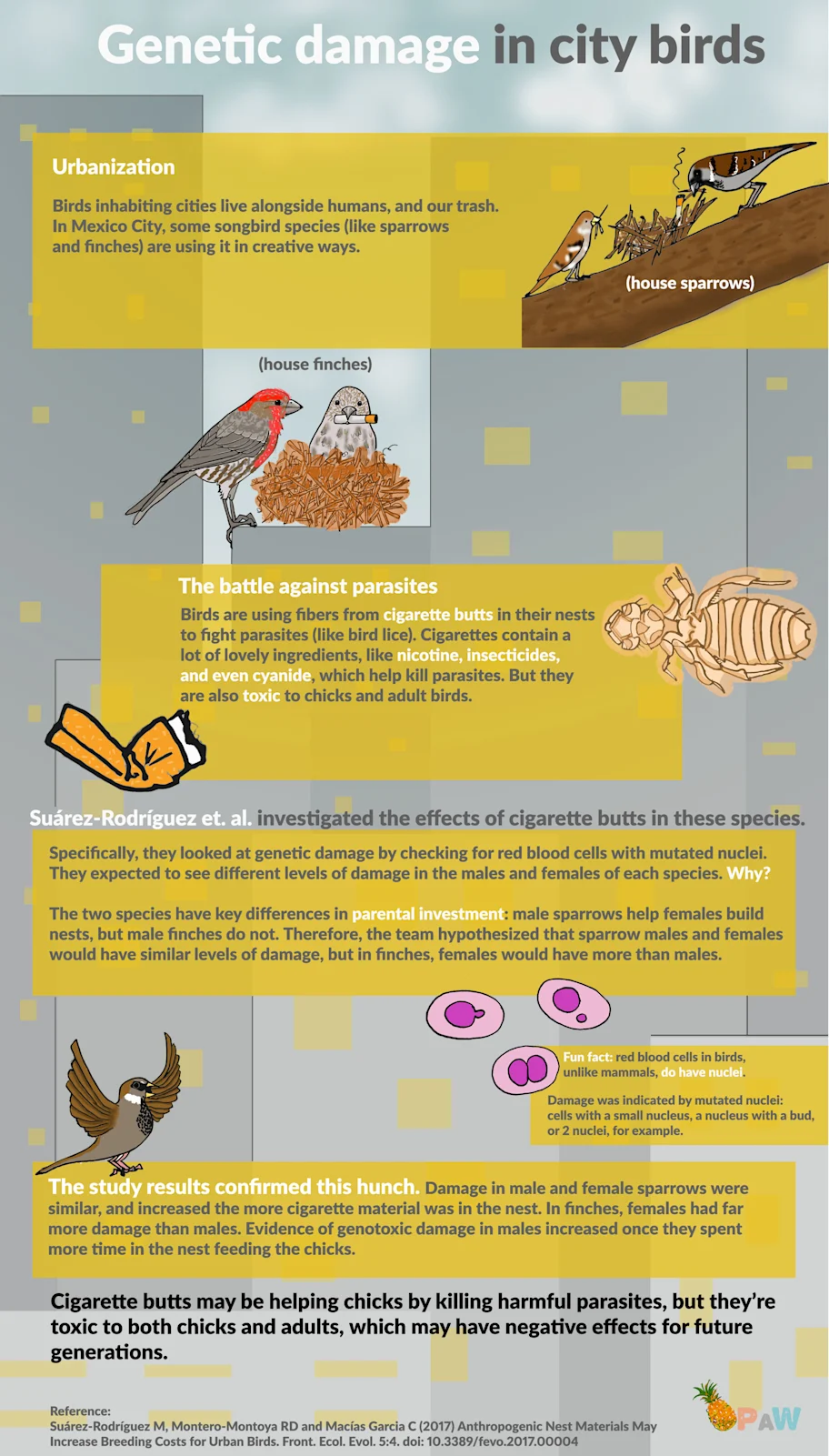
The House Finch is a small, colorful bird found in many American cities. Males have bright red heads and chests, while females are brown and streaky. House finches nest in hanging baskets, building ledges, and lamp posts.
They feed on seeds, buds, and fruit, and often visit bird feeders. House finches are friendly and not afraid of people.
9. Mourning Dove (zenaida Macroura)
Mourning Doves are slim, gentle birds with soft cooing calls. They live in parks, gardens, and even busy city streets. Their nests are often flimsy and built in strange places, such as window ledges or air conditioners.
Mourning doves eat seeds and grains and are common visitors to city bird feeders. Their calm nature and distinctive sound make them easy to identify.
10. Blackbird (turdus Merula)
The Common Blackbird is found in many European cities. Males are all black with a yellow beak; females are brown. Blackbirds sing beautiful songs, especially in the early morning.
They prefer gardens and parks, where they look for earthworms, insects, and berries. Blackbirds adapt well to small green spaces in cities.
11. Great Tit (parus Major)
A small, bold bird with a black head and yellow belly, the Great Tit is a regular visitor to city parks and gardens in Europe and Asia. They nest in holes in trees or walls and quickly learn to use nest boxes.
Great tits eat insects, seeds, and peanuts from feeders. They are quick learners and can open milk bottles to get cream—one of the first examples of birds using human resources.
12. Blue Tit (cyanistes Caeruleus)
The Blue Tit is another colorful city bird, common across Europe. With blue and yellow feathers, blue tits are easy to spot. They build nests in small holes, sometimes using letterboxes or pipes.
They eat insects, caterpillars, seeds, and love peanuts from feeders. Blue tits are lively and acrobatic, often hanging upside down to reach food.
13. Collared Dove (streptopelia Decaocto)
The gentle Collared Dove is pale gray with a black “collar” on its neck. These doves have spread across Europe and into many cities, often nesting on window ledges, balconies, or in city parks.
They feed on seeds and grains and are not shy around humans. Their soft, repeated calls are a familiar city sound.
14. Red-vented Bulbul (pycnonotus Cafer)
In South Asian cities, the Red-vented Bulbul is a common city bird. It has a black head, brown body, and a red patch under its tail. These birds are bold, often seen hopping around gardens and markets.
They eat fruit, flowers, and insects and are known for their loud, cheerful calls. Bulbuls nest in shrubs, trees, or even potted plants on balconies.
15. Common Myna (acridotheres Tristis)
The Common Myna is famous for its yellow eye patch and brown body. Mynas are noisy and social, often seen in groups on city lawns, markets, and rooftops.
They eat insects, fruit, and leftovers from people. Mynas are very adaptable and can nest in holes in buildings, traffic lights, or even air conditioning units.
16. House Crow (corvus Splendens)
In South Asian and African cities, the House Crow is everywhere. Smaller than the American crow, it has a gray neck and black body. House crows are smart, noisy, and always looking for food.
They feed on garbage, leftovers, and even small animals. House crows nest in large groups, often in the tallest trees or on utility poles.
17. Australian Magpie (gymnorhina Tibicen)
Australian cities are home to the Australian Magpie. These black and white birds are famous for their beautiful singing and bold behavior. During spring, they may even swoop at people to protect their nests.
Australian magpies eat insects, worms, and food scraps. They build large nests in trees found in parks and gardens.
18. Spotted Dove (spilopelia Chinensis)
This gentle bird is common in Asian cities. The Spotted Dove has a brown body with a white-spotted black collar. They walk quietly on the ground in parks, gardens, and even on sidewalks.
Spotted doves eat seeds and grains and often nest in low trees or building ledges.
19. Monk Parakeet (myiopsitta Monachus)
The Monk Parakeet is a bright green parrot with a gray face and chest. Originally from South America, they have formed wild colonies in cities in the US, Europe, and beyond.
Monk parakeets are unique because they build large stick nests on utility poles and towers. They eat seeds, fruits, and sometimes raid crops.
20. Canada Goose (branta Canadensis)
Large parks and lakes in North American cities often host Canada Geese. These big birds are brown and white with a black neck. They are very social and often seen in large groups.
Canada geese graze on grass, grains, and plants in parks. Sometimes, they can become a nuisance because of their droppings, but they are a striking part of urban nature.
How Birds Adapt To City Environments
Surviving in a city is not easy for birds. They face dangers such as cars, pollution, glass buildings, and fewer natural food sources. However, urban birds use many smart strategies to survive and even thrive.
Using Human Structures
Birds use buildings, bridges, and other man-made objects as places to nest. For example, pigeons nest on ledges, swifts find gaps under roof tiles, and starlings use holes in walls. Some birds have stopped using trees entirely, choosing city structures instead.
Eating New Foods
Many city birds eat human food waste. This includes bread, fries, and even pizza! Others, like crows and gulls, open garbage bags or search bins for snacks. Learning to eat new foods is one reason why some birds succeed in cities while others do not.
Changing Behavior
Urban birds often lose their fear of people. House sparrows, for example, will feed within a meter of people, while rural sparrows are more cautious. Some birds even change their songs to be heard over city noise—singing louder or at a higher pitch.
Nesting In Unusual Places
With fewer trees, birds use creative places for nests. Traffic lights, lamp posts, air conditioners, and even traffic signs can become home. This flexibility gives city birds more chances to raise their young.
Dealing With Dangers
City birds face threats like glass windows, cars, cats, and pollution. Some species, like pigeons, have higher birth rates to balance out these dangers. Others, like crows, learn to spot and avoid risks quickly.
Differences Between City Birds And Rural Birds
Some birds live in both cities and the countryside, but their habits can be very different. Here is a comparison of how birds change between urban and rural areas:
| Feature | City Birds | Rural Birds |
|---|---|---|
| Nesting places | Buildings, ledges, streetlights | Trees, bushes, cliffs |
| Diet | Human food, seeds, insects | Mainly natural foods |
| Fear of people | Low (tolerant) | High (shy) |
| Breeding rate | Often higher | Normal or lower |
| Predators | More domestic cats and humans | More wild animals |
This table shows that city birds are often more flexible, bold, and fast-breeding than their country cousins.
Unusual And Rare City Birds
Not all city birds are common or noisy. Some species are rare and only visit cities sometimes, while others are slowly moving in as cities grow. Here are a few surprising city birds:
- Peregrine Falcon: The fastest bird in the world now nests on skyscrapers in cities like New York and London. They hunt pigeons and starlings right in the city center.
- Barn Owl: Some cities with open spaces see barn owls living in old warehouses or big parks.
- Kingfisher: In cities with clean rivers or lakes, you might spot a flash of blue as a kingfisher hunts fish.
- Green Woodpecker: In parks with old trees, woodpeckers sometimes find enough food and nesting sites to survive.
- Ring-necked Parakeet: These bright green parrots now live in cities like London and Amsterdam, using parks and gardens.
City bird lists are always changing. As cities grow and climates warm, some birds leave, while others move in.
Benefits And Challenges Of Urban Birds
Urban birds bring many benefits to cities, but they also face special challenges.
Benefits
- Nature in the city: Birds bring color, song, and life to urban areas.
- Pest control: Many birds eat insects or rodents.
- Education: Watching birds helps people learn about nature.
- Mental health: Studies show that birdwatching reduces stress.
Challenges
- Window strikes: Millions of birds die by flying into glass each year.
- Pollution: Air and water pollution can harm birds’ health.
- Habitat loss: Fewer trees and green spaces mean less food and shelter.
- Human disturbance: Construction, noise, and crowds can stress birds.
Some of these problems can be solved by making cities greener and safer for birds.
How To Attract And Help City Birds
You don’t need to live in the country to enjoy birds. There are many ways to attract and help birds in the city:
- Feeders: Put out seeds, nuts, or fruit in your garden or balcony. Use safe, clean feeders.
- Water: Provide a shallow dish of clean water for drinking and bathing.
- Nest boxes: Install nest boxes for sparrows, tits, or swifts.
- Native plants: Grow flowers, shrubs, and trees that provide food and shelter.
- Avoid pesticides: These chemicals can harm birds.
- Keep cats indoors: Cats kill millions of birds each year.
- Make windows safe: Stickers or patterns can stop birds from hitting glass.
- Support green spaces: Join local groups that plant trees or clean parks.
- Educate others: Share your love of birds with friends and family.
Small actions can make a big difference for city birds.
Urban Birdwatching: Tips For Beginners
Birdwatching is not just for country walks. Cities are great places to start, because birds are often less shy and easier to spot.
- Start early: Birds are most active in the morning.
- Use your ears: Listen for songs and calls in parks, gardens, and even busy streets.
- Bring binoculars: These help you see details, even from a distance.
- Keep a list: Write down or photograph the birds you see.
- Visit different places: Try parks, rivers, cemeteries, and rooftops.
- Join a group: Local bird clubs often have city walks.
Even a short walk can reveal many species. The more you look, the more you see.
Why Some Birds Avoid Cities
While many birds adapt to urban life, others stay away. Why?
- Special diets: Some birds only eat certain insects or plants not found in cities.
- Need for big territories: Large birds of prey, for example, need wide open spaces.
- Sensitive to noise and light: Some species get stressed by city life.
- Nest requirements: Birds that nest on the ground or in old forests do not find enough safe places.
Still, as cities change and new green spaces are created, more birds may move in.
City Birds Around The World: A Quick Comparison
Cities on different continents have different bird life. Here is a comparison of typical city birds in three regions:
| Region | Common City Birds |
|---|---|
| North America | Rock Pigeon, House Sparrow, American Crow, House Finch, Canada Goose |
| Europe | Rock Pigeon, House Sparrow, European Starling, Blackbird, Blue Tit |
| Asia | House Sparrow, Common Myna, Red-vented Bulbul, House Crow, Spotted Dove |
As you can see, some birds (like the pigeon and sparrow) are everywhere, while others are local specialists.
Two Insights Beginners Often Miss
- Not all city birds are “dirty” or pests. Many people think of pigeons or crows as dirty, but these birds play important roles, like cleaning up food waste and controlling pests. Some, like swifts or blue tits, rarely touch human food at all.
- Cities can help rare birds survive. For example, the peregrine falcon was once near extinction in the US and UK, but now breeds successfully on city skyscrapers thanks to the abundance of pigeons for food.
If you look closely, cities are full of bird surprises.
Frequently Asked Questions
What Is The Most Common City Bird In The World?
The Rock Pigeon is likely the most common city bird worldwide. It lives in almost every city, from New York to Tokyo, thanks to its adaptable nature and long history with humans.
Why Do Some Birds Avoid Cities?
Many birds avoid cities because they cannot find enough natural food, safe places to nest, or they are sensitive to noise and pollution. Some need specific habitats that cities cannot provide.
How Can I Identify City Birds?
Look for size, color, shape, and behavior. Many city birds are bold and active during the day. Apps and online guides, like those from the Audubon Society, can help you match your sightings.
Do City Birds Live Shorter Lives Than Rural Birds?
Some city birds face more risks (cars, pollution, predators) and may have shorter lives. However, they also have more food and fewer wild predators, so some species live just as long as their rural relatives.
Can I Feed Wild Birds In The City?
Yes, feeding birds is a great way to help them, especially in winter. Use safe foods like seeds, nuts, and fruit. Avoid bread, as it is not healthy for most birds. Always keep feeders clean to prevent disease.
City birds are a living link between nature and people. No matter where you live, you can enjoy their company and help them thrive. All it takes is a little attention—and a welcoming space for your feathered neighbors.

