Camcorders have changed the way we capture memories, tell stories, and create videos for fun or work. Today, there are many types of camcorders, each designed for different needs, budgets, and skill levels. Whether you want to film family events, create YouTube content, or shoot professional documentaries, choosing the right camcorder can make a big difference.
This article will help you understand the main types of camcorders, their features, and how to decide which one is best for you.
What Is A Camcorder?
A camcorder is a video camera that records both images and sound directly onto storage media like memory cards, tapes, or internal drives. The word “camcorder” combines “camera” and “recorder.” Unlike still cameras, camcorders are optimized for video recording, usually with features that make handling long videos, sound, and zooming easier.
Main Types Of Camcorders
Camcorders come in many forms, each with unique features. Here are the main types you will see:
- Consumer Camcorders
- Professional Camcorders
- Action Camcorders
- 360-Degree Camcorders
- Mini or Pocket Camcorders
- Cinema Camcorders
- Webcam Camcorders
- Sports Camcorders
- Broadcast Camcorders
Let’s look at each type in detail.
Consumer Camcorders
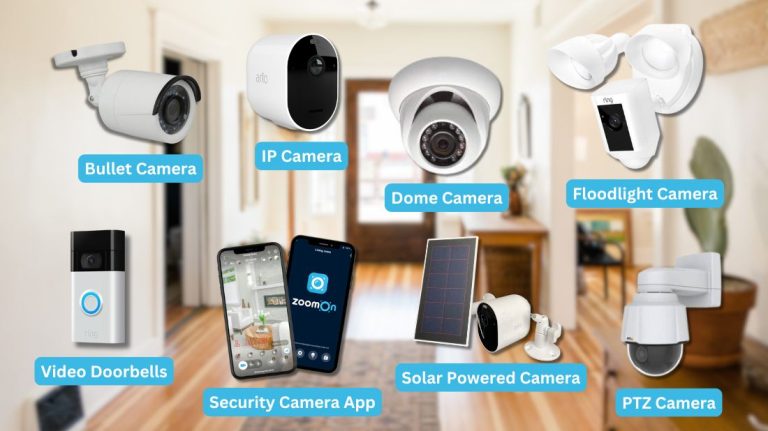
Consumer camcorders are designed for everyday users who want to record family events, vacations, or simple projects. They are easy to use, lightweight, and affordable.
Most consumer camcorders use SD cards for storage and have built-in microphones. Basic models may record in standard definition, but most modern ones shoot in high definition (HD) or even 4K. They often have features like image stabilization, face detection, and automatic focus. Examples include the Canon VIXIA HF series and Sony Handycam models.
A common mistake beginners make is ignoring battery life. Many consumer camcorders have batteries that last only 1–2 hours. It’s smart to buy an extra battery or a portable charger.
Professional Camcorders
Professional camcorders are built for filmmakers, journalists, and video professionals. They have larger sensors, better lenses, and more manual controls. This lets users adjust focus, exposure, and sound levels for high-quality results.
Professional camcorders often support 4K or even 8K video, XLR audio inputs, and interchangeable lenses. They are more robust, with durable bodies for heavy use. These models can be expensive but offer features like ND filters, high frame rates, and advanced color profiles.
Examples include the Panasonic AG series and Sony PXW series.
One thing many beginners miss: professional camcorders can be heavy and require tripods or rigs for stable shots.
Action Camcorders
Action camcorders are small, rugged cameras made for adventure. They can handle bumps, water, and extreme conditions. People use them for sports, travel, and outdoor activities.
The most famous example is the GoPro series. These cameras are often waterproof and can be mounted on helmets, bikes, or cars. They usually have wide-angle lenses and record in high definition or 4K. Action cams are great for shooting on the move, but their microphones are basic, and they may struggle in low light.
A non-obvious insight: Action camcorders usually have fixed focus, meaning everything beyond a certain distance is in focus. This is great for action but not for close-ups.
360-degree Camcorders
360-degree camcorders capture a full view of the surroundings, not just what’s in front of the lens. They use two or more lenses to record all directions at once. This footage can be watched in virtual reality (VR) or panned around on a phone or computer.
Popular models include the Insta360 ONE X2 and GoPro Max. These cameras are used for VR content, travel videos, and creative storytelling. Editing 360-degree footage takes more time and special software.
A detail many miss: Not all 360 cams are waterproof. Always check before using them in water.

Mini Or Pocket Camcorders
Mini camcorders (also called pocket camcorders) are small, lightweight, and easy to carry. They are perfect for travel, vlogging, or quick videos. Most have simple controls, built-in memory, and USB charging.
The Flip Video series was famous, but now you’ll find models from Sony, Panasonic, and DJI. Some mini cams even have built-in Wi-Fi for fast sharing. The main trade-off is image quality, especially in low light.
Tip: Pocket camcorders are handy for casual use but rarely have zoom or advanced audio options.
Cinema Camcorders
Cinema camcorders are high-end video cameras designed for movies and television. They have large sensors, record in RAW or high-quality codecs, and support professional lenses. Brands like RED, Blackmagic, and Canon Cinema EOS are popular in this space.
These cameras offer incredible detail and flexibility for color grading. They are expensive and complex, usually needing a crew to operate. Cinema camcorders are not for beginners but are essential for professional film production.
A detail beginners overlook: Cinema camcorders often do not have built-in microphones or stabilization. External accessories are a must.
Webcam Camcorders
Webcam camcorders are made for video calls and streaming. They connect directly to computers and are optimized for live video. While most webcams are built into laptops, standalone models offer better quality, low-light performance, and sometimes HD or 4K resolution.
Logitech, Razer, and Microsoft make popular webcam camcorders. They are used for online meetings, live streaming, and online teaching.
A common mistake: Some webcams have narrow fields of view. For group calls, look for models with a wide-angle lens.
Sports Camcorders
Sports camcorders are similar to action cams but focus on recording fast movement in sports like soccer, basketball, or motorsports. They may have advanced stabilization, high frame rates (for slow motion), and mounts for helmets or equipment.
Sony’s FDR-X3000 and Garmin VIRB are examples. Sports camcorders are built tough and often come with GPS for tracking speed and position.
Tip: High frame rate recording (like 120fps or 240fps) is key for capturing slow-motion action.
Broadcast Camcorders
Broadcast camcorders are used in TV studios, news stations, and live event coverage. They are large, heavy, and have the best image and sound quality. Broadcast cameras support long recording times, multiple audio channels, and fast transfer of footage.
Examples include the Sony HXC series and Panasonic AJ models. These camcorders are expensive and require training to use well. They are not for casual users.
A detail many miss: Broadcast camcorders often have complex connection ports (SDI, XLR) for live feeds.
Comparing Key Features
To help you see the differences, here’s a comparison between consumer, professional, and action camcorders.
| Feature | Consumer Camcorder | Professional Camcorder | Action Camcorder |
|---|---|---|---|
| Price Range | $200 – $600 | $1,500 – $8,000+ | $150 – $500 |
| Video Quality | HD / 4K | 4K / 8K | HD / 4K |
| Size & Weight | Light, handheld | Heavy, tripod use | Ultra-compact |
| Battery Life | 1–2 hours | 2–6 hours | 1–2 hours |
| Waterproof | No | No | Yes (most models) |
Storage Media In Camcorders
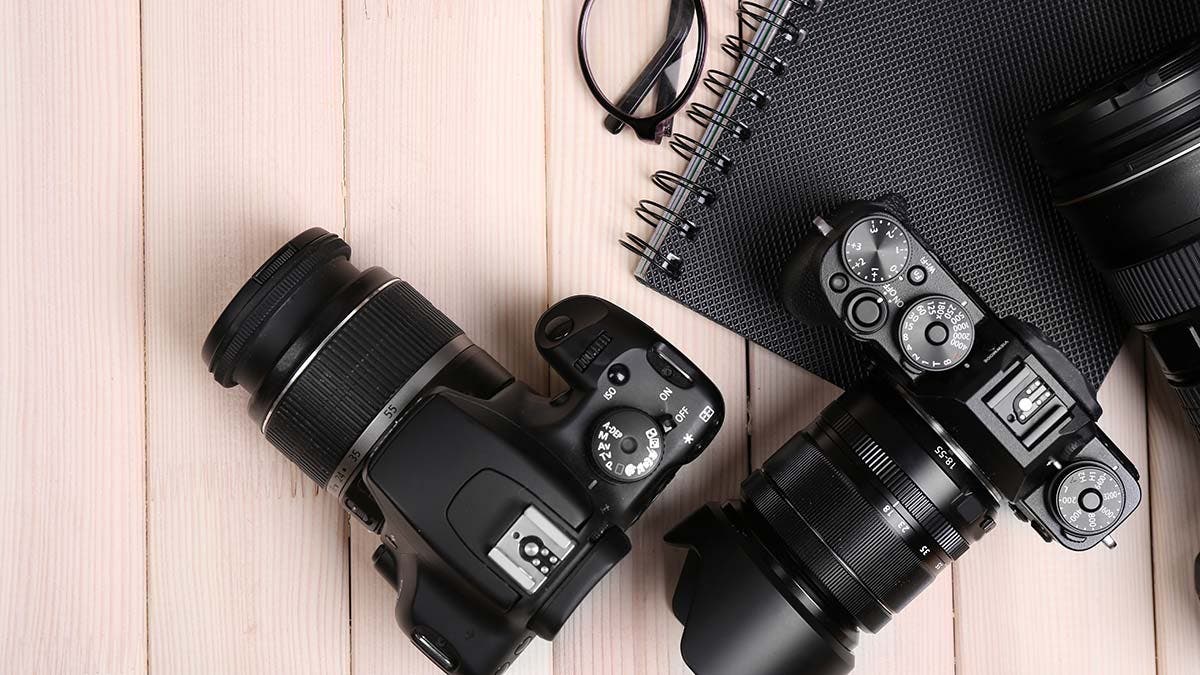
Different camcorders use different storage types. Here’s a quick look at the main options.
| Camcorder Type | Common Storage | Max Recording Time (HD) |
|---|---|---|
| Consumer | SD Card | Up to 8 hours (64GB) |
| Professional | SD, CF, SSD | Up to 12 hours (128GB+) |
| Action | MicroSD | Up to 3 hours (32GB) |
| Cinema | SSD, CFast | Up to 2 hours (256GB, RAW) |
Choosing The Right Camcorder
Selecting the best camcorder depends on your needs. Here are some factors to consider:
- Purpose – Are you filming family events, sports, or professional videos? Each type suits a different use.
- Budget – Prices range from under $100 to over $10,000. Decide what you can afford.
- Video Quality – Do you need HD, 4K, or even higher? For most home users, HD or 4K is enough.
- Portability – Will you carry it everywhere, or is size less important?
- Audio Quality – Built-in mics are fine for casual use, but serious work may need external microphones.
- Battery Life – Longer shoots need bigger batteries or spare ones.
- Special Features – Waterproofing, slow motion, or live streaming can be important for some users.
A practical tip: Try the camcorder in-store if possible. Check if the controls feel comfortable and the screen is easy to see outdoors.
Real-world Examples
- A vlogger may choose a mini camcorder or an action camera for portability and quick setup.
- A wedding videographer will want a professional camcorder for better audio and lens options.
- An athlete will use an action or sports camcorder to record training or competitions.
- A YouTuber might use a 360-degree camcorder for creative shots, or a professional camcorder for studio work.
Latest Trends In Camcorders
Camcorders are changing with technology. Some recent trends include:
- 4K and 8K recording becoming standard, even in consumer models.
- Live streaming features built into many new camcorders.
- Smaller, lighter designs without losing image quality.
- Cloud storage and Wi-Fi sharing for fast uploads.
Many people now use smartphones for casual video, but dedicated camcorders still offer better zoom, audio, and battery life for longer or more complex projects.
Common Mistakes When Buying A Camcorder
- Ignoring audio quality – Poor sound can ruin good video. Check for external mic support.
- Overlooking low-light performance – Small sensors struggle in low light, leading to noisy video.
- Choosing unnecessary features – Don’t pay extra for things you won’t use, like high-end slow motion if you only film interviews.
- Not considering accessories – Some camcorders need tripods, lights, or extra batteries.
When To Use A Camcorder Instead Of A Smartphone
While smartphones are convenient, camcorders have clear advantages for longer or more demanding video tasks. Camcorders handle heat better, allow long zoom, and have better ergonomics for handheld shooting. For professional or creative projects, a dedicated camcorder is still the best choice.
For more detailed information on camcorders, you can visit the Wikipedia Camcorder page.
Frequently Asked Questions
What Is The Difference Between A Camcorder And A Video Camera?
A camcorder is designed mainly for recording video and sound, with user-friendly features for long video sessions. A video camera may refer to any camera that records video but could be less specialized for sound, storage, or portability.
Can I Use A Camcorder For Live Streaming?
Yes, many modern camcorders have a live streaming function. Look for features like HDMI or USB output and streaming app support.
Are Camcorders Good For Youtube?
Absolutely. Many YouTubers use camcorders for better audio, zoom, and long recording times. Choose a model with good autofocus and external mic support.
How Long Can A Camcorder Record Continuously?
This depends on the camcorder and storage. Consumer models often record for 30–60 minutes per file, but professional camcorders can record for hours with enough battery and storage.
Do I Need A Tripod With My Camcorder?
For stable, shake-free video, a tripod is highly recommended, especially for professional work or long recordings.
Camcorders are still a strong choice for anyone serious about video. By understanding the different types and their features, you can pick the best tool for your next project or adventure.

