
Deer are some of the most graceful and widespread animals in forests, grasslands, and even urban areas. Their beauty and gentleness, however, make them targets for many predators. Understanding what threatens deer can help us appreciate their survival skills and the balance in nature.
While most people know about wolves and coyotes, the full list of predators is longer and more complex. Some animals hunt deer for food, while others might prey on their young or weak. In this article, you’ll discover the main predators of deer, how they hunt, and how deer defend themselves.
Major Predators Of Deer
Deer live in different environments, so their predators can change depending on location. However, a few key animals are responsible for most of the danger deer face.
Wolves
Wolves are some of the most skilled hunters of deer. They travel in packs and use teamwork to chase, tire, and capture their prey. Wolves usually target the weakest, sickest, or youngest deer because these are easier to catch. In some regions, wolves are responsible for keeping deer populations healthy by removing weak individuals.
| Predator | Hunting Method | Preferred Deer |
|---|---|---|
| Wolf | Pack chase and ambush | Young, old, sick |
Coyotes
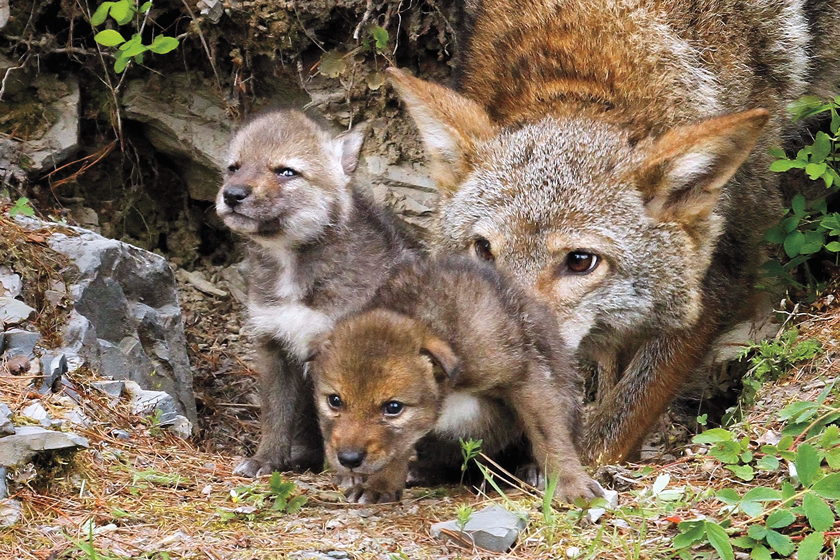
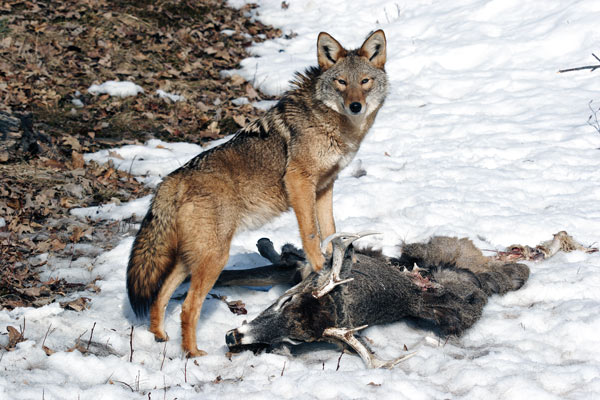
The coyote is a clever and adaptable predator. Coyotes often hunt deer fawns (young deer) in the spring and summer. Sometimes, a group of coyotes will work together to attack adult deer, especially if other food is hard to find. They use stealth, speed, and patience to get close before attacking.
Mountain Lions
Also known as cougars or pumas, mountain lions are powerful hunters. They use their strong back legs to leap and pounce on deer from behind. Mountain lions live in the Americas, especially in forests and mountains. They prefer hunting alone and usually go after medium-sized adult deer.
Bears
Black bears and brown bears will sometimes prey on deer, especially fawns. While bears mainly eat plants, fruits, and insects, they won’t miss an easy meal. If a bear finds a fawn hidden in the grass or an injured deer, it will take advantage.
Bobcats And Lynx
Bobcats and lynx are smaller wild cats found in North America and Eurasia. These predators focus on young deer or sick adults. They use their sharp claws and quick movements to surprise their prey.
Domestic Dogs
Surprisingly, domestic dogs can also be a threat. Packs of stray or feral dogs sometimes chase and kill deer for sport or food. While they are not natural predators, their presence in rural areas can be dangerous for deer populations.
Less Common Predators
Some animals only rarely prey on deer but can still be a threat in specific situations.
Foxes
Foxes are usually too small to hunt adult deer, but they will eat deer fawns if they find them alone. They are most successful during the first few weeks of a fawn’s life, when it cannot run fast.
Eagles
Large birds such as the golden eagle have been recorded attacking and killing fawns. This is rare but can happen in open areas where deer give birth.
Alligators
In the southern United States, alligators will ambush deer that come to drink at the water’s edge. They wait quietly, then lunge and drag the deer into the water.
Humans
Humans are one of the most significant predators of deer. Hunting is a major activity in many regions. Controlled hunting can help manage deer populations, but illegal poaching is a problem in some places.
| Predator | Region | Typical Target |
|---|---|---|
| Alligator | Southern US | Any deer near water |
| Golden Eagle | Open plains, mountains | Fawns |
How Predators Hunt Deer
Each predator has its own method for catching deer. Wolves and coyotes use teamwork, while mountain lions and bears rely on power and surprise. Foxes and eagles use their small size and speed to catch fawns. Alligators wait in silence for the perfect moment.
Humans use tools, strategies, and sometimes bait.
One non-obvious fact is that timing matters a lot. Most fawns are born in spring, and that’s when predators are most active. This is why many deer give birth in hidden places and leave their young alone during the day to avoid attracting attention.
Another insight is that weather and snow can change the balance. In deep snow, deer move slowly, making them easier prey for wolves and coyotes. In warmer months, deer are faster and harder to catch.
Deer Defense Strategies
Deer are not helpless. They have developed several ways to protect themselves:
- Camouflage: Fawns are born with spotted coats that help them blend into grass and leaves.
- Speed: Adult deer can run up to 30 miles per hour (about 48 km/h) to escape danger.
- Hiding: Mothers leave their fawns hidden and return only to feed them.
- Herding: Some deer stay in groups for extra safety, as more eyes can spot predators.
- Horns and Antlers: Male deer use their antlers to fight off attackers if necessary.
Deer also learn from experience. Older deer are better at spotting danger early and teaching their young how to react.
| Defense | How It Helps |
|---|---|
| Speed | Escape fast predators |
| Camouflage | Hide fawns from sight |
| Herding | Detect danger early |
Impact On Deer Populations
Predators play a key role in keeping deer numbers balanced. If there are too few predators, deer populations can grow too fast, leading to overgrazing and damage to the environment. On the other hand, too many predators can reduce deer numbers quickly.
In some areas, humans have removed big predators like wolves and cougars. This often leads to more deer, which can cause problems for forests and farms. Reintroducing predators can help restore balance, but it must be done carefully.
For more on the relationship between deer and their predators, you can visit the Wikipedia page on deer.
Frequently Asked Questions
What Is The Most Common Predator Of Deer In North America?
The most common are wolves and coyotes. In areas without wolves, coyotes and humans are the main threats.
Do Bears Hunt Adult Deer Often?
Bears mainly hunt fawns or injured deer. They rarely chase healthy adult deer because it takes too much energy.
Are Domestic Dogs A Real Danger To Deer?
Yes. Packs of domestic dogs can injure or kill deer, especially in areas near towns or farms.
Why Do Deer Fawns Have Spots?
The spots help fawns blend into their surroundings, making it harder for predators to see them.
Do Deer Have Natural Ways To Fight Back?
Deer rely more on speed and hiding than fighting. Male deer may use their antlers, but escape is usually their first choice.
Deer face many predators, from wolves and coyotes to eagles and alligators. Each has a unique hunting style, and deer have developed special skills to survive. Knowing about these predators helps us understand why deer are always alert and how important balance is in the wild.


