
Night vision goggles often seem like something from a spy movie or military action film. But in real life, these devices have saved lives, enabled night rescues, and helped countless people—from soldiers to wildlife researchers—see in the dark. What many people don’t realize is that night vision technology has changed a lot over the years. Each new generation brought better clarity, longer range, and more reliable performance. Understanding the different generations of night vision goggles is important if you want to choose the right one for your needs, whether you’re a beginner or an expert.
How Night Vision Goggles Work
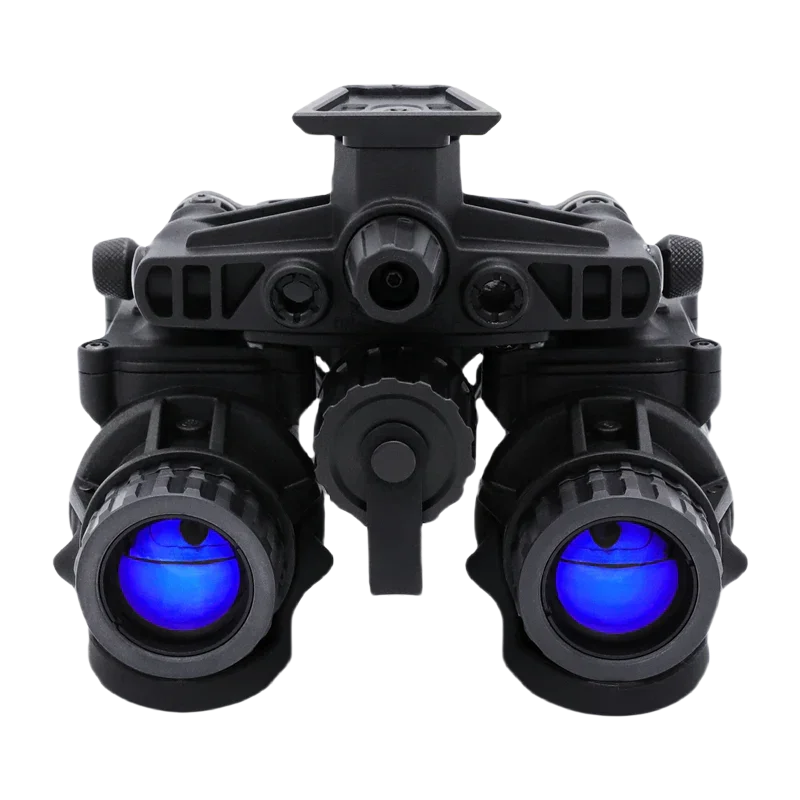
Before diving into the generations, it helps to know the basics. Night vision goggles use special technology to amplify light. Even on a dark night, there is usually some light from the moon, stars, or nearby cities. Night vision goggles collect this tiny amount of light and make it bright enough for your eyes to see. Most use image intensifier tubes, which turn invisible light into visible images. Some advanced models use thermal technology, detecting heat instead of light.
Two key things to remember:
- Night vision goggles do not work well in total darkness unless they have an infrared illuminator.
- Each generation uses different image intensifier tubes and electronics, which is why performance varies so much.
Generation 0: The Beginning
The very first night vision goggles appeared during World War II. These early devices are called Generation 0. They were developed by Germany and the United States for tanks and rifles. Generation 0 goggles used active infrared systems: a built-in infrared light shines ahead, and the goggles pick up the reflection.
Key facts about Generation 0:
- Required a large, visible infrared spotlight.
- Range was limited—usually less than 100 meters.
- The image was blurry and had poor contrast.
- The big spotlight revealed the user’s position, making it risky for soldiers.
While Generation 0 is mostly a piece of history today, it started the path for all modern night vision technology.
Generation 1: The First Major Step
Generation 1 night vision goggles came in the 1960s. They were a huge leap forward because they used passive light amplification. This means they could work with just starlight or moonlight, without needing a big infrared lamp.
Features and facts about Generation 1:
- Range improved to 75-100 meters in good conditions.
- Image was brighter and clearer than Gen 0, but still had distortion at the edges.
- Required some ambient light—total darkness was a problem.
- Bulky and heavy, often used by the military in Vietnam.
- Lifespan of the image tube was about 1,000-2,000 hours.
The biggest advantage was stealth. Generation 1 goggles did not need an infrared spotlight, so the user’s position was not easily revealed.
Common Uses For Generation 1
Today, Generation 1 night vision is found in low-cost consumer products like wildlife observation goggles or entry-level security gear. They are affordable, but not recommended for serious tactical or professional use.
Generation 2: A Quantum Leap
Generation 2 night vision goggles appeared in the 1970s and 1980s. The main improvement was the microchannel plate—a thin disk that multiplies incoming electrons, making the image much brighter and clearer.
Key improvements and features:
- Range increased to 200 meters or more.
- Images became sharper, with much less distortion.
- Performed better in low light, even on overcast nights.
- Longer tube lifespan (2,500-5,000 hours).
- More compact and lighter than Gen 1.
Generation 2 technology made night vision practical for law enforcement, professional security teams, and serious outdoor activities.
Gen 2a, 2b, 2c: Subtypes Explained
Within Generation 2, you may see labels like Gen 2A, 2B, or 2C. These subtypes mark small improvements in tube quality, clarity, and reliability. The latest subtypes reduce blooming (bright light glare) and offer better performance in mixed lighting.
Real-world Example
A police officer using Gen 2 goggles can clearly identify a person at over 150 meters, even in very dim light. For hunters or campers, these goggles make it possible to move safely at night without giving away your position.

Generation 3: The Military Standard
Most modern armies, including the U.S. military, use Generation 3 night vision goggles. This generation added a thin layer of gallium arsenide to the image tube, which greatly increased sensitivity to light.
Important features of Generation 3:
- Range can reach up to 300 meters or more in starlight.
- Superior clarity, resolution, and contrast.
- High performance in nearly total darkness.
- Tube lifespan is up to 10,000 hours or more.
- Resistant to bright light damage.
Generation 3 goggles often have automatic brightness control and manual gain features, letting users adjust to changing conditions. Some advanced models add a “filmless” or “unfilmed” tube, which increases sensitivity even further.
Why Generation 3 Is Trusted
The U.S. military trusts Gen 3 goggles for night operations because they offer a big advantage: soldiers can see clearly while remaining hidden from enemy forces. These goggles are also popular with serious hunters, rescue teams, and special law enforcement units.
Price And Availability
Generation 3 technology is expensive. The cost reflects the advanced materials and strict manufacturing standards. In many countries, export of Gen 3 goggles is restricted due to their military value.
Generation 4 And Beyond: The Debate
You may hear about Generation 4 night vision goggles. However, there is confusion about this term. The U.S. military does not officially recognize “Gen 4.” Instead, what some companies call Gen 4 is really improved Gen 3, often called “filmless” or “unfilmed” Gen 3.
Features of these advanced models:
- No ion barrier film on the tube, which increases sensitivity.
- Faster response to changing light conditions.
- Less “halo” effect around lights.
- Even better image clarity, especially in mixed or dynamic lighting.
Some experts argue that calling these devices “Generation 4” is just marketing. What matters is the performance. Unfilmed Gen 3 tubes are the most advanced image intensification devices available to civilians in most countries.
Digital Night Vision: A New Direction
Recently, digital night vision goggles have become available. These do not use image intensifier tubes. Instead, they use digital sensors—like those in cameras—that can see in very low light, sometimes with the help of infrared LEDs.
Key facts about digital night vision:
- Can record video and take photos.
- Not damaged by bright lights.
- Lower cost than Gen 2/3 devices, but with shorter range and more image noise.
- Often used for wildlife observation, security, and airsoft.
While digital night vision is improving fast, it is still behind Gen 2 and Gen 3 in terms of true low-light performance. However, it is a good option for those who want night vision on a budget or who need recording features.
Comparing Night Vision Generations
It helps to see the differences side by side. Here is a comparison of the main generations:
| Generation | Year Introduced | Effective Range | Image Quality | Tube Lifespan | Typical Users |
|---|---|---|---|---|---|
| Gen 0 | 1940s | <100 m | Poor, blurry | Hundreds of hours | Military (historic) |
| Gen 1 | 1960s | 75-100 m | Fair, some distortion | 1,000-2,000 hours | Consumers, entry-level |
| Gen 2 | 1970s-80s | Up to 200 m | Good, sharp | 2,500-5,000 hours | Police, professionals |
| Gen 3 | 1990s | 300+ m | Excellent, high contrast | 10,000+ hours | Military, elite users |
| Gen 4/Unfilmed Gen 3 | 2000s | 300+ m | Best available | 10,000+ hours | Special ops, experts |
| Digital | 2010s | Varies (usually <200 m) | Good, can record | Not applicable | Hobbyists, security |
What Generation Should You Choose?
Choosing the right night vision goggles depends on your needs and budget. Here are some practical guidelines:
- For beginners or casual users: Generation 1 or digital goggles are affordable, but expect limited range and image quality.
- For hunting, security, or law enforcement: Generation 2 offers good performance and reliability at a reasonable price.
- For military, rescue, or critical operations: Generation 3 or unfilmed Gen 3 is the gold standard, with unmatched clarity and range.
- For recording video at night: Digital night vision is the only option that records easily, but remember it struggles in very dark places.
A common mistake is to buy based only on price. Always check the real specs—especially tube quality, warranty, and user reviews. Sometimes, a high-quality Gen 2 device outperforms a low-end Gen 3.
Performance Differences In Real Life
It is easy to get lost in technical terms. But what does it feel like to use each generation in the real world? Here’s a simple scenario:
- Gen 1: You can see shapes and movement at 50-100 meters, but reading a license plate or seeing details is tough.
- Gen 2: Faces, hands, and small objects are visible at 100-200 meters. Much easier for navigation.
- Gen 3: You see crisp details, even in deep darkness. Identifying people at 300 meters is possible.
- Digital: The image is often clear in moderate darkness, but you may see more “static” or flicker in very low light.
Some beginners don’t realize that weather and moon phase affect all night vision goggles. Even the best devices struggle in heavy rain or thick fog. Another non-obvious point: military-grade goggles may require extra paperwork or permits in some countries.

Night Vision Generations Compared: Pros And Cons
To make things clearer, here’s a quick look at the main pros and cons of each generation:
| Generation | Pros | Cons |
|---|---|---|
| Gen 0 | First technology, historic value | Heavy, poor image, not stealthy |
| Gen 1 | Affordable, easy to find | Short range, image distortion |
| Gen 2 | Good clarity, mid-range price | Still needs some ambient light |
| Gen 3 | Excellent performance, long life | High cost, restricted export |
| Unfilmed Gen 3/Gen 4 | Best clarity, fast response | Very expensive, mostly for professionals |
| Digital | Can record, not damaged by light | Lower sensitivity, more image noise |
Surprising Insights For Beginners
Many first-time buyers are surprised by two things:
- Tube quality can vary even within the same generation. Not all Gen 2 or Gen 3 goggles are equal—higher-grade tubes cost more but perform better.
- Maintenance matters. Night vision tubes are sensitive. Dropping goggles, exposing them to rain, or looking at bright lights can damage them, especially with older generations.
Always store your goggles in a padded case and never turn them on in daylight.
Frequently Asked Questions
What Is The Difference Between Night Vision And Thermal Goggles?
Night vision goggles amplify available light to show images in the dark. Thermal goggles detect heat differences, so they work in total darkness and can see through smoke or light brush. Thermal devices are more expensive and often used for search and rescue.
Can I Use Night Vision Goggles During The Day?
No. Traditional night vision goggles can be damaged by bright daylight. However, digital night vision can work in daylight, but the image will look normal, not green.
Are Night Vision Goggles Legal To Own?
In most countries, Gen 1 and Gen 2 night vision are legal for civilians. Gen 3 and above may have restrictions or require permits. Always check your local laws before buying.
How Long Do Night Vision Goggles Last?
It depends on the generation and how they are used. Gen 1 tubes last around 1,500 hours, Gen 2 up to 5,000 hours, and Gen 3 over 10,000 hours. Digital devices can last even longer but may have other parts that wear out.
Where Can I Learn More About Night Vision Technology?
A good place to start is the Wikipedia page on night vision devices, which covers the history, types, and technical details.
Night vision goggles have come a long way from the heavy, glowing models of the past. Whether you want to explore the outdoors at night or need them for professional reasons, knowing the differences between generations helps you make a smart, safe choice.
Always check the details, try before you buy if possible, and enjoy seeing the night in a whole new way.

