
Opera glasses are more than just a charming accessory from another era. They connect us to a world where art, elegance, and technology meet in small, polished instruments. If you’ve ever attended a theater, ballet, or opera, you might have seen people holding these mini binoculars to their eyes. But what exactly are opera glasses, and how do they turn distant performers into clear, vivid images? Let’s explore the fascinating history, structure, and function of opera glasses, and see why they remain popular even today.
What Are Opera Glasses?
Opera glasses are small, low-powered optical devices designed for indoor performances such as operas, ballets, and plays. They help viewers see the stage more clearly from a distance without disturbing others. Unlike regular binoculars, opera glasses are typically lightweight, elegant, and easy to use.
The main features of opera glasses include:
- Low magnification (usually 2.5x to 5x)
- Wide field of view for easy tracking of performers
- Compact size for discreet use indoors
- Decorative designs that complement formal attire
Opera glasses are sometimes called theater binoculars, but the classic style is associated with the golden age of opera and grand theaters.
A Brief History Of Opera Glasses
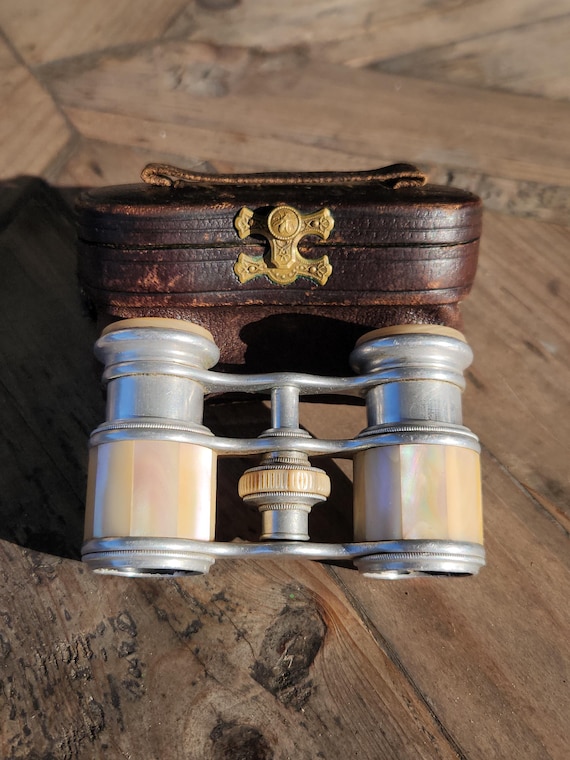
The roots of opera glasses go back to the early 19th century in France. As opera and theater became more popular, high society audiences wanted a way to see the stage better from private boxes and upper balconies. Early versions were made from brass and mother-of-pearl, combining function with luxury.
By the mid-1800s, opera glasses became a must-have accessory for theatergoers across Europe. Manufacturers improved optical quality and introduced new materials, making them more affordable. The design became so iconic that it influenced fashion and even appeared in literature and art.
Opera glasses never completely disappeared. Today, they are still used in famous venues like La Scala and the Metropolitan Opera House. Many people collect vintage opera glasses as antiques, but modern versions are popular for their practicality and style.
How Do Opera Glasses Work?
Opera glasses use simple optical technology to make distant objects look closer and clearer. The main components are:
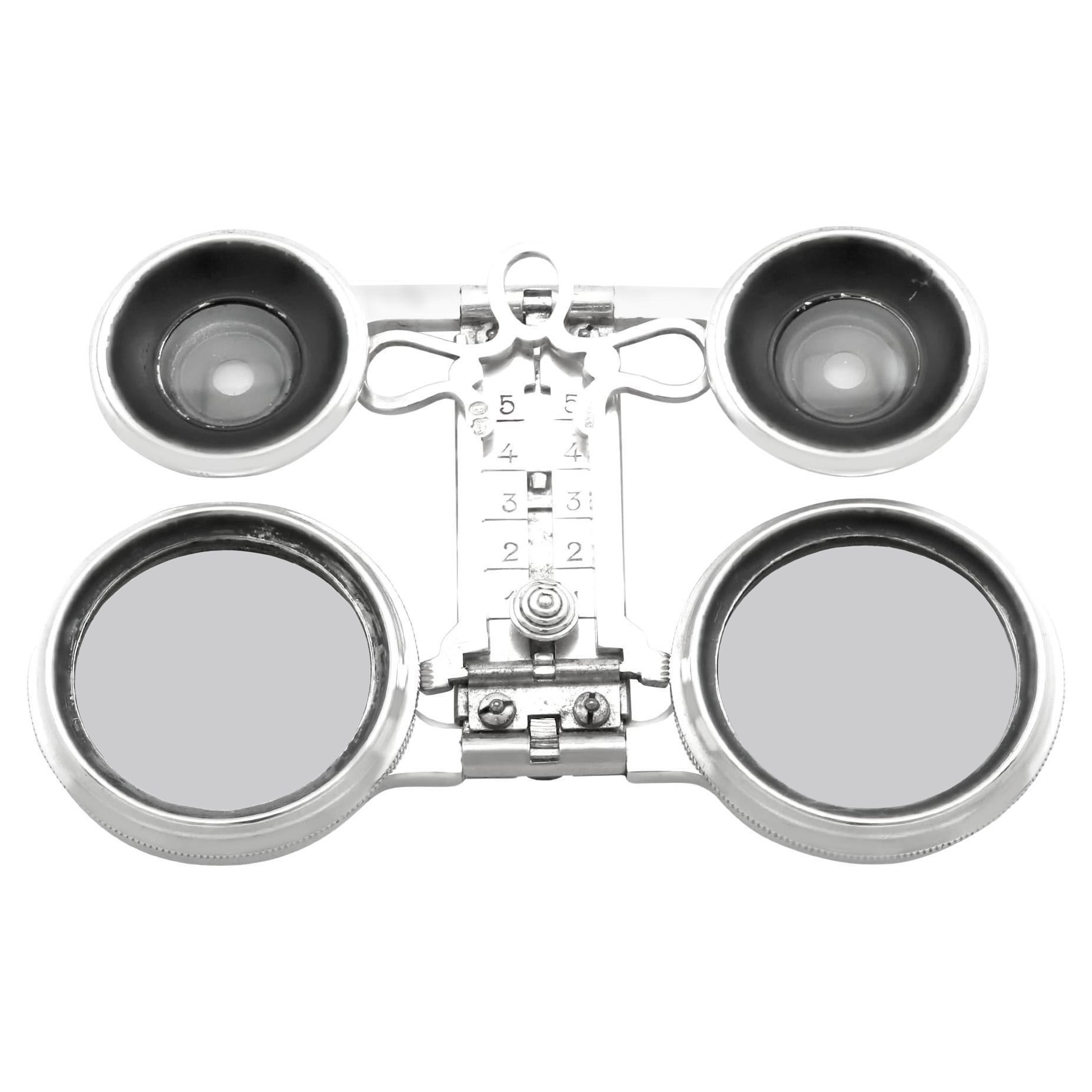
- Objective lenses: These gather light from the stage and focus it inside the glasses.
- Eyepiece lenses: These magnify the image for your eyes.
- Barrel or bridge: Holds the lenses in alignment.
- Focusing mechanism: Adjusts the sharpness of the image.
Most opera glasses use a Galilean optical system, named after Galileo Galilei. This system uses a convex lens in front (objective) and a concave lens near the eye (eyepiece). The Galilean system gives a bright image, wide view, and short length—perfect for indoor use.
The Galilean System Vs. Prism Binoculars
To understand what makes opera glasses unique, it helps to compare them with regular binoculars. Here’s a quick comparison:
| Feature | Opera Glasses (Galilean) | Prism Binoculars |
|---|---|---|
| Magnification | 2.5x – 5x | 8x – 12x |
| Optical System | Galilean | Prism (Porro/Roof) |
| Image Brightness | Very bright | Bright, but can be dimmer indoors |
| Size | Small, lightweight | Larger, heavier |
| Field of View | Wide | Medium to narrow |
| Focus Mechanism | Simple, central wheel | Central wheel and diopter |
Opera glasses are designed for quick, comfortable use at short distances. Prism binoculars are better for sports or bird watching, but can be too powerful and heavy for theaters.
Why Do People Use Opera Glasses?
There are several reasons why opera glasses remain popular:
- Enhance the viewing experience: Opera glasses let you see facial expressions, costumes, and stage details from the back rows.
- Discreet and stylish: Their size and design make them easy to carry and use without drawing attention.
- Reduce eye strain: Instead of squinting, you can relax and enjoy the performance.
- Collectible value: Antique opera glasses are treasured by collectors for their craftsmanship and history.
A less obvious reason is that opera glasses can help people with mild vision problems enjoy performances without needing prescription glasses.
Key Features To Look For
If you want to buy opera glasses, consider these important features:
- Magnification: 3x is standard. Higher magnification (4x or 5x) may show more detail, but can also reduce the field of view and brightness.
- Objective lens size: Most opera glasses have 25–30mm objective lenses, which provide a good balance of brightness and compactness.
- Focusing wheel: A smooth, central wheel lets you adjust focus quickly.
- Build quality: Look for sturdy construction, especially if you plan to use them often.
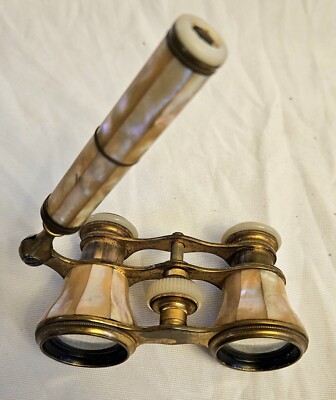
- Design: Choose a style that matches your taste—classic gold and pearl, modern black, or something unique.
- Weight: Lighter glasses are more comfortable for long performances.
Example: Comparing Two Popular Models
Here’s a side-by-side look at two common types of opera glasses:
| Model | Magnification | Objective Lens | Weight | Special Feature |
|---|---|---|---|---|
| Classic Gold & Pearl | 3x | 25mm | 180g | Elegant handle |
| Modern Compact Black | 4x | 28mm | 120g | Neck strap |
How To Use Opera Glasses Correctly
Using opera glasses is simple, but a few tips can improve your experience:
- Adjust the barrels so the eyepieces fit your eyes comfortably.
- Hold the glasses steady with both hands or use the attached handle.
- Use the focusing wheel to sharpen the image. Start with a distant object, then fine-tune for the stage.
- Don’t over-magnify. Too much power makes images shaky and reduces brightness.
- Use politely: Avoid blocking others’ view or making noise with the focusing wheel.
Common Mistakes To Avoid
- Using outdoor binoculars in the theater: They’re often too powerful, heavy, and may disturb others.
- Ignoring build quality: Cheap, plastic opera glasses can break or give blurry images.
- Focusing too often: Find your focus and relax—constant adjustments can be distracting.
Modern Uses And Trends
Opera glasses are not limited to traditional opera houses. Today, people use them for:
- Ballet performances
- Musicals and plays
- Symphony concerts
- Sports events in small stadiums
- Museum and art gallery visits
Some modern opera glasses even have LED lights for reading programs in the dark. There are also foldable, pocket-sized models for those who want something very discreet.
A notable trend is the use of eco-friendly materials and coatings, making modern opera glasses both stylish and sustainable.
Caring For Your Opera Glasses
To keep your opera glasses in top condition:
- Store them in a soft case to prevent scratches and dust.
- Clean lenses with a microfiber cloth—never use paper or your sleeve.
- Avoid dropping or squeezing the glasses; delicate mechanisms can misalign easily.
- Check the focus regularly if you haven’t used them in a while.
Proper care can make a set of opera glasses last for decades, and vintage models often become family heirlooms.
Opera Glasses Vs. Other Viewing Devices
You might wonder how opera glasses compare to other devices like monoculars or field glasses. Here’s a comparison for clarity:
| Device | Best For | Magnification | Portability | Style |
|---|---|---|---|---|
| Opera Glasses | Theater, indoor performances | 2.5x – 5x | Very high | Elegant |
| Monocular | Outdoor, quick viewing | 6x – 10x | High | Functional |
| Field Glasses | Sports, birdwatching | 8x – 12x | Medium | Rugged |
Opera glasses win in style, comfort, and suitability for indoor use, while others are better for outdoor activities.
Non-obvious Insights About Opera Glasses
Many people overlook some unique aspects of opera glasses:
- They can help with mild vision issues: Older adults or those with early presbyopia (trouble focusing up close) often find opera glasses make the stage much clearer, even if they don’t wear prescription glasses.
- They preserve the theater experience: Unlike cameras or smartphones, opera glasses let you enjoy the show without distractions or bright screens that annoy others.
- Customization is possible: Some manufacturers offer personalized engraving or custom color combinations, making opera glasses a special gift or keepsake.
Frequently Asked Questions
What Is The Difference Between Opera Glasses And Regular Binoculars?
Opera glasses have lower magnification (usually 3x) and use a Galilean optical system, making them smaller and lighter. Regular binoculars have higher magnification (8x or more) and are larger, which can be uncomfortable in theaters.
Are Opera Glasses Still Used Today?
Yes, opera glasses are still popular in major opera houses and theaters. Many people use modern versions for concerts, ballets, and plays because they enhance the viewing experience without disturbing others.
Can I Use Opera Glasses If I Wear Eyeglasses?
Most opera glasses are designed for comfort, but not all have enough eye relief for eyeglass wearers. Some models allow you to fold down the eyecups. Try before you buy, or look for models made for glasses.
How Much Do Opera Glasses Cost?
Prices range from $20 for basic models to several hundred dollars for luxury or antique versions. Most good-quality modern opera glasses cost between $30 and $80.
Where Can I Learn More About The History Of Opera Glasses?
For a deeper dive into their history and technical details, you can visit the Wikipedia Opera Glasses page.
Opera glasses are a small but fascinating part of theater culture. They blend history, art, and science in a way that makes every performance more memorable. Whether you’re a regular theatergoer or just curious about their unique charm, opera glasses offer a window into a world where every detail matters.
Next time you’re at the opera or theater, consider bringing a pair—and see the show with new eyes.

