
Night vision goggles have always seemed like something from action movies or spy stories. But today, they are real tools used by soldiers, wildlife observers, security guards, and even outdoor adventurers. These fascinating devices allow people to see in the dark, making night as clear as day. But what exactly are night vision goggles, and how do they turn pitch-black scenes into visible images? This guide will explore their history, working principles, types, uses, and key facts that most people miss when looking at night vision technology.
What Are Night Vision Goggles?
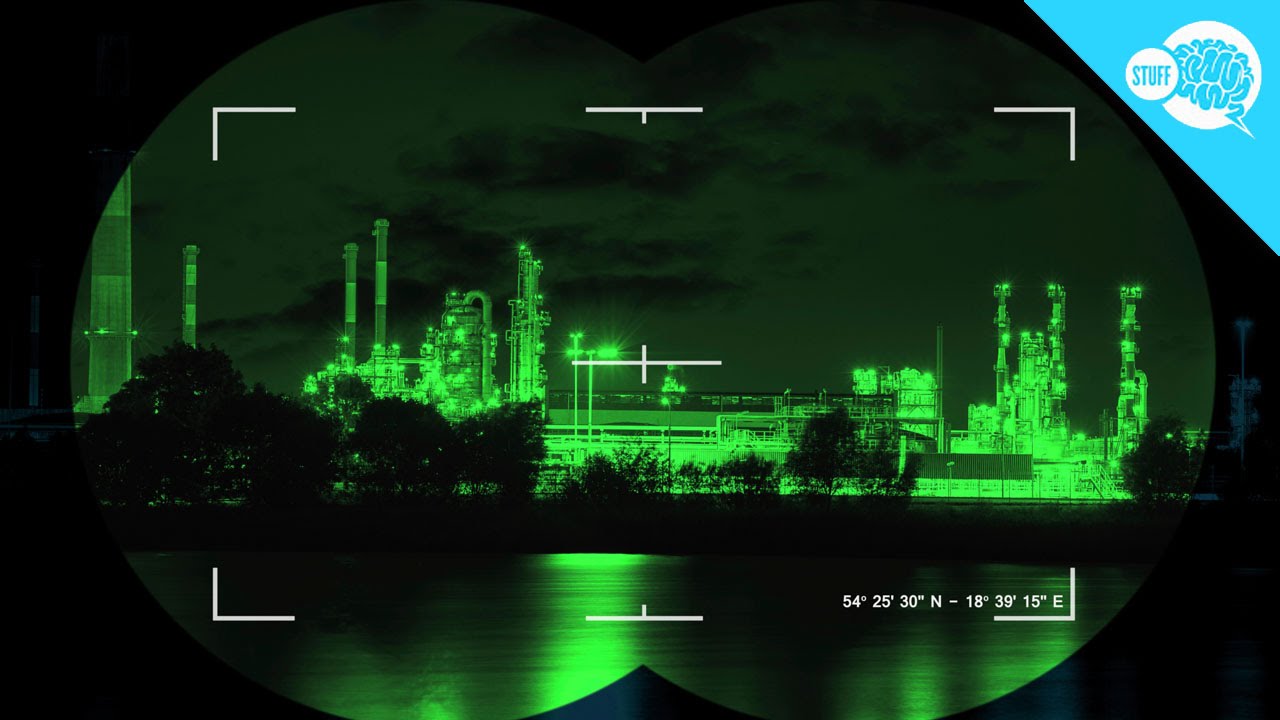
Night vision goggles, often called NVGs, are optical devices that let users see in low-light or no-light conditions. They do not create their own light. Instead, they amplify the small amount of light in the environment—like moonlight or starlight—so that objects become visible. Most models fit over the eyes like a pair of large glasses or are attached to helmets.
These goggles are different from regular binoculars or cameras. They are built with special technology to enhance visibility in darkness. Law enforcement, military, and rescue teams use them for surveillance, navigation, and search operations at night. Many outdoor enthusiasts also use night vision for hiking, hunting, or camping in the wild.
A Short History Of Night Vision
The first night vision devices were created during World War II by German and Allied scientists. Early models were bulky and required large power sources, making them hard to use. By the Vietnam War, the United States military had developed lighter, more practical versions.
There are now several generations of night vision technology, each better than the last. The improvements include clearer images, smaller size, and better performance in very dark conditions.

How Night Vision Goggles Work
Night vision goggles use two main technologies: image intensification and thermal imaging. Both help users see in the dark, but they work in different ways.
Image Intensification
This is the most common method. Here’s how it works:
- Collecting light: Even at night, there is some ambient light from the moon, stars, or distant artificial lights. NVGs collect this light, which is usually not enough for human eyes.
- Photocathode conversion: The collected light enters a part called the photocathode. This device changes photons (light particles) into electrons (tiny, charged particles).
- Electron acceleration: The electrons are sped up inside the goggle’s tube and hit a special screen coated with phosphor.
- Visible image creation: When electrons hit the phosphor screen, they create tiny flashes of light. This process builds up an image that is much brighter than the original scene.
- Green display: The final image is green because the human eye can see more shades of green, making details clearer at night.
Thermal Imaging
Some night vision goggles use thermal imaging instead of image intensification. This method detects infrared radiation (heat) instead of light.
- Sensing heat: All objects give off heat, even in total darkness. Thermal sensors in the goggles pick up this heat.
- Creating an image: The sensors turn heat differences into a visible picture. Hotter objects appear brighter than cooler ones.
- No need for light: Because thermal imaging uses heat instead of visible light, it works even in complete darkness, fog, or smoke.
Key Components Of Night Vision Goggles
Every night vision goggle has a few essential parts:
- Objective lens: Collects light or infrared radiation from the environment.
- Image intensifier tube or thermal sensor: The heart of the device; amplifies light or detects heat.
- Eyepiece: Focuses the final brightened image for the user’s eyes.
- Power supply: Usually small batteries; older models used larger packs.
- Housing: Protects the electronics and keeps out dust and moisture.
Different Types Of Night Vision Goggles
Night vision goggles are divided into types or “generations,” based on the technology used. Each generation offers different benefits and drawbacks.
Generation 0
- First used in WWII.
- Required infrared light sources.
- Large and heavy.
- Limited range and image quality.
Generation 1
- Developed in the 1960s.
- Used ambient light, but still needed some infrared.
- Clearer images than Gen 0.
- Short range (about 75 yards).
- Affordable, but with some distortion and less durability.
Generation 2
- Introduced in the 1970s.
- Added a microchannel plate for stronger image amplification.
- Brighter, clearer images.
- Works in lower light conditions.
- Range up to 200 yards.
- More expensive, used by military and police.
Generation 3
- Released in the 1990s.
- Used gallium arsenide photocathodes for better sensitivity.
- Excellent performance in very dark environments.
- Long range (300 yards or more).
- Standard for modern military and professional users.
- Expensive and regulated in some countries.
Generation 4 (sometimes Called “filmless” Or “auto-gated”)
- Latest and most advanced.
- Removes old film layer for sharper images.
- Handles bright lights better; less “blooming.”
- Long life and excellent clarity.
- The highest price, often only for military or law enforcement.
Digital Night Vision
- Uses digital sensors, similar to smartphone cameras.
- Can record video or take photos.
- Works in both day and night.
- Less expensive than Gen 2/3, but sometimes lower image quality at night.
Thermal Night Vision
- Works in total darkness, fog, or smoke.
- Shows heat signatures, not just visible light.
- Useful for finding people or animals hidden by obstacles.
- More expensive but valuable for search and rescue or hunting.
Comparing Night Vision Technologies
To make sense of the differences, look at the basic features of each generation:
| Generation | Image Clarity | Range | Price | Main Use |
|---|---|---|---|---|
| Gen 1 | Basic | Short (up to 75 yards) | Low | Recreational |
| Gen 2 | Good | Medium (up to 200 yards) | Medium | Professional, Security |
| Gen 3 | Excellent | Long (300+ yards) | High | Military, Police |
| Gen 4 | Outstanding | Very Long | Very High | Elite Military |
| Digital | Varies | Short-Medium | Low-Medium | Day/Night Use |
| Thermal | Very Good | Medium-Long | High | Search & Rescue, Hunting |
Key Uses Of Night Vision Goggles
Night vision goggles are used in many fields. The most common uses include:
Military And Law Enforcement
Night vision technology gives soldiers and police a huge advantage in darkness. They use it for:
- Night patrols and surveillance
- Target detection and identification
- Navigation in unfamiliar areas
- Search and rescue operations
Security And Surveillance
Many security teams use NVGs for:
- Monitoring large properties
- Detecting intruders at night
- Supporting border patrols
Wildlife Observation And Hunting
Nature lovers and hunters benefit from night vision by:
- Watching nocturnal animals without disturbing them
- Tracking game at night
- Navigating safely through forests
Outdoor Adventures
Campers, hikers, and explorers use night vision goggles for:
- Safe movement in dark environments
- Finding campsites or trails
- Emergency signaling
Search And Rescue
First responders can find lost people, even in low visibility, by:
- Spotting heat signatures with thermal NVGs
- Searching in thick forests, smoke, or caves
What Most People Miss About Night Vision Goggles
Many believe that all night vision goggles are the same, but there are subtle differences that can make a big impact.
- Not all night vision works in total darkness. Only thermal night vision or those with built-in infrared illuminators can see with zero light. Most rely on at least some ambient light.
- Green images are not always better. Green screens help the human eye see detail, but digital or thermal models may display in black and white or color, depending on the technology.
- “Blooming” can block vision. Sudden bright lights (like car headlights) can overwhelm older NVGs, making them temporarily useless. Newer models have “auto-gating” to fix this.
- Battery life matters. High-tech goggles can drain batteries quickly, especially thermal models. Always check power ratings before long trips.
- Legal restrictions exist. In some countries, owning or exporting high-generation night vision goggles is restricted. Always check local regulations before buying or traveling with NVGs.
Choosing The Right Night Vision Goggles
Picking the right pair depends on your needs, budget, and experience level. Here are the main factors to consider:
- Purpose: Do you need them for hiking, hunting, security, or professional use?
- Generation: Higher generations offer better images but cost more.
- Range: How far do you need to see at night? Check the model’s stated range.
- Weight and Comfort: Heavier goggles can cause neck fatigue during long use.
- Battery Life: Longer battery life means less worry in the field.
- Weatherproofing: Will you use them in rain, snow, or extreme environments?
- Legal Rules: Some advanced models require special permits.
Here’s a simple comparison of popular types for outdoor users:
| Type | Pros | Cons | Best For |
|---|---|---|---|
| Gen 1 | Affordable, easy to find | Short range, lower clarity | Beginner hikers, campers |
| Gen 2 | Better clarity, longer range | More expensive | Serious outdoor users, security |
| Digital | Records video, day/night use | Battery drains fast, less detail at night | Wildlife watchers, vloggers |
| Thermal | Works in total darkness, finds heat | Very expensive, no color detail | Search & rescue, hunters |
Common Mistakes When Using Night Vision Goggles
Even experienced users make errors with night vision gear:
- Pointing at bright lights: This can damage sensitive tubes, especially in older models.
- Ignoring focus: Many goggles have adjustable lenses. Blurry images are often due to poor focusing.
- Forgetting spare batteries: Cold weather or long use can drain power fast.
- Using in rain or fog without protection: Some models aren’t fully waterproof and may fog up inside.
- Expecting perfect vision: Night vision is not like daylight. There may be grainy images, limited depth, or “halo” effects.
Caring For Your Night Vision Goggles
To keep your NVGs working well:
- Store in a dry, padded case: Moisture and dust can damage them.
- Clean lenses gently: Use a soft cloth, never paper or rough fabric.
- Check batteries regularly: Remove them if storing for a long time.
- Avoid dropping or banging: Sensitive parts inside can break easily.
Advances And The Future Of Night Vision
Night vision technology continues to improve. Newer models are lighter, more durable, and work better in tough conditions. Some now connect to smartphones, show digital maps, or overlay information (augmented reality). Thermal and digital sensors are also becoming cheaper, making night vision available to more people than ever before.
For deeper technical details, the Wikipedia page on night vision devices offers a comprehensive resource.
Frequently Asked Questions
What Is The Main Difference Between Night Vision And Thermal Goggles?
Night vision goggles amplify visible light to create an image, while thermal goggles detect heat. Night vision needs some light to work, but thermal goggles can “see” in total darkness, fog, or smoke by showing heat signatures.
Can You Use Night Vision Goggles During The Day?
Most night vision goggles are damaged by bright sunlight and should not be used in the day. Digital night vision models are safe for day use, but always check the manufacturer’s instructions.
How Far Can You See With Night Vision Goggles?
The range depends on the generation and model. Gen 1 goggles see up to 75 yards, Gen 2 up to 200 yards, and Gen 3 or 4 can reach 300 yards or more. Thermal goggles’ range depends on the temperature difference between objects.
Are Night Vision Goggles Legal For Civilians?
In many countries, basic night vision is legal to own. However, advanced Gen 3/4 or thermal models may be restricted or require permits. Always check local laws before buying or traveling with NVGs.
Do Night Vision Goggles Work In Complete Darkness?
Most night vision goggles need at least a little light. Only thermal goggles or those with built-in infrared illuminators work in total darkness or inside caves.
Night vision goggles have changed the way we see the world at night. Whether for safety, adventure, or work, choosing the right model and understanding how they work can make all the difference in low-light situations. With technology improving every year, the night is no longer a barrier to clear vision and safe movement.


