
Luxury opera glasses are more than just tools for viewing performances—they are symbols of style, elegance, and history. When you see someone raise a pair of beautiful opera glasses at a grand theater, you know they care about both the spectacle and the tradition.
But what exactly are luxury opera glasses, and why do people invest in them? Let’s explore their origins, design, and why they remain popular in today’s high-culture events.
What Are Luxury Opera Glasses?
Opera glasses are small, often ornate binoculars designed for indoor theater use. Their main purpose is to help audience members see details of the stage, costumes, and actors’ expressions from a distance. Luxury opera glasses take this concept further, blending fine materials, unique craftsmanship, and sometimes even historical value. They are not only practical but also serve as personal accessories, much like a fine watch or a designer handbag.
Unlike standard binoculars, luxury opera glasses are compact, light, and made to fit discreetly in a purse or pocket. They typically offer a magnification of 2. 5x to 4x—enough to bring the stage closer without making the field of view too narrow.
The History Of Opera Glasses
Opera glasses have a long and fascinating history. Their origins trace back to the 18th century, when opera and theater became popular forms of entertainment in Europe. At that time, attending the opera was as much about socializing and displaying wealth as it was about music.
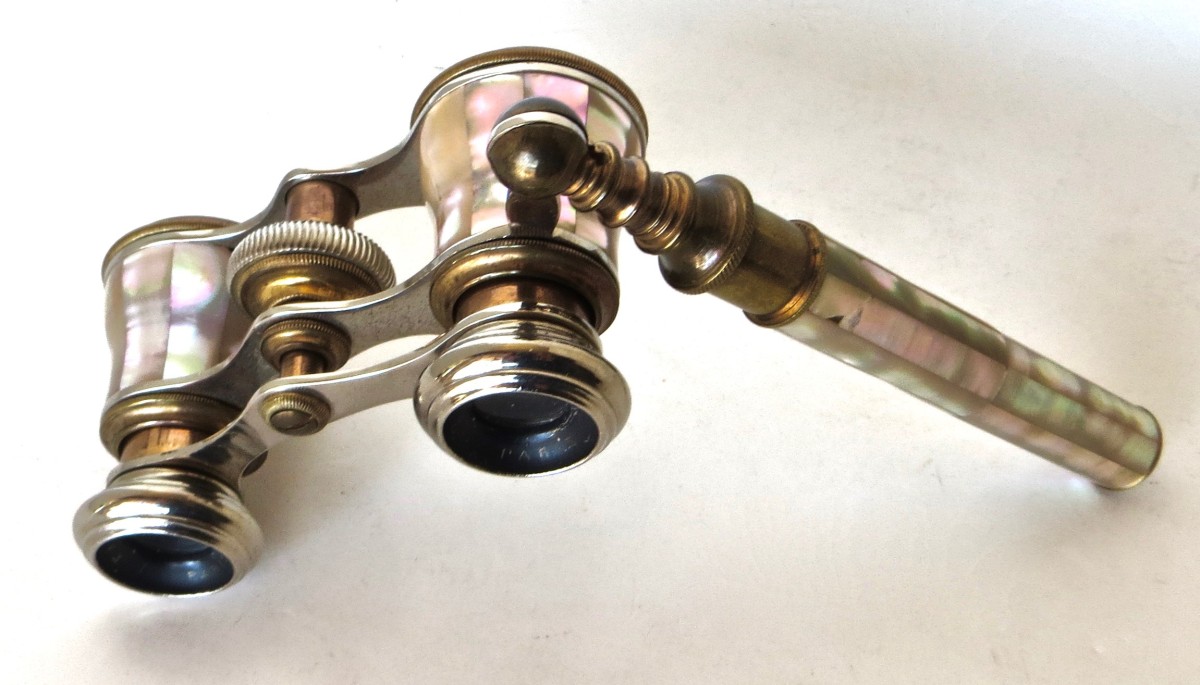
The first opera glasses were simple, single-lens devices called lorgnettes. Over time, they evolved into double-lens binoculars, often decorated with gold, silver, enamel, or mother-of-pearl. By the 19th century, luxury opera glasses became a must-have accessory for well-dressed theatergoers.
Some famous examples were produced by French makers like LeMaire and Colmont. Their designs featured intricate engravings and artistic flourishes. Even today, collectors hunt for vintage opera glasses from these brands at auctions and antique shops.
Key Features Of Luxury Opera Glasses
When we talk about luxury opera glasses, we refer to more than just their function. Several features set them apart:
- Premium Materials: High-end opera glasses are often crafted with gold plating, silver, enamel, mother-of-pearl, or even gemstones. These materials make each pair feel unique and valuable.
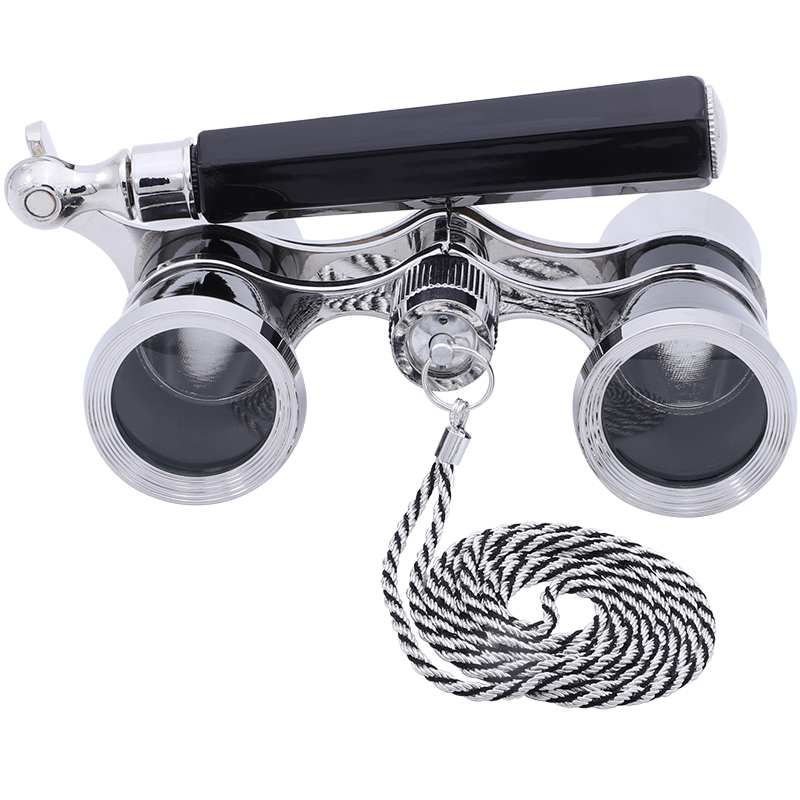
- Elegant Design: Luxury models often feature decorative patterns, hand-engraved details, or artistic motifs. Some have handles or chains for easy carrying.
- Optical Quality: Despite their small size, top opera glasses use quality lenses and prisms to provide a clear, bright image.
- Compactness: They are designed to be lightweight and easy to carry, fitting comfortably in a purse or pocket.
- Brand Heritage: Many luxury opera glasses come from historic brands known for their craftsmanship and style.
- Customization: Some high-end models offer personalization, such as initials or custom engravings.
Here’s a comparison of typical materials used in standard versus luxury opera glasses:
| Feature | Standard Opera Glasses | Luxury Opera Glasses |
|---|---|---|
| Materials | Plastic, basic metal | Gold, silver, mother-of-pearl, enamel |
| Design | Simple, functional | Ornate, artistic |
| Optics | Basic lenses | High-quality glass |
| Weight | Light | Light to medium |
Why Do People Buy Luxury Opera Glasses?
Luxury opera glasses are not just about seeing better—they are about being seen. Here are some reasons why people invest in these elegant accessories:
- Status Symbol: Carrying luxury opera glasses at a performance shows an appreciation for tradition and fine things.
- Aesthetic Value: Their beauty often matches or complements evening wear, adding a touch of sophistication.
- Heirloom Potential: Many are passed down through generations, becoming family treasures.
- Unique Gift: They make memorable gifts for anniversaries, birthdays, or special milestones.
It’s not just about the opera, either. People bring them to ballet, theater, and even royal ceremonies.

How Do Luxury Opera Glasses Work?
Opera glasses use two small telescopes aligned side-by-side. When you look through them, the lenses magnify the stage, making faraway details appear closer. Most luxury opera glasses use Galilean optics, which means they have a convex (outward-curved) lens in front and a concave (inward-curved) lens near the eye. This setup is simple, light, and gives a wide field of view—ideal for indoor theaters.
Magnification is usually between 2. 5x and 4x. Too much magnification would narrow the view and make it harder to follow the action on stage.
Many luxury models come with a central focusing wheel, letting you adjust for sharpness. Some rare vintage types have individual focus for each eye.
Modern Luxury Opera Glasses: What Sets Them Apart
While vintage opera glasses are prized for their history, modern luxury models combine tradition with new technology. Today’s top brands use multi-coated lenses for clearer images, lightweight metals for comfort, and even LED lights for reading programs in the dark.
Here’s a look at how traditional and modern luxury opera glasses compare:
| Aspect | Traditional Luxury Glasses | Modern Luxury Glasses |
|---|---|---|
| Materials | Gold, silver, mother-of-pearl | Aluminum, titanium, high-grade plastics |
| Optics | Single-coated lenses | Multi-coated, anti-reflective lenses |
| Extras | Decorative cases, chains | LED lights, ergonomic grips |
| Weight | Medium to heavy | Lightweight |
Modern luxury glasses may look simple on the outside, but the optical performance is often superior to antiques.
Choosing The Right Luxury Opera Glasses
Selecting luxury opera glasses is a personal decision. Here are important factors to consider:
- Magnification: Most experts recommend 3x for opera and theater. It’s enough to see faces clearly, but not so much that you lose track of the scene.
- Field of View: A wider field of view lets you see more of the stage at once, which is helpful for following action in large productions.
- Weight and Size: If you attend events often, choose a lightweight pair that’s easy to carry.
- Build Quality: Look for sturdy construction, smooth focusing mechanisms, and quality hinges.
- Style: Do you prefer classic or modern? Ornate or simple? Choose one that matches your taste and wardrobe.
- Brand Reputation: Trusted brands like LeMaire, Colmont, and even Swarovski have a long history of quality.
- Accessories: Some luxury models come with silk pouches, hard cases, or matching chains.
- Price: Prices range from a few hundred to several thousand dollars. Higher prices often reflect rare materials, brand history, or limited editions.
Common Mistakes When Buying Luxury Opera Glasses
Even experienced buyers can make errors. Here are some common mistakes to avoid:
- Choosing too much magnification: Over 4x can make the image shaky and hard to follow.
- Ignoring optical quality: Some beautiful vintage models have poor lenses. Always check clarity before buying.
- Forgetting comfort: Heavy or awkward designs can make long performances tiring.
- Not considering event type: Some venues have very dim lighting or special seating layouts. Test your glasses in similar conditions if possible.
- Assuming age equals value: Just because opera glasses are old doesn’t mean they are valuable. Condition, maker, and materials matter more.
Caring For Luxury Opera Glasses
Proper care keeps your glasses beautiful and functional for years. Here’s what to do:
- Clean lenses with a soft cloth only. Avoid tissue or your shirt, which can scratch glass.
- Store in a padded case when not in use to avoid scratches and dents.
- Avoid moisture and heat. Luxury materials like mother-of-pearl or enamel can be damaged by water and temperature changes.
- Check moving parts like the focus wheel and hinges regularly. If they get stiff, consult a professional rather than forcing them.
- If antique, avoid DIY repairs. Vintage opera glasses are best serviced by specialists.
Notable Brands And Makers
The world of luxury opera glasses includes both historic and modern names. Some of the most respected brands are:
- LeMaire (France): Famous for 19th-century designs, often with mother-of-pearl and fine engraving.
- Colmont (France): Known for artistic, collectible pieces.
- Swarovski (Austria): Their modern opera glasses combine style with excellent optics.
- Cartier (France): Occasionally produces limited-edition, jewel-encrusted opera glasses.
Collectors often look for original cases, maker’s marks, and unique designs that signal a genuine luxury item.
The Experience Of Using Luxury Opera Glasses
Using luxury opera glasses is more than just looking closer—it’s about enhancing the theater experience. Imagine sitting in a grand hall, the lights dimming, and raising a pair of beautifully crafted opera glasses to your eyes. You see the details of costumes, the movement of hands, even the emotion on a singer’s face.
This connection to the performance is something regular binoculars can’t provide.
There’s also a social element. Opera glasses are conversation starters. People may ask about your pair, especially if it’s a rare or striking design. For some, they become lucky charms or even part of their identity as regular theatergoers.
Luxury Opera Glasses As Collectibles
Collectors value luxury opera glasses for their history, beauty, and craftsmanship. Some focus on certain makers or periods, while others look for unique features like enamel paintings or jeweled handles.
Prices vary greatly. A simple vintage pair might sell for $100, while a rare, gemstone-studded model could cost over $10,000. Provenance, condition, and originality all affect value.
Here’s a quick comparison of collectible factors:
| Factor | High Value | Low Value |
|---|---|---|
| Maker | LeMaire, Colmont, Cartier | Unknown or mass-produced |
| Condition | Pristine, original parts | Damaged, missing pieces |
| Material | Gold, mother-of-pearl, enamel | Plain brass, plastic |
| Design | Artistic, unique | Plain, generic |
Collectors should research carefully and, when in doubt, consult auction records or expert opinions.
Where To Buy Luxury Opera Glasses
You can find luxury opera glasses in several places:
- Antique shops: Often carry vintage pairs, but check for authenticity and condition.
- Specialist auction houses: Sell rare and collectible items.
- High-end optical stores: Some still stock modern luxury opera glasses.
- Online: Sites like eBay, 1stdibs, and Christie’s list both old and new models.
When buying online, always request clear photos and information about the maker, condition, and materials.
For more about the history and technical details of opera glasses, see this Wikipedia article.
Frequently Asked Questions
What Is The Typical Magnification For Luxury Opera Glasses?
Most luxury opera glasses offer 3x magnification. This is enough to see performers’ faces and costumes clearly without narrowing your field of view too much. Some models range from 2. 5x to 4x, but higher magnification is rare and not recommended for indoor performances.
Are Luxury Opera Glasses Suitable For Outdoor Events?
Luxury opera glasses are designed for indoor settings like theaters and operas. Their lower magnification and wide field of view are perfect for these spaces. For outdoor events such as sports, a standard pair of field binoculars with higher magnification is better.
How Can I Tell If My Opera Glasses Are Valuable?
Look for signs of quality: fine materials (like gold or mother-of-pearl), maker’s marks, and artistic design. Brands like LeMaire or Colmont add value. Condition is also important—scratches, dents, or missing pieces reduce worth. If unsure, consult a specialist or auction house.
Can I Wear Glasses While Using Opera Glasses?
Many luxury opera glasses have enough eye relief for people who wear spectacles. However, models with very short barrels may be uncomfortable. It’s best to test the glasses before buying, especially if you need to keep your prescription glasses on during a performance.
What Is The Best Way To Clean Luxury Opera Glasses?
Clean the lenses with a microfiber cloth, avoiding tissue or rough fabrics. For the body, use a soft, dry cloth. Never use water or cleaning solutions on delicate materials like enamel or mother-of-pearl. If your glasses are antique, consult a professional for any repairs or deep cleaning.
Luxury opera glasses are a blend of function, art, and tradition. Whether you’re a collector, a frequent theatergoer, or searching for a unique gift, they offer a special way to enjoy the magic of live performance. If you choose wisely and care for them well, they can be cherished for generations.

