
Many people find joy in watching birds visit their gardens or yards. These birds, often called backyard birds, bring color, song, and life to outdoor spaces. But what exactly are backyard birds? Why do some birds prefer to live near people, and how do you attract or support them? Knowing these answers can turn any backyard into a lively place full of nature’s surprises.
Backyard birds are more than just feathered visitors. They are a sign of a healthy environment, and understanding them can help you feel more connected to the nature around you. Whether you are a beginner or someone curious about the birds outside your window, this guide will help you get to know backyard birds, recognize popular species, and learn what makes these birds so special.
What Are Backyard Birds?
Backyard birds are the species commonly seen in residential areas, parks, and gardens. These birds are comfortable living near humans and often use the resources people provide, like food, water, and shelter. Unlike rare or shy wild birds, backyard birds adapt easily to human presence.
The most common backyard birds include sparrows, robins, blue jays, and finches. Some species visit feeders and baths daily, while others nest in trees or shrubs nearby. Backyard birds can be found in cities, suburbs, and rural areas—any place where people and green spaces mix.
Two important insights about backyard birds are:
- Not every bird you see in your yard is technically a backyard bird. Some may be just passing through during migration, while others stay all year.
- The list of backyard birds changes depending on your location, climate, and the types of plants and feeders you provide.
Why Do Birds Choose Backyards?
Birds are attracted to backyards for several reasons. The main reasons include access to food, water, shelter, and safety from predators.
Food Sources
Many backyards offer easy food. Bird feeders supply seeds, nuts, and suet. Flowering plants attract insects and produce nectar for hummingbirds. Fruit trees provide another food option. Because of these resources, backyards often become reliable spots for birds to feed, especially in winter when natural food is scarce.
Water And Bathing
Birds need water to drink and clean their feathers. Birdbaths, fountains, or shallow dishes of water can attract many species. Clean water is especially important in dry or hot areas, where natural water is limited.
Shelter And Nesting Sites
Trees, shrubs, and birdhouses give birds places to rest, hide, and build nests. Dense bushes protect birds from cats and hawks, while nest boxes help cavity-nesting species like bluebirds and wrens. Even a pile of brush can be valuable shelter.
Safety And Reduced Threats
Some birds feel safer in backyards because there are fewer wild predators. However, outdoor cats and large windows can still be dangerous. Birds often test a new area for threats before returning regularly.
Common Types Of Backyard Birds
Different regions have different common species. However, some birds are found in many backyards across North America, Europe, and other continents. Here are a few favorites:
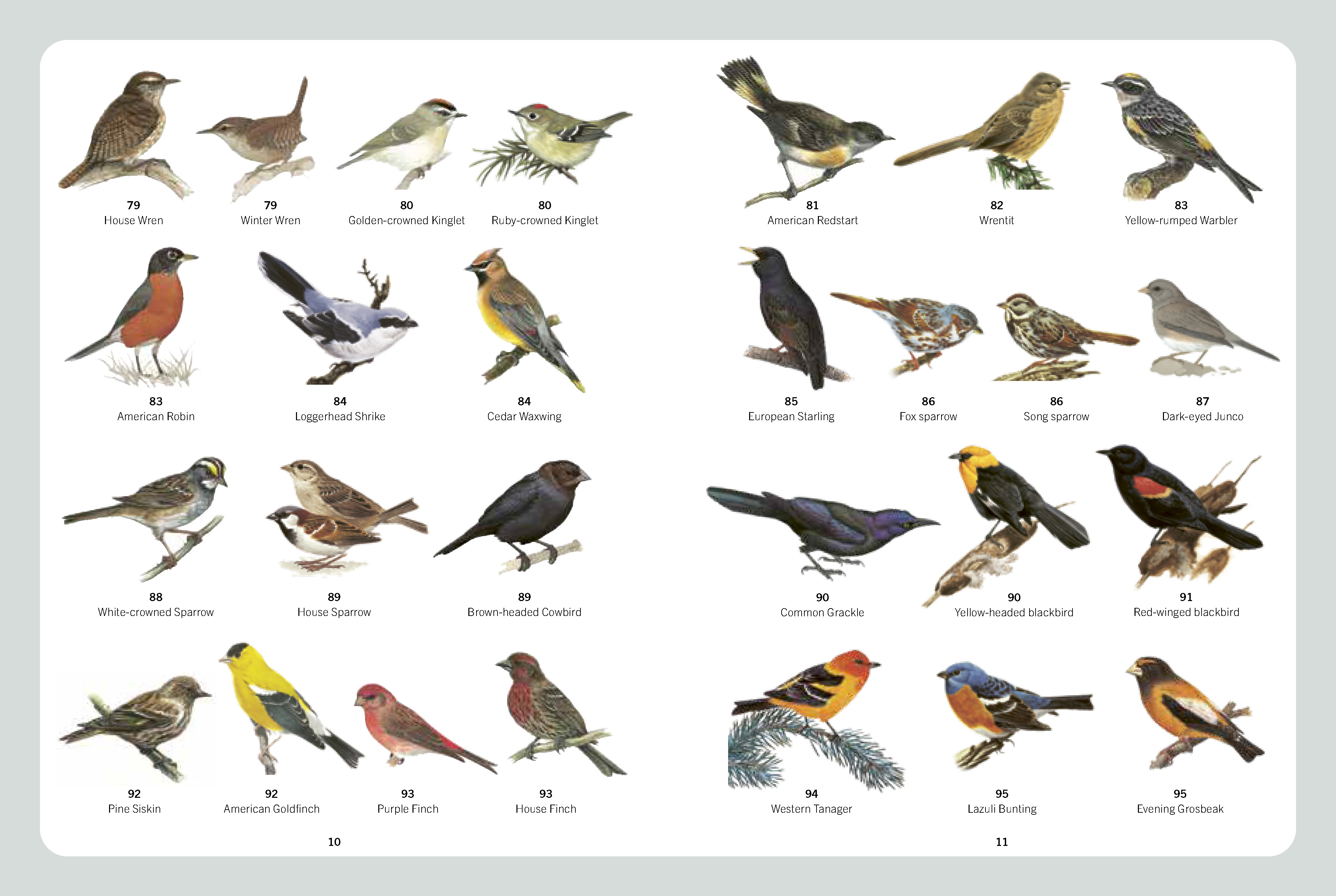
- House Sparrow: Small, brown birds with black and gray markings. They are friendly and often feed in groups.
- American Robin: Recognized by their red-orange breast. They hop on lawns, looking for worms.
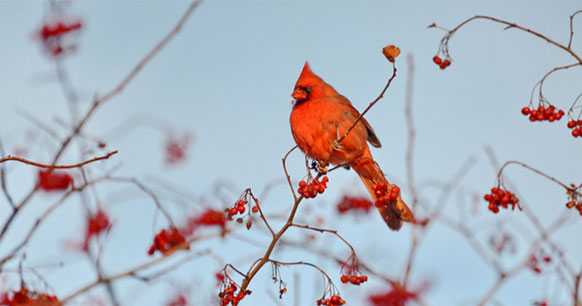
- Northern Cardinal: Bright red males and brownish females. Their clear songs are easy to hear.
- Blue Jay: Blue and white birds with a loud call. They love peanuts and acorns.
- European Starling: Iridescent black with speckles. They often gather in large flocks.
- Mourning Dove: Soft gray with a gentle cooing sound.
- Black-capped Chickadee: Small, black and white, very curious and friendly.
- Downy Woodpecker: The smallest woodpecker, black and white with spots of red.
- House Finch: Males have red faces and chests, females are streaky brown.
- Song Sparrow: Brown and streaked, with a clear melodic song.
Other backyard favorites include goldfinches, wrens, nuthatches, and hummingbirds. The birds you see depend on your region and what you offer in your yard.
How To Identify Backyard Birds
Learning to identify backyard birds is a rewarding skill. You don’t need to be an expert—just start with a few easy tips.
Key Features
When you see a bird, focus on these features:
- Size and shape: Is it small like a sparrow or larger like a robin?
- Color patterns: Look for bright colors, stripes, or patches.
- Beak shape: Thin beaks for insect eaters, thick for seed eaters.
- Sounds: Each species has a unique song or call.
- Behavior: How does the bird move? Some hop, others cling to tree trunks.
Using Field Guides
Field guides show pictures and descriptions of birds. You can use a book or a bird identification app. Apps often let you search by color, size, or location.
Taking Notes
Writing down details or taking photos can help you remember and identify birds later. Even a quick sketch of a bird’s markings can be useful.
Common Mistakes
Beginners often confuse similar species. For example, house finches and purple finches look alike but have different colors and markings. Over time, you will notice these small differences.
Benefits Of Watching Backyard Birds
Many people enjoy backyard birdwatching because it’s relaxing and educational. But there are also practical benefits.
Stress Relief
Watching birds can lower stress levels. Their songs and movements are calming, and spending time outdoors is good for your mental health.
Connection To Nature
Birdwatching helps you notice the seasons, weather changes, and the natural world. You may see birds migrate, raise young, or change color with the seasons.
Learning Opportunity
Birdwatching is a gateway to learning about wildlife, plants, and ecosystems. It’s a fun activity for all ages, and you don’t need expensive gear to start.
Helping The Environment
By caring for backyard birds, you support local wildlife. Providing food and water, planting native shrubs, and avoiding pesticides all help birds survive.
Citizen Science
Many birdwatchers join programs like the Great Backyard Bird Count or eBird. These programs collect data on bird populations and migrations. Your sightings can help scientists track changes in bird numbers and health.
How To Attract Birds To Your Backyard
If you want more birds in your yard, there are several ways to make your space attractive.
- Offer Food: Set up one or more bird feeders. Use different seeds and foods to attract different species. Black oil sunflower seeds, suet, and peanuts are popular choices.
- Provide Water: Place a birdbath in a safe, open spot. Change the water regularly to keep it clean.
- Add Shelter: Plant trees and shrubs or install birdhouses. Native plants are best because they support local insects and birds.
- Avoid Pesticides: Chemicals can harm birds directly or reduce their insect food supply.
- Keep Cats Indoors: Outdoor cats kill millions of birds each year. Keeping cats inside protects both birds and cats.
- Create Variety: Different birds like different habitats. Mix open lawn, dense shrubs, and tall trees if possible.
- Leave Leaf Litter: Piles of leaves or brush attract insects, which are food for many birds.
- Use Safe Windows: Birds often hit windows. Stickers, screens, or special glass can reduce collisions.
Here’s a quick comparison of common bird foods and the types of birds they attract:
| Food Type | Common Birds Attracted | Notes |
|---|---|---|
| Black Oil Sunflower Seed | Cardinals, Chickadees, Finches, Sparrows | High energy, attracts many species |
| Nyjer (Thistle) Seed | Goldfinches, Siskins | Small feeder needed |
| Suet | Woodpeckers, Nuthatches, Wrens | Especially good in winter |
| Fruit | Orioles, Robins, Mockingbirds | Fresh or dried fruit works |
| Nectar | Hummingbirds | Use clean feeders |
Regional Differences In Backyard Birds
Backyard birds are not the same everywhere. The species you see depend on your country, state, or even your city.
North America
In the U. S. and Canada, you’ll likely see robins, chickadees, cardinals, blue jays, and sparrows. Warblers and hummingbirds are more common in the south or during migration.
Europe
Common species include the European robin, blackbird, great tit, and chaffinch. Some birds, like the house sparrow and starling, are found on both continents.
Australia
Backyard birds include the superb fairywren, rainbow lorikeet, and Australian magpie. Feeders may attract cockatoos or galahs.
Asia And Africa
Species vary greatly, but doves, bulbuls, sunbirds, and mynas are often seen near homes.
Here is a comparison of typical backyard birds in different continents:
| Continent | Common Backyard Birds | Unique Feature |
|---|---|---|
| North America | Cardinal, Blue Jay, Robin, Chickadee | Seasonal migration is common |
| Europe | European Robin, Blackbird, Great Tit, Chaffinch | Many species sing complex songs |
| Australia | Superb Fairywren, Rainbow Lorikeet, Magpie | Brightly colored parrots visit feeders |
| Asia | Myna, Bulbul, Sunbird, Dove | Sunbirds often replace hummingbirds |
| Africa | Weaver, Bulbul, Firefinch, Dove | Weavers build hanging nests |
Challenges Faced By Backyard Birds
While many birds thrive in backyards, they also face risks. Some of the main dangers include:
Predators
Cats, hawks, and even squirrels can attack backyard birds or their eggs. Keeping feeders away from hiding spots and using baffles can help.
Window Collisions
Millions of birds die each year from hitting windows. Using decals or netting can make glass more visible to birds.
Disease
Birds can spread illnesses at feeders. Clean feeders and baths weekly, and avoid letting old food pile up.
Habitat Loss
Development and lawns reduce natural habitat. Planting native plants and leaving wild corners helps birds find food and nesting spots.
Pesticides And Chemicals
Pesticides kill insects that birds need for food, and some chemicals can poison birds directly. Choose natural gardening methods when possible.
Here’s a quick look at the main risks and how to reduce them:
| Risk | Impact on Birds | Prevention Tips |
|---|---|---|
| Outdoor Cats | High predation rates | Keep cats indoors; use cat-proof fencing |
| Dirty Feeders | Disease outbreaks | Clean feeders with hot water weekly |
| Window Strikes | Fatal injuries | Apply window decals, move feeders closer to windows |
| Pesticides | Poisoning and food loss | Avoid chemicals; use organic gardening |
The Role Of Native Plants
Native plants are important for backyard birds. They provide the right food, shelter, and nesting sites. Non-native plants may not support the insects and fruit birds need.
Planting native trees, shrubs, and flowers attracts more bird species and helps them thrive. For example, oak trees support hundreds of insect species, while native berry bushes feed thrushes and waxwings.
If you are not sure what to plant, local gardening centers or birding groups can help you choose the best plants for your area.
Watching Birds Through The Seasons
Backyard birds change with the seasons. Some birds stay all year, while others migrate or visit only in certain months.
- Spring: Birds sing to attract mates and build nests. You may see new species arrive.
- Summer: Many birds raise young. Food is plentiful, and birds are active.
- Autumn: Some birds migrate south. Feeders can attract migrating species for a few days.
- Winter: Fewer insects and fruit mean birds rely more on feeders.
Keeping a simple bird calendar can help you notice patterns and changes in your yard.
Bird Feeding Dos And Don’ts
Feeding birds is fun, but a few guidelines keep birds healthy and safe.
Dos
- Use fresh, high-quality seeds and foods.
- Clean feeders and baths often to prevent disease.
- Offer a variety of food types (seed, suet, fruit, nectar).
- Place feeders where birds can see predators.
- Provide water year-round.
Don’ts
- Don’t feed bread, crackers, or salty foods. These are unhealthy for birds.
- Don’t use pesticides or chemicals near feeders.
- Don’t let food sit out for weeks—it can spoil and make birds sick.
- Don’t hang feeders too close to windows without protection.
Backyard Birds And Kids
Introducing children to backyard birds is a great way to spark curiosity about nature. Kids enjoy watching birds and learning their names. Simple activities include:
- Building a birdhouse together.
- Keeping a bird journal or drawing pictures.
- Watching for baby birds in spring.
- Making homemade feeders with pinecones and peanut butter.
These experiences can help kids develop respect for animals and the outdoors.
How To Record Your Backyard Bird Sightings
Keeping a record of the birds you see adds another layer to the hobby. You can use a notebook, a spreadsheet, or a birding app.
Write down:
- Date and time
- Weather conditions
- Bird species and number seen
- Notes about behavior
Recording sightings helps you notice patterns and can contribute to science projects. Apps like Merlin Bird ID or eBird make it easy to share your data with others.
Becoming A Backyard Bird Enthusiast
If you enjoy watching backyard birds, you can deepen your hobby in many ways:
- Join local birdwatching groups or online forums.
- Attend bird walks or workshops.
- Try bird photography.
- Plant a bird-friendly garden.
- Participate in bird counts or surveys.
You don’t need expensive equipment to start—just curiosity and patience.
For more information on attracting and supporting backyard birds, check out resources from the National Audubon Society.

Frequently Asked Questions
What Is The Difference Between Backyard Birds And Wild Birds?
Backyard birds are wild birds that feel comfortable living near people and using resources like feeders and birdbaths. All backyard birds are wild, but not all wild birds visit backyards. Some species prefer deep forests or wetlands and are rarely seen near homes.
Why Don’t I See Many Birds In My Backyard?
There are several reasons: lack of food, water, or shelter; too many predators like cats; or seasonal changes. Adding feeders, water, and native plants can help attract more birds over time.
What Is The Best Food To Attract A Variety Of Backyard Birds?
Black oil sunflower seeds attract the most species. Adding suet, nyjer seed, and fruit will bring more diversity. Offering several types of food is the best way to attract different birds.
Are Backyard Birds Helpful Or Harmful To Gardens?
Most backyard birds help gardens by eating insects and pollinating flowers. However, some birds may eat fruit or seeds from plants. Overall, birds are more helpful than harmful in a healthy garden.
How Can I Keep Squirrels Away From My Bird Feeders?
Use squirrel-proof feeders, hang feeders on poles with baffles, and avoid placing feeders near trees or fences. Some people also use spicy seed mixes that birds can eat but squirrels dislike.
Backyard birds turn ordinary spaces into lively, colorful habitats. By learning about these birds and supporting them, you help both wildlife and your own sense of well-being. With a little effort, any backyard can become a welcoming home for birds.

