
Have you ever looked up at the night sky and wondered when the best moment is to catch the stars in all their glory? Knowing the right time to go stargazing can turn an ordinary evening into a magical experience you won’t forget.
Whether you’re hoping to see shooting stars, distant planets, or the Milky Way glowing bright, timing makes all the difference. Keep reading, and you’ll discover the perfect nights and conditions to make your stargazing unforgettable. Your next incredible night under the stars is closer than you think.

Ideal Seasons For Stargazing
Stargazing is a magical experience that changes with the seasons. Each season offers unique views and celestial events. Knowing the ideal seasons helps you plan your night under the stars.
Spring Night Skies
Spring nights bring fresh constellations into view. The skies are often clear and cool. This season offers bright stars and easy-to-spot constellations like Leo and Virgo. Spring is perfect for spotting planets such as Jupiter and Saturn. The balance of mild weather and clear skies makes spring great for beginners.
Summer Constellations
Summer nights are warm and inviting. The Milky Way shines brightly during this season. Constellations like Cygnus and Scorpius dominate the sky. Summer also allows longer hours of darkness for stargazing. It is an ideal time to catch bright planets and deep-sky objects. Warm evenings make it easier to stay outside longer.
Autumn Meteor Showers
Autumn brings cool, crisp air and exciting meteor showers. The Orionids and Draconids are visible in this season. Clear skies help meteors stand out brightly. Autumn nights are perfect for watching shooting stars. The cool weather keeps bugs away, making outdoor stargazing more comfortable.
Winter Clear Views
Winter offers the clearest skies of the year. Cold air reduces humidity and haze, improving visibility. Constellations like Orion and Taurus are easy to find. Winter nights are long, giving more time to explore the sky. The chilly air makes stars appear sharper and brighter. Dress warmly and enjoy the stunning views.
Best Moon Phases For Stargazing
The moon’s brightness affects stargazing quality. Different moon phases change how much light fills the night sky. Choosing the best moon phase helps you see stars clearly. Darker skies reveal more stars and celestial objects. Understanding moon phases can improve your stargazing experience.
New Moon Advantages
The new moon is the darkest phase. The moon is not visible at night. This darkness lets you see faint stars easily. The sky is free from moonlight interference. Ideal for spotting distant galaxies and star clusters. New moon nights offer the best stargazing conditions.
Avoiding Full Moon Brightness
The full moon shines very bright. Its light covers many stars in the sky. This brightness reduces star visibility a lot. The full moon can hurt your night vision. Avoid full moon nights for clear star views. Save full moon nights for moon watching instead.
Crescent And Quarter Moon Effects
Crescent and quarter moons provide medium light. They do not brighten the sky too much. Some stars remain visible during these phases. The moon’s shape can help guide your eyes. Great for casual stargazing and moon observation. These phases balance light and darkness nicely.
Optimal Weather Conditions
Optimal weather conditions play a big role in enjoying stargazing. The right weather clears the sky and makes stars shine bright. It also helps your eyes see details better. Several factors affect these conditions. Understanding these can improve your stargazing experience greatly.
Clear Skies And Low Humidity
Clear skies are the best for stargazing. Clouds block your view of stars and planets. Low humidity is important too. Moist air causes haze and blurs the sky. Dry nights usually offer sharper views of the night sky. Check weather forecasts for clear and dry nights before heading out.
Avoiding Light Pollution
Light pollution from cities dims the stars. Even small lights can reduce star visibility. Choose places far from city lights. Rural areas and dark parks work well. The darker the sky, the more stars you will see. Dark skies reveal more constellations and the Milky Way.
Impact Of Wind And Temperature
Strong wind can shake your telescope and affect viewing. Calm nights provide steadier views. Temperature also matters. Cold air is often clearer than warm air. Warm air can cause air to shimmer, distorting star images. Dress warmly for cold nights to stay comfortable.
Choosing The Right Time Of Night
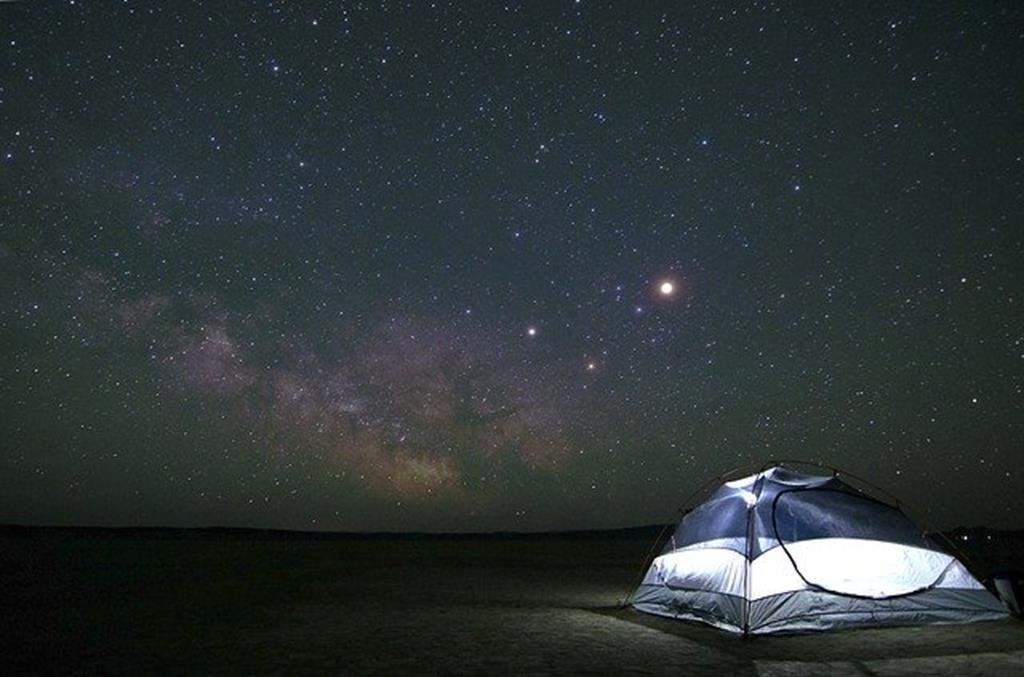
Choosing the right time of night is key for a great stargazing experience. The sky changes as night deepens. Some stars and planets appear only after full darkness. Picking the best time helps you see more and clearer.
After Twilight Hours
Twilight is the period just after sunset. The sky still holds some light. Stars start to show one by one. This time is good for beginners. The sky is not too dark yet. The fading light makes it easier to adjust your eyes.
Plan to start stargazing about 30 to 60 minutes after sunset. The brightest stars and planets become visible. The air is usually calm and cooler. This helps reduce blurring from heat waves. You can enjoy a smooth view before full night falls.
Midnight And Early Morning Benefits
Midnight to early morning is the darkest part of the night. The sun is far below the horizon. The sky turns fully black. This lets you see faint stars and deep-sky objects. Galaxies, nebulae, and star clusters shine brightest now.
Late night hours often have less light pollution. Many towns and cities switch off extra lights. The air cools down more, reducing haze and dust. Your eyes adapt fully to the dark, improving star visibility.
This time suits serious stargazers with good equipment. It allows for longer observation sessions. The calm and quiet night adds to the peaceful experience.
Using Astronomy Tools And Apps
Using astronomy tools and apps makes stargazing easier and more fun. These tools help you find the best time to watch the stars. They show what is visible in the sky. You can plan your night to catch the most stars and planets.
Stargazing Apps For Timing
Stargazing apps tell you the best time to watch the sky. They track the moon phases and the position of stars. Some apps alert you about special events like meteor showers. Using these apps helps avoid cloudy or bright nights. You get the clearest view of stars and planets.
Weather Forecast Tools
Clear skies are key for stargazing. Weather forecast tools show if the sky will be cloudy or clear. They give hourly updates on temperature and wind. These details help you dress right and stay comfortable. Good weather apps increase your chance of a perfect night.
Star Charts And Maps
Star charts and maps guide you through the night sky. They show the location of stars, planets, and constellations. You can print these charts or use digital versions on your phone. Star maps make it easier to find interesting objects. They turn stargazing into a fun learning experience.
Planning Stargazing Trips
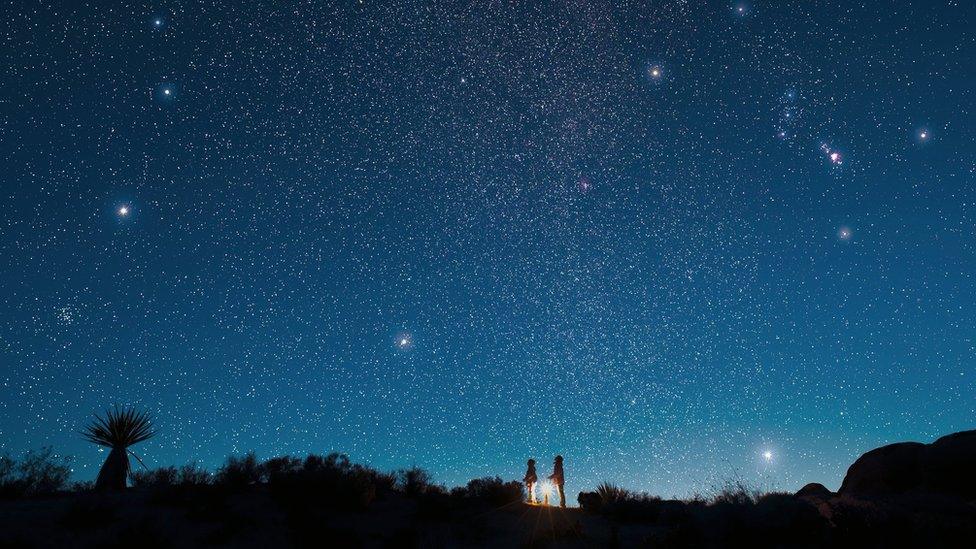
Planning stargazing trips takes some thought and care. Good plans help you enjoy clear skies and bright stars. Prepare well to make the most of your nighttime adventure. Choose the best places, pack the right gear, and stay safe under the stars.
Selecting Dark Sky Locations
Pick places far from city lights. Light pollution hides many stars. National parks and rural areas often have dark skies. Check online maps for dark sky spots near you. The darker the sky, the better your view.
Preparing Gear And Supplies
Bring a telescope or binoculars for a closer look. Dress warmly; nights get cold quickly. Pack a flashlight with a red filter to save night vision. Carry water, snacks, and a comfortable chair or blanket. A star map or stargazing app helps identify constellations.
Safety Tips For Nighttime
Tell someone your plans before you go. Stay on known paths to avoid accidents. Carry a fully charged phone for emergencies. Watch for wildlife and insects in dark areas. Keep a first aid kit handy for minor injuries.
Frequently Asked Questions
When Is The Best Month For Stargazing?
The best months for stargazing are typically from late fall to early spring. During these months, the nights are longer and skies are clearer. Cooler temperatures also reduce atmospheric disturbances, improving visibility. Popular months include October through March for optimal star visibility.
What Time Of Night Is Best For Stargazing?
The best time for stargazing is between midnight and 3 AM. This period offers the darkest skies with minimal light pollution. The atmosphere is usually more stable, reducing twinkling of stars. Avoid early evening when sunlight still affects the sky’s brightness.
How Does Moon Phase Affect Stargazing?
The moon phase greatly affects stargazing visibility. New moon nights are best because there is no moonlight to wash out faint stars. Full moons brighten the sky, making it harder to see stars and other celestial objects clearly.
Which Weather Conditions Are Ideal For Stargazing?
Clear, dry, and calm weather conditions are ideal for stargazing. Clouds block the view, and humidity or rain cause haziness. Calm winds reduce atmospheric turbulence, enhancing star sharpness. Check weather forecasts for clear skies before planning your stargazing session.
Conclusion
Stargazing offers magic in clear, dark skies. Choose nights with little moonlight for best views. Cooler months often bring clearer air and sharper stars. Find a quiet spot away from city lights. Dress warmly and bring patience. The sky changes every night—each visit is unique.
Enjoy the calm and wonder above. Simple steps lead to great stargazing moments. Keep looking up, and the stars will amaze you.

