
If you own a refracting telescope, you know how exciting it is to explore the night sky. But did you know that the right accessories can make your experience even better?
From clearer views to easier setup, the accessories you choose can transform how you observe stars, planets, and more. You’ll discover the essential refracting telescope accessories you need to enhance your stargazing. Keep reading to find out how to make every session more enjoyable and rewarding.
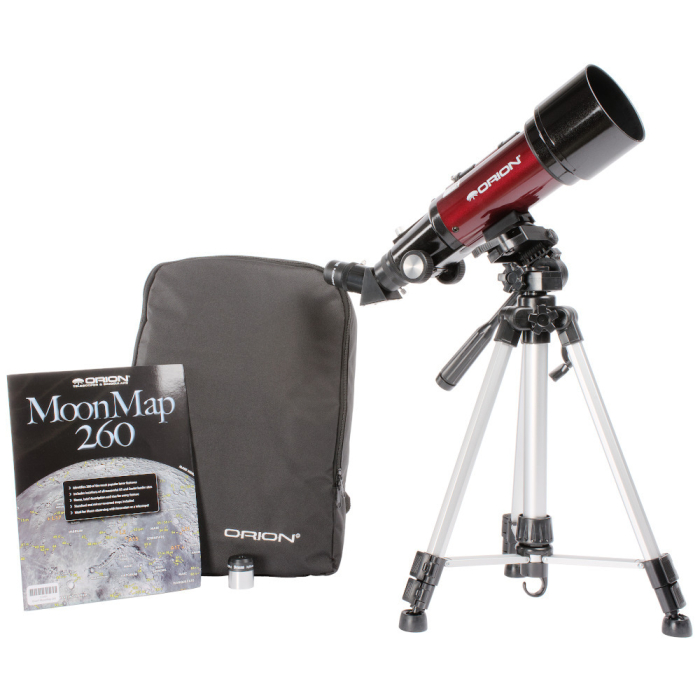
Essential Eyepieces
Essential eyepieces are key accessories for refracting telescopes. They control the view and detail you get of the night sky. Different eyepieces serve different purposes, making your viewing experience richer and more enjoyable.
Choosing the right eyepiece lets you see planets, stars, and the moon with clarity. These accessories help adjust magnification and field of view. Investing in quality eyepieces improves both comfort and detail.
Wide-angle Eyepieces
Wide-angle eyepieces show a larger part of the sky. They offer a broad view that is great for observing star clusters and galaxies. These eyepieces reduce eye strain during long viewing sessions. Their field of view can be 60 degrees or more. This makes it easier to track moving objects in space.
High-power Eyepieces
High-power eyepieces increase magnification for detailed views. They bring planets and the moon closer, revealing surface features. Use these eyepieces for tight views of small objects. They usually have a short focal length. Stability and good seeing conditions improve the image quality with these.
Barlow Lenses
Barlow lenses double or triple your eyepiece magnification. They fit between the telescope and eyepiece. This accessory saves money by enhancing existing eyepieces. A 2x Barlow lens doubles the power of any eyepiece. It also keeps the image sharp and bright.
Finders And Mounts
Finders and mounts are essential for using a refracting telescope effectively. They help you locate objects in the sky and keep the telescope steady. Choosing the right accessories makes stargazing easier and more enjoyable.
Red Dot Finders
Red dot finders show a small red light on a glass screen. This light acts like a pointer to guide your view. They are simple to use and great for beginners. No magnification means you see the sky as it is. Aligning the red dot finder with your telescope is quick and easy.
Telescopic Finders
Telescopic finders are small telescopes attached to the main telescope. They help zoom in on objects for better aiming. These finders have crosshairs to center the target precisely. They provide some magnification, unlike red dot finders. This feature is useful for spotting dimmer stars or planets.
Stable Mount Options
A stable mount keeps your telescope steady during observation. It prevents shaking that blurs the view. There are different types, including alt-azimuth and equatorial mounts. Alt-azimuth mounts move up-down and left-right, easy to use. Equatorial mounts follow the sky’s rotation, useful for tracking stars. Choose a mount that fits your telescope size and weight. Stability matters most for clear and sharp images.
Filters For Better Views
Filters improve the views through a refracting telescope. They help reduce glare and increase contrast. This makes details on the moon, planets, and stars clearer. Filters also block unwanted light that can spoil the view. Using the right filter can turn a good view into a great one.
Moon Filters
Moon filters reduce the brightness of the moon. The moon can be very bright through a telescope. This brightness can hurt your eyes and hide details. A moon filter dims the light without changing colors. You see craters and mountains on the moon more clearly.
Planetary Filters
Planetary filters enhance details on planets like Mars, Jupiter, and Saturn. They bring out colors and surface features. For example, a red filter makes Mars’ surface details sharper. Blue or green filters can show cloud bands on Jupiter. These filters help you see more than just bright dots.
Light Pollution Reduction
Light pollution filters block unwanted artificial light. Street lights and buildings can wash out stars and faint objects. These filters increase contrast by filtering out specific light colors. You see more stars and nebulae from cities or towns. They improve the view without needing to travel far.
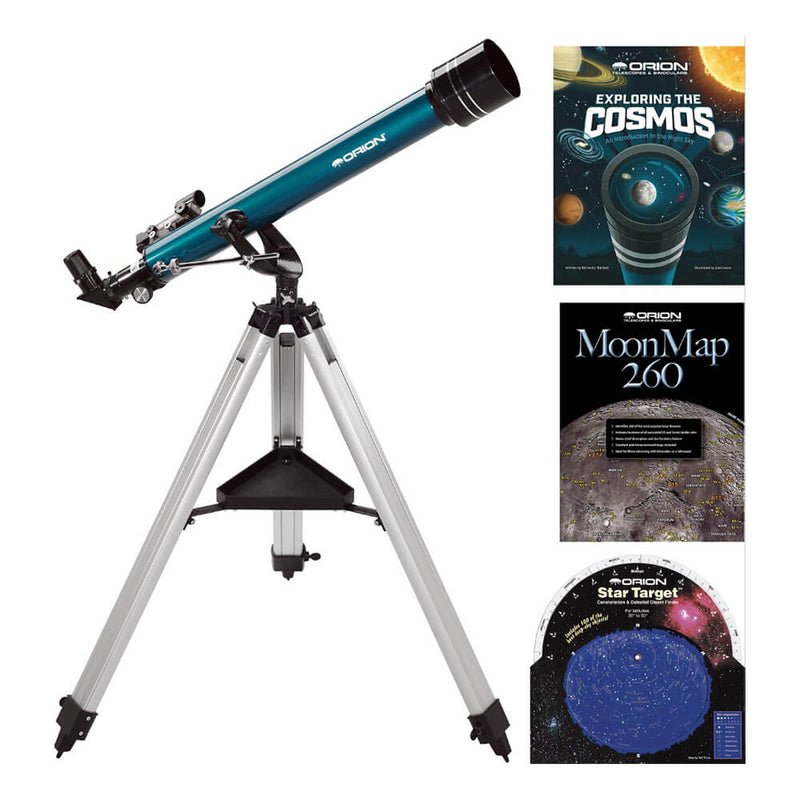
Focusing And Alignment Tools
Focusing and alignment tools help you get the clearest view through your refracting telescope. These tools make it easier to see stars, planets, and other objects sharply. Proper focus and alignment improve the quality of your observation. They also reduce eye strain during long viewing sessions.
Focusing Aids
Focusing aids help you find the sharpest image quickly. A common aid is a Bahtinov mask. It creates diffraction patterns to guide you to perfect focus. Some telescopes come with fine focus knobs for precise adjustments. Using these aids ensures crisp and clear views every time.
Collimation Tools
Collimation tools keep your telescope’s optics aligned. Good collimation prevents blurry or distorted images. A simple laser collimator shines a beam to check mirror alignment. Some tools use Cheshire eyepieces to verify the light path. Regular collimation keeps your telescope performing well.
Alignment Scopes
Alignment scopes help you point your telescope accurately. These small finders show a wider sky view. They make locating objects easier before using the main telescope. Some alignment scopes have crosshairs or reticles for precise aiming. They save time and improve your viewing experience.
Power And Tracking Upgrades
Power and tracking upgrades improve your refracting telescope’s performance. They help keep your view steady and clear. These accessories make it easier to find and follow objects in the night sky. Upgrading power and tracking saves you time and effort. It also enhances your overall stargazing experience.
Motorized Drives
Motorized drives move your telescope smoothly. They follow the stars as Earth spins. This means less manual adjustment. You can watch planets and stars without blur. Motorized drives keep the telescope steady on your target. This upgrade is perfect for long observation sessions.
Goto Systems
GoTo systems make finding objects simple. They use a computer to point your telescope automatically. You enter the name of a star or planet. The system moves the telescope to that spot. This saves time searching the sky. Beginners and experienced users both benefit from GoTo.
Battery Packs
Battery packs power your telescope on the go. They provide energy for motorized drives and GoTo systems. Portable power means you can set up anywhere. No need to worry about finding an outlet. Battery packs increase your telescope’s freedom and usability.

Storage And Transport Gear
Proper storage and transport gear keeps your refracting telescope safe. It prevents damage during travel or when not in use. Good gear makes moving your telescope easier and protects delicate parts.
Carrying Cases
Carrying cases protect your telescope from bumps and dust. Choose a case with thick padding for shock absorption. Cases with handles or straps make transport comfortable. Some cases have compartments for extra accessories. A sturdy case helps keep your telescope in perfect condition.
Lens Caps And Covers
Lens caps shield your telescope’s lenses from scratches and dirt. Always cover lenses when not observing. Soft, snug-fitting caps prevent dust buildup. Some covers also block sunlight to avoid lens damage. Using caps extends the life of your optics.
Tripod Bags
Tripod bags simplify carrying and storing your tripod. Look for bags with padding to protect tripod legs. Bags with extra pockets hold small items like screws or tools. A good tripod bag keeps gear organized and ready. It also prevents scratches during transport.
Additional Accessories
Additional accessories can enhance your experience with a refracting telescope. They make observing more comfortable and fun. These tools help you explore the night sky with ease and clarity.
Smartphone Adapters
Smartphone adapters let you attach your phone to the telescope. This way, you can take photos of what you see. It helps capture clear images of the moon, planets, and stars. Sharing your discoveries with friends becomes simple and fun.
Observation Chairs
Observation chairs keep you comfortable during long viewing sessions. They offer good support and adjust to the right height. Sitting comfortably helps you focus better on the sky. A good chair reduces neck and back strain too.
Sky Maps And Apps
Sky maps and apps guide you through the night sky. They show the location of stars, planets, and constellations. You can plan your observations and learn more about space. These tools are easy to use and great for beginners.
Frequently Asked Questions
What Are Essential Accessories For Refracting Telescopes?
Essential accessories include eyepieces, Barlow lenses, and finderscopes. These improve image quality, magnification, and object location. Filters and tripod mounts also enhance viewing comfort and clarity. Investing in quality accessories boosts your telescope’s performance significantly.
How Do Eyepieces Affect Telescope Viewing?
Eyepieces determine magnification and field of view. Different eyepiece focal lengths offer varying zoom levels. High-quality eyepieces provide sharper, clearer images. Swapping eyepieces allows flexible observation of planets, stars, and deep-sky objects.
Why Use A Barlow Lens With A Refractor?
A Barlow lens doubles or triples magnification without losing image quality. It extends eyepiece options, saving money on multiple lenses. Barlow lenses enhance detail visibility, making distant objects clearer and more defined.
What Role Does A Finderscope Play?
A finderscope helps locate celestial objects quickly. It provides a wider field of view than the main telescope. This accessory simplifies navigation, especially for beginners, by making target alignment easier and faster.
Conclusion
Choosing the right accessories improves your telescope experience. Eyepieces, filters, and mounts each play a key role. They help you see clearer and explore better. Simple upgrades can make a big difference. Enjoy your time under the stars with the right tools.
Keep exploring and learning about the night sky. Your telescope will thank you for it.

