
Is Elk Meat Healthy? An In-Depth Look at Nutrition, Benefits, and Concerns
For many, the search for healthier meat options leads to curiosity about elk meat. Once mainly consumed by hunters and rural communities, elk is now appearing in restaurants and specialty stores. But is elk meat actually a healthy choice? Or is it just another food trend? Understanding its nutrition, benefits, risks, and how it compares to other meats is important before making it a regular part of your diet.
Let’s take a close look at elk meat from all angles. You’ll learn about its nutritional value, how it stacks up against beef and other meats, potential health benefits, and what to watch out for. Whether you’re an athlete, someone watching your cholesterol, or just want variety, this guide will help you decide if elk is right for you.
What Is Elk Meat?
Elk are large wild animals native to North America and parts of Asia. They are members of the deer family and are sometimes called wapiti. Elk meat comes from both wild hunting and farm-raised animals. It is often sold as steaks, ground meat, or jerky.
Elk meat is considered a type of game meat, which means it comes from wild animals rather than traditional farmed animals like cows or chickens. Because elk usually eat natural grasses and plants, their meat is leaner and contains fewer additives compared to factory-farmed beef or pork.
Nutritional Profile Of Elk Meat
Elk meat is known for being high in protein and low in fat. Here is a breakdown of the nutrients in a typical 3-ounce (85 grams) cooked serving of elk:
| Nutrient | Amount (per 3 oz cooked) | % Daily Value* |
|---|---|---|
| Calories | 124 | 6% |
| Protein | 25 grams | 50% |
| Total Fat | 2 grams | 3% |
| Saturated Fat | 0.5 grams | 2% |
| Iron | 3.5 mg | 19% |
| Zinc | 5 mg | 45% |
| Vitamin B12 | 2.9 mcg | 48% |
| Cholesterol | 62 mg | 21% |
*Based on a 2,000 calorie diet.
Key Nutrients
- Protein: Elk is an excellent source of high-quality protein, which helps build and repair muscle.
- Iron: Important for making red blood cells and preventing anemia.
- Zinc: Essential for immune function and healing.
- Vitamin B12: Needed for nerve health and energy production.
Many people are surprised that elk is also low in saturated fat, which is linked to heart disease if eaten in excess.

How Elk Meat Compares To Other Meats
Wondering if elk is healthier than beef or chicken? Here’s a quick comparison using data for 3-ounce cooked portions:
| Meat | Calories | Protein (g) | Total Fat (g) | Saturated Fat (g) | Cholesterol (mg) |
|---|---|---|---|---|---|
| Elk | 124 | 25 | 2 | 0.5 | 62 |
| Beef (lean) | 180 | 22 | 8 | 3 | 76 |
| Chicken (skinless) | 140 | 26 | 3 | 0.8 | 72 |
| Pork (loin) | 160 | 23 | 7 | 2.5 | 73 |
Insights:
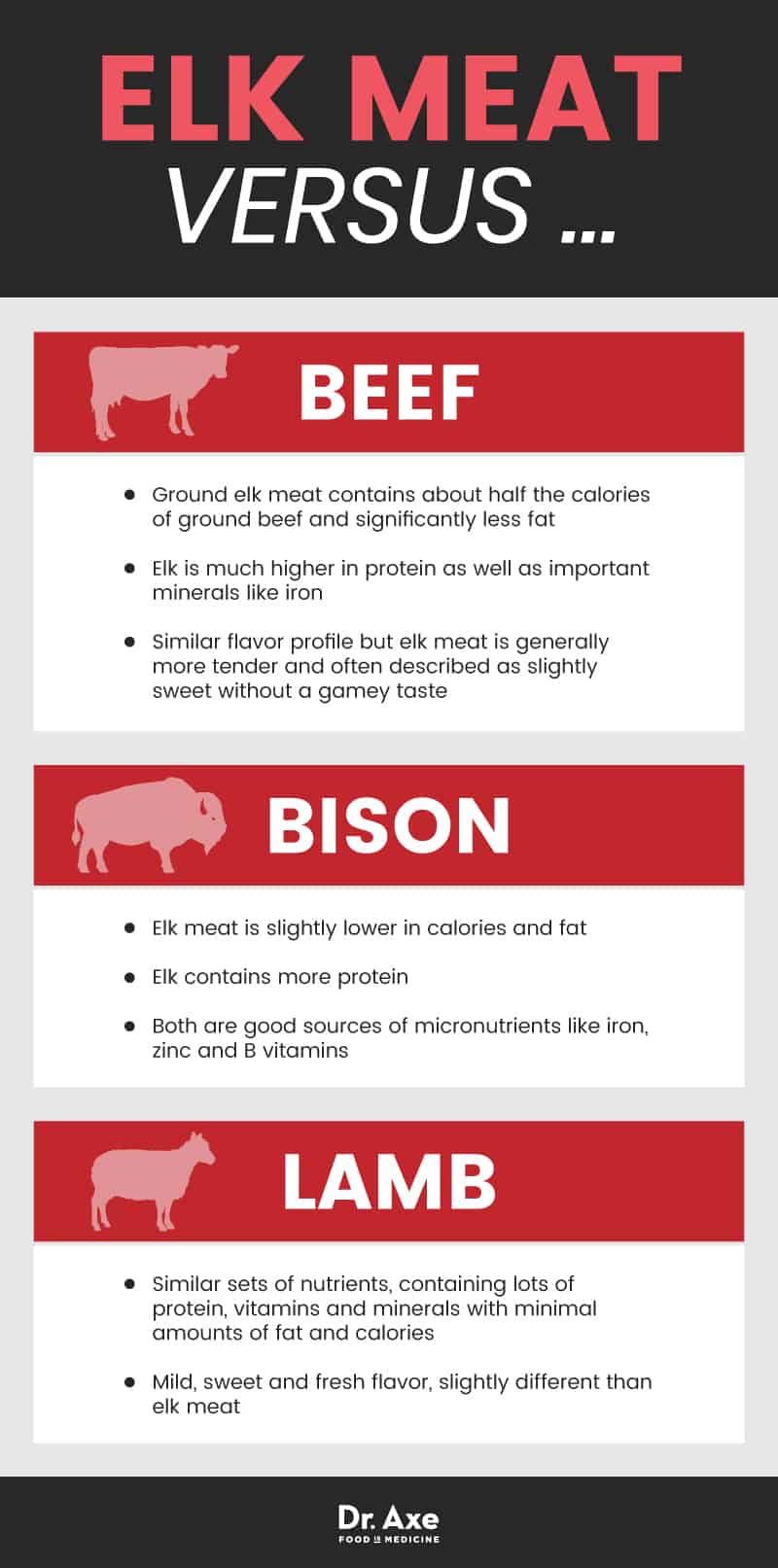
- Elk is lower in calories and fat than beef or pork.
- It has more protein per calorie than most common meats.
- Elk is also lower in cholesterol than beef or pork, though slightly higher than chicken.
Health Benefits Of Elk Meat
Eating elk can support your health in several ways. Here are the main advantages:
1. Lean Protein Source
Elk meat is very lean, with about 2 grams of fat per serving. This helps you meet protein needs without adding much saturated fat. Lean proteins help with weight management, muscle growth, and keeping you full longer.
2. Rich In Iron And Zinc
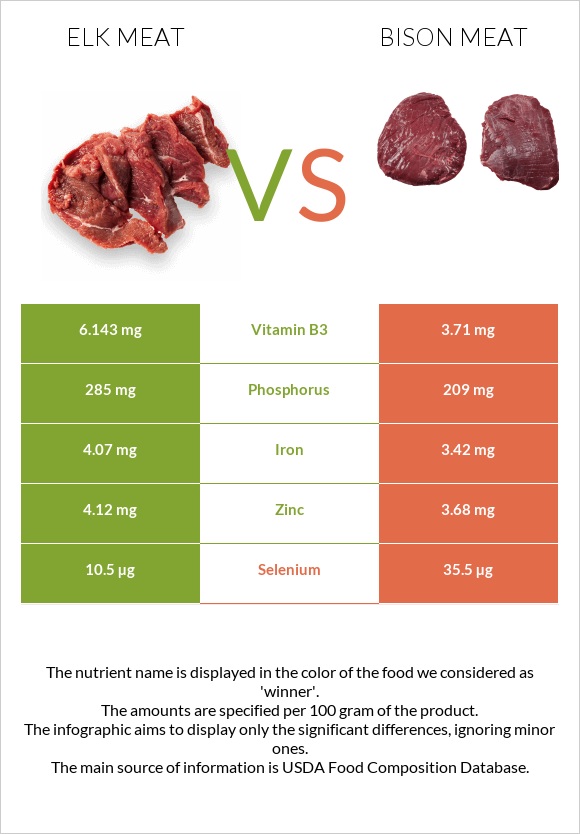
Iron in elk is the heme type, which your body absorbs more easily than plant-based iron. This is especially helpful for women, athletes, and people prone to anemia. Zinc boosts your immune system and helps heal wounds.
3. Low In Calories
If you’re watching your calorie intake, elk is a smart choice. You get a lot of nutrition for fewer calories, making it easier to maintain or lose weight.
4. Contains Heart-healthy Fats
Though low in fat overall, elk contains more omega-3 fatty acids than grain-fed beef. These healthy fats support brain and heart health.
5. Fewer Additives And Antibiotics
Wild or pasture-raised elk are not given growth hormones or antibiotics like many commercial meats. This means less risk of unwanted chemicals in your food.
6. Supports Sustainable Eating
Elk is often more environmentally friendly than beef. They graze naturally and require less grain, water, and land. Wild elk hunting is also a way to keep animal populations balanced.
7. Free From Common Allergens
Elk is naturally gluten-free and does not contain dairy, making it safe for people with these allergies.
Potential Risks And Concerns
Even with its benefits, elk meat has some risks to consider.
1. Higher Cost And Limited Availability
Elk is usually more expensive than beef or chicken, and may not be available at all grocery stores. This can make it hard to eat regularly.
2. Risk Of Game Meat Diseases
Wild elk can carry diseases like Chronic Wasting Disease (CWD). This disease does not seem to infect humans, but health experts recommend not eating meat from sick or abnormal animals.
3. Possible High Cholesterol
While elk is lower in cholesterol than beef, it is not cholesterol-free. People with very high cholesterol or heart problems should still eat it in moderation.
4. Cooking Challenges
Because elk is so lean, it can become dry or tough if overcooked. Using the right methods—like slow roasting or marinating—helps keep it tender.
5. Wild Meat Safety
Wild-caught elk must be handled and cooked properly to avoid parasites or bacteria. Always cook elk to at least 160°F (71°C) for safety.
How To Choose And Prepare Elk Meat
If you decide to try elk, here are some tips to get the most nutrition and best taste:
Choosing Elk Meat
- Look for deep red color and minimal fat.
- Ask if it’s from a certified farm or wild-caught.
- Check for freshness—avoid meat with a strong odor or slimy texture.
Storing Elk Meat
- Keep elk meat cold (below 40°F/4°C) and use within 2-3 days, or freeze.
- Wrap tightly to prevent freezer burn.
Cooking Tips
- Marinate elk to add moisture and flavor.
- Cook at lower heat, and don’t overcook—medium-rare is often best.
- Use a meat thermometer to check doneness.
Serving Suggestions
Elk works well in many dishes:
- Steaks: Grill or pan-sear quickly for tenderness.
- Stews and Chili: Slow-cook with vegetables for rich flavor.
- Ground Elk: Use in burgers, tacos, or meatballs.
Elk Meat And Special Diets
Elk fits into many special diets thanks to its nutrition:
- Keto/Low-Carb: High protein, almost zero carbs.
- Paleo: Natural, minimally processed meat.
- Gluten-Free: No gluten or additives.
- Low-Fat: Much lower fat than most red meats.
People with kidney issues should watch protein intake, including elk. Always talk to your doctor if you have special health needs.
Common Mistakes When Eating Elk Meat
Many first-timers make these errors:
- Overcooking: Elk dries out fast. Use lower heat and don’t cook past medium.
- Skipping Marinades: Marinades add moisture and flavor. Even a simple mix of oil, vinegar, and herbs helps.
- Not Checking Source: Always ask where the meat comes from and if it’s inspected for safety.
- Ignoring Portion Size: Like all red meat, elk should be eaten in moderation as part of a balanced diet.
- Improper Storage: Elk spoils faster than beef. Store correctly and use quickly.
The Environmental Impact Of Elk Meat
Choosing elk can have a lower environmental impact compared to beef or pork. Elk are usually free-range and eat natural plants, reducing the need for grain, fertilizers, and water. Farm-raised elk are often managed in ways that protect land and wildlife.
Wild elk hunting, when regulated, supports healthy populations and helps prevent overgrazing. This can actually benefit forests and grasslands. If you care about sustainable eating, elk is a solid option.
Who Should (and Should Not) Eat Elk Meat
Best For:
- Active people and athletes: Need more protein.
- People with iron deficiency: Elk is rich in absorbable iron.
- Those watching calories or fat: Much leaner than beef.
Use Caution If:
- You have severe cholesterol problems.
- You have kidney disease and need to limit protein.
- You are allergic to red meat (rare, but possible).
Always check with a healthcare provider if you have chronic health conditions.
Non-obvious Insights About Elk Meat
- Omega-3s in Wild Elk: If the elk was wild, its meat can have higher omega-3 content than farmed elk, especially if the animal ate a diet rich in wild plants. Farmed elk can vary widely depending on their feed.
- Mineral Content: Elk provides not only iron and zinc but also selenium, which supports thyroid health. This extra micronutrient benefit is often overlooked.
Where To Learn More
If you want to read more about elk meat nutrition and safety, the U.S. Department of Agriculture (USDA) provides reliable data and guidelines. Here’s a useful resource:
usda: Wild Game Food Safety
Frequently Asked Questions
Is Elk Meat Healthier Than Beef?
Yes, elk is generally leaner and has fewer calories and less fat than beef. It also contains more protein per calorie and is rich in important nutrients like iron and zinc. However, it’s still a red meat, so moderation is key.
Does Elk Meat Taste Like Beef?
Elk tastes similar to beef but is often described as sweeter and more tender, with a slightly gamey flavor. It’s less fatty, so the taste is cleaner and lighter.
Can You Eat Elk Meat Raw Or Rare?
It’s not recommended to eat elk meat raw, especially from wild animals, due to the risk of parasites and bacteria. Cook elk to at least medium-rare and always ensure an internal temperature of 160°F (71°C).
Is Elk Meat Good For Weight Loss?
Elk is a great choice for weight loss because it’s low in calories and high in protein, which helps you feel full. Just remember to eat it as part of a balanced diet with vegetables and whole grains.
Where Can You Buy Elk Meat?
You can find elk meat at specialty butchers, some grocery stores, online retailers, and directly from farms. Always buy from trusted sources that follow food safety standards.
—
Elk meat stands out as a healthy and sustainable alternative to traditional red meats. With its high protein, low fat, and rich mineral content, it can be a smart choice for many people. Just remember to source it safely, cook it properly, and include it as part of a balanced diet.
If you’re looking for something new that supports both your health and the planet, elk is worth a try.

