
Tracking elk is a skill that offers both challenge and reward. For many, it’s more than just a part of hunting; it’s a way to connect with the wild. Elk are large, smart, and can cover great distances quickly. They live in varied terrain, from deep forests to open meadows and steep mountains.
Learning how to track elk means understanding their habits, movements, and the environment. Whether you’re a hunter, photographer, or just someone who loves wildlife, these skills open up a new world outdoors.
Elk tracking is not just about following footprints. It involves reading signs, predicting behavior, and adapting to changing conditions. A good tracker learns to think like an elk, using all senses to gather clues from the landscape. Many beginners focus too much on visible tracks and miss other important signals. With practice, you’ll discover details that most people walk past. This guide covers every aspect of tracking elk, from gear to advanced techniques, so you can improve your skills and confidence in the field.
Understanding Elk Behavior
Before setting out, it’s essential to know how elk behave. Elk are herd animals with patterns that change by season, food supply, and human activity.
During spring and summer, elk seek high-elevation meadows for fresh food. In fall, bulls compete for females and are more vocal, making the rut a good time for tracking. As winter approaches, elk move to lower valleys to avoid deep snow.
Elk are most active at dawn and dusk, feeding and moving between bedding areas. They rest during midday, often in thick cover. Understanding these patterns helps you predict where elk might be, even if you don’t see fresh tracks.
One thing many trackers miss: elk often revisit the same trails and feeding spots over time. If you find a well-used trail, check it often, especially at the beginning and end of the day.
Essential Gear For Tracking Elk
Success in elk tracking depends on the right gear. You don’t need expensive equipment, but you should have tools that help you move quietly, stay comfortable, and record what you find.
Key items include:
- Binoculars: Spot elk from a distance without spooking them.
- Sturdy boots: Terrain can be rocky, muddy, or snowy.
- GPS or maps: Elk country is vast, and it’s easy to get lost.
- Notebook and pencil: Record signs, patterns, and observations.
- Camera or phone: Take photos of tracks or sign for later study.
- Weather-appropriate clothing: Layered and quiet fabrics are best.
An often-overlooked tool is a simple walking stick. It helps you test the ground, clear brush, and balance on steep terrain—without making too much noise.
Reading Elk Tracks
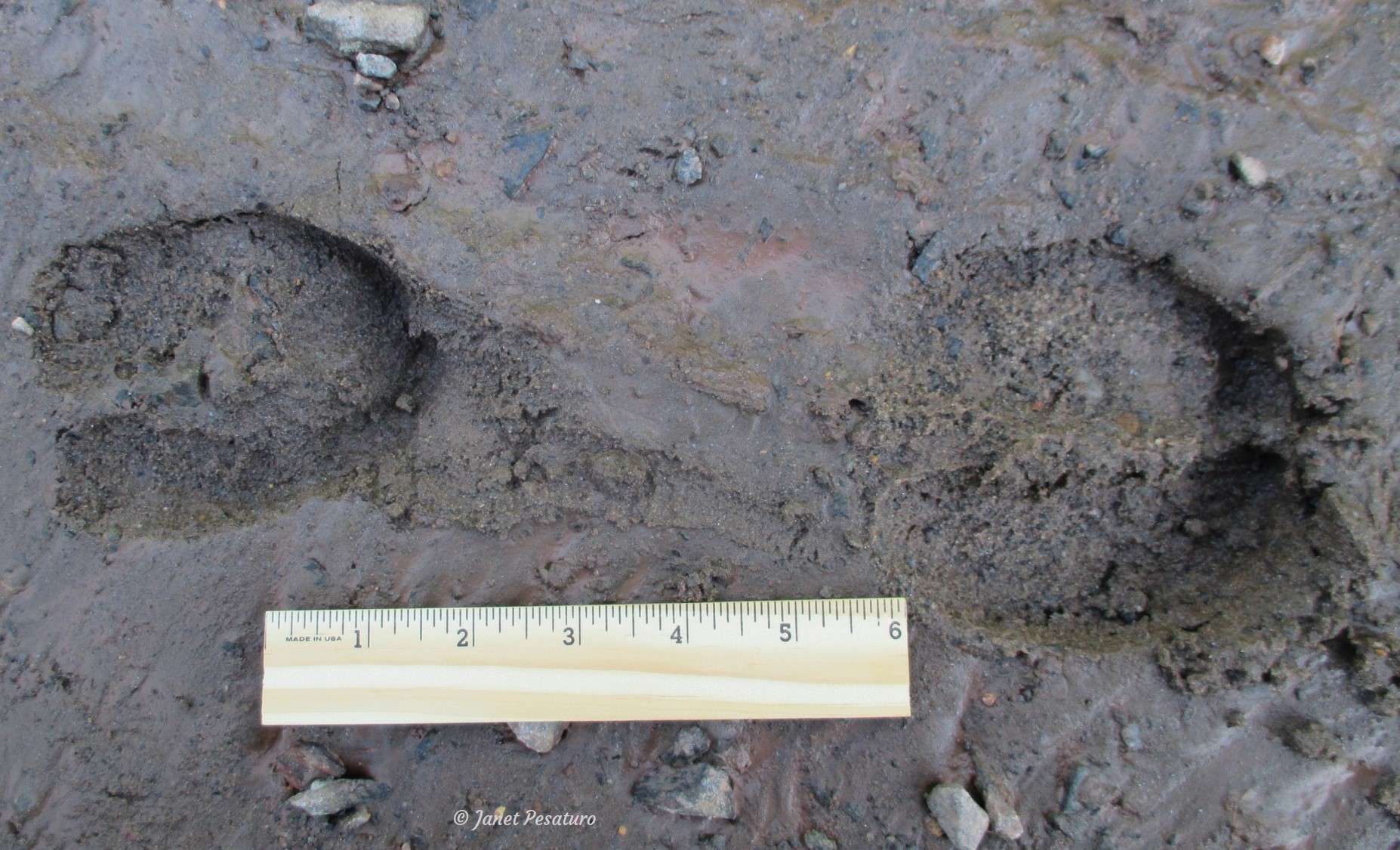
The first step in tracking is learning to identify elk tracks. Elk prints are larger and rounder than deer, usually 4 to 5 inches long and about 3.5 to 4.5 inches wide. The hoof tips are more rounded, and the tracks often show a slight inward curve.
To estimate how fresh a track is, look for sharp edges, moisture, and whether debris has settled inside. Fresh tracks are clear, moist, and undisturbed. Older tracks look dry, with leaves or dirt blown in.
Comparison of elk, deer, and moose tracks:
| Animal | Track Length | Track Width | Common Features |
|---|---|---|---|
| Elk | 4 – 5 in | 3.5 – 4.5 in | Rounded tips, inward curve |
| Deer | 2 – 3 in | 1.5 – 2.5 in | Pointed tips, narrow |
| Moose | 5 – 7 in | 4 – 6 in | Very large, rounded |
A common mistake: focusing only on single tracks. Always look for a trail or pattern. Elk often travel in groups, so you’ll likely see several tracks together, with some overlapping.
Recognizing Elk Sign
Elk leave more than just tracks. Learning to read other signs increases your chance of finding them.
Look for:
- Droppings: Elk droppings are oval and about the size of a grape. Fresh droppings are moist and dark.
- Rubs: Bulls rub their antlers on small trees, stripping bark and leaving a strong scent.
- Wallows: In summer and fall, bulls dig muddy pits, urinate, and roll to mark territory.
- Beds: Flattened grass or leaves, often in thick cover, reveal where elk have rested.
- Chewed twigs and bark: Elk feed on aspen, willow, and shrubs, leaving ragged edges.
A detail that beginners often miss: the direction of broken twigs or grass can point to where elk were moving. Combine this with tracks for better accuracy.
Following Trails And Patterns
Elk trails are usually well-worn and can be seen through grass, mud, or snow. These trails connect feeding areas, water sources, and bedding spots.
To follow a trail:
- Move slowly and quietly.
- Use binoculars to scan ahead before stepping into clearings.
- Pay attention to cross-trails—places where multiple elk paths meet, as these are high-traffic zones.
Elk often use the same trails for generations. If you find a fresh trail, follow it with patience. Avoid walking directly on tracks; step to the side to keep the trail undisturbed.
Many beginners forget to check uphill and downhill. Elk often travel along ridges or contour lines to save energy. In steep country, look for game trails that zigzag, not straight paths.
Understanding Elk Senses
Elk have excellent senses. They see movement well, even at a distance. Their sense of smell is their strongest defense, able to detect humans from over half a mile away if the wind is wrong. Elk also have good hearing, picking up unusual sounds quickly.
To avoid detection:
- Always keep the wind in your face.
- Walk slowly, pause often, and avoid snapping twigs.
- Wear muted colors and avoid scented soaps or sprays.
Understanding how elk use their senses helps you get closer without alerting them. If an elk senses danger, the whole herd may disappear for hours.
Interpreting Feeding And Bedding Areas
Elk spend much of their time feeding. In the morning and evening, they graze on grasses, forbs, and shrubs. During midday, they bed down in cover to chew cud and rest.
Signs of feeding include:
- Grazed meadows with fresh droppings.
- Chewed ends on shrubs.
- Trampled vegetation.
Bedding spots are often on north-facing slopes in summer, where it’s cooler, and on south-facing slopes in winter for sun warmth.
When you find a feeding or bedding area, check for how recently elk were there. If beds are warm or droppings are moist, elk may be close. Move slowly and watch for movement or sound.
A tip many miss: bedding spots often have several escape routes. Keep an eye on these paths, as elk may slip away quietly if disturbed.
Using Technology In Elk Tracking
Modern technology can help, but should not replace traditional skills. GPS devices and mapping apps like OnX or Gaia GPS let you mark signs, trails, and patterns. Trail cameras, set up ahead of time, capture elk movement in specific areas.
Comparison of traditional vs. modern tracking tools:
| Tool | Benefit | Limitation |
|---|---|---|
| Notebook & Map | Reliable, no batteries | Slower to update, not interactive |
| GPS/App | Accurate, fast updates | Needs battery, can fail |
| Trail Camera | Records animal activity | Requires setup, not real-time |
A useful, less-known tip: use your phone to photograph tracks and sign with a coin or ruler for scale. This allows you to study details later and compare with field guides.
Weather And Seasonal Factors
Elk behavior changes with weather and season. In deep snow, elk seek lower ground and often follow the same trails, making tracks easier to spot. In rain, tracks stay fresh longer, but sign like droppings may dissolve. During hot weather, elk rest in shade and are less active midday.
Fall is a special season for elk tracking. The rut brings bugling bulls and more movement. Listen for sounds and look for fresh rubs.
A mistake some make: ignoring weather forecasts. Sudden storms or wind shifts can erase tracks or make elk move. Always plan for changing conditions and check the forecast before heading out.
Tracking Elk In Different Habitats
Elk live in varied landscapes, each with its own tracking challenges.
- Dense forests: Look for broken branches, rubs, and fresh droppings. Tracks are harder to see, but sign is more concentrated.
- Open meadows: Tracks are visible, but elk spot you easily. Use cover and scan with binoculars before crossing open ground.
- Mountain slopes: Trails often follow contours. Watch for beds on benches or under trees.
- River bottoms: Elk use water for drinking and cooling. Look for fresh tracks, wallows, and chewed willows.
A practical tip: after finding sign in one habitat, check nearby transition areas. Elk often move between forest and meadow, especially at dawn and dusk.
Advanced Tracking Techniques
If you want to take your tracking to the next level, practice these advanced methods:
- Aging tracks: Compare moisture, sharpness, and overlap with other animal tracks. An older elk track may have squirrel or bird prints inside it.
- Reading gait: Step length shows whether elk were walking, trotting, or running. Long strides mean the animal was moving quickly—possibly spooked.
- Pattern recognition: Study how elk use the land over time. Mark locations on a map to find feeding and bedding patterns.
- Listening: Elk are vocal, especially during the rut. Learn to distinguish bugles, cow calls, and alarm barks.
One insight many miss: elk sometimes circle back on their own trail to check for followers. If tracks suddenly double back, slow down and look for fresh sign in all directions.
Safety And Ethics In Elk Tracking
Tracking elk means entering their world. Always respect the animals and other people.
- Follow local regulations about access, hunting, and wildlife viewing.
- Leave no trace—avoid damaging plants or disturbing bedding areas.
- Carry enough water, food, and emergency gear.
- Let someone know your plans before heading out.
Ethical tracking means observing without causing harm. If you find a herd, keep your distance and use binoculars for a closer look. Never chase or crowd elk, especially during calving season or winter when they are stressed.
Common Mistakes And How To Avoid Them
Many beginners make the same errors when starting out:
- Ignoring the wind: Always track with the wind in your face.
- Focusing only on tracks: Look for all sign, not just hoof prints.
- Moving too fast: Elk spot and hear sudden movements. Patience is key.
- Losing direction: Use maps or GPS to stay oriented.
- Giving up too soon: Elk can cover miles quickly. Sometimes you must track for hours or even return another day.
A final tip: practice tracking with a partner. Two sets of eyes spot more sign, and you can discuss what you find to learn faster.
Frequently Asked Questions
How Can You Tell If Elk Tracks Are Fresh?
Fresh elk tracks have sharp edges, show moisture in the soil, and usually aren’t filled with debris. If it rained recently, look for tracks that haven’t been washed away. Compare with older tracks nearby to learn the difference.
What Is The Best Time Of Day To Track Elk?
Elk are most active at dawn and dusk. These are the best times to find fresh tracks, feeding sign, and possibly spot elk moving between feeding and bedding areas.
How Do You Avoid Spooking Elk While Tracking?
Keep the wind in your face, move slowly, and avoid sudden noises. Wear natural colors and avoid scented products. Use binoculars to scan ahead before entering open areas.
Can Technology Replace Traditional Tracking Skills?
Technology like GPS and trail cameras is helpful, but traditional tracking skills are essential. Batteries can die, and devices can fail. Always carry a map and know how to read natural sign.
Where Can I Learn More About Elk Behavior And Tracking?
You can find more detailed information on elk biology, habits, and tracking at the National Wildlife Federation.
Tracking elk is a journey of learning, patience, and respect for the wild. The more you practice, the more you’ll see—not just elk, but the secrets of the land itself. Every sign tells a story, and with time, you’ll read it like a book written by nature.

