
Elk antlers are one of nature’s most impressive sights. If you’ve ever seen a majestic elk with a large, complex rack, you might wonder: how old is that animal? Many hunters, wildlife watchers, and researchers try to estimate elk age by antlers. But how reliable is this method, and what should you look for? Let’s explore the full story behind reading age from antlers, including what works, what doesn’t, and practical tips for anyone interested in elk.
Why People Try To Tell Elk Age By Antlers
Elk antlers spark curiosity for a reason. Hunters often want to target mature bulls for ethical and management reasons. Wildlife photographers and naturalists enjoy identifying age classes to better understand the population. Land managers may also use antler characteristics to track herd health.
But antlers are not simple age markers. Understanding what they reveal—and what they hide—helps you avoid common mistakes.
How Elk Antlers Grow And Change
The antlers of an elk are not just weapons or ornaments. They’re living tissue that regrows every year. Here’s how the cycle works:
- Spring: Antlers start growing from the pedicles (bony bases on the skull).
- Summer: Antlers grow rapidly, covered in soft velvet with blood vessels.
- Late Summer/Early Fall: Growth stops, velvet dries and is shed.
- Fall Rut: Antlers are used in fights and displays.
- Winter: Antlers fall off after the breeding season.
The cycle repeats, and each year, antlers can look a bit different, depending on age, health, and environment.
Key Factors Influencing Antler Growth
- Genetics: Some elk are naturally bigger-antlered.
- Nutrition: Poor diet can limit size, even in older bulls.
- Injury or Disease: Can cause abnormal or stunted growth.
- Stress: Severe winters or droughts can shrink antlers.
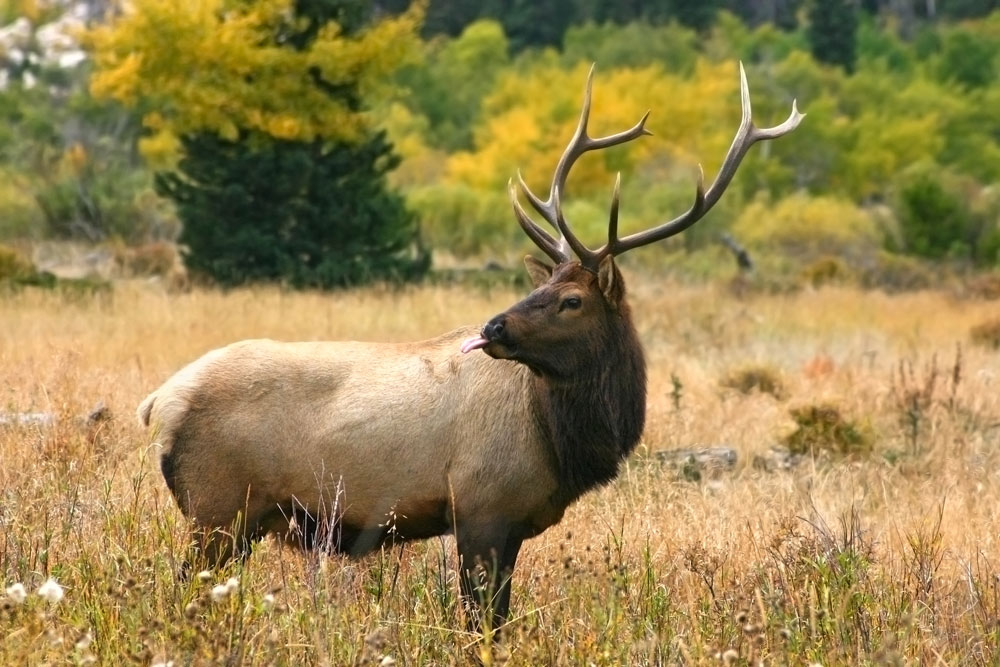
What Antlers Reveal About Elk Age
Many believe you can “read” an elk’s age by counting antler points or looking at size. This is only partly true. To understand why, it helps to break down antler development by age group.
Elk Age And Antler Development
Here’s a general guide to what antlers look like as an elk ages:
| Age | Antler Size & Shape | Number of Points (Typical) |
|---|---|---|
| 1 year (Yearling) | Small spikes, thin, straight | Usually 1-2 per side |
| 2 years | Thin, short antlers; few branches | 2-4 per side |
| 3-4 years | More mass, longer tines, some symmetry | Up to 5 per side |
| 5-7 years | Maximum size, thick beams, mature “royal” look | 6 or more per side |
| 8+ years | Possible decline, more irregular, sometimes “palmated” | Varies |
Most mature bulls reach their biggest, most classic racks between 5 and 8 years old. After that, antlers may get smaller or less regular as the elk ages further.
Step-by-step: How To Estimate Elk Age By Antlers
If you want to guess an elk’s age in the field, look for these clues:
1. Look For Spikes Or Simple Antlers
Young bulls (yearlings) almost always have spike antlers—just a single, unbranched point on each side. If you see a bull with only two straight, thin antlers, it’s almost certainly just over one year old.
2. Count The Points (tines)
A “point” is a tine at least one inch long. In North America, we often say “6×6” for a mature bull with six points on each side. But more points don’t always mean an older elk.
- 2-4 points per side: Usually 2-3 years old.
- 5-6 points per side: Most likely 4-7 years old.
- More than 6 points: Possible in older, healthy bulls, but also depends on genetics.
3. Check Antler Mass And Beam Thickness
Older bulls have thicker beams (main antler stems) and more mass at the base. Yearlings and two-year-olds have skinny antlers. As elk mature, the beams get noticeably heavier.
4. Look For Eye Guard Tines
Mature elk develop strong “brow tines” or “eye guards”—the first tines above the base. Bulls younger than three years often have weak or missing brow tines.
5. Notice Antler Symmetry And Shape
Young bulls often have uneven, awkward racks. Mature bulls (5-8 years) usually have well-balanced, symmetrical antlers. Very old bulls may develop odd, twisted, or palmated antlers as they decline.
6. Observe Antler Wear, Breakage, And Color
Older elk sometimes show more wear or broken tines from fighting. Antlers can darken with age, but color also depends on rubbing trees. Broken antlers are not a reliable age marker, but heavily worn ones are more common in older animals.

What Antlers Can’t Tell You
Antlers are not a perfect record of age. Here’s why:
- Genetic variation means two elk of the same age can have very different racks.
- Poor nutrition can cause small antlers in older bulls.
- Injury or stress can make antlers “stunt” for a year or grow in strange shapes.
- Some elk have “non-typical” antlers due to genetics or accidents.
Antler aging works best for identifying young bulls (spikes and simple racks) or mature bulls (classic 6×6). It’s much less accurate for older animals or those in poor health.
Comparing Antler Aging To Other Methods
To see how antlers stack up, let’s compare antler-based aging to tooth aging and body features.
| Method | Accuracy | Best For | Limitations |
|---|---|---|---|
| Antlers | Fair (especially for young/mature bulls) | Quick field estimates | Not precise, influenced by many factors |
| Teeth (cementum rings) | Very high | Research, harvested elk | Requires lab analysis, not for live animals |
| Body size/shape | Moderate | Field observation | Varies by region, nutrition |
Teeth are the most accurate, but you need the animal’s jaw. Antlers are fast but less reliable for exact age.
Practical Tips For Judging Elk Age In The Field
- Combine Antlers with Body Clues: Look at body size, neck, and belly. Older bulls are stockier, have deeper chests, and a heavier, “bull-necked” look.
- Watch Behavior: Young bulls avoid fights, while mature bulls are more dominant.
- Consider the Setting: In well-fed herds, even young bulls may have bigger antlers.
- Use Binoculars or a Spotting Scope: Details matter—look for base mass, brow tines, and symmetry.
- Don’t Rely on Antlers Alone: Always combine clues for a better guess.
Non-obvious Insights Most Beginners Miss
Many people focus only on the number of points, but two key details matter more:
- Antler Mass Over Points: Heavy, thick antlers are a better sign of maturity than just point count.
- Brow Tine Strength: Weak or missing brow tines almost always mean a bull is three years old or younger.
Also, in some areas, “spike” bulls are protected to allow them to mature—knowing how to spot them matters for legal and ethical reasons.

How Environment And Genetics Affect Antler Clues
In places with harsh winters, elk may have smaller antlers at the same age as those in mild climates. Genetics can create “trophy” racks on young bulls, or plain antlers on older ones. If you’re managing land or tracking herd health, keep records over several years and look for patterns, not just single-year racks.
Real-world Examples
- In Yellowstone National Park, a 6-year-old bull may have a 6×6 rack with heavy beams, while a stressed bull of the same age elsewhere could show only 4 points per side.
- A “spike bull” in a rich habitat could have thicker spikes than a 2-year-old in a poor area, but still lacks brow tines.
- In areas with hunting for “branched antler” bulls only, some elk populations develop more spikes due to genetics and harvest pressure.
Common Mistakes When Judging Elk Age By Antlers
- Counting Points Only: Some young bulls have many points due to genetics, while older ones may lose tines.
- Ignoring Nutrition: Malnourished elk grow small racks at any age.
- Not Checking for Brow Tines: Missing this clue leads to wrong guesses.
- Assuming Size Equals Age: Large antlers can occur on 4-year-olds in prime conditions.
- Overlooking Wear and Symmetry: These are better clues for mature and older elk.
How Hunters And Managers Use Antler Aging
Wildlife managers may use antler characteristics to set hunting rules, like “spike-only” or “6-point minimum. ” Hunters use antlers to choose legal or ethical targets. Both groups know that antlers are a guide, not a guarantee. For research, managers prefer tooth aging, but antlers are still a useful field tool.
The Role Of Antler Aging In Conservation
Antler-based aging helps protect young elk and lets mature bulls breed. In places with trophy hunting, it also helps maintain healthy age structure. But if rules focus only on points, they can accidentally favor “spike” genetics, which may shrink racks over time.
Smart management always uses multiple clues.
Final Thoughts
Estimating elk age by antlers is a skill that improves with practice. It’s not an exact science, but knowing what to look for—spikes, brow tines, antler mass, and symmetry—can help you make much better guesses. Always remember that nutrition, genetics, and local conditions matter too. The best approach is to combine antler clues with body size, behavior, and, when possible, tooth checks for full accuracy. Whether you’re a hunter, photographer, or wildlife enthusiast, understanding elk antlers adds a new layer of appreciation to every encounter in the wild.
For more detail on elk biology, see the Wikipedia page on elk.
Frequently Asked Questions
How Accurate Is Aging Elk By Antlers?
Estimating age by antlers is only partly accurate. It works best for identifying very young (yearlings) or classic mature bulls (5-8 years old). For exact age, tooth analysis is much more reliable.
Can You Tell A Bull’s Age Just By Counting Points?
No. Counting points is not a sure method. Genetics, nutrition, and injury can all change the number of points on elk antlers. Use point count along with mass, brow tines, and symmetry for better results.
Why Do Some Old Elk Have Small Antlers?
Older elk may grow smaller or irregular antlers due to age, declining health, or poor nutrition. Sometimes, very old bulls show more palmation (flattened antler tips) and less symmetry.
Are Spike Bulls Always Yearlings?
Almost always, yes. Spike bulls are usually 1-1. 5 years old. Rarely, poor health or genetics can cause older elk to have spike antlers, but this is uncommon.
What Is The Most Reliable Way To Age An Elk?
The most reliable method is to examine the teeth, especially using cementum annuli (growth rings) in the lab. For live or observed elk, use a combination of antlers, body size, and behavior for the best estimate.

