If you spend time outdoors, you may come across small piles of droppings on trails, fields, or even your own yard. Many people wonder how to tell if these belong to deer or some other animal. Knowing how to identify deer droppings helps hunters, wildlife watchers, and gardeners alike. The shape, size, and arrangement of these pellets can reveal a lot about deer activity, and even their health.
Understanding what deer droppings look like is not just about curiosity. It can show if deer are damaging your crops, help track their movement, or confirm their presence in a new area. Some people confuse deer droppings with those from rabbits, goats, or other animals, leading to mistakes.
This guide will help you confidently spot deer droppings and avoid common errors.
What Do Deer Droppings Look Like?
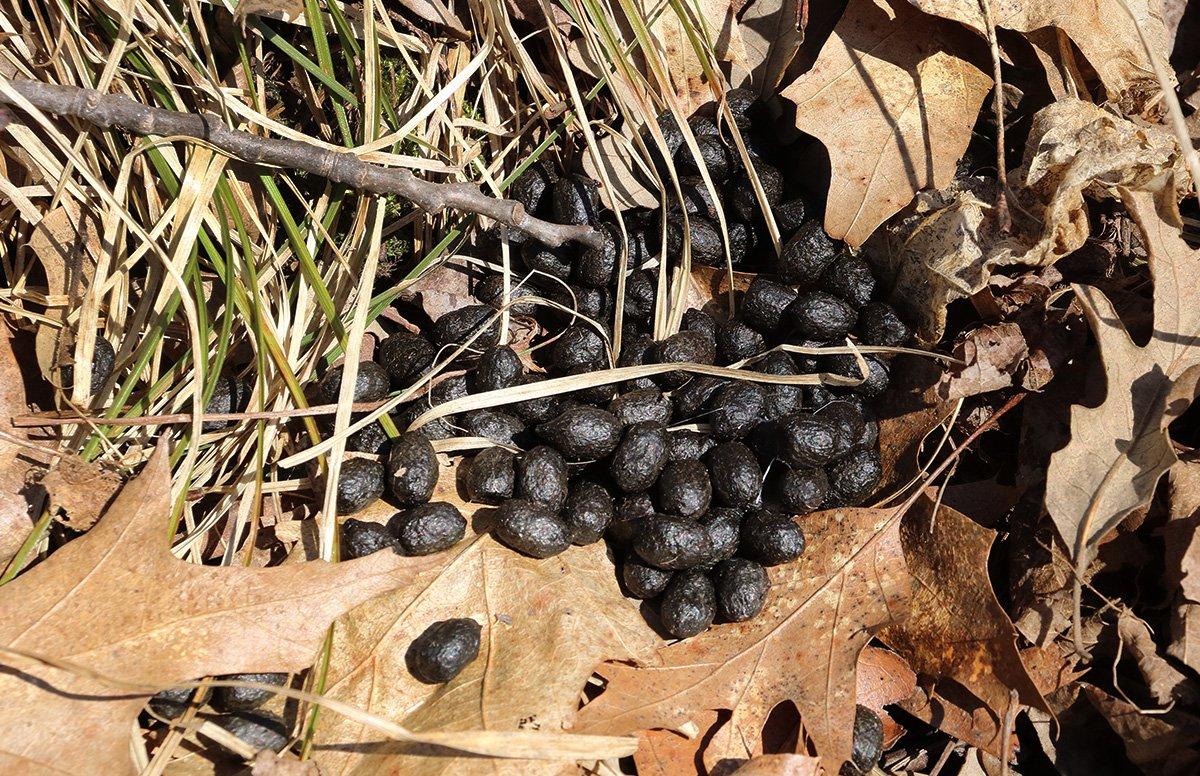
Deer droppings are usually easy to recognize once you know the signs. Each dropping is a small, oval-shaped pellet, often dark brown or black. The exact look may change with the deer’s diet and health.
Key features of deer droppings:
- Shape: Mostly oval or slightly pointed on one end.
- Size: Usually 1 to 1.5 cm (about half an inch) long.
- Texture: Firm but not rock-hard; moist when fresh, dry and hard when old.
- Color: Dark brown to almost black.
You might find deer droppings as loose piles, long strings, or scattered singles. These forms depend on what the deer has eaten and how long they stayed in the area.
How To Distinguish Deer Droppings From Other Animals
It’s easy to mix up deer droppings with those from other wildlife. Here’s a comparison to help you tell the difference:
| Animal | Dropping Shape | Typical Size | Key Differences |
|---|---|---|---|
| Deer | Oval, pointed at one end | 1–1.5 cm | Dark, pellets in piles or strings |
| Rabbit | Round balls | 0.5–1 cm | Smaller, more spherical, lighter brown |
| Goat/Sheep | Oval or round | Similar to deer | Usually lighter, found near farms |
| Moose | Large, oval | 2–2.5 cm | Much larger pellets |
A non-obvious insight: Deer droppings often appear in clusters, and the pile’s size can hint at the number of deer. A large, scattered pile may mean several deer rested or fed at that spot.
Fresh Vs. Old Deer Droppings
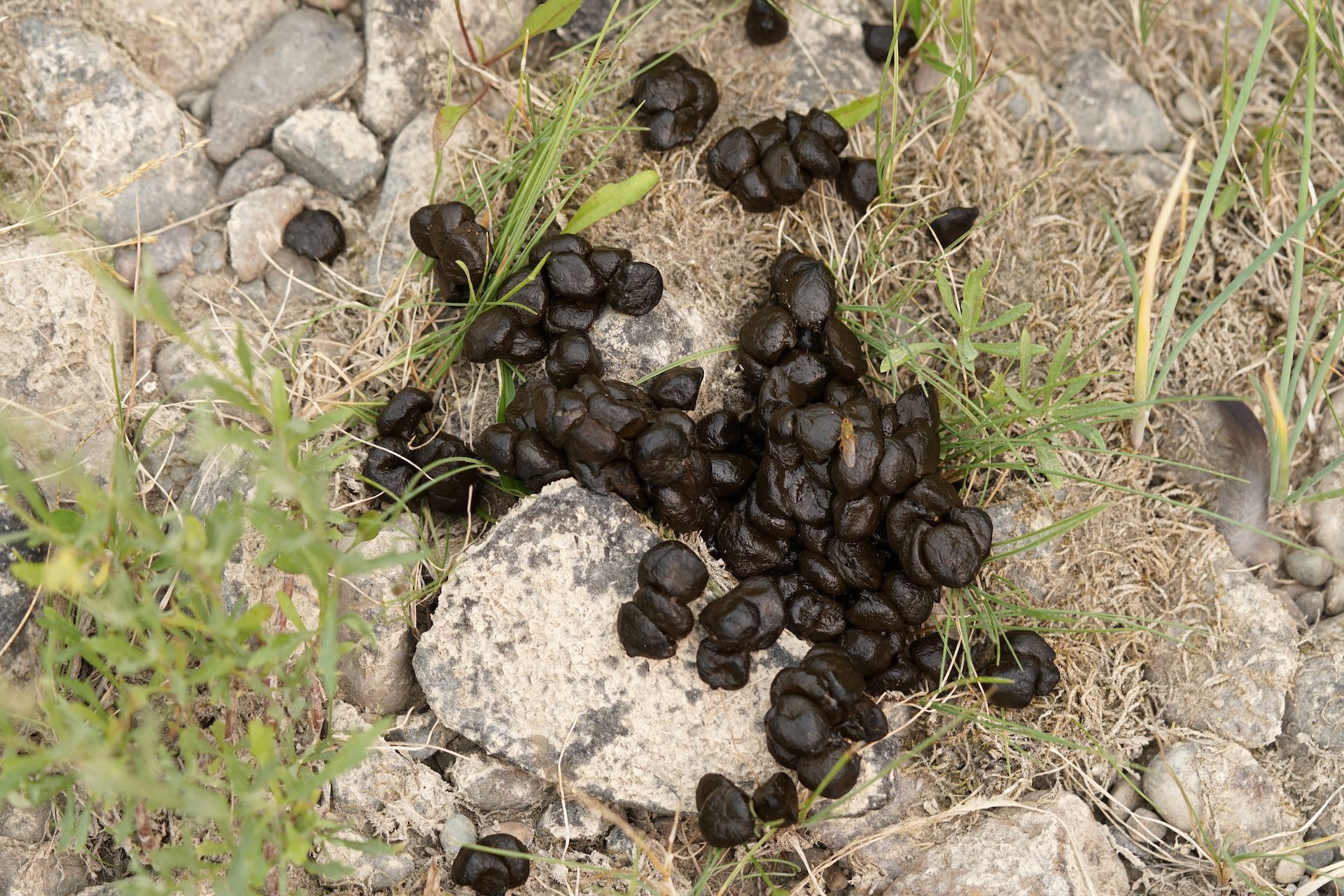
Knowing if droppings are fresh can tell you how recently deer visited. This is important for hunters and wildlife enthusiasts.
| Dropping Age | Appearance | Texture |
|---|---|---|
| Fresh | Dark, shiny | Moist, soft |
| Old | Dull, grayish | Dry, hard |
Tip: After rain, even old droppings can look darker. Check for moisture by gently pressing with a stick.
What Can Deer Droppings Tell You?
Deer droppings aren’t just about presence. They can reveal details about the animal’s diet, health, and habits.
Diet Clues
- Pellets: When deer eat dry food like twigs or grains, droppings are formed as separate pellets.
- Clumps/Loose: Eating wet foods (lush grass, fruit) often makes droppings softer or clumped.
A practical example: In spring, deer often eat fresh greens, so you’ll see more loose droppings. In winter, pellets return as their diet gets drier.
Health And Disease Signs
Unusual droppings—very loose, very dry, or with odd colors—could show health issues. Consistent loose stools may mean the deer is sick or stressed.
Activity And Patterns
The location and amount of droppings show where deer sleep, feed, or travel. A single pile might mean a resting spot, while a trail of pellets can mark a path.
Practical Tips For Identifying Deer Droppings
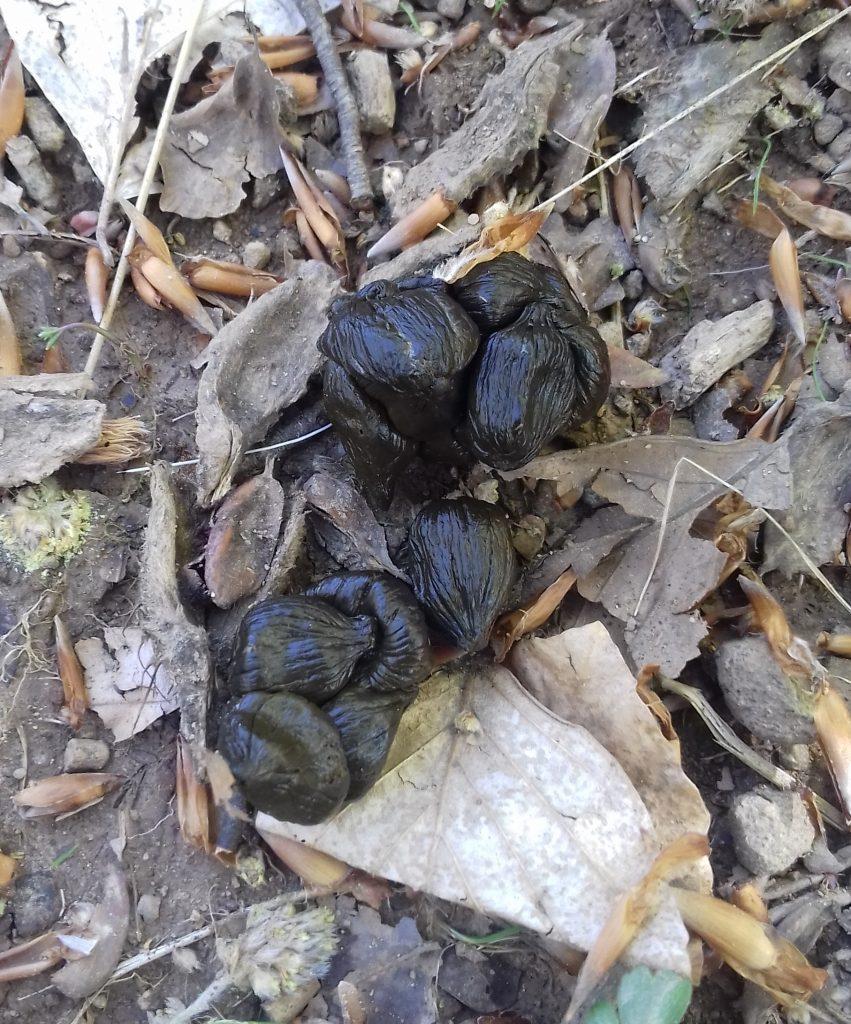
- Look for piles: Deer often leave 40–100 pellets at once.
- Notice surroundings: Under apple trees, you may find loose droppings from a fruit-heavy diet.
- Use gloves: Always wear gloves if you touch droppings for safety.
- Check height: Droppings under low shrubs usually mean deer, not rabbits.
- Notice tracks: Deer hoof prints nearby confirm your guess.
A beginner’s mistake is to judge only by color. Many animal droppings turn dark after a few days outdoors.
Why Knowing Deer Droppings Matters
Identifying deer droppings is not just for hunters. Gardeners can spot deer damage risks early. Hikers and photographers can find the best spots to see deer. Even scientists use this information to study deer populations without disturbing them.
For more about tracking animals and their signs, you can visit the Wikipedia page on animal tracks.
Common Myths About Deer Droppings
- All droppings are pellets: Sometimes, droppings are loose or clumped, depending on diet.
- Only deer make oval pellets: Goats and sheep do too, but they are usually found near farms, not wild areas.
- Fresh droppings are always wet: Hot sun can dry them quickly, so don’t rely on feel alone.
Frequently Asked Questions
How Often Do Deer Produce Droppings?
Deer can defecate 10–15 times each day. This number depends on their diet and stress level. More food and water usually mean more droppings.
Can You Tell A Deer’s Age From Its Droppings?
No, you cannot tell the exact age of a deer from its droppings. Droppings mostly show diet and general health, not age.
Are Deer Droppings Dangerous To Humans?
Deer droppings can carry bacteria and parasites. Always use gloves and wash your hands after handling. Do not use them as fertilizer without composting.
Do Male And Female Deer Have Different Droppings?
There is no clear difference between male and female deer droppings. Both look the same, so you can’t tell the sex by droppings alone.
How Long Do Deer Droppings Last In Nature?
Deer droppings can last several weeks to months, depending on weather. Rain, sun, and insects break them down faster in warm, wet climates.
Learning how to tell deer droppings is a valuable outdoor skill. With practice, you’ll spot the signs quickly and understand more about the wildlife around you. Deer leave clues everywhere—they just take a trained eye to notice.