
Spotting elk tracks can turn a simple walk in the woods into an exciting wildlife adventure. For hunters, hikers, or anyone who loves nature, learning how to read these signs opens a new world. But elk tracks are not always obvious, and many people mistake them for deer or moose tracks. With a little knowledge, though, you can quickly learn how to spot and understand the clues elk leave behind.
Elk are among the largest land mammals in North America. They move through forests, meadows, and mountains, often traveling long distances in search of food. Their tracks tell stories about where they have been, what they were doing, and even how fast they moved.
By the end of this guide, you will know exactly what to look for, how to tell elk tracks from similar animals, and how to use this knowledge to deepen your outdoor experience.
Understanding Elk Foot Anatomy
Before you can spot elk tracks, it helps to know what makes them unique. Elk have cloven hooves, meaning each foot is split into two large toes. These toes leave a clear, heart-shaped print in soft ground. There are also two smaller toes called dewclaws higher up on the leg, which sometimes show in tracks, especially if the elk was running or walking through mud or snow.
The size of the track is a big clue. Adult elk tracks are usually between 4 to 5 inches long and 3.5 to 4.5 inches wide. This is much larger than deer tracks, but usually smaller than a moose’s. The hooves are rounded at the tip, not sharply pointed.
Identifying Elk Tracks: Key Features
When you come across a set of tracks, look for these features to decide if they belong to an elk:
- Size: As mentioned, elk tracks are about 4–5 inches long. If you see a print smaller than this, you may be looking at a deer. Larger prints could be a moose.
- Shape: Elk prints are heart-shaped, with a rounder tip. The two toes are close together.
- Depth: The weight of an elk (500–1,000 pounds for adults) makes deep impressions, especially in soft ground.
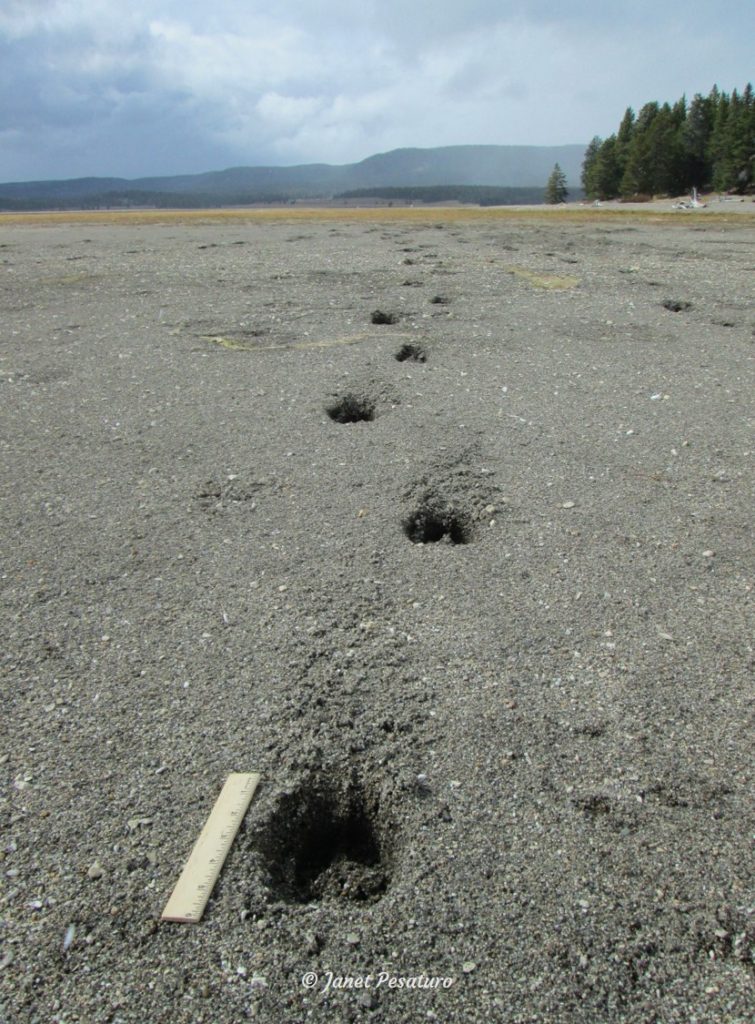
- Spacing: Elk have a long stride, usually 24–36 inches between prints when walking.
- Dewclaws: These may appear in deep or fast-moving tracks, as two small dots behind the main print.
Here’s a simple comparison between elk, deer, and moose tracks:
| Animal | Track Length | Track Width | Shape |
|---|---|---|---|
| Elk | 4–5 inches | 3.5–4.5 inches | Rounded, heart-shaped |
| Deer | 2–3 inches | 1.5–2 inches | Pointed, narrow |
| Moose | 5–7 inches | 4–6 inches | Very large, rounded |
Best Places To Spot Elk Tracks
You are more likely to find elk tracks in certain locations. Knowing where to look saves time and increases your chances.
1. Water Sources
Elk need water every day. Check the muddy banks of streams, rivers, ponds, and lakes. Soft ground near water captures clear prints.
2. Meadows And Open Fields
Elk often feed in open meadows during early morning or late evening. Walk the edges of these fields for fresh tracks.
3. Forest Trails
Look for elk tracks on game trails that wind through the woods. Elk use the same paths often, so you may find a line of prints.
4. Snowy Areas
Snow can reveal detailed tracks. Early morning after fresh snow is ideal, as tracks are undisturbed and easy to read.
5. Muddy Ground
After rain, mud holds prints well. Check open areas and forest edges where elk may have walked after a storm.
Reading Track Patterns
Identifying one elk track is a start, but reading the track pattern gives you more information.
Walking
When walking, elk leave a straight line of prints, each about 24–36 inches apart. The stride is longer than a deer, and the prints point forward, not to the side.
Trotting
If the elk was trotting, the prints are farther apart (up to 48 inches) and sometimes less defined as the animal moves faster.
Running
Running elk dig deep into the ground, showing long, splayed prints. You may also see dewclaws at the back of each print.
Herd Movement
Elk travel in groups. If you see several sets of tracks together, especially of different sizes (adults and calves), you have likely found a herd’s path.
Signs Of Freshness: How Old Is The Track?
Telling how old a track is can help you know if elk are still nearby.
- Crisp edges mean the track is fresh, likely made within hours.
- Soft or crumbling edges show the track is older, possibly a day or more.
- Debris in the print (like leaves or grass) usually means the track was made before the debris fell.
- Weather impact: Rain or wind can blur or fill prints, making them hard to see.
A useful tip: press your finger into the ground next to the track. If your print is sharper than the elk’s, the animal passed by some time ago.
Elk Tracks In Different Seasons
The appearance and clarity of elk tracks change with the seasons.
Spring
Melting snow and rain create muddy ground, making tracks clear and deep. Elk move to higher ground as snow melts, so look for tracks on hillsides and forest edges.
Summer
Dry ground makes tracks harder to spot. Focus on areas near water, as elk visit these places often.
Fall
During the elk rut, males move more and leave larger, deeper tracks. Fallen leaves may cover tracks quickly, so look for disturbed areas.
Winter
Snow is the best surface for tracking. Fresh snow shows clean prints, and you can often follow the tracks for long distances. However, old snow can fill in tracks and make them hard to read.

Differentiating Elk Tracks From Other Animals
Beginners often confuse elk tracks with deer or moose. Here’s how to tell them apart:
Elk Vs. Deer
- Size: Elk tracks are much larger.
- Shape: Elk have rounder tips, deer are more pointed.
- Depth: Elk tracks are deeper due to their weight.
Elk Vs. Moose
- Size: Moose tracks are bigger, sometimes up to 7 inches.
- Shape: Moose tracks are more rounded and wider.
Elk Vs. Cattle
Some areas have cattle that leave similar tracks, but cow hoof prints are usually blunter and sometimes have a more squared-off look.
Here’s a quick comparison:
| Feature | Elk | Deer | Moose | Cattle |
|---|---|---|---|---|
| Track Length | 4–5 in | 2–3 in | 5–7 in | 3–4.5 in |
| Track Shape | Heart-shaped | Pointed | Wide/rounded | Squarish/blunt |
| Dewclaws Visible | Sometimes | Rarely | Commonly | Rarely |
Extra Clues: More Than Just Tracks
Elk leave other clues besides footprints. Learning to spot these helps confirm their presence.
- Droppings: Elk scat looks like oval, dark pellets, larger than deer droppings.
- Rubs: Male elk rub their antlers on trees, leaving stripped bark and broken branches.
- Beds: Flattened grass or leaves can mark where elk rested.
- Trails: Well-worn paths through grass or brush show elk travel routes.
If you find several clues together—tracks, droppings, rubs—it’s a strong sign elk are or were recently in the area.
Practical Tips For Tracking Elk
Tracking elk is a skill you develop with practice. Here are some tips to improve your chances:
- Go early or late: Elk are most active at dawn and dusk.
- Look for fresh tracks after rain or snow: These are easier to see and follow.
- Move quietly: Elk have excellent hearing and smell.
- Watch for patterns: Elk often use the same trails and crossing points.
- Take notes and photos: These help you compare tracks later and learn faster.
One non-obvious insight: pay attention to the direction of broken twigs or bent grass near tracks. These can show the animal’s height and the direction it was moving, which is especially useful in thick brush.
Using Technology In Tracking
Modern tools can help you spot and analyze elk tracks.
- Smartphone GPS: Mark locations where you find tracks to look for patterns.
- Trail cameras: Place these near fresh tracks to confirm elk activity.
- Tracking apps: Some apps help identify animal tracks and compare sizes.
However, don’t rely solely on technology. The best trackers use their senses and knowledge of elk behavior.
Mistakes Beginners Make
Many people make the same errors when starting out. Here’s how to avoid them:
- Confusing elk tracks with deer or moose: Always check size and shape.
- Following old tracks: Focus on sharp, fresh prints for the best chance of seeing elk.
- Ignoring other signs: Use droppings, rubs, and trails as confirmation.
- Assuming elk always walk in a straight line: They may zigzag or follow cover, especially if spooked.
Another insight: after a rain, animal tracks may fill with water and look larger than they really are. Use a stick or ruler to measure and compare to known sizes.
Why Learn To Spot Elk Tracks?
Learning to spot elk tracks is rewarding for several reasons:
- Wildlife watching: Seeing elk in the wild is a thrill, and tracks guide you to the right places.
- Hunting: Understanding tracks increases your chances of a successful hunt.
- Nature appreciation: Tracking sharpens your senses and connects you with the outdoors.
- Conservation: Knowing where elk travel helps with wildlife management and protection efforts.
Elk are an important part of the ecosystem. By learning to recognize their tracks, you become more aware of their presence and the health of their environment.
For more in-depth reading on elk and their habits, visit the Wikipedia entry on elk.

Frequently Asked Questions
What Is The Average Size Of An Elk Track?
Adult elk tracks measure about 4 to 5 inches long and 3.5 to 4.5 inches wide. Calf tracks are smaller but still larger than deer tracks. Always measure both length and width for accuracy.
How Can I Tell Elk Tracks From Deer Tracks?
The main differences are size and shape. Elk tracks are much larger and have a rounder, heart-shaped tip, while deer tracks are smaller and more pointed.
Do Elk Tracks Always Show Dewclaws?
No, dewclaws only show in very soft ground or when the elk is running or jumping. Most walking tracks only show the two main toes.
When Is The Best Time To Look For Elk Tracks?
Early morning after rain or fresh snow is the best time. Tracks are easier to see and are more likely to be fresh, increasing your chances of finding elk.
Can I Use Elk Tracks To Find A Herd?
Yes, especially if you find multiple tracks of different sizes together. This usually means a group of elk, as they travel in herds, especially cows and calves.
Spotting elk tracks is more than just a skill—it’s a way to connect with nature. Each track tells a story, and with practice, you can read the paths elk take through wild places. Next time you walk in elk country, look down and discover the signs that many people miss.

