
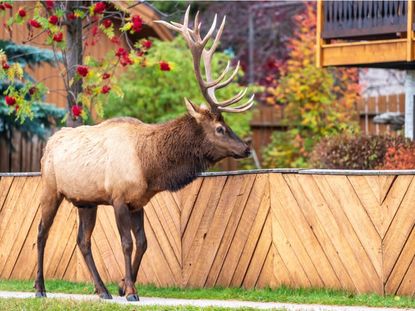
Elk are some of the most impressive animals in North America. Their large size and majestic antlers are a true sight in the wild. But for gardeners, elk can quickly become a serious problem. These animals are hungry, strong, and not easily scared away.
When elk find your garden, they can eat plants, damage trees, and even destroy fences. If you live in an area where elk are common, you need a smart plan to protect your garden.
Preventing elk damage is not about just one solution. Elk are smart and can learn to ignore simple tricks. To really keep them out, you need to use several methods together. This article will guide you through the best ways to prevent elk damage in gardens.
You will learn about physical barriers, natural repellents, smart planting choices, and more. These tips will help you enjoy your garden without worrying about elk turning it into their next meal.
Understanding Elk Behavior
Before you try to stop elk, it helps to know what attracts them. Elk are herbivores, which means they eat plants. Their favorite foods include tender shoots, young trees, and many garden vegetables. In spring and summer, they look for soft, green growth. In autumn and winter, they may eat bark or dig for roots.
Elk are most active at dawn and dusk. They move quietly and can jump over low barriers. Because elk travel in groups, one visit can quickly turn into a big problem. Understanding their patterns helps you build better defenses.
Physical Barriers: Your First Line Of Defense
Fencing For Elk
The most effective way to keep elk out is with strong fencing. But regular garden fences rarely work. Elk can jump as high as 8 feet (about 2.4 meters), and they are strong enough to push weak structures over.
| Fence Type | Height | Effectiveness | Cost |
|---|---|---|---|
| Standard Wire Fence | 4-5 feet | Low | Low |
| Wooden Rail Fence | 5-6 feet | Medium | High |
| Elk-Proof Fence | 8 feet+ | High | Medium-High |
| Electric Fence (Multi-wire) | 6-8 feet | High | Medium |
An elk-proof fence should be at least 8 feet tall. Use heavy-duty wire mesh or woven wire. Make sure the bottom is tight to the ground, so elk cannot push under it. Some gardeners add a slanted top (away from the garden) to make jumping harder.
Electric fences can also work well. Place several wires at different heights, starting 2 feet above the ground up to 6-8 feet. Use warning signs for safety. Electric fences are less visible, so elk may test them at first. After a mild shock, most elk will avoid the area.
Gates And Entry Points
Even the best fence is useless if the gate is weak. Use the same strong materials for gates as for the rest of the fence. Keep gates closed and locked, especially at night and early morning.
Tree Guards
Elk often rub their antlers on young trees, stripping bark and killing the tree. Wrap trunks with tree guards made of plastic or metal mesh. These should be at least 4 feet high, to protect from both feeding and rubbing.

Natural Repellents And Deterrents
Scent-based Repellents
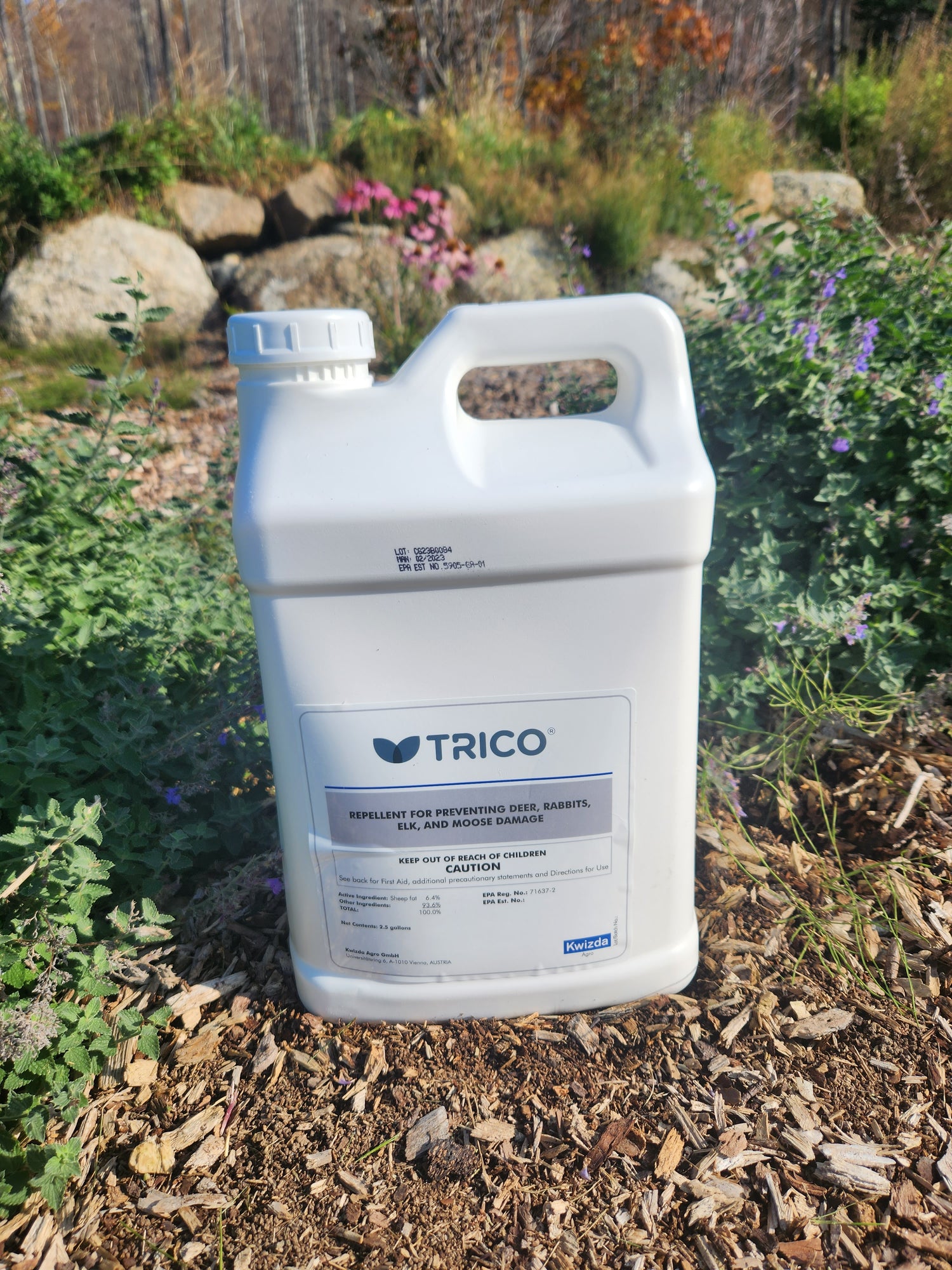
Elk have a strong sense of smell. Some smells can keep them away, though no scent works forever. Rotate different repellents to avoid elk getting used to one type.
Common repellents include:
- Commercial sprays with rotten egg or predator urine scents
- Homemade mixtures using garlic, hot pepper, or soap shavings
- Human hair or scented dryer sheets tied to plants
Scent repellents work best when reapplied after rain or every few weeks. Spray directly on plants elk like to eat.
Noise And Motion Devices
Sudden sounds or movement can scare elk. You can use:
- Motion-activated sprinklers that spray water when elk approach
- Wind chimes or noisy tin cans hung around the garden
- Motion-activated lights or alarms
These devices are most effective when elk first visit. Over time, elk may learn that the sounds are not dangerous. Move devices to new spots, and combine with other methods for best results.
Visual Deterrents
Elk are cautious with new sights. Some gardeners use reflective tape, hanging CDs, or even fake predators. While these can keep elk away for a short time, they often lose their power as elk get used to them.
Smart Plant Choices: What To Grow (and Avoid)
Some plants are a magnet for elk, while others are less attractive. Choosing the right plants can lower the risk of damage.
Elk-resistant Plants
While no plant is 100% elk-proof, some are less likely to be eaten. Elk tend to avoid strong-smelling or toxic plants.
Examples include:
- Lavender
- Daffodils
- Foxglove
- Peonies
- Russian sage
- Yarrow
- Boxwood shrubs
Plant these near the edges of your garden as a natural barrier. For extra protection, mix elk-resistant plants between your more vulnerable vegetables or flowers.
Plants Elk Love
Avoid planting large amounts of elk favorites in open areas. Elk especially like:
- Tulips
- Hostas
- Fruit trees (like apple and cherry)
- Lettuce
- Carrots
- Beans
- Young conifers
If you must grow these, keep them closer to your house or inside fenced areas.
Companion Planting
Companion planting mixes strong-smelling plants with vulnerable ones. For example, plant garlic or chives near vegetables. The smell can help mask the scent of more tasty crops.
Creating An Unfriendly Habitat
Elk prefer gardens with easy food and shelter. Making your garden less welcoming can push them to look elsewhere.
- Clear brush and tall grass from around your garden. Elk like to hide before entering open spaces.
- Remove fallen fruit and vegetable scraps. These attract elk and other wildlife.
- Stack firewood and garden tools away from the garden edge, so elk do not find hiding spots.
- Keep pets active in the yard. Even a small dog can make elk think twice before entering.
Community Solutions
Elk do not respect property lines. If your neighbors also have gardens, work together. A fence that covers several yards is more effective than many small fences. Share tips and watch for elk activity together.
Some communities use wildlife corridors to guide elk away from homes and gardens. These are strips of natural land with food and water, leading elk to safer places. If elk problems are serious, talk to local wildlife officials about community-wide solutions.
Maintenance And Consistency
One mistake many gardeners make is letting their guard down after a few weeks without elk. Elk may not visit every day, but they remember good food sources. Inspect fences and barriers often, especially after storms or heavy snow.
Reapply repellents, check that motion devices work, and look for fresh elk tracks. Early action stops small problems from becoming big ones.
Common Mistakes When Dealing With Elk
Many gardeners try methods that work on deer or rabbits, but elk need stronger solutions. Here are some common mistakes to avoid:
- Building fences too short (elk can jump much higher than deer)
- Using only one method (elk get used to single deterrents)
- Ignoring the seasons (elk needs change through the year)
- Planting elk favorites without protection
By avoiding these errors, you greatly increase your chances of a damage-free garden.
Comparing Elk Prevention Methods
To help you choose, here’s a quick comparison of popular elk deterrents:
| Method | Initial Cost | Maintenance | Long-Term Effectiveness |
|---|---|---|---|
| 8 ft Fencing | High | Low | Excellent |
| Electric Fence | Medium | Medium | Very Good |
| Scent Repellents | Low | High | Fair |
| Motion Devices | Medium | Medium | Short-Term |
| Elk-Resistant Plants | Low | Low | Good (but not foolproof) |
Two Non-obvious Insights
First, many gardeners do not realize that elk are more likely to visit during hard winters. When food is scarce, even less-tasty plants can be eaten. In these times, increase all defenses and check barriers daily.
Second, elk often follow paths. If you see elk tracks along a certain route, block it with brush piles or extra fencing. Redirecting elk away from your garden is often easier than stopping them at the last minute.
Extra Tips For Success
- Rotate repellents and deterrents every few weeks to avoid elk learning your patterns.
- Use wildlife cameras to monitor elk visits when you are not around.
- Consider applying for local grants or programs that help with wildlife fencing (some areas offer support for this).
For more on elk behavior and wildlife-friendly gardening, the National Park Service offers helpful resources.
A garden is a place of hard work and pride. Protecting it from elk takes planning, but the results are worth it. With strong fences, smart planting, and good habits, you can keep your garden beautiful and productive—elk-free.
Frequently Asked Questions
How High Should A Fence Be To Keep Elk Out?
A fence should be at least 8 feet tall to reliably keep elk out. Lower fences may stop deer, but elk can jump much higher.
Do Commercial Deer Repellents Work On Elk?
Some deer repellents can also work on elk, but elk are larger and less sensitive to mild scents. Always use repellents labeled for elk or large wildlife, and rotate products to keep elk guessing.
Will Elk Eat All Types Of Garden Plants?
Elk have clear favorites but will eat almost any plant if hungry enough, especially in winter. Focus on elk-resistant species and protect vulnerable crops with fencing or repellents.
Can Motion-activated Sprinklers Scare Elk Away?
Motion-activated sprinklers can startle elk and work well at first. However, elk may get used to them if used alone. For best results, combine with other deterrents.
What Should I Do If Elk Keep Returning Despite My Efforts?
If elk keep coming back, review your defenses for weak spots. Try combining more methods, such as stronger fencing with repellents and noise devices. Work with neighbors or contact wildlife officials for extra help.

