Photographing elk is an adventure that combines patience, skill, and respect for wild animals. These majestic creatures, with their impressive antlers and calm movements, are among the most rewarding wildlife subjects you can capture. Whether you are a hobbyist or a serious photographer, learning how to photograph elk can add a new dimension to your outdoor experiences.
But how do you get close, choose the right settings, and return home with images that tell a story? Let’s dive into the world of elk photography, breaking down everything you need for success.
Understanding Elk Behavior
To photograph elk well, you must first understand how they live. Elk are social animals that move in herds, and their habits change with the seasons. In the spring and summer, you’ll find them grazing in open meadows or near rivers.
In the fall, especially during the rut (breeding season), bulls become more active and vocal, making for dramatic photographs.
Elk are most active during the early morning and late evening, which also happens to be when the light is soft and golden—perfect for photography. Avoid midday, as the animals often rest in shaded areas and harsh sunlight can ruin your shots.
One insight many beginners miss: elk have excellent senses. They can smell humans from far away and notice even small movements. Moving slowly, staying downwind, and wearing neutral colors can help you stay unnoticed.
Essential Camera Gear For Elk Photography
Choosing the right gear is vital. Elk are large, but they often keep their distance from people. Here’s what you need:
- DSLR or Mirrorless Camera: Cameras with fast autofocus and good low-light performance work best.
- Telephoto Lens: A lens in the 300mm to 600mm range lets you photograph elk from a safe distance without disturbing them.
- Tripod or Monopod: Elk photography sometimes requires waiting quietly for long periods. Support helps keep your shots sharp, especially in low light.
- Extra Batteries and Memory Cards: Cold weather and long days can drain your battery quickly. Bring extras so you’re never caught unprepared.
- Weather Protection: Elk habitats can be wet or dusty. Lens covers and camera rain sleeves are smart investments.
Many new photographers focus only on focal length. But lens speed (aperture size) matters too. A lens with a wide maximum aperture (like f/2.8 or f/4) performs better at dawn and dusk.
Best Locations To Photograph Elk
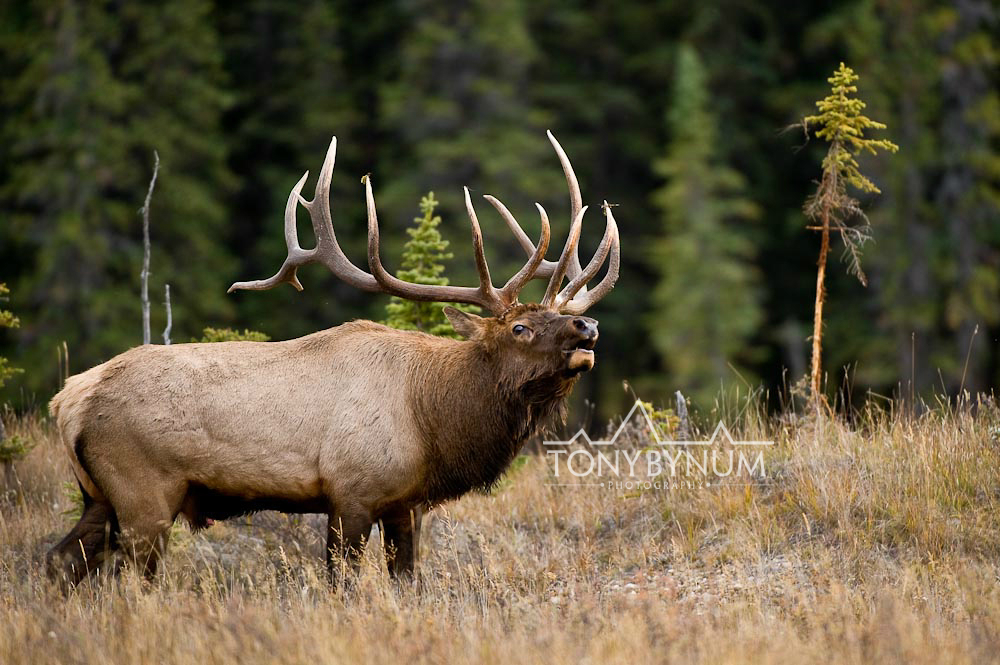
Not all elk habitats are the same. Some parks and reserves are well known for their elk populations and offer better opportunities for photography.
| Location | Region | Best Season | Special Note |
|---|---|---|---|
| Yellowstone National Park | Wyoming, USA | Fall (Rut) | Large herds, dramatic landscapes |
| Rocky Mountain National Park | Colorado, USA | Late September–October | Famous for bugling bulls |
| Banff National Park | Alberta, Canada | Spring & Fall | Elk often near roads |
Some elk populations are used to people and may be easier to approach, but always respect park rules and keep a safe distance.
Camera Settings For Elk Photography
Getting the technical side right is as important as finding elk in the wild. Here’s how to set your camera for best results:
- Shutter Speed: Elk move quickly, especially during the rut. Use at least 1/500s to freeze action. Increase to 1/1000s or more for running or fighting elk.
- Aperture: A wide aperture (f/2.8–f/5.6) blurs the background, making elk stand out. But if you want more of the herd or landscape in focus, use f/8–f/11.
- ISO: Early and late light can be dim. Don’t be afraid to increase ISO to 800, 1600, or even higher on modern cameras. Noise is better than a blurry image.
- Autofocus Mode: Use continuous AF (AI Servo/AF-C) to keep moving elk sharp.
- Burst Mode: Elk can change posture in a split second. Shooting in bursts helps you catch the best moment.
A tip many overlook: monitor your histogram. Don’t trust only the camera’s LCD. Elk, especially in snow or against a bright sky, can trick your camera’s exposure meter.

Composition Tips For Elk Photography
A great elk photo is more than just a clear shot. The way you frame your subject tells the story.
- Eye Contact: Try to capture the elk looking at you. The eyes are what connect viewers to wildlife photos.
- Antlers and Silhouettes: Elk antlers are iconic. Shooting at sunrise or sunset can create stunning silhouettes.
- Environmental Portraits: Don’t always zoom in. Show elk in their landscape—mountains, forests, or meadows—to add context and beauty.
- Action and Behavior: Watch for interactions—bulls bugling, cows with calves, or elk crossing rivers. These moments add drama.
- Rule of Thirds: Place the elk off-center for a more dynamic image.
One mistake many make: putting the elk dead center in every shot. Move around and try different angles for variety.
Safety And Ethics When Photographing Elk
Respect for elk and their environment is key to responsible wildlife photography.
- Keep Your Distance: Stay at least 25 yards (23 meters) away from elk. Bulls especially can be aggressive, and getting too close can stress the animals.
- Do Not Feed or Call Elk: This changes their behavior and can make them dependent on humans or put them in danger.
- Follow Park Rules: Many parks have guidelines for wildlife viewing. Breaking them can result in fines or being asked to leave.
- Leave No Trace: Pack out all trash and avoid trampling plants or disturbing the habitat.
- Move Slowly and Quietly: Sudden movements can scare elk away or cause them to act defensively.
A surprising fact: elk have charged and injured people who tried to get close, especially during the rut. Your safety matters as much as getting the shot.
Timing Your Elk Photography
The best time to photograph elk depends on what you want to capture:
- Spring: Calving season. You might see newborns with their mothers, but keep an extra distance as cows are protective.
- Summer: Elk are often in open meadows, feeding.
- Fall (Rut): Bulls fight for dominance, bugling fills the air, and antlers are at their largest.
- Winter: Elk move to lower elevations. Snowy backgrounds make for beautiful, high-contrast images.
Light changes fast in the mountains. Plan to arrive early and stay late to use the best natural light.
Approaching And Tracking Elk
Elk are wary, so how you approach matters.
- Scout Locations: Talk to park rangers or local photographers. They know where elk usually are.
- Use Binoculars: Before moving closer, spot elk from afar to plan your approach.
- Stay Downwind: Elk use their sense of smell to detect danger. Approach with the wind in your face.
- Take Your Time: If you rush, you’ll likely scare the herd. Move slowly and pause often.
A common mistake: many people forget to check the wind direction, alerting elk without realizing it.
Adapting To Weather And Light
Weather can change fast in elk country. Each condition offers a different mood for your photos.
- Fog or Mist: Early mornings often bring mist, adding atmosphere and mystery.
- Snow: Elk stand out against white backgrounds, and snow can highlight their breath or movement.
- Rain: Wet fur and droplets on antlers add texture.
- Golden Hour: The hour after sunrise and before sunset gives warm, soft light.
Always carry lens cloths and rain covers. Moisture can fog your lens or damage your gear.
Post-processing For Elk Photos
Editing is the final step to make your elk photos stand out.
- Crop Carefully: Remove distractions but keep enough environment for context.
- Adjust Exposure: Elk fur can be dark or light depending on the season. Balance highlights and shadows.
- Sharpen Eyes and Antlers: Bring attention to the most important features.
- Remove Noise: High ISO images may need noise reduction, but avoid overdoing it.
Many photographers forget to calibrate their screens, which can result in colors that look odd in print or online.
Comparing Gear Choices For Elk Photography
Choosing the right lens can be confusing. Here’s a quick comparison to help decide:
| Lens Type | Typical Focal Length | Pros | Cons |
|---|---|---|---|
| Super-Telephoto Prime | 400mm–600mm | Sharpest images, wide apertures, best for distance | Heavy, expensive, less flexible |
| Telephoto Zoom | 100–400mm | Versatile, lighter, can frame scenes easily | Slightly less sharp, smaller max aperture |
| Standard Zoom | 70–200mm | Good for closer elk, lighter weight | Limited reach for distant subjects |
Creative Techniques For Unique Elk Photos
Don’t settle for basic shots. Try these ideas:
- Silhouettes at Sunset: Expose for the sky and let the elk become a dark shape.
- Backlighting: Shoot towards the light to highlight the elk’s breath on cold mornings.
- Wide Angle for Herds: Use a wide lens to show a group of elk in a sweeping landscape.
- Panning: Use a slower shutter and move with a running elk for a sense of motion.
Experiment with different techniques to develop your own style.
Common Mistakes To Avoid
Even experienced photographers make errors. Here’s what to watch for:
- Getting Too Close: This endangers both you and the animals.
- Not Checking Settings: If you leave your camera in the wrong mode, you’ll miss the shot.
- Ignoring the Background: A messy background can ruin a great photo.
- Shooting Only at Eye Level: Try low or high angles for variety.
- Over-Editing: Too much contrast or color makes photos look unnatural.
Remember, the best elk photos come from patience and respect.
Elk Photography And Conservation
Your photos can help protect elk. Share images that show elk in their natural environment and follow ethical guidelines. Support organizations that protect wildlife and educate others about responsible photography.
For more details on elk biology and conservation, visit the Wikipedia Elk page.

Frequently Asked Questions
What Is The Best Time Of Year To Photograph Elk?
The fall rut (September to October) is the most exciting time. Bulls compete for mates and display dramatic behaviors. Spring is also good, with calves and fresh landscapes.
How Close Can I Get To Elk When Photographing?
Stay at least 25 yards (23 meters) away. Use a telephoto lens to get close-up shots without disturbing the elk or putting yourself at risk.
What Camera Settings Work Best For Elk Photography?
Use a fast shutter speed (1/500s or higher) to freeze motion, a wide aperture for shallow depth of field, and adjust ISO as needed for lighting. Continuous autofocus helps keep moving elk sharp.
Where Are The Best Places To Photograph Elk?
Top spots include Yellowstone National Park, Rocky Mountain National Park, and Banff National Park. These areas have large elk populations and beautiful landscapes.
How Can I Photograph Elk Safely And Ethically?
Keep your distance, never feed or call elk, and follow park rules. Move slowly, use natural cover, and respect the animal’s space for both your safety and theirs.
Photographing elk is both a challenge and a joy. With the right knowledge and respect for these amazing animals, your images can inspire others and help protect elk for future generations.

