
Photographing deer is a mix of patience, knowledge, and skill. For many nature lovers, getting that perfect shot of a wild deer is a dream come true. But deer are shy, alert, and move quickly, making them challenging subjects. You need more than just a camera—you need a plan.
Whether you’re a beginner with a basic camera or an enthusiast with advanced gear, learning how to photograph deer well will help you create stunning images and enjoy the process.
Understanding Deer Behavior
To photograph deer successfully, you must first understand their habits. Deer are crepuscular, meaning they are most active around sunrise and sunset. During these hours, they move to feed and are less cautious. Knowing this helps you plan your shoot for the best chance to see them.
Deer have excellent senses. They can smell humans from far away and hear quiet sounds. Always approach their habitat slowly and quietly. Avoid strong scents, and wear earth-toned clothing to blend into your surroundings. If you move too quickly or make sudden noises, you will likely scare them away.
Essential Camera Gear For Deer Photography
Choosing the right equipment can make a big difference. Here are important items for photographing deer:
| Gear | Purpose | Beginner Option | Advanced Option |
|---|---|---|---|
| Camera | Captures images | DSLR/Mirrorless with kit lens | Full-frame DSLR/Mirrorless |
| Telephoto Lens | Close-up shots from distance | 70-300mm | 300mm f/2.8, 500mm f/4 |
| Tripod | Stabilizes camera | Lightweight aluminum | Carbon fiber, gimbal head |
| Camouflage | Stays hidden from deer | Neutral clothes | Full camo suit, lens cover |
A telephoto lens is key for deer photography. Since you must keep your distance, a 300mm lens or longer is ideal. If your budget is limited, a 70-300mm zoom lens is a good start. Use a tripod to keep your camera steady, especially in low light.

Best Camera Settings For Deer Photography
Settings can change based on light and movement. Here’s how to set up your camera for great deer photos:
- Shutter Speed: Use at least 1/500 second to freeze movement. If deer are running, increase to 1/1000 or higher.
- Aperture: Choose a wide aperture (f/2.8–f/5.6) for a blurred background and sharp subject.
- ISO: Start at ISO 400. Raise it in low light but avoid too much noise.
- Focus Mode: Set to continuous autofocus (AI-Servo or AF-C) to track moving deer.
- Drive Mode: Use burst mode to take several shots quickly.
Try different combinations as you get comfortable. Practice helps you react quickly when the perfect moment arrives.
Where And When To Find Deer
Location matters. Deer live in forests, grasslands, and near water sources. Look for tracks, droppings, or chewed plants to find active areas. National parks and wildlife reserves often have trails or hides where photographers can wait quietly.
Time of year also affects your chances. Early autumn is popular because of the rut—the deer mating season. Bucks are more active and less shy, making them easier to photograph. In winter, deer move more during the day searching for food.
Here is a quick comparison of the best times for deer photography:
| Season | Pros | Cons |
|---|---|---|
| Spring | New fawns, green background | Thick cover, harder to spot deer |
| Summer | Good light, visible antler growth | Heat haze, biting insects |
| Autumn | Rut activity, colorful leaves | Shorter days |
| Winter | Open landscapes, visible tracks | Cold, deer move less |

Approaching Deer Without Disturbing Them
Deer get scared easily. Move slowly, stay low, and avoid direct eye contact. Use natural cover like trees or bushes. If you have time, set up a hide (a small tent or blind) near a deer trail. Arrive before dawn and wait quietly.
Wind direction is important. Always keep the wind blowing from the deer toward you. This prevents your scent from reaching them. Many beginners forget this step and wonder why deer always run away.
Take test shots of the area as you wait. This helps you check your settings and focus before the deer appear.
Composition Tips For Stunning Deer Photos
Composition turns a good photo into a great one. Here are tips for better deer shots:
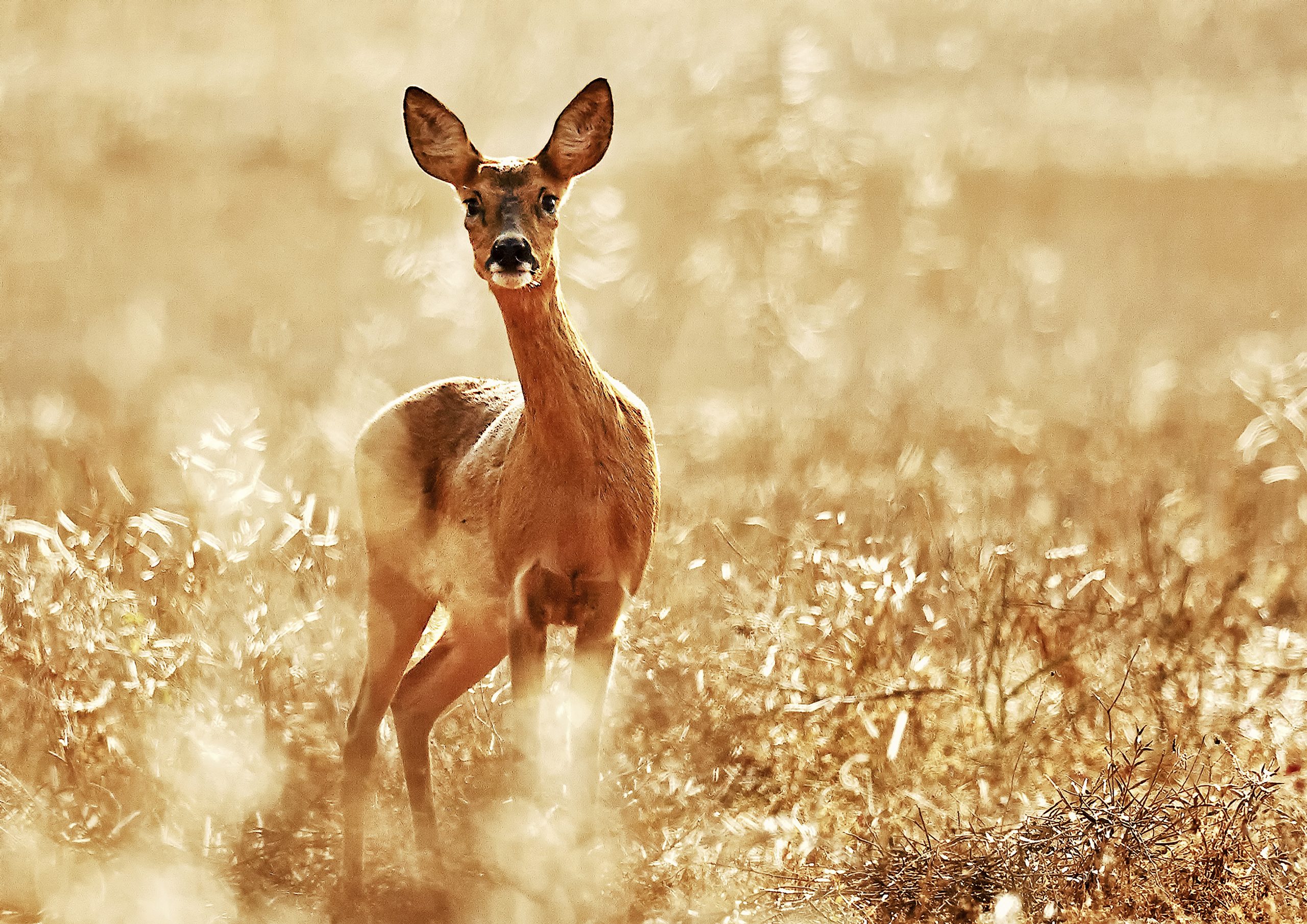
- Eye Level: Try to photograph deer at their eye level, not from above. This creates a stronger connection with the viewer.
- Background: Use a simple, blurred background to make the deer stand out.
- Rule of Thirds: Place the deer off-center for a more balanced image.
- Catchlight: Wait for a glint of light in the deer’s eye. This makes the photo come alive.
- Behavior: Capture natural actions—eating, running, or interacting with other deer.
A common mistake is focusing only on antlers or faces. Show the environment too, especially if it adds beauty or tells a story.
Safety And Ethics In Deer Photography
Respect for wildlife is essential. Never chase or corner deer for a photo. Stress can harm them, especially in winter or when fawns are present. Stick to trails and marked areas to avoid disturbing habitats.
If you use bait, check local rules first. Some places ban baiting, as it can change animal behavior and spread disease. Always leave the area as you found it.
Ethical photography means capturing beauty without harm. Remember, the experience matters as much as the image.
Common Beginner Mistakes
Even careful photographers make errors. Here are some to avoid:
- Getting too close and scaring deer away.
- Using a flash, which startles wildlife and ruins natural light.
- Forgetting to check memory cards and batteries before heading out.
- Ignoring weather forecasts—rain or fog can damage equipment.
- Over-editing photos, making them look unnatural.
Small changes in your approach can bring much better results.
Post-processing For Deer Photos
Editing can improve your deer images. Adjust exposure, contrast, and sharpness. Crop for a better composition if needed. Be careful not to overdo colors or remove natural details.
Popular software like Adobe Lightroom and Photoshop offer powerful tools. If you are new to editing, start with basic adjustments until you learn more advanced techniques.
For more ideas on wildlife photography ethics and tips, see the National Geographic Wildlife Photography Guide.
Frequently Asked Questions
What Is The Best Time Of Day To Photograph Deer?
Early morning and late afternoon are best. Deer are more active, and the soft light creates beautiful images.
What Camera Lens Should I Use For Deer Photography?
A telephoto lens (300mm or longer) helps you capture close shots from a safe distance without disturbing the deer.
How Can I Avoid Scaring The Deer Away?
Move slowly, stay downwind, and use natural cover. Avoid sudden movements and loud sounds.
Is It Okay To Use Flash When Photographing Deer?
No. Flash can frighten deer and cause them to flee. Use natural light or increase ISO for better results.
How Can I Improve My Deer Photography Composition?
Focus on the deer’s eye level, use the rule of thirds, and capture natural behaviors in a simple background for more engaging photos.
Photographing deer combines patience, respect, and technique. By understanding their habits, using the right gear, and practicing ethical photography, you’ll capture beautiful images and enjoy every moment in nature.

