
Elk are one of the most iconic animals in North America. With their large antlers and powerful bodies, they inspire both wildlife enthusiasts and hunters alike. However, elk populations are under pressure from habitat loss, hunting, disease, and climate change. Many people ask: how can we conserve elk populations for future generations? This article explores the best strategies, using science and real-world examples to show what works and why. Whether you are a landowner, hunter, or just someone who loves wildlife, understanding these steps is key to helping elk survive and thrive.
Understanding Elk Conservation
Before taking action, it is important to know what conservation means for elk. Conserving elk populations is not just about preventing extinction. It means keeping healthy numbers, preserving their habitats, and maintaining the balance between elk, predators, and humans. Elk are also called wapiti, and they once roamed much of the United States and Canada. Today, their range is smaller, and they face new challenges.
Habitat Protection And Restoration
Elk need large areas of healthy land to find food, water, and shelter. Protecting and restoring their habitat is the foundation of all conservation work.
Key Habitat Features
- Open meadows for grazing
- Forests for cover and shade
- Streams and ponds for drinking water
- Migration corridors connecting summer and winter ranges
When these features disappear, elk struggle to survive. Roads, farms, and urban growth can break up habitats, making it hard for elk to find what they need.
Effective Habitat Strategies
- Set aside protected areas. National parks and reserves are safe havens where elk can live with less human disturbance.
- Restore damaged land. Planting native grasses, removing invasive plants, and cleaning up streams help bring back lost habitat.
- Build wildlife crossings. Overpasses and underpasses over highways let elk migrate safely.
- Work with landowners. Many elk live on private lands. Programs that reward ranchers for good stewardship can make a big difference.
A study by the U. S. Fish and Wildlife Service found that elk are more likely to thrive when they have access to at least 6,000 acres of connected habitat. Anything less, and their numbers start to fall.
Managing Hunting And Harvest
Hunting is part of elk management in many regions. When done responsibly, it helps keep populations balanced and healthy. But overhunting or illegal poaching can wipe out local herds.
Setting Sustainable Limits
Wildlife agencies use science to set hunting quotas each year. They count elk, study birth rates, and check on herd health. If numbers are low, they reduce licenses or close hunting for a season.
Fair Chase And Ethical Hunting
Responsible hunters follow rules and respect elk. This includes:
- Using legal hunting methods
- Not shooting animals out of season
- Reporting harvests honestly
Hunting organizations also support conservation by funding habitat work and research through fees and donations.
Comparing Elk Harvest Data
Here’s a sample showing how hunting limits are set based on herd size:
| Region | Elk Population | Annual Hunting Permits | Harvest Rate |
|---|---|---|---|
| Colorado | 280,000 | 125,000 | 18% |
| Montana | 150,000 | 60,000 | 16% |
| Wyoming | 110,000 | 45,000 | 17% |
As you see, permits are often less than half the elk population. This helps prevent overhunting.
Controlling Disease
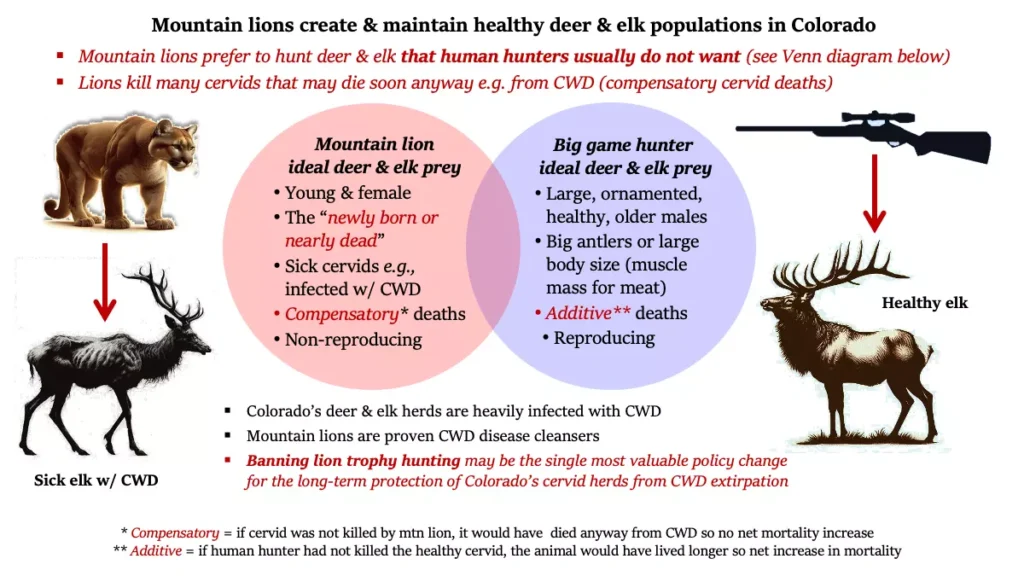
Disease can devastate elk herds. Chronic Wasting Disease (CWD) is especially dangerous. It is a brain disorder that spreads between elk, deer, and moose. Once it enters a herd, it can be hard to stop.
Disease Management Tactics
- Testing and Surveillance: Wildlife agencies test elk for diseases, especially in high-risk areas.
- Reducing Crowding: When elk gather in large groups, disease spreads faster. Feeding bans and habitat improvements can keep herds spread out.
- Culling Sick Animals: In some cases, removing infected elk can slow outbreaks.
- Education: Hunters and the public need to know how to spot sick animals and what to do if they find one.
A non-obvious insight: Moving elk between regions (translocation) can accidentally spread disease. That’s why most experts now avoid relocating elk unless absolutely necessary.
Predator Management
Wolves, cougars, and bears naturally prey on elk. In balanced ecosystems, predators help control elk numbers and keep herds healthy by removing weak animals. But if predator numbers get too high, they can reduce elk populations below healthy levels.
Finding The Right Balance
Wildlife managers study both elk and predator populations. If elk numbers drop too low, they may control predator numbers in some areas. But removing all predators is rarely a good idea, as it can lead to overgrazing and habitat damage.
Example: Yellowstone’s Wolves
When wolves were reintroduced to Yellowstone National Park in 1995, elk numbers dropped, but the ecosystem improved. Streams became healthier as elk moved more and browsed less. This shows that some predation is good for both elk and the land.
Addressing Climate Change
Climate change affects elk by altering their habitat, food supply, and migration patterns. Warmer winters can lead to more disease and less snow, which helps predators hunt elk more easily.
Adapting Conservation Strategies
- Protect high-elevation areas. These places stay cool longer and give elk a refuge during hot summers.
- Support habitat corridors. Elk need to move to find food as seasons change. Keeping migration paths open is more important than ever.
- Monitor food supplies. Researchers track plant growth and snowpack to predict elk health.
A tip that many overlook: Planting drought-resistant grasses and restoring wetlands can help elk find food even in dry years.

Reducing Human-wildlife Conflict
As towns and farms expand into elk country, conflicts rise. Elk may eat crops, damage fences, or cause car accidents. In some places, people illegally feed or chase elk, making problems worse.
Solutions For Coexistence
- Wildlife-friendly fencing helps elk cross safely without harming property.
- Warning signs and speed limits in migration zones reduce vehicle collisions.
- Compensation programs pay farmers for crop losses caused by elk.
- Public education helps people understand how to live with elk nearby.
Here’s a comparison of common conflict solutions and their effectiveness:
| Conflict Solution | Effectiveness | Cost |
|---|---|---|
| Wildlife-Friendly Fencing | High | Medium |
| Compensation Programs | Medium | High |
| Public Education | Medium | Low |
| Warning Signs | Low | Low |
The best approach combines several solutions to fit local needs.
Research And Monitoring
Science guides every step of elk conservation. Without good data, it is impossible to know if efforts are working. Agencies and universities track elk using GPS collars, camera traps, and aerial surveys.
What Scientists Measure
- Population size and age structure
- Birth and survival rates
- Migration routes
- Habitat use
- Health and disease rates
This information helps managers adjust their plans each year. For example, a sudden drop in calf survival might signal more predators or disease.
Community Involvement
Elk conservation works best when local communities are involved. Hunters, ranchers, hikers, and schools all play a role.
How People Can Help
- Join citizen science projects. Report elk sightings and share photos with wildlife agencies.
- Participate in habitat clean-ups. Removing trash and invasive plants benefits elk.
- Support conservation groups. Many organizations fund research, advocacy, and land protection.
A non-obvious insight: Involving youth in elk conservation builds future leaders and helps keep traditional knowledge alive.
Policy And Funding
Laws and money matter. Strong policies protect elk and their habitats, while good funding ensures conservation programs can continue.
Key Policies
- Endangered Species Act and state wildlife laws
- Habitat conservation easements on private land
- Hunting regulations based on science
Funding Sources
- Hunting and fishing licenses
- Government grants
- Donations from the public and conservation groups
For more on how wildlife policies work, see the U.S. Fish and Wildlife Service.
Common Mistakes In Elk Conservation
Even well-meaning efforts can fail if certain risks are ignored. Here are some common mistakes:
- Ignoring local knowledge. Ranchers and hunters often know elk habits better than outsiders.
- Focusing only on elk numbers. Healthy populations need healthy habitats, not just high counts.
- Moving elk without disease checks. As mentioned, this can spread illness quickly.
- Over-managing predators or prey. Ecosystems are complex, and removing too many animals upsets the balance.
- Short-term fixes. One-time actions rarely work; elk conservation needs long-term planning.
Frequently Asked Questions
What Is The Biggest Threat To Elk Populations?
Habitat loss is the biggest threat. When elk lose access to large, connected areas of land, their numbers drop. Disease, hunting, and climate change are also important, but habitat is the foundation.
How Does Hunting Help Elk Conservation?
Responsible hunting keeps elk herds at healthy sizes and funds conservation through license fees. It also prevents overgrazing, which protects habitats for other wildlife too.
Can Elk And Cattle Share The Same Land?
Yes, but it requires careful management. Rotating grazing areas, keeping water sources clean, and setting aside wildlife zones help elk and cattle live together with fewer problems.
Why Not Just Ban Hunting To Protect Elk?
Banning hunting can sometimes lead to too many elk, which causes habitat damage and more disease. Well-regulated hunting is a tool that keeps ecosystems balanced.
How Can I Help Conserve Elk If I Don’t Live Near Them?
Support national or local conservation groups, learn about elk issues, and share information with others. Even small donations or spreading awareness make a difference.
Conserving elk populations is a team effort that requires science, good policy, and community support. By protecting habitats, managing hunting, controlling disease, and planning for the future, we can ensure that elk continue to roam wild and free for generations to come.

