Attracting elk to your land is a goal for many landowners, whether for wildlife viewing, hunting, or supporting a healthy ecosystem. Elk are majestic animals known for their size, intelligence, and wariness. They require large areas with the right mix of food, cover, water, and low disturbance.
Creating an inviting habitat for elk is not just about tossing out food or letting your land go wild—it’s about understanding what elk need and making smart, sustainable changes. Let’s explore everything you need to know to make your property irresistible to elk.
Understanding Elk Behavior And Needs
Before you try to attract elk, it’s important to understand how they live. Elk are herd animals, usually found in groups. They travel between summer and winter ranges, sometimes covering many miles. Elk prefer areas with a mix of open meadows and forests. They feed mainly at dawn and dusk, spending the day resting in cover. Their main needs are:
- Abundant food
- Reliable water sources
- Safe cover for bedding
- Low human disturbance
Elk are sensitive to changes in their environment. If they feel threatened, they will move on. Successful attraction means balancing their needs with your land’s capacity.
Creating The Right Habitat
Food Sources Elk Love
Elk are grazers and browsers. They eat grasses, forbs (herbaceous plants), shrubs, and tree bark, depending on the season. To attract elk, provide a variety of nutritious plants throughout the year.
- Grasses: Bluegrass, wheatgrass, and fescue are favorites.
- Forbs: Clover, alfalfa, dandelion, and wildflowers offer protein, especially in spring and summer.
- Browse plants: Willow, aspen, and serviceberry provide winter food when grass is scarce.
Planting a mix of these species increases your chances of attracting elk year-round. Avoid monocultures—elk want variety.
Food Plot Ideas
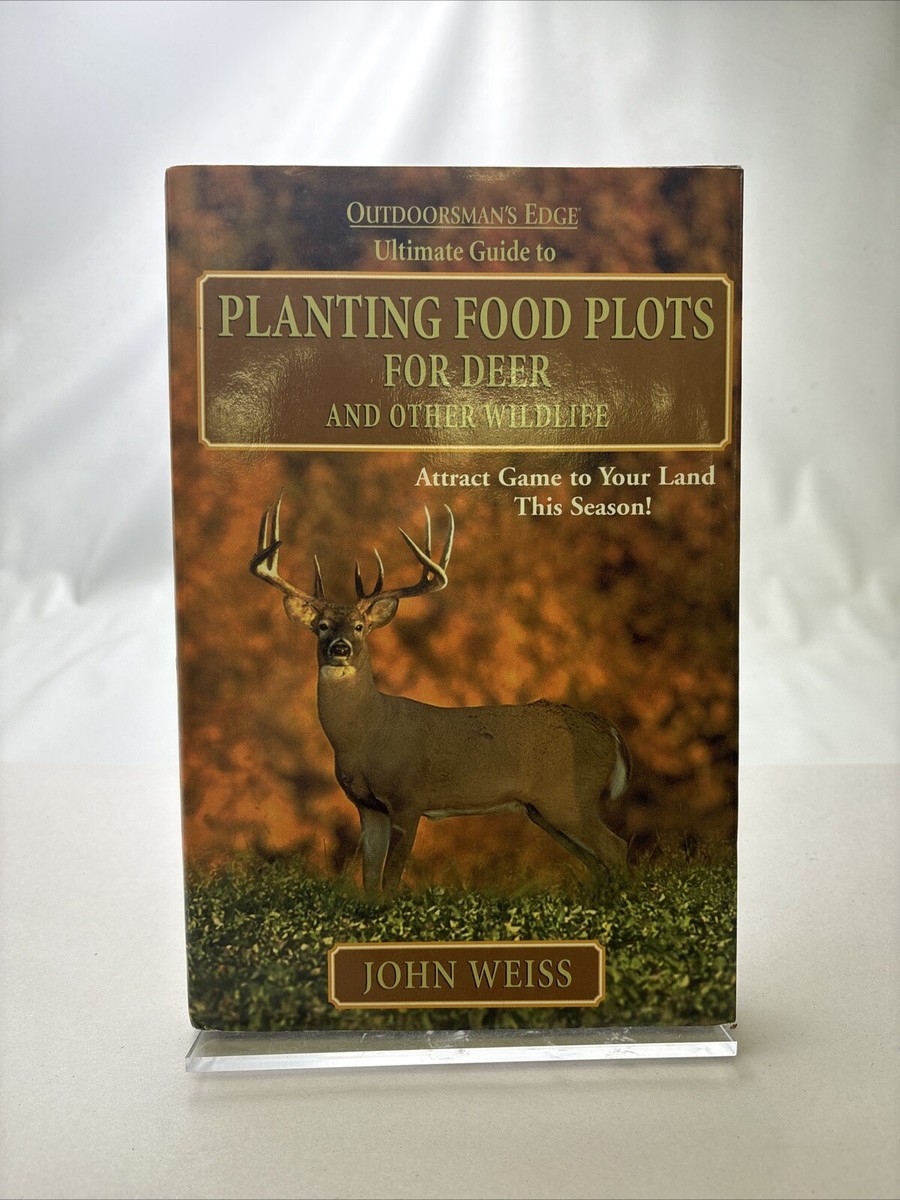
If your land is mostly forest or not suitable for natural meadows, consider establishing food plots. These are small, managed fields planted with crops elk like to eat. Alfalfa, oats, and winter wheat are popular options. Position food plots near cover so elk feel safe when feeding.
Natural Vs. Supplemental Feeding
While some people use supplemental feeding (placing hay or pellets on the ground), it’s often discouraged. This can cause:
- Disease spread (when elk crowd around feed)
- Poor nutrition (if feed is low quality)
- Dependence on humans
Focus on improving natural forage and only use supplements in harsh winters, following local wildlife guidelines.
Water: The Key To Elk Traffic
Elk need fresh water every day. If you have a creek, pond, or natural spring, you’re already ahead. But many properties lack reliable water. Here’s how to change that:
- Create wildlife ponds: Dig shallow basins that fill with rainwater. Place them near food and cover.
- Restore streams: Remove blockages and keep water clean.
- Install guzzlers: These are artificial catchments that collect rainwater.
Place water sources away from roads and human activity. Keep them clean and free of livestock to avoid contamination.
Comparing Water Sources For Elk
| Water Source | Pros | Cons |
|---|---|---|
| Natural Pond | Low maintenance, fits ecosystem | May dry up in drought |
| Guzzler | Works anywhere, reliable supply | Needs regular cleaning/refilling |
| Livestock Trough | Easy to install | Can attract unwanted animals, needs fencing |
Providing Safe Cover And Bedding Areas
Elk spend much of the day bedded down in areas where they feel safe. They need cover from the weather and from predators.
- Thick forests: Spruce, pine, or fir stands give shade and hiding spots.
- Brushy areas: Willows, dogwoods, and dense shrubs are used for bedding.
- North-facing slopes: Stay cooler in summer, warmer in winter.
Create or maintain blocks of cover near feeding areas. Avoid cutting down all the trees or clearing brush. Leave some deadfall and downed wood—elk use these for shelter and even as rubbing posts.
How Much Cover Is Enough?
A good rule: For every acre of feeding ground, have at least one acre of thick cover nearby. Too much open land, and elk won’t stay during daylight.
Managing Human Disturbance
One of the main reasons elk avoid certain areas is human activity. Loud noises, vehicle traffic, and dogs can quickly drive elk away. Here are ways to reduce disturbance:
- Limit access: Restrict ATV, truck, and foot traffic, especially at dawn and dusk.
- Buffer zones: Leave a strip of undisturbed habitat between elk areas and roads/buildings.
- Hunting pressure: If you hunt, don’t over-hunt the same spot. Rotate areas and allow rest periods.
- Noise management: Avoid loud work (chainsaws, construction) in sensitive seasons like calving or rut.
Elk learn patterns. If they feel safe, they will return year after year.
Fencing And Land Boundaries
Elk travel long distances and can jump fences up to 8 feet high. Traditional livestock fences often block their movement and can cause injury. Consider these fencing tips:
- Use wildlife-friendly fences: Smooth wire on top, at least 18 inches off the ground, and a max height of 42 inches.
- Remove old barbed wire: Elk can get tangled and injured.
- Gates and crossings: Install elk crossings or leave a section of fence down in key areas.
Proper fencing helps both elk and livestock move safely.
Planting Trees And Shrubs For Elk
Elk need trees for cover and food. They especially like young shoots and bark. Planting the right species can make your land a magnet for elk.
- Aspen: Provides browse and is attractive for rubbing.
- Willow: Grows well in wet areas, offers food and shelter.
- Chokecherry and serviceberry: Good for both food and cover.
Plant in clusters near meadows. Protect young trees with cages until they’re established, as elk will browse heavily.
Comparing Tree Species For Elk Attraction
| Tree/Shrub | Benefits | Growth Needs |
|---|---|---|
| Aspen | High nutrition, good cover | Moist soil, full sun |
| Willow | Winter food, thrives near water | Wet ground |
| Serviceberry | Edible berries, dense cover | Well-drained soil |
Seasonal Strategies
Elk change their behavior with the seasons. Adjust your strategy to keep them coming all year.
Spring And Summer
- Provide lush, green grass and forbs.
- Maintain water sources as snow melts.
- Protect calves by keeping disturbance low.
Fall (rut Season)
- Elk are more active, looking for mates.
- Leave open areas for bugling and displays.
- Avoid major work in prime bedding areas.
Winter
- Focus on browse plants, like willow and aspen.
- Provide shelter from wind and snow.
- Avoid pushing elk off your land with hunting or vehicles.
By thinking seasonally, you meet elk needs year-round.
Avoiding Common Mistakes
Many landowners try to attract elk but make mistakes that push them away. Here’s what to watch out for:
- Over-clearing land: Removing too much cover makes elk feel exposed.
- Relying only on supplements: Elk need a natural diet for health.
- Ignoring water: Even the best food won’t attract elk if water is lacking.
- Too much human activity: Elk will quickly move if disturbed too often.
- Wrong plants: Not all wildlife mixes are suitable for elk—choose species that match your region and soil.
Working With Neighbors And Landscape
Elk don’t see your property lines. They travel across large landscapes. To be truly successful:
- Coordinate with neighbors: Work together to create corridors of habitat.
- Join local wildlife groups: Learn from others and share resources.
- Respect migration routes: Avoid blocking traditional elk paths.
Large-scale cooperation helps elk thrive and brings more animals to your area.
Monitoring And Improving Results
Attracting elk is an ongoing project. Track your progress:
- Use trail cameras: Monitor elk numbers and behavior.
- Walk your land: Look for tracks, droppings, and bedding sites.
- Adjust as needed: If elk aren’t staying, see what’s missing—food, cover, or water.
Over time, you’ll learn what works best for your property.
Legal And Ethical Considerations
Always check local wildlife regulations. Some areas limit supplemental feeding, water creation, or hunting practices. Follow all rules to avoid fines and protect the herd.
Remember: Your goal is to support healthy, wild elk—not create tame animals or put them at risk.
For more in-depth information on elk management, consider visiting National Wildlife Federation.
Frequently Asked Questions
How Much Land Do I Need To Attract Elk?
You don’t need thousands of acres, but more land helps. Elk usually need at least 200-400 acres for comfortable movement and feeding. Even smaller plots can work if you provide food, water, and cover, especially if your neighbors do the same.
What Is The Best Food To Plant For Elk?
Elk prefer a mix of grasses, forbs, and browse. Top choices are alfalfa, clover, wheatgrass, aspen, and willow. Plant a variety so food is available all year.
How Do I Keep Elk On My Land During Hunting Season?
Reduce human disturbance and limit hunting pressure. Create safe zones where elk can rest undisturbed. Rotate hunting areas and avoid driving or walking through bedding spots during daylight.
Can Livestock And Elk Share The Same Land?
Yes, but you need to manage grazing carefully. Too many cattle or sheep can reduce forage for elk. Use rotational grazing and keep water sources clean and accessible for wildlife.
Are There Risks In Attracting Elk To My Property?
Yes—elk can damage fences, eat crops, and attract predators. Overcrowding can spread disease. Always follow local laws and balance elk needs with your property’s health.
Attracting elk is a long-term project, but the rewards are great. With planning, patience, and a willingness to adapt, you can turn your land into a haven for these incredible animals.

