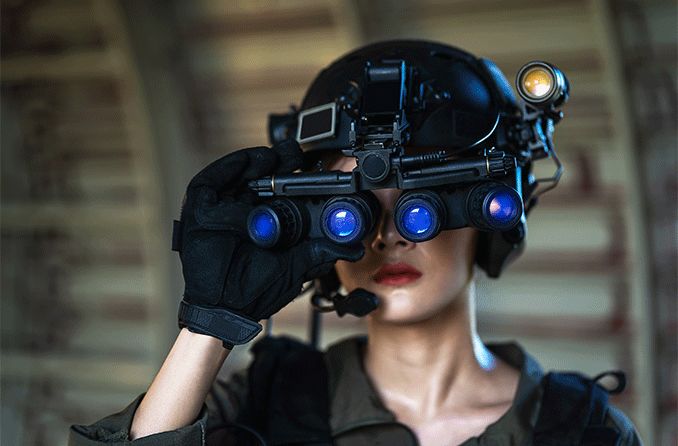
How Much Do Night Vision Goggles Cost?
Night vision goggles once belonged only to the military or secret agents in movies. Today, they are much more common. Hunters, security guards, campers, and even curious hobbyists can buy them. But when you start looking, the prices can surprise you.
Some night vision goggles cost less than a smartphone, while others are as expensive as a small car. What makes the price so different? Let’s explore what really affects the cost of night vision goggles, what you get at different price ranges, and how to choose the right pair for your needs.
What Are Night Vision Goggles?
Night vision goggles, often called NVGs, are special devices that let you see in low light or even darkness. They work by amplifying small amounts of light, like moonlight or starlight, so you can see things your eyes would normally miss. Some also use thermal technology to detect heat.
There are two main types:
- Image intensifier goggles: Use tubes to make light brighter.
- Thermal imaging goggles: Show images based on heat instead of light.
Both types have different uses and prices, which we will cover in detail.
The Main Factors That Affect Cost
Before you compare prices, it’s important to know why some night vision goggles cost more than others. Here are the biggest factors:
1. Generation Technology
Night vision technology is classified into generations:
- Gen 1: Basic, older tech. Cheaper, shorter range, more static.
- Gen 2: Better clarity and range. Used by law enforcement.
- Gen 3: High quality, used by the military.
- Gen 4: Rare and expensive, with advanced features.
The higher the generation, the more you pay.
2. Type (image Intensifier Vs. Thermal)
- Image intensifiers are usually cheaper but can struggle in total darkness.
- Thermal goggles can work with zero light, but their price is higher.
3. Brand And Build Quality
Famous brands like ATN, Pulsar, and FLIR charge more, but often provide better support and quality. Strong, waterproof cases and comfortable straps also add to the price.
4. Features
Some goggles have:
- Built-in video recorders
- Head mounts
- Long battery life
- Multiple viewing modes
Extra features usually mean a higher cost.
5. Market (civilian Vs. Military)
Military-grade night vision is much more expensive. Laws also limit sales of some models to civilians.
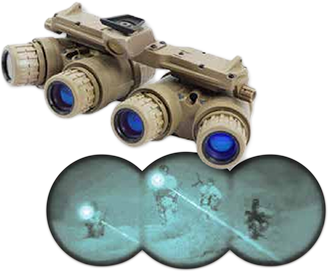
Night Vision Goggles Price Ranges
Let’s get practical: how much do night vision goggles actually cost? Here’s a breakdown of typical price ranges you’ll see.
Entry-level Night Vision Goggles ($100–$500)
These models are for beginners or casual use. Most are Gen 1. They may use cheap glass, plastic bodies, and have limited viewing range (usually up to 75 meters).
Examples:
- Solomark Night Vision Binoculars: About $150
- Nightfox Swift: Around $250
You can expect:
- Basic visibility in low light
- Some image noise or grain
- Short battery life
- Simple controls
Who should buy: Hobbyists, campers, or for light backyard use.
Mid-range Night Vision Goggles ($500–$2,000)
This range includes high-end Gen 1 and most Gen 2 goggles. You start to get clearer images, longer range (100–200 meters), and tougher builds.
Examples:
- Sightmark Ghost Hunter 1×24: $500–$700
- ATN PVS7-2: Around $1,800
You can expect:
- Better image quality
- Longer battery life
- Durable, water-resistant bodies
- Sometimes, head-mount options
Who should buy: Hunters, security personnel, and people who need reliable performance.
High-end Night Vision Goggles ($2,000–$8,000+)
This category covers Gen 3 and Gen 4 goggles, plus most thermal goggles. These are professional or military-grade devices.
Examples:
- Pulsar Accolade 2 XP50 Thermal Binoculars: $6,000–$7,000
- FLIR BNVD-40 Gen 3: $7,500+
You can expect:
- Crystal clear images
- Very long range (up to 300 meters or more)
- Rugged, all-weather design
- Multiple viewing modes
- Advanced features (recording, Wi-Fi, GPS)
Who should buy: Military, law enforcement, serious professionals, or people with a high budget.
Ultra-premium And Custom Night Vision Goggles ($10,000+)
These are rare, often custom-built for special forces or unique applications. They may have 4 tubes, helmet integration, or specialty optics.
Example:
- GPNVG-18 Panoramic Night Vision: $38,000 (used by elite military units)
Usually, these are not available to the public.
Side-by-side Price Comparison
Here’s a quick look at how different night vision goggles compare on price, technology, and use case:
| Model/Brand | Generation | Type | Price Range (USD) | Best For |
|---|---|---|---|---|
| Solomark NV Binoculars | Gen 1 | Digital | $150–$200 | Hobby/Backyard |
| Sightmark Ghost Hunter | Gen 1+ | Analog | $500–$700 | Hunting/Security |
| ATN PVS7-2 | Gen 2 | Analog | $1,800–$2,200 | Professional |
| Pulsar Accolade 2 XP50 | N/A | Thermal | $6,000–$7,000 | Law/Military |
| GPNVG-18 Panoramic | Gen 3+ | Analog | $38,000 | Elite Military |
What Do You Get At Each Price Level?
It’s easy to focus on price, but what does your money actually buy? Here’s a closer look at what changes as you spend more:
Image Quality
- Entry-level: Grainy, sometimes blurry, with a green tint.
- Mid-range: Much clearer, less static, better light amplification.
- High-end: Near day-like clarity, wide field of view.
Range
- Cheap models: Up to 75 meters.
- Mid-range: 100–200 meters.
- Premium: 300 meters or more, even in total darkness.
Durability
- Low-cost goggles: Mostly plastic, not waterproof.
- Mid-range and up: Stronger materials, weatherproof, shock resistant.
Features
- Basic goggles: Few extras, maybe just a head strap.
- Higher models: Recording, zoom, Wi-Fi, GPS, helmet mounting.
Legal Restrictions
- Top-end Gen 3/Gen 4: Often restricted for export or civilian purchase.
Typical Use Cases And Recommended Budget
Not everyone needs the most expensive night vision goggles. Here’s what you should expect to spend based on your use:
- Home Security/Backyard Watching: $100–$400 gets you basic digital or Gen 1 goggles.
- Hunting/Wildlife Observation: $500–$2,000 is the sweet spot for Gen 1+ or Gen 2.
- Professional Security: $1,000–$4,000 for Gen 2+ or entry thermal.
- Military/Law Enforcement: $4,000 and up (often issued, not privately bought).
- Special Forces/Elite Units: $10,000–$40,000 for custom, panoramic, or ultra-high-end goggles.
Non-obvious Insights For Buyers
Many first-time buyers miss a few important details:
- Batteries matter more than you think. Some cheap goggles only last an hour before the battery dies. Always check runtime and battery type before buying.
- Weight and comfort are critical. Heavy goggles cause neck pain after a few hours. Look for models under 1.5 pounds if you will wear them often.
- Don’t buy just for “maximum range.” Most people use goggles within 100 meters. Extra range costs a lot more but is rarely needed for casual use.
- Thermal is not always better. Thermal goggles are great for finding warm bodies but do not show details like faces or letters well. Know your real need.
Typical Mistakes When Shopping
- Chasing the cheapest price: Many buyers regret buying the lowest-cost models. The image can be so poor they are almost useless.
- Ignoring warranty and support: Off-brand models may be impossible to repair if they break.
- Not checking legal restrictions: Some advanced night vision goggles are illegal to import or use in certain countries.
- Assuming all “Gen 1” are equal: There’s a big difference between cheap and quality Gen 1 goggles.
- Not reading real reviews: Many online listings exaggerate range and clarity. Look for user videos or forums for honest feedback.

How Night Vision Goggles Compare To Alternatives
There are other ways to see at night, such as flashlights or night vision scopes. Here’s a quick comparison:
| Device Type | Best Use | Price Range | Pros | Cons |
|---|---|---|---|---|
| Night Vision Goggles | Hands-free, moving in dark | $100–$40,000 | Wide view, hands-free | Expensive, heavy |
| Night Vision Monocular | Spotting wildlife | $80–$1,500 | Cheaper, lighter | One eye only |
| Night Vision Scope | Hunting, shooting | $200–$5,000 | Zoom, accuracy | Not hands-free |
| Flashlight | General use | $10–$100 | Very cheap | Gives away your position |
How To Choose The Right Night Vision Goggles
With so many options, picking the right night vision goggles can feel overwhelming. Here’s a step-by-step approach:
- Decide your main use: Security, hunting, wildlife, or adventure.
- Set your budget: Remember, you often get what you pay for.
- Pick a generation: Gen 1 for basics, Gen 2 for serious use, Gen 3+ for professional.
- Check the features: Do you need recording, helmet mounting, or waterproofing?
- Try before you buy: If possible, test the goggles or watch real-world videos.
- Buy from a trusted seller: Avoid unknown brands with no support.
Where To Buy Night Vision Goggles
You can find night vision goggles at outdoor retailers, specialist shops, and online. Popular sites include OpticsPlanet, Cabela’s, and official brand stores. Beware of counterfeits and always check for warranties.
For more on the science behind night vision, see this Wikipedia article.
Frequently Asked Questions
What Is The Average Price For Night Vision Goggles?
The average price for night vision goggles is around $1,500 to $2,500 for a good Gen 2 model. Entry-level models start at $100, while high-end or military-grade goggles can be over $7,000.
Are Thermal Night Vision Goggles More Expensive?
Yes, thermal goggles usually cost more than standard night vision. Entry-level thermal models start around $1,800, and top models can cost $6,000 or more.
Can I Use Military-grade Night Vision Goggles?
Most military-grade (Gen 3 or Gen 4) night vision goggles are restricted. Some are illegal for civilians to own or export, especially in the USA and Europe.
How Long Do Night Vision Goggles Last?
With proper care, quality night vision goggles can last 5–10 years. Tubes in Gen 2/3 models can run for 10,000+ hours, but batteries and electronics may need replacing sooner.
What’s The Best Brand For Night Vision Goggles?
Trusted brands include ATN, Pulsar, and FLIR. They offer good support, solid warranties, and proven quality. Avoid unknown brands with no reputation.
Night vision goggles open a new world at night, but choosing the right pair means balancing your needs, budget, and the technology you truly need. Take your time, do your research, and soon you’ll see in the dark like never before.