
Elk are one of the most iconic animals in North America. Their size, beauty, and presence in forests and grasslands make them a favorite for wildlife watchers and hunters alike. But exactly how many elk are in North America? This question goes deeper than just a simple number. Elk populations change over time, and their numbers depend on habitat, management, and even disease. Let’s explore the latest data, the history behind elk populations, where you can find them, and what affects their numbers today.
What Is An Elk?
Elk, also known as Cervus canadensis, are large members of the deer family. They stand out because of their impressive antlers and their loud bugling calls. Elk are native to North America and parts of Asia. In North America, they live from the Canadian Rockies to the grasslands of the United States. Elk need forests, open meadows, and plenty of food. They are herbivores, eating grasses, leaves, and bark.
The Current Elk Population In North America
Estimating the total number of elk is not simple. Wildlife agencies use surveys, aerial counts, and computer models. According to the most recent reports, there are about 1 million elk in North America. This figure includes wild elk living in the United States, Canada, and Mexico. Most elk live in the western part of the continent, but small populations exist in other areas.
Here’s a simple breakdown:
- United States: About 900,000 elk
- Canada: Around 70,000 elk
- Mexico: Fewer than 1,000 elk
These numbers change each year, but they give a clear picture of where elk are most common.
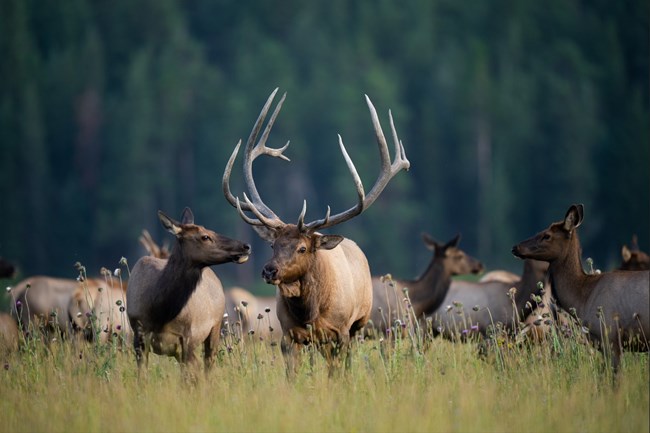
Elk Population By State And Province
Elk are not found everywhere in North America. Their numbers depend on habitat, hunting laws, and conservation efforts. Let’s look at the main areas where elk live and how many are in each.
| Region | Estimated Elk Population |
|---|---|
| Colorado | 280,000 |
| Montana | 150,000 |
| Oregon | 125,000 |
| Idaho | 120,000 |
| Wyoming | 110,000 |
| Washington | 60,000 |
| Utah | 80,000 |
| California | 30,000 |
| Alaska | 10,000 |
| Canada (Alberta, British Columbia, Saskatchewan) | 70,000 |
| Mexico | Less than 1,000 |
Most elk live in the Rocky Mountain region, but you can also find them in the Pacific Northwest and California. Some states, like Pennsylvania, Kentucky, and Tennessee, have small but growing populations thanks to reintroduction programs.
Historical Changes In Elk Numbers
Elk were once found all across North America. Hundreds of years ago, they lived from the eastern forests to the west coast. But as settlers moved across the continent, elk numbers dropped sharply. By the early 1900s, over-hunting and loss of habitat caused elk to disappear from many areas.
In fact, elk were extinct in most eastern states by 1900. Only small populations survived in the west. Conservation efforts began in the 1900s, with wildlife agencies working to protect elk and restore their habitats. Today, elk numbers are much higher, but they are still not as widespread as they were in the past.
Here’s how elk numbers changed over time:
| Year | Estimated Population |
|---|---|
| 1800 | Several million |
| 1900 | 40,000 |
| 1950 | 200,000 |
| 2000 | 850,000 |
| 2024 | 1,000,000 |
This recovery is a major success story. Many elk populations are stable or growing today, especially in the west.
Factors Affecting Elk Numbers
Several things affect elk population size. Let’s look at the most important factors.
Habitat Loss
Elk need large areas to live and feed. When forests are cut down or land is turned into cities or farms, elk lose their homes. Habitat loss is still a problem, especially in places where human development is growing fast.
Hunting And Management
Controlled hunting is a key tool for managing elk. Hunting helps keep numbers balanced and funds conservation efforts. But illegal hunting can cause problems. Each state and province has its own laws to protect elk and keep their numbers healthy.
Predators
Elk have natural enemies like wolves and mountain lions. In some areas, predator numbers are growing. This can reduce elk populations, but it also keeps the ecosystem healthy.
Disease
Diseases like chronic wasting disease (CWD) can spread through elk herds. CWD is a serious issue in some regions. Wildlife agencies watch for disease and take steps to protect elk.
Climate And Weather
Harsh winters, droughts, and wildfires can affect elk numbers. If food becomes scarce or weather is extreme, fewer elk survive.
The Role Of Conservation And Reintroduction
Elk would not be as common today without conservation programs. Wildlife agencies and groups work together to protect elk, restore habitats, and even move elk to new areas.
Reintroduction Success
In the last 30 years, elk have been brought back to places where they disappeared long ago. For example, Kentucky now has over 10,000 elk thanks to reintroduction. Similar projects are happening in Pennsylvania, Wisconsin, Tennessee, and other states.
These programs use careful planning. Wildlife experts move elk from healthy populations to new areas, watch their health, and work with local communities.
Habitat Restoration
Protecting and restoring forests and grasslands is vital. Conservation groups buy land, plant native plants, and remove barriers so elk can roam freely.
Partnerships
Many conservation efforts involve partnerships between government agencies, local communities, and hunters. These partnerships are key to long-term success.
Where To Find Elk In North America
If you want to see elk, your best bet is in the western United States and Canada. National parks and public lands are great places to spot them.
Some top locations include:
- Yellowstone National Park (Wyoming, Montana, Idaho)
- Rocky Mountain National Park (Colorado)
- Banff National Park (Alberta, Canada)
- Great Smoky Mountains National Park (North Carolina, Tennessee)
- Elk Island National Park (Alberta, Canada)
These parks have healthy elk populations, and you can often see them grazing in meadows or forests.
Comparing Elk To Other North American Wildlife
Elk are among the largest mammals in North America, but how do their numbers compare to other big animals?
| Species | Estimated Population |
|---|---|
| White-tailed Deer | 30 million |
| Moose | 1 million |
| Elk | 1 million |
| Caribou | 800,000 |
While elk are less common than white-tailed deer, they have recovered well compared to caribou and moose.
Non-obvious Insights About Elk Population
Many people think elk only live in mountains. In reality, elk can live in grasslands, forests, and even deserts if there is food and cover. Another overlooked fact: not all elk are wild. Some live in private preserves or farms, especially in Canada and the United States. These elk are counted separately from wild populations.
A second insight is that elk populations can change quickly. For example, a bad winter or disease outbreak can reduce numbers in just a few years. Wildlife experts monitor these changes closely to protect elk long-term.
How Wildlife Agencies Count Elk
Counting elk is a complex process. Agencies use several methods:
- Aerial Surveys: Flying over habitats to spot elk from the air.
- Camera Traps: Cameras placed in the wild to record elk movements.
- Population Models: Using data and computer programs to estimate numbers.
Each method has strengths and weaknesses. Aerial surveys work well in open areas, but not in thick forests. Camera traps are good for detailed studies but cover smaller areas. Population models use all available data to get the best estimate.
Why Elk Matter
Elk are important for ecosystems, hunting, and tourism. They help shape plant communities by grazing. Many predators depend on elk for food. Elk hunting supports local economies, and wildlife watching attracts visitors.
Healthy elk populations show that conservation works. They remind us that protecting wildlife is possible, even after past mistakes.
The Future Of Elk In North America
Elk face new challenges as cities grow, climates change, and diseases spread. Conservation must continue, with careful management and habitat protection. Technology and research help agencies track elk and respond quickly to new threats. With ongoing effort, elk will remain a vital part of North America’s wild places.
If you want to learn more about elk biology and conservation, check out Wikipedia for detailed information.
Frequently Asked Questions
How Many Elk Are There In North America Right Now?
There are about 1 million elk in North America. Most live in the United States, with smaller populations in Canada and Mexico. These numbers are estimates and can change each year.
Which State Has The Most Elk?
Colorado has the largest elk population, with about 280,000 animals. Montana, Oregon, Idaho, and Wyoming also have high numbers.
Can Elk Be Found In The Eastern United States?
Yes, but only in small numbers. Elk were reintroduced in states like Kentucky, Pennsylvania, and Tennessee. These populations are growing thanks to conservation efforts.
What Is The Biggest Threat To Elk Populations?
The main threats are habitat loss, disease (like chronic wasting disease), and changing climate. Illegal hunting and growing predator numbers can also affect elk.
How Are Elk Counted?
Wildlife agencies use aerial surveys, camera traps, and population models to estimate elk numbers. These methods help give accurate counts even in difficult terrain.
Elk are a symbol of North America’s wild places. Knowing their numbers, history, and challenges helps us understand how to protect them for the future.

