
How Many Deer Are In North America?
If you have ever driven through a forest or open field in North America, chances are you have seen a deer. These animals are part of the landscape, from Canada to Mexico. But have you ever wondered how many deer actually live in North America?
Understanding their population is important—not only for hunters and wildlife enthusiasts, but also for scientists, farmers, and anyone interested in the balance of nature.
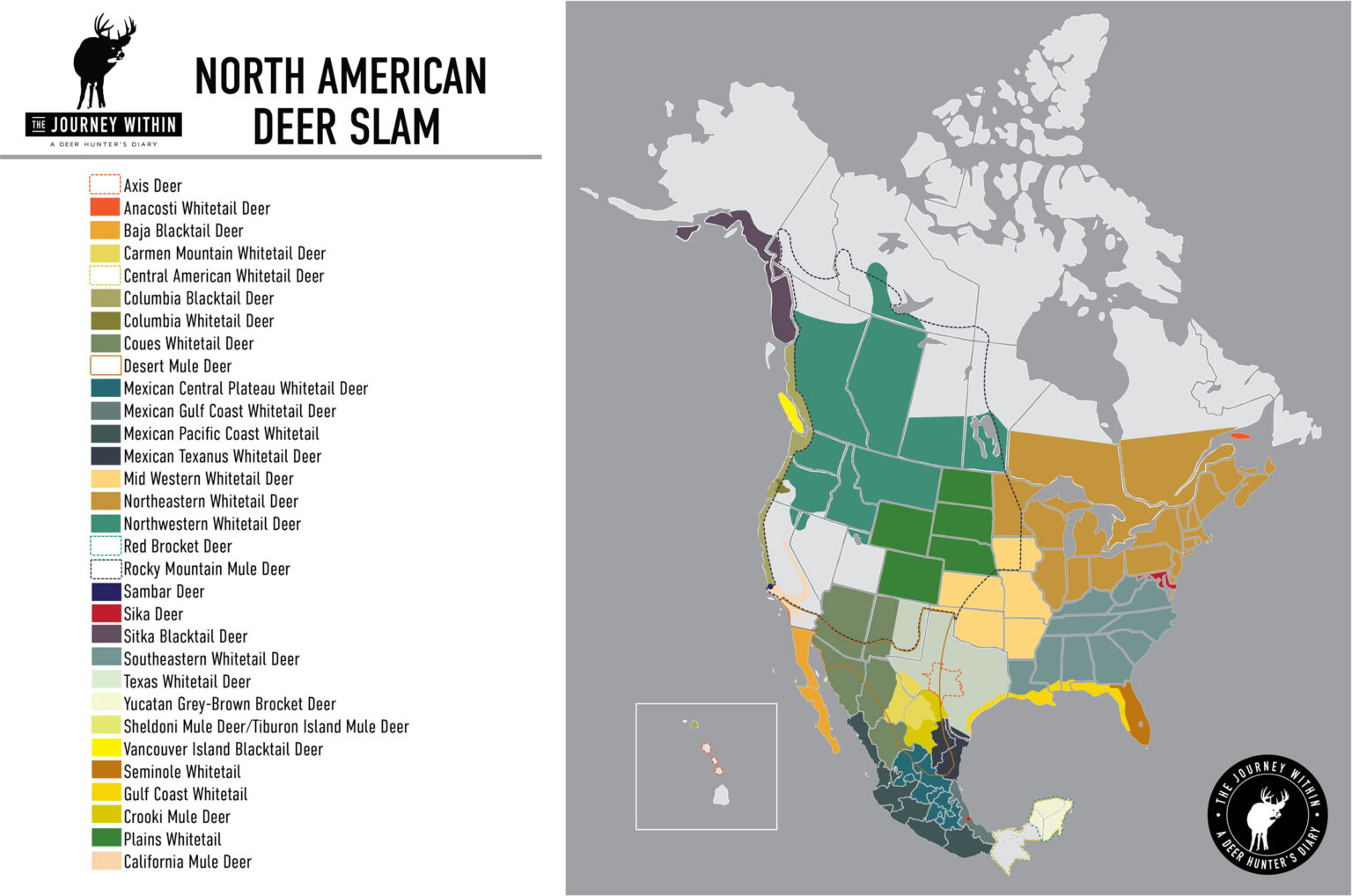
The Main Deer Species In North America
North America is home to several deer species. The most common are white-tailed deer, mule deer, and elk. Other species like moose, caribou, and black-tailed deer are also found in specific areas.
White-tailed Deer
The white-tailed deer is the most widespread species. They live in forests, grasslands, and even near cities. Their population is the highest among all deer in North America.
Mule Deer
Mule deer are more common in the western parts of the continent. Their large ears and black-tipped tails make them easy to recognize.
Elk
Elk, sometimes called wapiti, are much larger than other deer. Their numbers are lower, but they are still a key part of the ecosystem.
Moose, Caribou, And Others
Moose are the largest deer species and are found mainly in the north. Caribou live in Canada and Alaska, often in colder climates. Black-tailed deer are a type of mule deer found along the Pacific coast.
Estimated Deer Populations By Species
Deer populations change often because of hunting, disease, food supply, and predators. Here is a look at the estimated numbers for each main species:
| Species | Estimated Population | Main Regions |
|---|---|---|
| White-tailed Deer | 30–35 million | USA, Canada, Mexico |
| Mule Deer | 3.5–4 million | Western USA, Canada |
| Elk (Wapiti) | 1–1.3 million | Western USA, Canada |
| Moose | 1 million | Canada, Alaska, Northern USA |
| Caribou | 2.8 million | Canada, Alaska |
| Black-tailed Deer | 1–2 million | Pacific Coast |
In total, there are about 40 to 45 million deer across North America. This number can rise or fall depending on the year and region.
State And Provincial Differences
The number of deer is not the same everywhere. Some states and provinces have huge populations, while others have fewer. Here’s a comparison of a few regions:
| Region | Main Deer Species | Estimated Population |
|---|---|---|
| Texas | White-tailed | 4 million |
| Pennsylvania | White-tailed | 1.5 million |
| Alberta (Canada) | White-tailed, Mule | 400,000 |
| Alaska | Moose, Caribou | 1 million |
| California | Black-tailed, Mule | 500,000 |
Some states like Texas and Pennsylvania have huge deer numbers because of good habitat and careful wildlife management. In the north, such as Alaska and Canada, moose and caribou are more common.
Why Deer Populations Fluctuate
Deer populations are not fixed. They rise and fall due to several reasons:
1. Hunting Regulations
Laws about hunting help control deer numbers. When hunters take too many, populations can drop. Too few hunters, and numbers can grow quickly.
2. Predators
Wolves, bears, and mountain lions eat deer. In areas without predators, deer may become overpopulated.
3. Habitat Changes
Cutting down forests or building cities reduces places where deer can live. On the other hand, some farming practices can create new food sources.
4. Diseases
Illnesses like chronic wasting disease can kill many deer in a short time.
5. Weather And Food
Harsh winters or droughts can reduce food, leading to fewer deer surviving.
A detail many people miss: deer populations can rebound quickly after a bad year if conditions improve. For example, after a tough winter, if the next year is mild with plenty of food, numbers can jump up again.

Human Impact And Management
Deer are not only important for nature, but also for people. Hunters, wildlife watchers, and even farmers have strong opinions about deer.
Conservation Efforts
Early in the 1900s, deer populations were very low. Overhunting and habitat loss were the main reasons. Today, laws protect deer and control hunting. Wildlife agencies count deer and set hunting limits to keep numbers healthy.
Human Conflicts
Too many deer can cause problems. They eat crops, damage gardens, and cause car accidents. In some suburbs, deer eat flowers and young trees. This shows why balanced management is important.
Deer And The Ecosystem
Deer are a key part of North American ecosystems. They are prey for predators and help shape forests by eating plants.
A less-known fact: overpopulation of deer can harm forests. When there are too many, they can eat young trees and plants faster than they can grow. This makes it hard for new forests to develop and affects other animals as well.
Tracking Deer Populations
Wildlife biologists use different methods to count deer, including:
- Aerial surveys: Flying over forests to spot deer
- Trail cameras: Cameras placed in the wild to capture images
- Hunter surveys: Asking hunters how many deer they see or harvest
Each method has limits, but together they give a good idea of the total population.
Comparison With Other Large Mammals
How do deer numbers compare with other big animals in North America? Here’s a quick look:
| Animal | Estimated Population |
|---|---|
| Deer (all species) | 40–45 million |
| Black Bears | 800,000 |
| American Bison | 500,000 |
| Wolves | 60,000 |
| Cougars | 30,000 |
| Caribou | 2.8 million |
Deer are much more common than most other large wild animals. This is partly because they adapt well to different environments.

The Future Of Deer In North America
Deer populations will continue to change. Climate change, diseases, new predators, and changes in land use all play a role. Wildlife experts keep watching these trends to make sure deer stay healthy and do not cause problems.
One smart tip: if you live in deer country, learn about local rules for hunting and driving safely, especially in fall when deer are most active.
Frequently Asked Questions
How Many White-tailed Deer Are In North America?
There are about 30 to 35 million white-tailed deer in North America, making them the most common deer species.
Why Do Some Areas Have More Deer Than Others?
Deer numbers depend on habitat quality, food supply, and predator presence. Regions with good forests, less hunting, and fewer predators usually have more deer.
Are Deer Populations Growing Or Shrinking?
In most places, deer populations are stable or growing. However, some areas have seen declines due to disease, harsh winters, or predators.
How Do Scientists Count Deer?
Wildlife experts use aerial surveys, camera traps, and hunter reports to estimate deer numbers. Each method helps get a clearer picture.
Where Can I Find More Information About Deer Populations?
You can visit the Wikipedia page on Deer for more details, or check your local wildlife agency’s website.
Deer are a vital part of North America’s wild spaces. Their numbers reflect the health of our environment and the impact people have on nature. By understanding their populations, we can help keep both deer and people safe for years to come.

