
Every spring in North America, something special happens in forests and meadows: cow elk quietly move away from the herd. They find safe places to give birth. But what leads up to this moment? The answer lies in the elk gestation period—how long elk are pregnant before calves are born. Understanding elk reproduction is important for hunters, wildlife watchers, and anyone interested in nature. This article explains elk gestation in detail, with clear facts, unique insights, and practical examples.
What Is Elk Gestation?
Gestation is the period when a female elk carries a developing calf in her womb. For elk, this is a critical time. The mother must stay healthy and avoid danger while her calf grows inside her. The timing of elk gestation affects everything from when calves are born to how healthy herds are from year to year.
How Long Is Elk Gestation?
Most elk pregnancies last about 240 to 262 days. That is roughly 8 to 8.5 months. In North America, mating (or rut) happens in late September or October. Calves are usually born from late May to early June. The timing is not random—calves arrive when food is plentiful, giving them the best chance to survive.
The average elk gestation is about 250 days. This makes it a little longer than deer, but shorter than cows or horses. However, the exact length can change slightly, depending on the individual elk, the weather, and the health of the mother.
Why Elk Gestation Length Matters
The length of time an elk is pregnant is not just a number. It affects many important things:
- Calf Survival: If calves are born too early or too late, they may not survive. Late-born calves face more predators and have less time to grow before winter.
- Herd Health: Herds with good timing have more strong calves. This helps the population stay healthy.
- Food and Weather: Elk time their births with spring green-up, when plants are fresh. This gives mothers plenty of food for milk and helps calves grow quickly.
The Elk Reproductive Cycle
Elk have a very organized reproductive cycle:
- Mating Season (Rut): Happens in fall, usually late September to October.
- Gestation: Lasts about 8 to 8.5 months.
- Calving: Most calves are born in late May or early June.
- Weaning: Calves nurse for about 2 to 3 months, then start eating plants.
Mating And Fertilization
During the rut, males compete for females. Only the strongest bulls breed. After mating, the fertilized egg implants in the uterus. This begins the gestation period.
Implantation Delay
A fascinating detail is the embryonic diapause—a short delay before the egg implants. This is common in elk and some other mammals. It helps time the birth for the best season, even if mating dates vary a little. Most beginners miss this detail, but it’s a key part of elk reproduction.
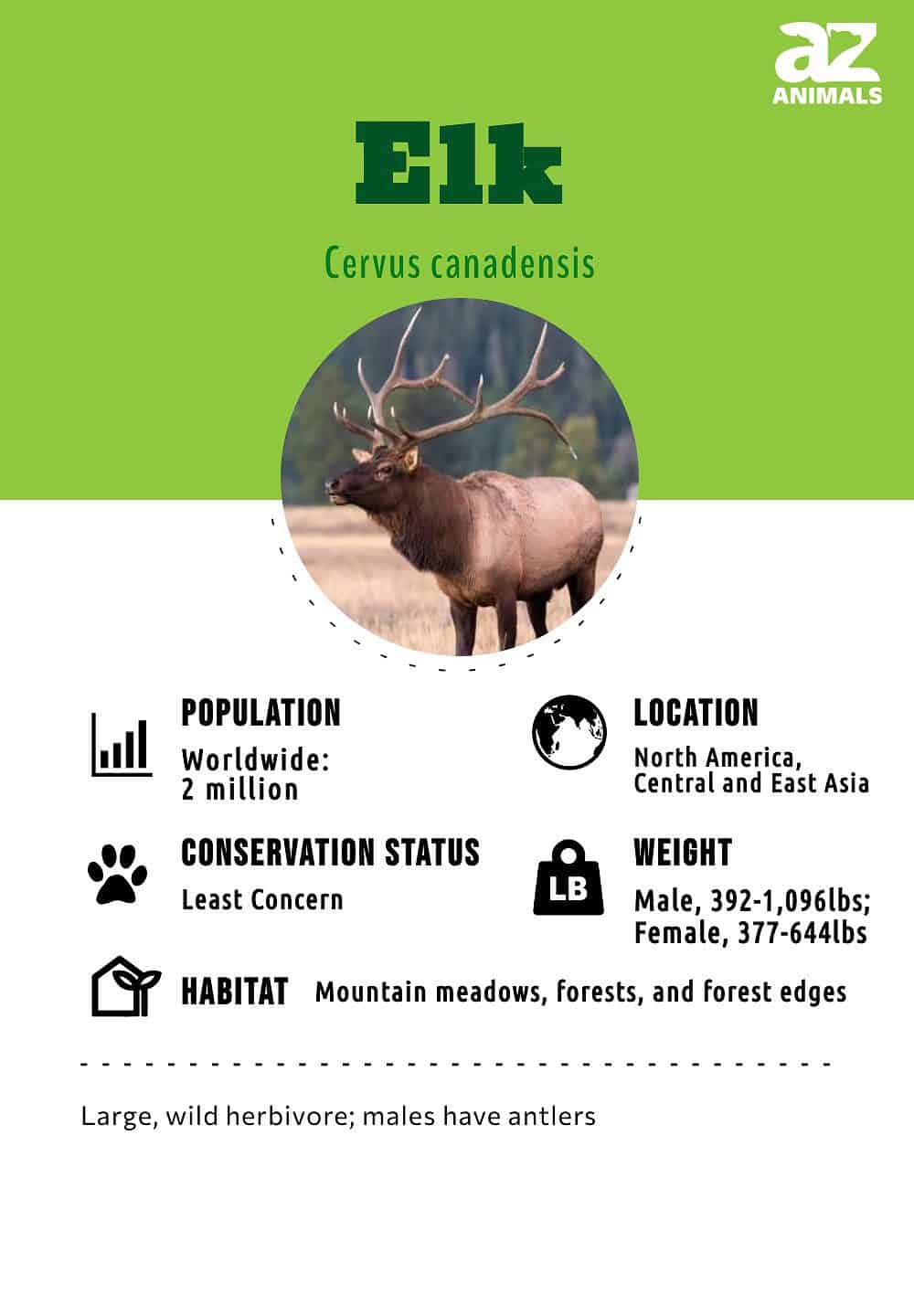
How Gestation Time Compares To Other Animals
It helps to see how elk gestation compares with other large mammals:
| Species | Gestation Length | Typical Birth Season |
|---|---|---|
| Elk | 240–262 days (8–8.5 months) | Late May–June |
| White-tailed Deer | 200 days (6.5 months) | May–June |
| Cow (domestic) | 283 days (9.5 months) | Year-round |
| Horse | 340 days (11 months) | Spring |
| Moose | 230 days (7.5 months) | May–June |
Elk gestation is longer than deer or moose, but shorter than cows or horses. This timing fits their unique needs in the wild.
What Influences Elk Gestation Length?
Not every elk pregnancy lasts the exact same number of days. Here are some factors that can make it shorter or longer:
1. Climate And Weather
Harsh winters or late springs can delay calf births. If snow lasts longer, mothers may give birth a week or two later. This helps calves avoid cold or lack of food.
2. Nutrition
Healthy mothers with plenty of food are more likely to have normal-length pregnancies. Poor nutrition can cause early or late births, or even loss of the calf.
3. Age Of The Mother
Young cows (first-time mothers) sometimes have slightly longer or shorter gestation periods. Their bodies are still learning the process.
4. Genetics
Some elk populations have genes for slightly longer or shorter gestation. This lets them adapt to their local environment.
5. Stress And Disturbance
High stress—such as from predators or human activity—can affect pregnancy length and calf health. Calm, safe herds tend to have healthier, better-timed calves.
Stages Of Elk Pregnancy
Elk gestation is not just a long wait. The embryo and then the calf go through several key stages:
- Implantation: After fertilization and a short diapause, the embryo implants in the uterus.
- Early Development: The embryo grows quickly but is still tiny.
- Mid-Gestation: Major organs and bones form. The mother’s body changes to support the calf.
- Late Gestation: The calf puts on weight and grows fur. The mother prepares for birth, often seeking a quiet spot.
Each stage is important. Problems at any point can affect the health of mother or calf.
How Elk Behavior Changes During Gestation
Pregnancy changes how cow elk act:
- Seeking Safety: As calving nears, cows leave the herd and find secluded spots. This reduces predator risk.
- More Feeding: Pregnant cows need more food, especially in late pregnancy.
- Less Movement: Cows move less to save energy.
- Vigilance: Mothers become more alert, especially in the days before birth.
These behaviors help both the mother and her unborn calf survive.

Calving Season: The End Of Gestation
The end of gestation is called calving. Most elk calves are born in late May or early June, just as grass and plants are at their best.
Calving Details
- Birth is quick: Usually less than 2 hours.
- Single births: Twins are very rare.
- Hiding: Calves hide in tall grass for their first weeks, almost scentless to avoid predators.
- Mother returns often: She nurses and cares for her calf several times a day.
Calf survival depends on timing. Late or early births can mean less food, more predators, or harsh weather.
Survival Challenges For Calves
The first weeks after birth are risky. Here’s why timing matters so much:
| Factor | Early Birth | Normal Birth | Late Birth |
|---|---|---|---|
| Food Availability | Poor | Best | Declining |
| Predator Risk | High | Moderate | High |
| Calf Growth | Slow | Fast | Slow |
| Winter Survival | Low | High | Low |
This is why gestation timing is so important. A few days can make a big difference.
Common Beginner Misunderstandings
Many people think all elk give birth at exactly the same time each year. In reality, there is some variation—sometimes up to two weeks—based on location, weather, and herd health. Another common mistake is to assume longer gestation always means a healthier calf.
In fact, very late births often result in weaker calves.
A non-obvious detail: calves are not born able to run immediately. They hide and remain still for the first week, which is different from some other hoofed animals.
How Scientists Study Elk Gestation
Wildlife biologists use several methods to study elk reproduction:
- Radio Collars: Track pregnant cows to see when and where they give birth.
- Ultrasound: Rare in wild elk, but used in research herds to check pregnancy stage.
- Field Observations: Look for newborn calves and record birth dates.
- Hormone Testing: Analyze blood or feces to confirm pregnancy.
These methods help us learn how changing climate, hunting, and other factors affect elk populations.
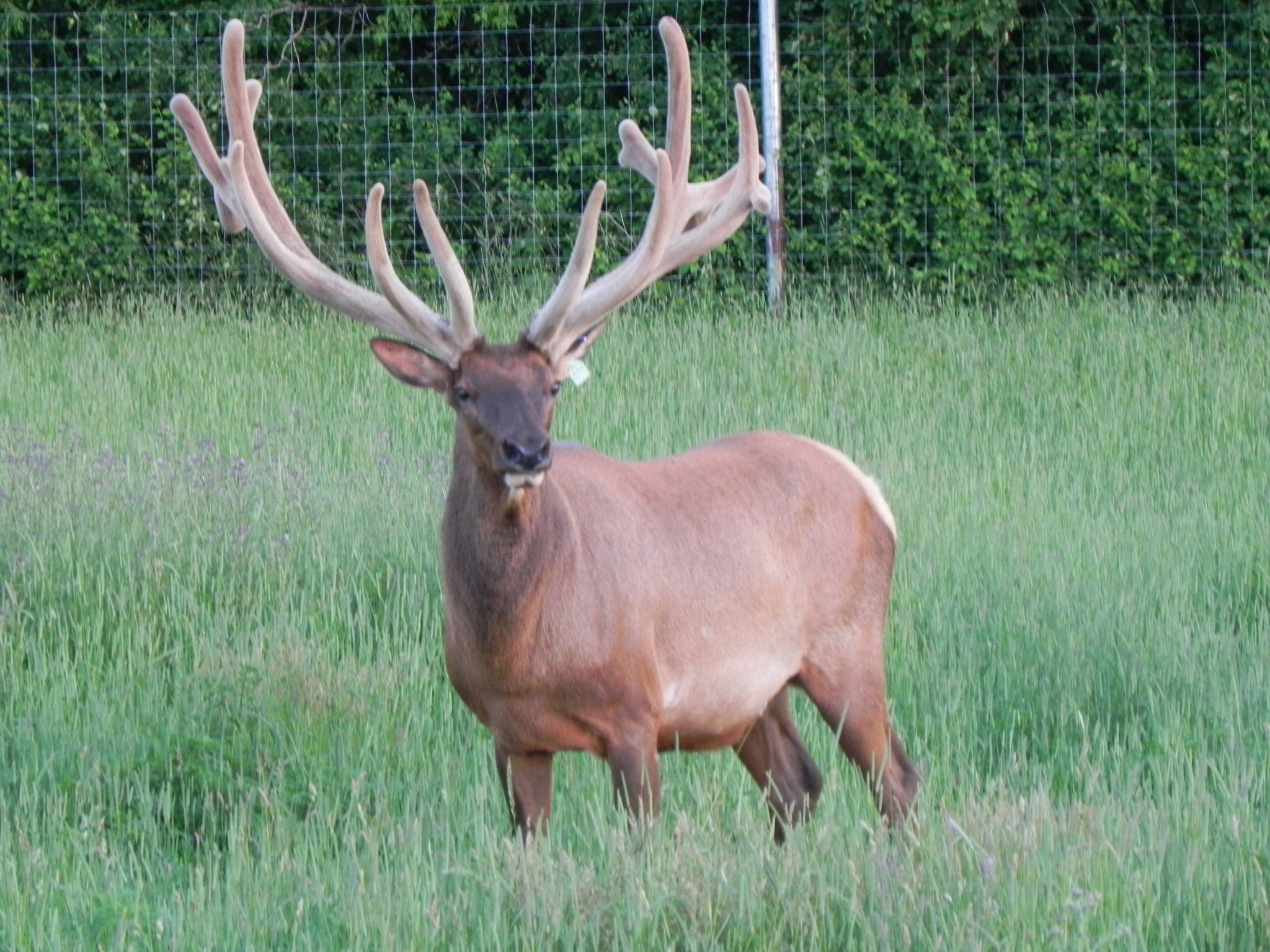
Human Impact On Elk Reproduction
Human activities can disturb elk during gestation. Logging, hiking, or vehicles near calving areas can cause cows to move, sometimes losing their calf. Wildlife managers often close trails or roads near known calving grounds in spring.
Careful management is needed to protect elk during this sensitive time. If you visit elk country in late spring, keep your distance and respect posted signs.
Elk Gestation In Different Environments
Elk live in forests, grasslands, and mountains. The length of gestation and calving dates can shift based on where elk live:
- Rocky Mountains: Calving is usually in early June, when snow melts.
- Pacific Northwest: Earlier calving, sometimes late May, due to mild winters.
- Northern Canada: Calves may arrive later if snow lingers.
This adaptability helps elk survive across a wide range.
Unique Adaptations For Survival
Elk have evolved several strategies that connect directly to gestation timing:
- Scentless Calves: For the first week, calves have almost no scent, making them harder for predators to find.
- Synchronization: Many calves are born within a short period. This “predator swamping” means predators cannot eat them all.
- Milk Quality: Elk milk is very rich, helping calves grow fast in their first weeks.
These adaptations only work if gestation is well-timed.
Key Takeaways For Hunters And Wildlife Watchers
If you are a hunter or wildlife observer, understanding elk gestation helps you:
- Predict when and where to see calves.
- Avoid disturbing elk during sensitive times.
- Understand population trends and herd health.
For more technical information, the Wikipedia entry on elk offers a scientific overview.
Frequently Asked Questions
How Long Are Elk Pregnant?
Elk are pregnant for about 240 to 262 days, or roughly 8 to 8.5 months. Most calves are born in late May or early June.
Do Elk Always Give Birth At The Same Time Each Year?
No. Calving can vary by one to two weeks depending on location, weather, and food availability.
Can Elk Have Twins?
It is very rare for elk to have twins. Almost all births are single calves.
How Soon Can A Newborn Elk Calf Walk?
Most elk calves can stand and walk within an hour after birth, but they hide and remain still for the first week.
What Happens If A Calf Is Born Late?
Late-born calves have less time to grow before winter, face more predators, and often have a lower chance of surviving their first year.
The world of elk reproduction is complex and fascinating. Knowing about elk gestation helps us respect these animals and enjoy watching them in the wild. Whether you are a hunter, a hiker, or just curious, understanding the timing of new life in nature brings you closer to the world of elk.

