
Every spring, parks and gardens come alive with the sounds of chirping, fluttering, and the busy activity of parent birds feeding their young. People often wonder: how long does it take baby birds to fly? The answer is more complex than it might seem. Different species develop at different speeds, and many factors influence when a bird is ready to take its first flight. Understanding this journey from hatching to flight, called fledging, helps us appreciate the challenges young birds face and why some need more time than others. If you ever find a baby bird on the ground, knowing its stage of development can help you decide what to do.
This article explores the timeline of flight for baby birds, what influences it, and what to expect for common species. You’ll also discover why birds don’t all leave the nest at the same age, and what risks and milestones they encounter on the way to independence.
Whether you love birdwatching or have found a nest in your backyard, you’ll find answers to your questions here.
The Journey From Egg To Flight
The process from hatching to flying involves several stages. While it might look simple, each stage matters for a baby bird’s survival. The period before flight is when most birds are at their most vulnerable. Let’s break down the journey:
- Hatching – The chick breaks out of its egg, usually blind and featherless.
- Nestling phase – The chick stays in the nest, growing fast as parents feed it.
- Fledging – The chick grows feathers, becomes more active, and finally tries to fly.
- Post-fledging – The young bird leaves the nest but may still rely on parents for food and protection.
The time it takes to reach each stage depends on the bird’s species, size, and environment. Some birds grow up in days, while others take weeks or months.
How Long Before Baby Birds Fly?
The time from hatching to first flight can range from just over a week to several months. Here’s a look at the general timelines for different types of birds:
- Small songbirds (robins, sparrows, finches): 10–21 days
- Woodpeckers: 21–30 days
- Doves and pigeons: 14–18 days
- Swallows and swifts: 18–28 days
- Birds of prey (hawks, owls, eagles): 4–12 weeks
- Waterfowl (ducks, geese): 1–2 days (many leave the nest soon after hatching but cannot fly for 6–10 weeks)
- Parrots: 4–10 weeks
- Game birds (quail, pheasant): 1–2 days (leave the nest on foot, fly at 1–2 weeks)
Species that nest on the ground often leave the nest earlier and develop flight later, while tree-nesting birds usually fly soon after leaving the nest.

Factors That Affect When Baby Birds Fly
Species And Genetics
Each bird species has a built-in timeline for growth. For example, American robins usually fledge at 13–15 days, while bald eagles take 10–12 weeks. The size of the bird matters too—larger birds need more time to grow strong enough for flight.
Nest Location
Birds that nest in trees or cliffs (like swallows or hawks) often stay in the nest longer. Leaving too soon could mean falling and being unable to return. Ground nesters, such as ducks and quail, leave the nest within a day or two but stay hidden in vegetation, learning to fly later.
Food Supply
A rich food supply helps chicks grow faster. If food is scarce, development slows down, and chicks may stay in the nest longer. Parent birds work tirelessly to keep their chicks fed, often making hundreds of trips per day.
Weather And Season
Cold or wet weather can slow down growth. Chicks may use more energy to stay warm, and parents may find it harder to find food. This can delay the time when young birds are ready to fly.
Predators And Safety
If predators are nearby, parents may encourage chicks to leave the nest earlier or delay their departure until the danger passes. The balance between safety in the nest and exposure outside is critical.
Health And Competition
Sick or weak chicks may not develop as fast. In nests with many siblings, competition for food can affect growth rates. Sometimes the youngest chick leaves the nest later, or not at all.
How Different Species Compare
Birds show a wide range of development speeds. To see how different species compare, here’s a quick reference for common backyard birds:
| Species | Days in Nest (Average) | First Flight (Days after hatching) |
|---|---|---|
| American Robin | 13 | 13–15 |
| House Sparrow | 14 | 14–17 |
| Blue Jay | 17–21 | 17–21 |
| Northern Cardinal | 9–11 | 9–11 |
| Barn Swallow | 18–23 | 18–23 |
| Eastern Bluebird | 16–21 | 16–21 |
| Mourning Dove | 12–15 | 12–15 |
| Chickadee | 16–17 | 16–17 |
As you can see, most small songbirds are ready to fly about two weeks after hatching. Larger or more specialized birds may need more time.
The Nestling And Fledgling Stages
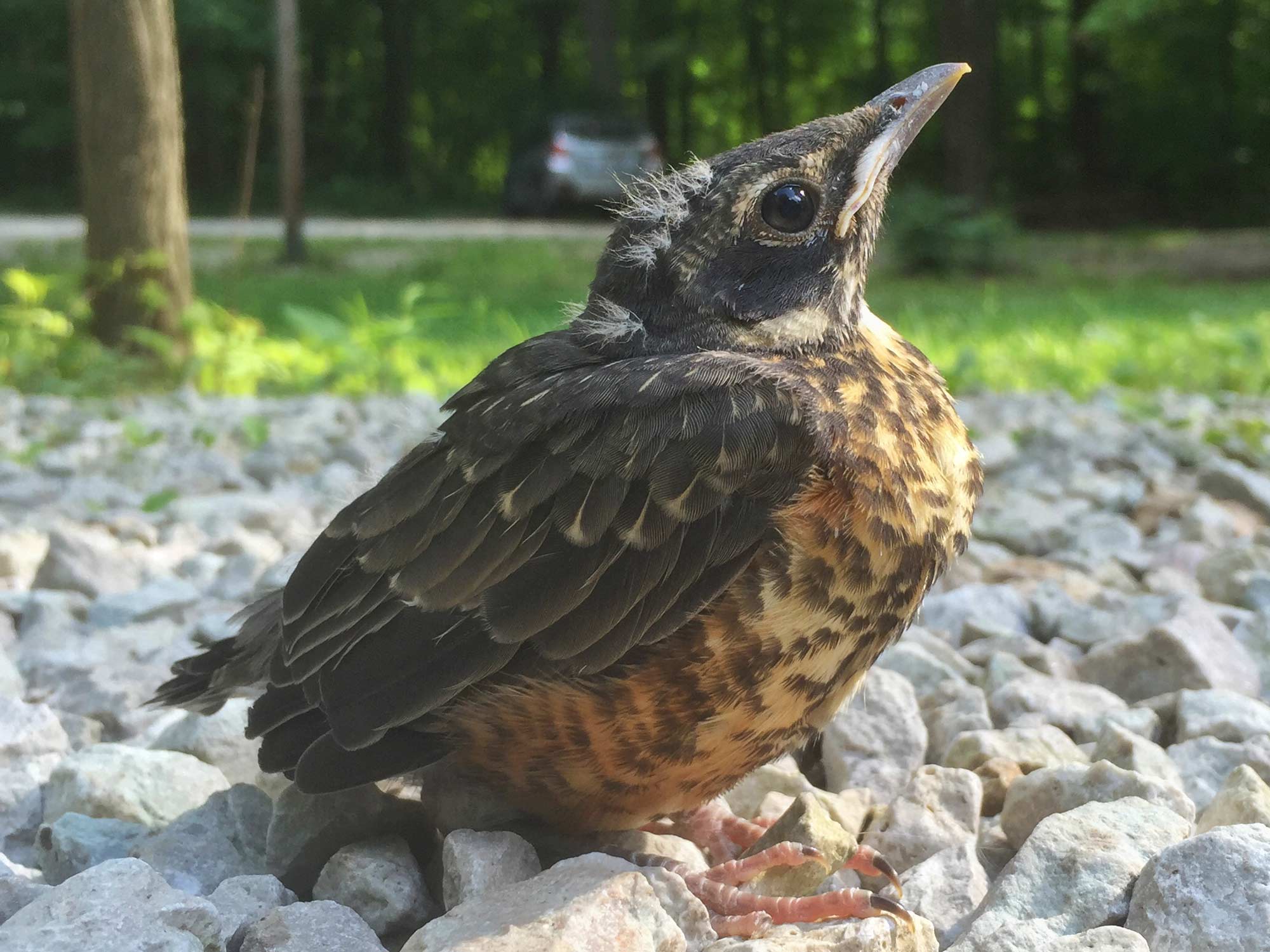
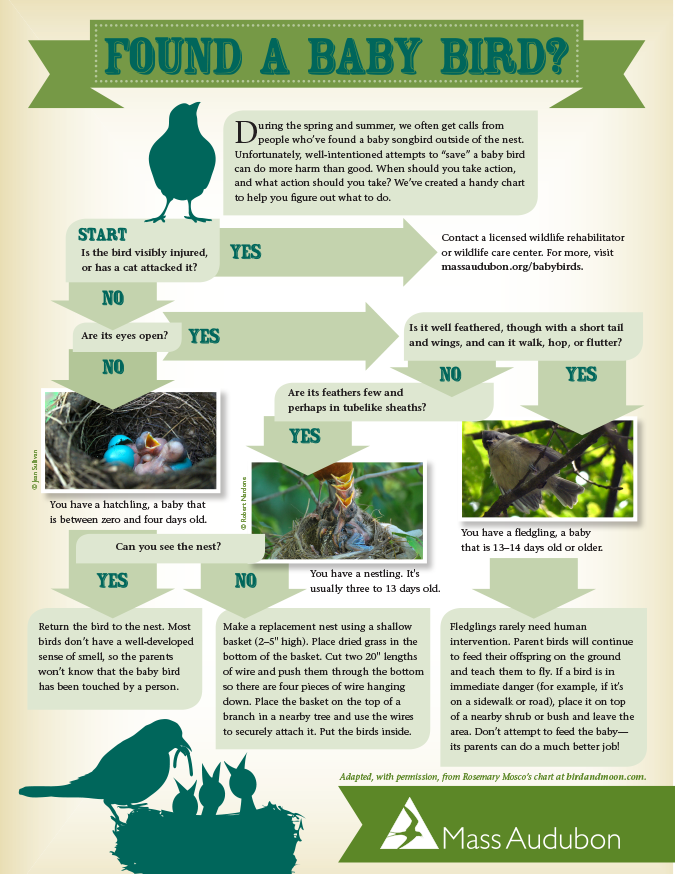
Understanding the difference between nestlings and fledglings is key. A nestling is a very young bird that stays in the nest, depending completely on its parents. A fledgling is a young bird that has left the nest but may not be able to fly well yet.
Nestling Traits
- Eyes may still be closed or only partly open
- Few or no feathers (just soft down)
- Cannot hop or walk well
- Needs to be fed by parents
Fledgling Traits
- Fully feathered, but often with a short tail or “fluffy” look
- Can hop, perch, and flutter
- May be seen on the ground, calling for parents
It’s common to find fledglings on the ground. This stage is natural, and parents continue to feed and protect them nearby. Most people mistake fledglings for abandoned birds, but they are just learning.
Why Don’t All Birds Fly At The Same Age?
Birds have different survival strategies. Some leave the nest early to escape predators, while others stay longer to develop better flying skills. Here’s why timing varies:
- Altricial birds (like robins, sparrows, and finches) hatch helpless and stay in the nest until they are strong enough to fly.
- Precocial birds (like ducks, quail, and shorebirds) hatch covered in down and can walk soon after birth, but take weeks to fly.
This difference is shaped by where the species lives, what it eats, and how it avoids danger.
Example: Ducks Vs. Robins
Ducks leave the nest within 24 hours but don’t fly for 5–8 weeks. They follow their mother to water and hide from predators. Robins stay in the nest until their wings are strong, then leave and fly short distances right away.
How Baby Birds Learn To Fly
Learning to fly is not instant. It’s a mix of instinct and practice. Fledglings start by exercising their wings in the nest, then make short jumps to nearby branches or the ground.
Steps To First Flight
- Wing stretching and flapping – Builds strength in the nest.
- Branch hopping – Chicks jump to nearby twigs and return.
- Short flights – First flights are often clumsy and short.
- Improvement – Within a few days, flight skills improve quickly.
Parents may encourage chicks by calling or showing food, helping them gain confidence.
What Happens After First Flight?
The first flight is a big milestone, but young birds are not fully independent yet. They often stay close to the nest for several days, hiding in bushes or trees. Parents continue to feed them while they learn to find food and avoid danger.
Some birds, like crows and jays, stay with their family for weeks or months after fledging, learning important survival skills.
Common Species: Flight Timelines And Special Facts
To better understand how long it takes for baby birds to fly, let’s look at a few common species in more detail.
American Robin
- Nestling period: 13 days
- Fledging period: Begins flying at 13–15 days
- Special fact: Parents may raise 2–3 broods per year. Young robins are fed by parents for up to two weeks after fledging.
House Sparrow
- Nestling period: 14 days
- Fledging period: 14–17 days
- Special fact: Fledglings leave the nest before they can fly well. Parents continue to feed them for days.
Barn Swallow
- Nestling period: 18–23 days
- Fledging period: 18–23 days
- Special fact: Swallow chicks practice flying inside the nest before their first real flight.
Northern Cardinal
- Nestling period: 9–11 days
- Fledging period: 9–11 days
- Special fact: Fledglings are fed by both parents and may follow them for several weeks.
Mallard Duck
- Nestling period: Leaves nest within 24 hours
- Flight: 50–60 days
- Special fact: Ducklings can swim and feed themselves soon after hatching but are unable to fly for many weeks.
Bald Eagle
- Nestling period: 10–12 weeks
- Fledging period: 10–14 weeks
- Special fact: Young eagles practice flapping and “branching” (hopping to nearby branches) for weeks before flying.
European Starling
- Nestling period: 21–23 days
- Fledging period: 21–23 days
- Special fact: Parents continue feeding young starlings for up to two weeks after fledging.
Blue Jay
- Nestling period: 17–21 days
- Fledging period: 17–21 days
- Special fact: Blue Jay families often stay together for weeks, with older siblings helping to feed the young.
Peregrine Falcon
- Nestling period: 35–42 days
- Fledging period: 35–42 days
- Special fact: Young falcons begin flying at about six weeks old, then learn to hunt over the next month.
Data Comparison: Tree Vs. Ground Nesters
To see how nest location affects fledging time, here’s a comparison:
| Species | Nest Location | Fledging Age (days) | Flight Ability at Fledging |
|---|---|---|---|
| American Robin | Tree | 13–15 | Good |
| Mourning Dove | Tree/Bush | 12–15 | Fair |
| Mallard Duck | Ground | 50–60 | Excellent (after 8 weeks) |
| Quail | Ground | 12–14 (for short flights) | Fair |
| Peregrine Falcon | Cliff | 35–42 | Good |
Tree and cliff nesters usually stay in the nest until they can fly well. Ground nesters leave early but need more time to develop flight muscles.
Important Insights For Birdwatchers And Homeowners
Do Not Disturb Fledglings
Many people find young birds on the ground and think they need rescuing. In most cases, fledglings should be left alone. Their parents are nearby, watching and feeding them. Picking them up can cause stress or attract predators.
Rarely Return Nestlings
If you find a true nestling (featherless or with eyes closed) on the ground, try to return it to its nest. Most birds will not reject their young if touched by humans. If you cannot find the nest, contact a wildlife rehabilitator.
Pets And Lawnmowers
Young birds are at risk from cats, dogs, and garden tools. If you know there are fledglings in your yard, keep pets inside and be careful when mowing or trimming bushes.
Not All Birds Survive
Nature is tough. On average, only 40–50% of fledglings survive their first few weeks. This is why birds lay multiple eggs and may raise more than one brood each year.
Migratory Species
Some migratory birds, such as swallows and warblers, must learn to fly well before their first long journey. Their parents encourage practice flights and sometimes delay migration until the young are strong.
Special Cases: Birds With Unusual Flight Timelines
Not all birds fit the usual mold. Here are a few with unique development patterns:
Swifts
Swifts stay in the nest for up to 6 weeks. They can fly long distances as soon as they leave, because they rarely land except to nest.
Albatrosses
Albatross chicks remain on the ground for 5–10 months, building up fat reserves. Their first flight is often over the ocean, and they may not return to land for years.
Owls
Owlets may leave the nest (called “branching”) before they can fly. They climb around branches using their beaks and talons, practicing until they are strong enough to take off.
What Makes Flying So Difficult For Baby Birds?
First flights are risky. Young birds must balance, steer, and avoid obstacles. Their wings and muscles develop through exercise, but instinct plays a role too. A failed first flight can mean injury or death, so birds wait until they are ready.
Flight Muscles
Strong pectoral muscles are needed for takeoff. These develop through wing-flapping and practice in the nest.
Feathers
Flight feathers must be fully grown. If a chick leaves the nest too soon, its wings may not support flight.
Coordination
Flying requires the brain and muscles to work together. Young birds need time to develop balance and control.
Practical Tips: If You Find A Baby Bird
- Identify the stage: Is it a nestling or fledgling? Fledglings should be left alone unless in immediate danger.
- Look for parents: Watch from a distance. Parents often return after a few minutes.
- Return to nest if possible: If the bird is a nestling, gently place it back.
- Keep pets away: Give the young bird space to practice flying.
- Do not feed: Feeding baby birds the wrong food can be harmful.
- Call a rehabilitator: If the bird is injured or orphaned, contact a local wildlife expert.
For more detailed advice, see this All About Birds guide.
Real-life Example: The Robin Family In Your Backyard
Imagine you spot a robin nest outside your window. You notice the eggs hatch, and the tiny, helpless chicks beg for food. Over the next two weeks, their eyes open, and feathers grow. Soon, they’re stretching their wings and peeking over the edge of the nest.
On day 13, one brave chick leaps out, fluttering to a nearby branch. For the next few days, you see the parents feeding their young around the yard. This is a normal, healthy process. Within a week, the young robins are flying confidently.
Data Table: Fledging Times Of Common North American Birds
Here’s a quick reference for parents, teachers, or curious bird lovers:
| Bird Species | Days to Fly | Notes |
|---|---|---|
| American Robin | 13–15 | Short flights at first; parents feed for 2 more weeks |
| House Finch | 12–19 | Often seen on the ground before flying well |
| Blue Jay | 17–21 | Family groups stay together for weeks |
| Killdeer | 1–2 (leave nest); 25 (fly) | Precocial: can run right away, fly after 3–4 weeks |
| Wood Duck | 1 (leave nest); 56–70 (fly) | Jump from nest to ground in one day |
| Bald Eagle | 70–90 | Longest nestling period among common raptors |
Frequently Asked Questions
How Do I Know If A Baby Bird Is Ready To Fly?
A fledgling is fully feathered and alert, and may flutter or hop on the ground or branches. If it can perch and move around, it’s likely learning to fly. Nestlings, in contrast, are mostly featherless and stay in the nest.
What Should I Do If I Find A Baby Bird On The Ground?
If the bird is a fledgling (fully feathered, hopping), leave it alone. Its parents are probably nearby. If it’s a nestling (no feathers or eyes closed), try to put it back in the nest. If you can’t find the nest or the bird is injured, call a wildlife rehabilitator.
Do All Birds Learn To Fly At The Same Age?
No. The time depends on the species, environment, and other factors. Small songbirds may fly in 10–15 days, while eagles and owls need 2–3 months. Ground-nesting birds may leave the nest before they can fly.
Is It True That Touching A Baby Bird Makes The Parents Abandon It?
No. Most birds have a poor sense of smell and will not abandon their chicks if you touch them. It’s better to return a nestling to the nest than to leave it exposed.
Why Do Some Birds Leave The Nest Before They Can Fly?
Some species, especially ground nesters like ducks and quail, leave the nest soon after hatching to avoid predators. They stay hidden with their mother until their wings are strong enough for flight.
Baby birds’ journey to flight is full of danger, learning, and change. Knowing how long it takes for baby birds to fly—and what happens at each stage—helps us protect and appreciate the wildlife around us. With patience and understanding, you can support local birds and enjoy the wonder of their first flights each year.

