
How High Can Birds Fly? Exploring the Extreme Limits of Avian Altitude
On a clear day, you might spot a bird soaring overhead and wonder: just how high can birds fly? For centuries, people have been fascinated by the flight of birds, not just for their beauty but for their ability to reach places humans can only dream of. Some birds glide just above the ground, while others disappear into the clouds—sometimes even above the world’s tallest mountains. But what sets the limits for birds in the sky? This article explores the real heights birds can reach, the science behind their flight, the species holding altitude records, and what makes extreme flight possible.
Why Bird Flight Height Matters
Birds do not all fly at the same level. Their flight height depends on many factors: finding food, migration, avoiding predators, and even weather. For example, some seabirds fly low over the ocean to spot fish, while migrating birds often climb higher to catch strong winds. High flight can help birds save energy on long journeys, avoid dangerous storms, and cross mountains or deserts.
But flying high is not just about getting from one place to another. Understanding how high birds can go teaches us about bird anatomy, evolution, and the limits of life on Earth. It can even help engineers design better airplanes and drones.
How High Do Most Birds Fly?
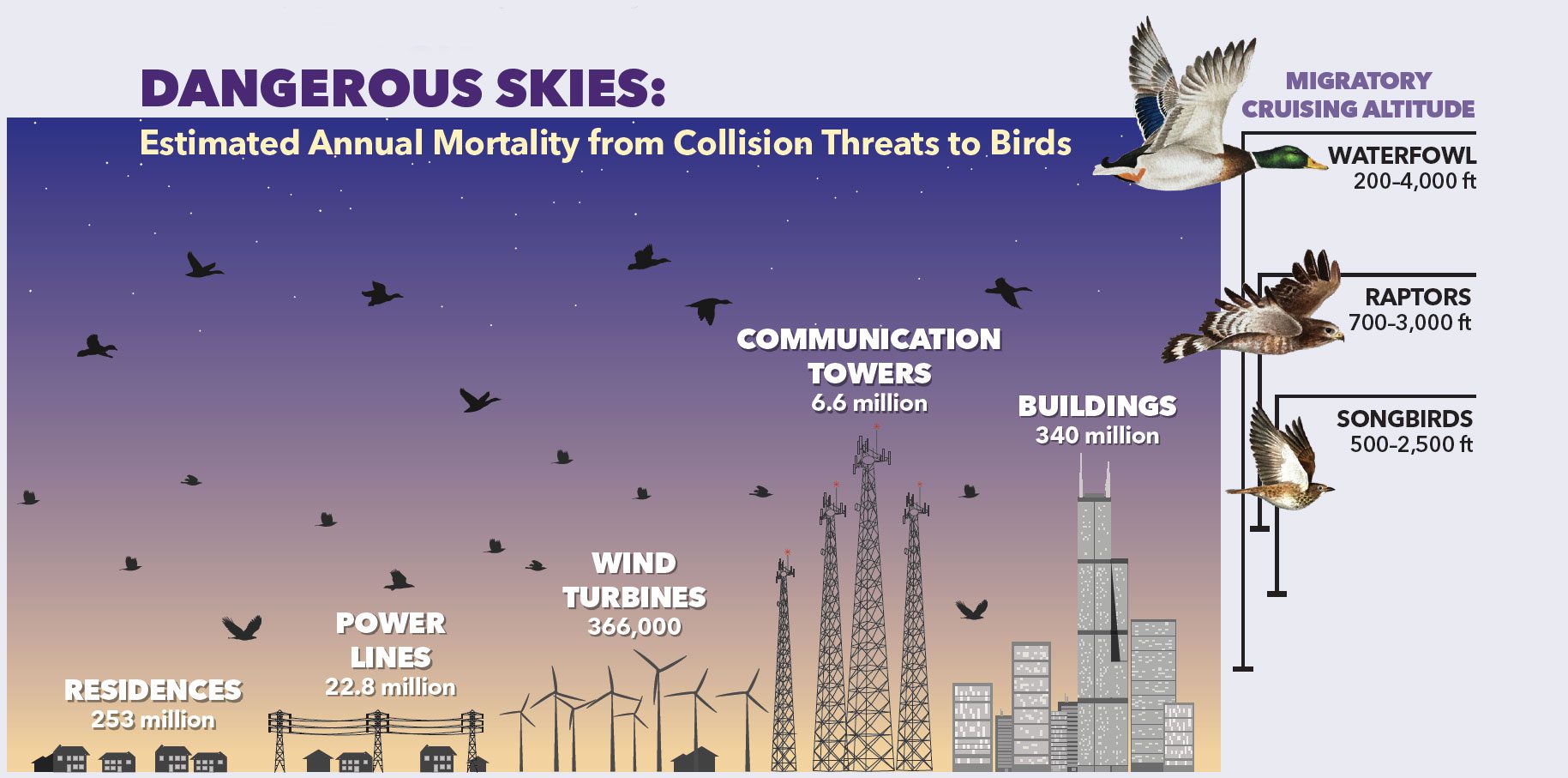
Most birds do not fly at extreme heights. For everyday activities like searching for food or nesting, many species stay below 500 meters (about 1,600 feet). This is because the air is thicker and richer in oxygen at lower altitudes, which makes flying easier and breathing less stressful.
For example:
- Robins and sparrows usually fly within 100 meters (330 feet) of the ground.
- Crows and pigeons often stay below 200 meters (650 feet).
- Seagulls glide between 20 and 50 meters (65 to 165 feet) above water.
But these are averages. Some birds can—and do—go much higher, especially during migration or special circumstances.
Bird Species That Reach The Highest Altitudes
Some birds are famous for their record-breaking flights. Below are some of the highest-flying birds ever recorded, with details on how high and why they reach these altitudes.
| Bird Species | Recorded Maximum Altitude | Region/Habitat |
|---|---|---|
| Rüppell’s Vulture | 11,300 m (37,100 ft) | Sahara & Sahel, Africa |
| Common Crane | 10,000 m (32,800 ft) | Asia, Europe |
| Bar-headed Goose | 8,800 m (29,000 ft) | Central Asia, Himalayas |
| Whooper Swan | 8,200 m (27,000 ft) | Eurasia |
| Alpine Chough | 8,000 m (26,200 ft) | Himalayas, Alps |
| Bar-tailed Godwit | 6,000 m (19,700 ft) | Worldwide migration |
| Andean Condor | 5,500 m (18,000 ft) | Andes, South America |
Rüppell’s Vulture
This bird holds the world record for the highest confirmed bird flight: 11,300 meters (37,100 feet). In 1973, a Rüppell’s vulture collided with a commercial airplane at this height. These vultures cross the Sahara and Sahel, using thermal air currents to soar with minimal effort.
Bar-headed Goose
Bar-headed geese are famous for their migration over the Himalayas. They have been tracked at altitudes of up to 8,800 meters (29,000 feet), which is as high as Mount Everest’s summit. Their bodies are specially adapted to take in oxygen in thin air.
Common Crane And Whooper Swan
Both species have been seen above 8,000 meters (26,000 feet) during migration. These birds need to cross the high mountains of Central Asia, so they are built for high-altitude flight.
Alpine Chough
These crows live in high mountains such as the Himalayas and the Alps. They are often seen flying at 8,000 meters (26,200 feet), sometimes even visiting climbers on Everest.
Bar-tailed Godwit
This shorebird is famous for its long, nonstop flights—sometimes over 10,000 kilometers (6,200 miles). It has been recorded at 6,000 meters (19,700 feet) during migration.
Andean Condor
The Andean condor soars on the winds above South America’s Andes mountains, reaching 5,500 meters (18,000 feet). Its huge wings help it glide for hours without flapping.
How Scientists Measure Bird Flight Altitude
You might wonder how anyone knows how high a bird flies. There are several ways:
- Radar tracking: Weather radar can follow the movement of birds, especially during migration.
- GPS and satellite tags: Small, lightweight devices are attached to birds. These track altitude, location, and speed.
- Direct observation: Sometimes, birds are seen at known heights, such as when they pass mountain summits or are spotted from airplanes.
- Barometric loggers: Tiny sensors measure air pressure, which changes with height.
Each method has strengths and limits. For example, radar can track many birds at once but cannot always tell the species. GPS tags give precise data but can only be used on larger birds.

Why Do Some Birds Fly So High?
High-flying birds often have special reasons to reach extreme heights:
- Migration: Birds like the bar-headed goose or common crane need to cross tall mountain ranges.
- Energy savings: Flying higher can help birds find faster winds, which reduces the energy needed for long trips.
- Avoiding weather: Some birds climb above clouds to escape storms.
- Predator avoidance: At high altitudes, there are fewer predators.
But flying high is not easy. As birds climb, the air gets thinner and colder. Oxygen drops, making breathing more difficult. Only birds with special adaptations can survive these heights.
How Does Altitude Affect Birds?
Thin air is the biggest challenge at high altitudes. At 8,000 meters (26,200 feet), oxygen levels are only about one-third of what they are at sea level. This makes it hard for muscles to work and for brains to stay alert.
Cold temperatures are another problem. At high altitudes, temperatures can drop to -40°C (-40°F) or lower. Birds need excellent insulation and energy stores to survive.
Lower air pressure also makes it harder to generate lift with wings. Birds must work harder to stay aloft.
Dehydration happens faster at altitude, because the air is dry. Birds can lose water quickly through breathing.

Special Adaptations For High Flight
Some birds have evolved amazing features to help them fly high.
Oxygen Carrying
- Efficient lungs: Birds have a one-way airflow system, unlike mammals. This helps them get more oxygen from thin air.
- More red blood cells: Birds like the bar-headed goose have more hemoglobin, a protein that carries oxygen in the blood.
Body Shape And Size
- Large wings: Birds that soar at high altitudes, such as vultures and condors, have long, wide wings. This lets them glide on air currents with little effort.
- Lightweight bodies: High-flying birds often have less body fat.
Temperature Control
- Dense feathers: These provide insulation against extreme cold.
- Shivering muscles: Some birds can generate extra body heat by shivering.
Unique Insights
Most people believe only large birds can fly high. In reality, some smaller birds—like swifts—have been recorded at surprising heights, sometimes above 3,000 meters (9,800 feet) while feeding on insects. Another detail: birds do not always fly at their maximum altitude. They often choose flight heights based on weather and air currents, not just physical limits.
How Do High-flying Birds Navigate?
Birds at extreme heights cannot see the ground well. So how do they know where to go?
- Sun and stars: Many birds use the position of the sun or stars to navigate.
- Earth’s magnetic field: Some birds can sense magnetic fields and use them like a compass.
- Wind patterns: High-flying birds often adjust their route to follow strong tailwinds.
The Role Of Migration
Migration is the main reason most birds fly high. Long-distance travelers like geese, cranes, and godwits often need to cross dangerous obstacles: mountains, deserts, or oceans. Flying at altitude helps them avoid these barriers and sometimes escape predators.
But not all migrations are extreme. For example, the Arctic tern migrates from the Arctic to the Antarctic but usually stays below 1,000 meters (3,280 feet), flying just above the ocean.
Unusual High-altitude Sightings
Sometimes, birds are found much higher than expected. For example:
- Dead birds have been found on the slopes of Everest, suggesting flight at nearly 8,500 meters (27,900 feet).
- Pilots have reported seeing birds above 9,000 meters (29,500 feet), though these sightings are rare and hard to confirm.
How Bird Flight Heights Compare To Human Flight
Birds set amazing records, but how do they compare to humans and airplanes?
| Flight | Maximum Altitude |
|---|---|
| Bar-headed Goose | 8,800 m (29,000 ft) |
| Commercial Jet (Boeing 747) | 13,100 m (43,000 ft) |
| Mount Everest | 8,849 m (29,032 ft) |
| Rüppell’s Vulture | 11,300 m (37,100 ft) |
| SR-71 Blackbird (Reconnaissance jet) | 26,000 m (85,000 ft) |
Birds like the bar-headed goose and Rüppell’s vulture can fly as high as or higher than Mount Everest—much higher than most humans have ever gone without an airplane.
What Limits How High Birds Can Fly?
While some birds can reach incredible heights, there are real limits:
- Oxygen availability: At a certain point, even the best-adapted birds cannot get enough oxygen.
- Cold and wind: Extreme cold and strong winds can kill or exhaust birds.
- Food and water: Birds cannot feed or drink at extreme heights, so they must return to lower altitudes to rest and refuel.
- Physical stress: Long flights at high altitudes can lead to dehydration, muscle fatigue, and even death.
Surprising Facts About Bird Flight Heights
- Some migrating birds use jet streams—fast, high-altitude winds—to speed up their journeys.
- The heart of the bar-headed goose is larger (relative to its size) than those of most birds, which helps pump more oxygenated blood.
- Swifts can sleep while flying and have been recorded at over 3,000 meters (9,800 feet) at night.
- Not all high fliers are big: Even some small songbirds can reach over 2,000 meters (6,600 feet) on migration.
- There are still many mysteries. Scientists often discover new records as tracking technology improves.
How Weather Affects Bird Flight Altitude
Weather plays a big role in how high birds fly:
- Thermal currents: Warm air rising from the ground helps birds soar without using much energy. Vultures, storks, and eagles use this to reach high altitudes.
- Storms: Some birds climb above storms to avoid rain, wind, or lightning.
- Air density: On hot days, the air is lighter, which can allow birds to reach higher but makes it harder to stay airborne.
Birds are highly sensitive to weather and will often adjust their flight height to avoid danger or find better flying conditions.
Common Misconceptions About High-flying Birds
Many people think only large or powerful birds can fly high, but the truth is more complex. Some small birds, as mentioned, can reach impressive altitudes. Another myth is that birds always fly at the highest altitude possible. In reality, they balance energy costs, oxygen needs, and safety.
Flying too high for too long can be dangerous.
Also, people often believe that birds “run out of air” at high altitudes. While oxygen does drop, high-flying birds are specially adapted to survive where most other animals (and humans) would quickly become weak or unconscious.
How High Is Too High? Theoretical Limits
Is there a maximum possible height for bird flight? Scientists believe the theoretical limit is around 12,000 meters (39,400 feet). Above this, oxygen levels and air pressure are too low for even the best-adapted birds. No birds have been reliably recorded above this line. Even commercial airplanes, which fly at 10,000–13,000 meters (33,000–43,000 feet), are pressurized inside to keep people alive.
For more details on animal flight heights, you can check the Wikipedia list of birds by flight heights.
Practical Insights For Birdwatchers And Nature Enthusiasts
If you want to see high-flying birds, the best places are mountain ranges, migration hotspots, or open plains where thermals form. Bring binoculars and learn to identify birds by silhouette, since high flyers can look very small against the sky.
For those interested in bird migration, radar apps and citizen science projects can track the movement of birds during migration seasons.
What Beginners Often Miss
First, many people assume that birds only fly high during migration. In reality, local weather, searching for food, or avoiding predators can also cause sudden altitude changes. Second, altitude records are usually rare events—most birds spend most of their time much lower, only climbing high for special reasons.
The Importance Of High-flying Birds For Science
Studying high-altitude birds has helped scientists understand more than just birds. It sheds light on:
- Adaptation to extreme environments: How animals survive with less oxygen and extreme cold.
- Evolution of flight: How bird anatomy changes to support different flight needs.
- Human health: Learning from birds can help doctors treat altitude sickness or design better oxygen systems for climbers and pilots.
Frequently Asked Questions
How High Can The Average Bird Fly?
Most birds stay below 500 meters (1,600 feet) during everyday activities. Only certain species fly much higher, mainly during migration or when crossing mountains.
Which Bird Holds The Record For Highest Flight?
The Rüppell’s vulture holds the world record, confirmed at 11,300 meters (37,100 feet) after colliding with a commercial airplane.
Can Birds Fly Higher Than Mount Everest?
Yes. Several birds, including the bar-headed goose and Rüppell’s vulture, have been recorded at or above the height of Mount Everest’s summit (8,849 meters or 29,032 feet).
How Do Scientists Measure Bird Flight Altitude?
Researchers use radar tracking, GPS tags, barometric loggers, and direct sightings from airplanes or mountain summits to measure bird flight heights.
Why Don’t All Birds Fly At High Altitudes?
High-altitude flight requires special adaptations. Most birds do not need to fly so high and would face problems with thin air, cold, and lack of food.
Birds have always amazed us with their ability to conquer the skies. From city pigeons to Himalayan geese, the heights they reach depend on their needs, environment, and unique adaptations. Next time you see a bird soaring high, remember: there is a whole world above us, filled with travelers pushing the limits of what’s possible.

