
Every year, elk put on an incredible display of growth and power. In the wild, these majestic animals grow huge, branching antlers from scratch—sometimes in just a few months. To many, it seems impossible that something so large and complex could appear so quickly.
But for elk, rapid antler growth is part of their yearly cycle, closely linked to survival, reproduction, and competition. Whether you are a wildlife enthusiast, a hunter, or simply fascinated by nature, understanding how fast elk grow antlers gives a deeper appreciation for these animals and the science behind their growth.
The Basics Of Elk Antler Growth
Elk antlers are not just for show. These bony structures help males compete for mates, defend themselves, and communicate dominance. Antlers are different from horns: horns are permanent, while elk antlers are shed and regrown each year. This cycle of shedding and regrowth is one of the fastest examples of bone growth in the animal kingdom.
Why Do Elk Grow Antlers So Quickly?
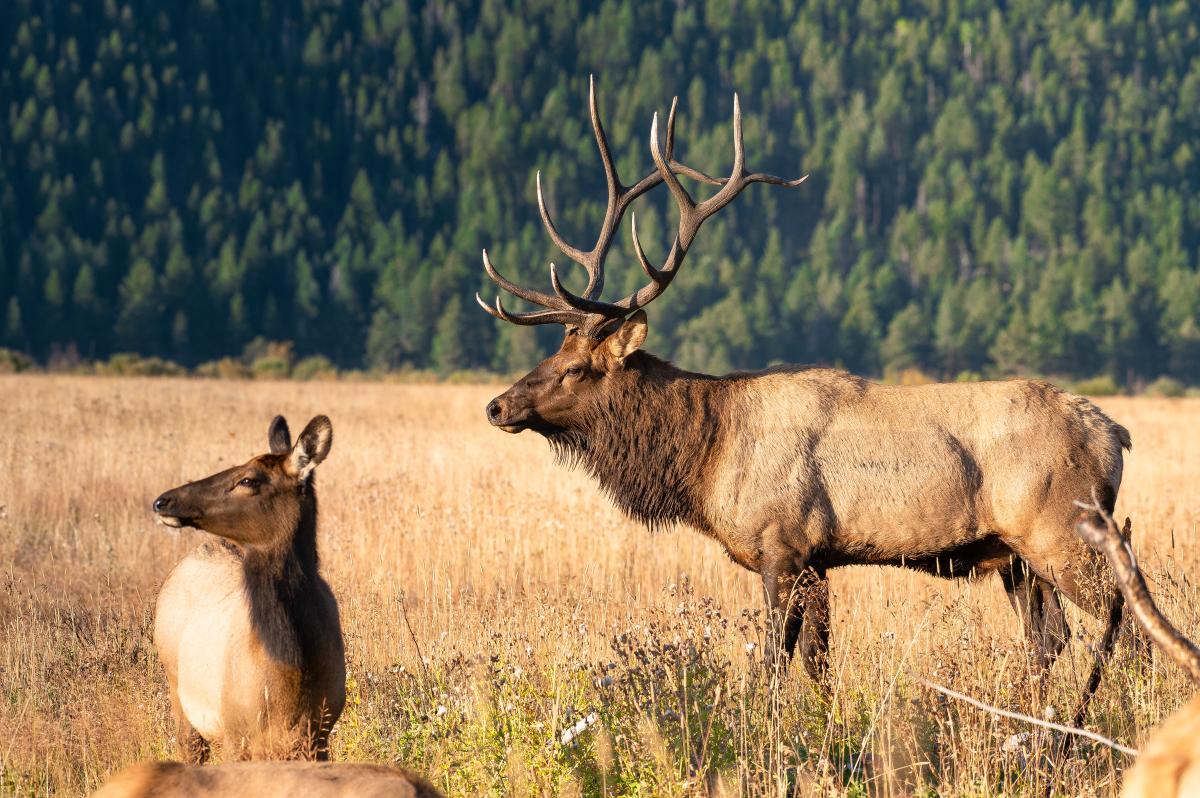
Elk antlers must be ready for the mating season (rut), which happens in late summer and early autumn. To compete for females, males need fully grown antlers—often reaching lengths of up to 4 feet (1.2 meters) with several sharp tines. The urgency of this timing explains why elk antler growth is so rapid.
Timeline: How Fast Do Elk Grow Antlers?
From the moment antler growth begins in spring, the process is a race against time. Here is what the typical timeline looks like:
| Stage | Timeframe | Key Events |
|---|---|---|
| Antler Shedding | Late Winter (Feb-Mar) | Old antlers fall off |
| Early Growth | March – May | New antler buds appear; rapid cell division |
| Main Growth | May – July | Fastest growth; antlers covered in velvet |
| Hardening | August | Velvet dries, antlers harden |
| Rut Season | September – October | Fully developed antlers used in mating battles |
In total, elk can grow a full set of antlers in just 110 to 150 days (about 4-5 months). That means an average of up to 2.5 centimeters (1 inch) of growth per day during peak periods.
Understanding The Growth Process
Elk antler growth is a mix of biology, hormones, and nutrition. Here’s how the process works from start to finish:
1. Shedding The Old Antlers
Usually between February and April, bull elk shed their old antlers. This is triggered by falling testosterone levels after the breeding season. Within days of shedding, new antler growth begins. The base of the antler, called the pedicle, starts to swell as new cells multiply rapidly.
2. Velvet Phase
As antlers grow, they are covered in a soft, fuzzy layer called velvet. This velvet is rich in blood vessels, nerves, and nutrients, feeding the fast-growing bone underneath. During this stage, antlers are very sensitive and can be easily damaged.
3. Rapid Growth
This is the most impressive stage. From May to July, antlers can grow at a rate of up to 2.5 cm (1 inch) per day. Growth is faster in younger bulls and those with good nutrition. The antlers branch and form tines (points), with the final shape determined by age, genetics, and health.
4. Hardening And Shedding Velvet
By late summer, growth slows as testosterone levels rise. The blood supply to the velvet dries up, and the elk rubs the velvet off on trees and bushes, revealing the hard, polished antlers beneath. The antlers are now solid bone and ready for the rigors of the rut.
5. Rut And Beyond
During the rut, males use their antlers to spar with rivals and attract females. After the breeding season, testosterone drops again, and the cycle repeats.
How Antler Growth Differs By Age
Not all elk grow antlers at the same speed or size. Age is a major factor.
| Age Group | Antler Growth Speed | Typical Antler Size |
|---|---|---|
| Yearling (1.5 years) | Moderate | Small spikes |
| Young Adult (2.5 – 4.5 years) | Faster | Branched, but not massive |
| Mature Bull (5 – 10 years) | Fastest | Large, fully branched antlers |
| Older Bull (10+ years) | Slower | May decline in size and mass |
Mature bulls grow the largest and fastest antlers. However, as elk age past their prime, antler size and speed of growth tend to decrease.
Factors That Affect Elk Antler Growth
Several conditions influence how quickly and how large antlers grow. Understanding these helps explain why some bulls have massive racks while others do not.
Genetics
Genetic makeup sets the maximum potential for antler growth. Some elk are simply born with better “antler genes.” Even with perfect nutrition, a bull with poor genetics will not develop huge antlers.
Nutrition
Antler growth is energy-intensive. Elk need high levels of protein, calcium, and phosphorus to build new bone tissue. Diets rich in grasses, forbs, and mineral-rich plants make a big difference. In poor years, antler growth slows and antlers may be smaller or oddly shaped.
Age And Health
Young, healthy bulls grow antlers quickly. Disease, injury, or parasites can slow or stop growth. Bulls in peak physical condition will always produce the best antlers.
Hormones
Testosterone controls the antler cycle. Low levels trigger shedding and new growth, while rising levels harden antlers before the rut. Any disruption in hormone balance—due to injury, disease, or environmental stress—can affect antler growth speed and quality.
Environmental Stress
Harsh winters, drought, and heavy competition for food can reduce antler growth. Bulls under stress may have thinner, weaker racks.
The Role Of Velvet In Rapid Growth
The velvet phase is not just a covering. It is vital for quick growth. Velvet contains a dense network of blood vessels that deliver nutrients directly to the growing antlers. If the velvet is damaged or infected, it can stunt growth or cause deformities.
During this time, elk are careful with their antlers. Bulls avoid fighting and are less aggressive, as any injury to velvet is painful and can cause bleeding.

Comparing Elk Antler Growth To Other Species
Elk are not the only animals with impressive antler growth, but they are among the fastest.
| Species | Antler Growth Rate | Max Antler Length |
|---|---|---|
| Elk | Up to 2.5 cm/day | 120 cm (4 ft) |
| Moose | Up to 2.5 cm/day | 180 cm (6 ft) |
| White-tailed Deer | Up to 2 cm/day | 90 cm (3 ft) |
| Caribou | Up to 1.5 cm/day | 100 cm (3.3 ft) |
Elk antler growth matches or even exceeds most deer species in terms of speed, especially considering the size and mass of their racks.
Non-obvious Insights About Elk Antler Growth
Most people focus on visible size, but there is more to antler growth than meets the eye.
- Antler growth uses recycled minerals. When elk shed their antlers, the body reabsorbs minerals from the bone at the pedicle, using them as “building blocks” for the next set. This efficient recycling means antler growth does not always depend on new minerals from food alone.
- Antlers can reflect overall ecosystem health. Scientists sometimes study antler size and abnormalities to judge the health of elk populations and their environment. Poor antler growth across a herd may signal nutritional or environmental problems, such as overgrazing or habitat loss.
Common Myths About Elk Antler Growth
Myth 1: Antlers Grow Bigger Every Year
It is true that antlers get larger as bulls mature, but growth slows and can even reverse as elk age past their prime. After 10 years, antler size usually declines.
Myth 2: All Antlers Grow At The Same Rate
Genetics, nutrition, and local conditions mean antler growth can vary widely, even between bulls in the same herd.
Myth 3: Velvet Is Just For Protection
Velvet is not just a soft covering—it is essential for delivering the nutrients and oxygen required for rapid bone growth.
How To Spot Healthy Antler Growth
If you want to see the difference between healthy and poor antler growth, look for these signs:
- Thick, symmetrical racks indicate good nutrition and genetics.
- Smooth velvet during summer shows active, healthy growth.
- Oddly shaped or thin antlers may signal poor diet, injury, or disease.
What Happens If Antler Growth Fails?
Sometimes, antler growth can stop or become deformed. This can happen due to:
- Injury to the pedicle
- Disease or parasites
- Extreme malnutrition
- Hormone imbalance
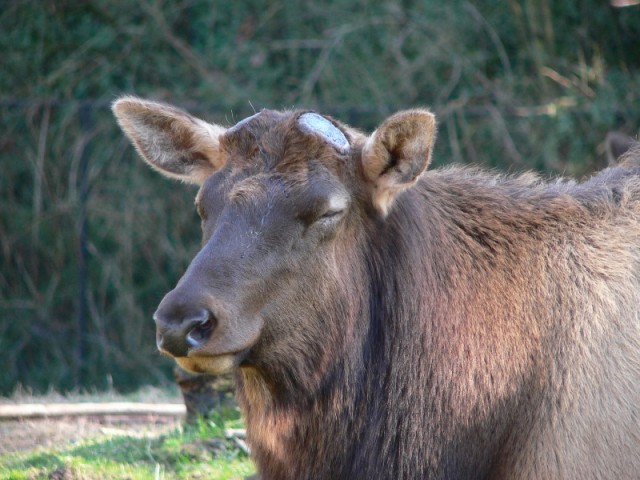
In rare cases, a bull may grow only one antler, or antlers that never harden. These elk are at a disadvantage during the rut and may struggle to compete.
Practical Tips For Observing Elk Antler Growth
If you want to watch elk antler growth in the wild, keep these tips in mind:
- Best viewing time: Late spring to midsummer, when velvet is thick and antlers are growing fast.
- Use binoculars: This allows you to see velvet detail without disturbing the animals.
- Stay downwind: Elk are sensitive to human scent, especially during velvet growth.
- Watch for rubbing: As velvet dries, elk rub their antlers on trees—a dramatic sight signaling the end of the growth phase.
If you want more scientific detail on the antler growth process, you can visit the Wikipedia Antler page for further reading.
Frequently Asked Questions
How Fast Do Elk Antlers Grow In A Day?
During peak growth (May–July), elk antlers can grow up to 2.5 centimeters (about 1 inch) per day. This makes elk among the fastest antler growers in the animal world.
At What Age Do Elk Grow Their Biggest Antlers?
Mature bulls between 5 and 10 years old typically grow the largest antlers. Younger and older bulls generally have smaller racks.
What Nutrients Are Most Important For Antler Growth?
Elk need high amounts of protein, calcium, and phosphorus for healthy antler growth. These nutrients come from a diet rich in grasses, forbs, and mineral-rich plants.
Does Injury Affect Antler Growth?
Yes, injuries to the pedicle or velvet can cause antlers to grow unevenly or stop growing altogether. Poor health, stress, or disease can also reduce antler size and growth speed.
Why Do Elk Shed Their Antlers Every Year?
Shedding and regrowing antlers each year is part of the elk’s natural cycle, controlled by changing testosterone levels. This allows bulls to grow new, larger antlers to compete for mates during each rutting season.
Each year, elk antler growth is a race against time, shaped by nature, genetics, and survival. This remarkable process is not just about size—it is a sign of health, competition, and the ongoing story of life in the wild.

