
How Fast Do Deer Grow Antlers?
Watching a buck’s antlers stretch higher each summer is one of nature’s quiet wonders. If you’ve ever wondered how fast deer grow antlers, you’re not alone. Hunters, wildlife lovers, and researchers all study this process because it reveals much about the health and behavior of deer.
Understanding antler growth is more than just a curiosity—it connects to nutrition, genetics, and the environment.
The Antler Growth Cycle
Antlers are not like horns. They are made of living bone and regrow every year. Most deer species, including white-tailed and mule deer, begin growing new antlers each spring after shedding the old set in late winter.
The full cycle includes:
- Shedding: Old antlers fall off, usually between January and March.
- Velvet Growth: New antlers begin to grow, covered in a soft layer called velvet.
- Hardening: By late summer, velvet dries and peels, revealing hard bone.
- Rut: Bucks use their antlers for sparring and attracting mates.
- Shedding Again: The cycle repeats each year.
How Fast Do Antlers Grow?
Antler growth is incredibly rapid compared to other bones. On average, antlers grow about 1/4 to 1 inch per day during peak summer months.
Example: White-tailed Deer
White-tailed deer are common across North America. Their antlers can grow up to 2.7 centimeters (about 1 inch) per day in June and July. In three months, a young, healthy buck can sprout antlers that reach 20–25 inches or more.
Mule Deer And Other Species
Mule deer also show impressive growth, but rate and final size can differ. For example, elk antlers grow even faster—sometimes over 1 inch per day—while smaller species like roe deer may grow antlers at a slower rate.
Here’s a simple comparison:
| Species | Peak Growth Rate (per day) | Antler Season Length |
|---|---|---|
| White-tailed Deer | 0.8–1 inch | 3–4 months |
| Mule Deer | 0.5–0.8 inch | 3–4 months |
| Elk | 1–1.2 inches | 4–5 months |
| Roe Deer | 0.2–0.4 inch | 2–3 months |
What Influences Antler Growth Speed?
Age Of The Deer
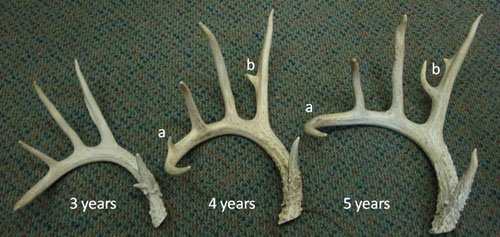
Young bucks (2–5 years old) usually grow the largest and fastest antlers. Fawns and older bucks grow smaller, slower antlers.
Nutrition
Antler growth requires a lot of protein, calcium, and phosphorus. Bucks with access to rich forage—grasses, leaves, and grains—grow antlers faster and larger. In poor environments, growth slows, and antlers may remain small or odd-shaped.
Genetics
Some bucks are just born with better antler-growing genes. Even with perfect food and habitat, a buck with poor genetics won’t grow large antlers.
Health And Injury
If a buck is sick or injured, antler growth slows down. Severe injuries can even cause antlers to grow abnormally.
Day Length And Hormones
Antler growth is tied to testosterone levels, which rise and fall with the seasons. As days get longer in spring, hormone changes trigger new growth. When testosterone peaks in late summer, antlers stop growing and harden.
Stages Of Antler Growth
Let’s break down the main phases:
Velvet Stage
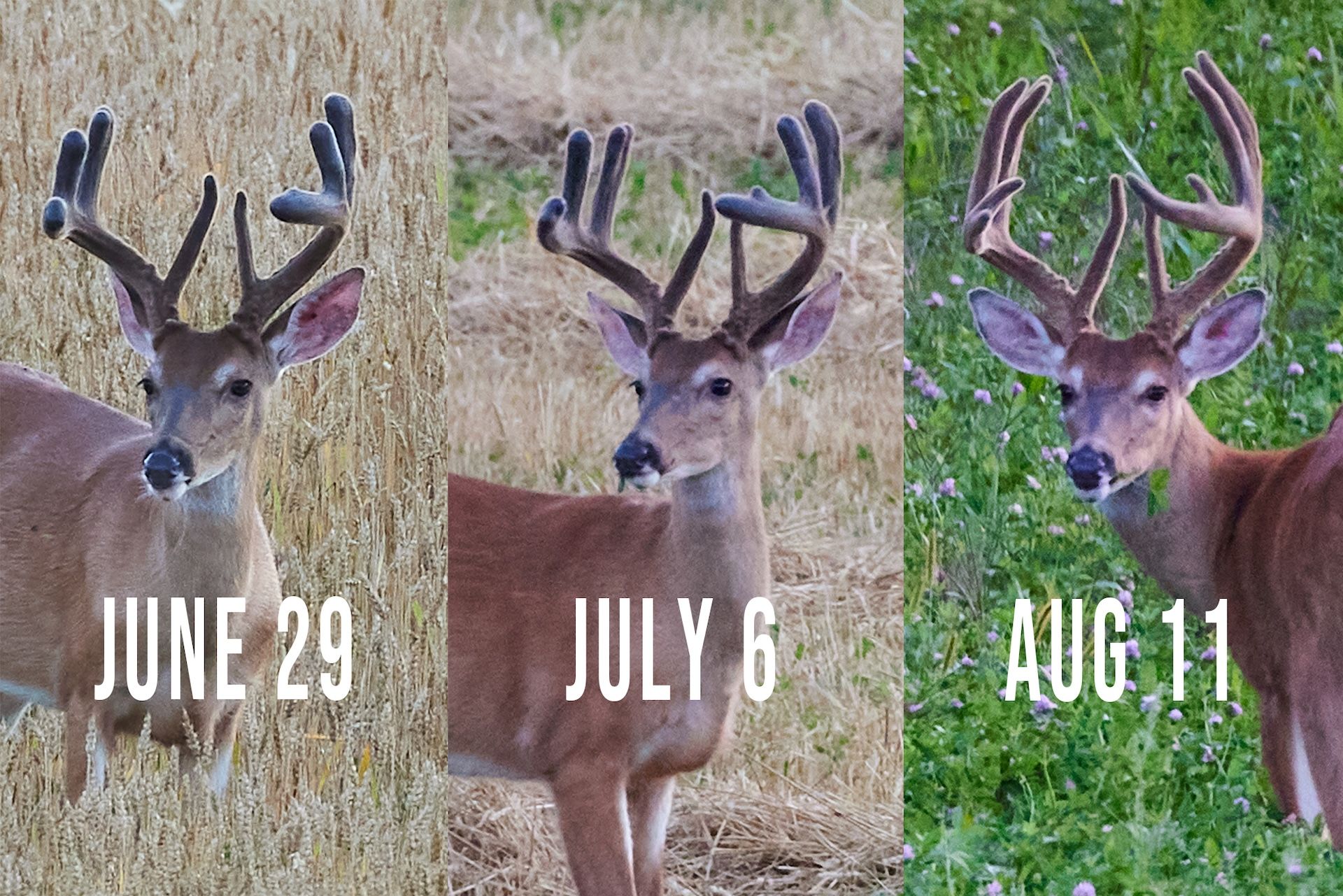
Antlers start as soft, spongy tissue covered with velvet—a fuzzy skin rich in blood vessels. This stage lasts from early spring to late summer. Growth is fastest during this period.
Mineralization
By late July or August, antlers stop growing. The velvet dries up and bucks rub it off on trees. Now the antlers are hard, dead bone.
Shedding
After the breeding season (rut), testosterone drops. Blood supply to the antlers stops, and they fall off—ready to begin again.
Here’s an annual timeline:
| Month | Antler Stage |
|---|---|
| January–March | Shedding |
| April–August | Velvet Growth |
| August–September | Mineralization & Velvet Shedding |
| October–December | Rut (Hardened Antlers) |
Surprising Facts About Antler Growth
- Antlers are the fastest-growing bone in mammals. In some cases, they outpace bone growth in humans and other animals by 60 times or more.
- Antler size does not always mean age. Some young bucks can have large racks if nutrition and genetics are ideal, while older bucks in poor health may have small antlers.
- Injuries can cause odd antlers. If a buck injures a leg, it may grow a twisted antler on the opposite side. This is called “non-typical” growth.
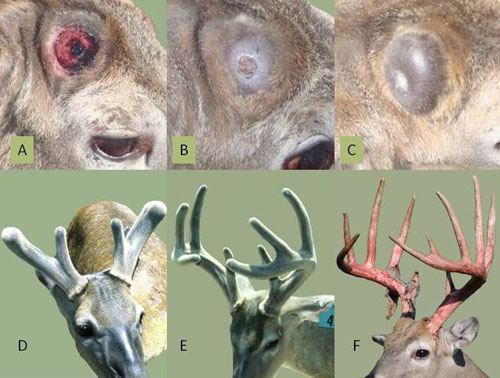
- Velvet is sensitive. If damaged, antler growth can stop or develop abnormally.
Common Misunderstandings
Many people think that all deer grow bigger antlers each year. In reality, a buck’s largest antlers usually grow when he’s in his physical prime—around 4 to 7 years old. After that, size may decline as the animal ages.
Another common mistake: believing antler size alone reveals age. In truth, body size, tooth wear, and physical condition are more reliable.
How Can You Tell A Buck’s Antler Growth Rate?
You can estimate growth by checking antler size each month or by using trail cameras. For example, if you see a buck with 5-inch antlers in early June, and they double by July, you know he’s growing about 1 inch per week.
Still, growth rates can change with weather, food, and stress.
Wildlife biologists sometimes tag bucks and measure antlers during different stages to collect accurate data.
Why Does Antler Growth Matter?
Healthy antler growth means a healthy deer population. Hunters and wildlife managers use antler size to judge herd health. Abnormal growth can signal poor nutrition or disease in the area.
For scientists, deer antlers are also a model for studying bone regeneration—which could help people recover from injuries or bone loss.
If you want to dive deeper, the Wikipedia Antler page offers more scientific information.
Frequently Asked Questions
How Long Does It Take For A Deer To Grow Full Antlers?
It usually takes about 3 to 4 months for a deer to grow a full set of antlers. Growth starts in spring and finishes by late summer.
Does Antler Growth Hurt The Deer?
No, growing antlers does not hurt. However, the velvet stage is sensitive. If the velvet is damaged, it can bleed and cause discomfort.
Do All Male Deer Grow Antlers At The Same Speed?
No. Growth speed depends on species, age, genetics, and nutrition. Even deer in the same area may grow antlers at different rates.
Why Do Some Bucks Have Odd Or Misshapen Antlers?
Injuries, genetics, or poor nutrition can cause non-typical antler growth. Sometimes, damage to one side of the body causes changes on the opposite antler.
Can Female Deer Grow Antlers?
Usually, female deer (does) do not grow antlers. Rarely, some female deer with hormone imbalances may develop small, velvet-covered antlers.
Watching antlers grow is a reminder of nature’s speed and power. Whether you spot deer in the wild or study them up close, knowing how fast and why they grow can help you appreciate the life cycles happening all around us.

