How Fast Can Deer Run?
When you see a deer in the wild, it often looks calm and gentle. But if startled, it can disappear into the forest in seconds. Many people wonder, how fast can deer run? The answer is more impressive than you might think. Deer are built for speed and agility. Their fast running helps them escape predators and survive in the wild. But not all deer run at the same speed. Different types of deer have different abilities. Understanding how fast deer run can be interesting for hikers, hunters, and nature lovers.
Why Deer Need To Run Fast
Deer live in places where danger is always close. Wolves, coyotes, mountain lions, and even humans hunt them. To survive, deer must react quickly and run faster than their enemies. Their long legs, powerful muscles, and lightweight bodies are made for speed. Deer also use fast running to escape cars on the road and avoid other sudden threats.
Young deer, called fawns, rely on speed as they grow. At first, they hide and stay still. But after a few weeks, they start running with the adults. Speed becomes their main defense.
Top Speeds Of Different Deer Species
Not all deer are equal when it comes to speed. Some are faster than others. Here is a look at the running speeds of common deer species:
| Deer Species | Top Speed (km/h) | Top Speed (mph) |
|---|---|---|
| White-tailed Deer | 56–64 | 35–40 |
| Mule Deer | 56–72 | 35–45 |
| Red Deer | 65 | 40 |
| Roe Deer | 60 | 37 |
| Elk (Wapiti) | 72 | 45 |
Mule deer and elk are among the fastest, sometimes reaching up to 72 km/h (45 mph). White-tailed deer are also quick, with most adults running between 56 and 64 km/h (35–40 mph). These speeds make deer some of the fastest large animals in their habitat.
How Deer Run: Sprinting Vs. Endurance
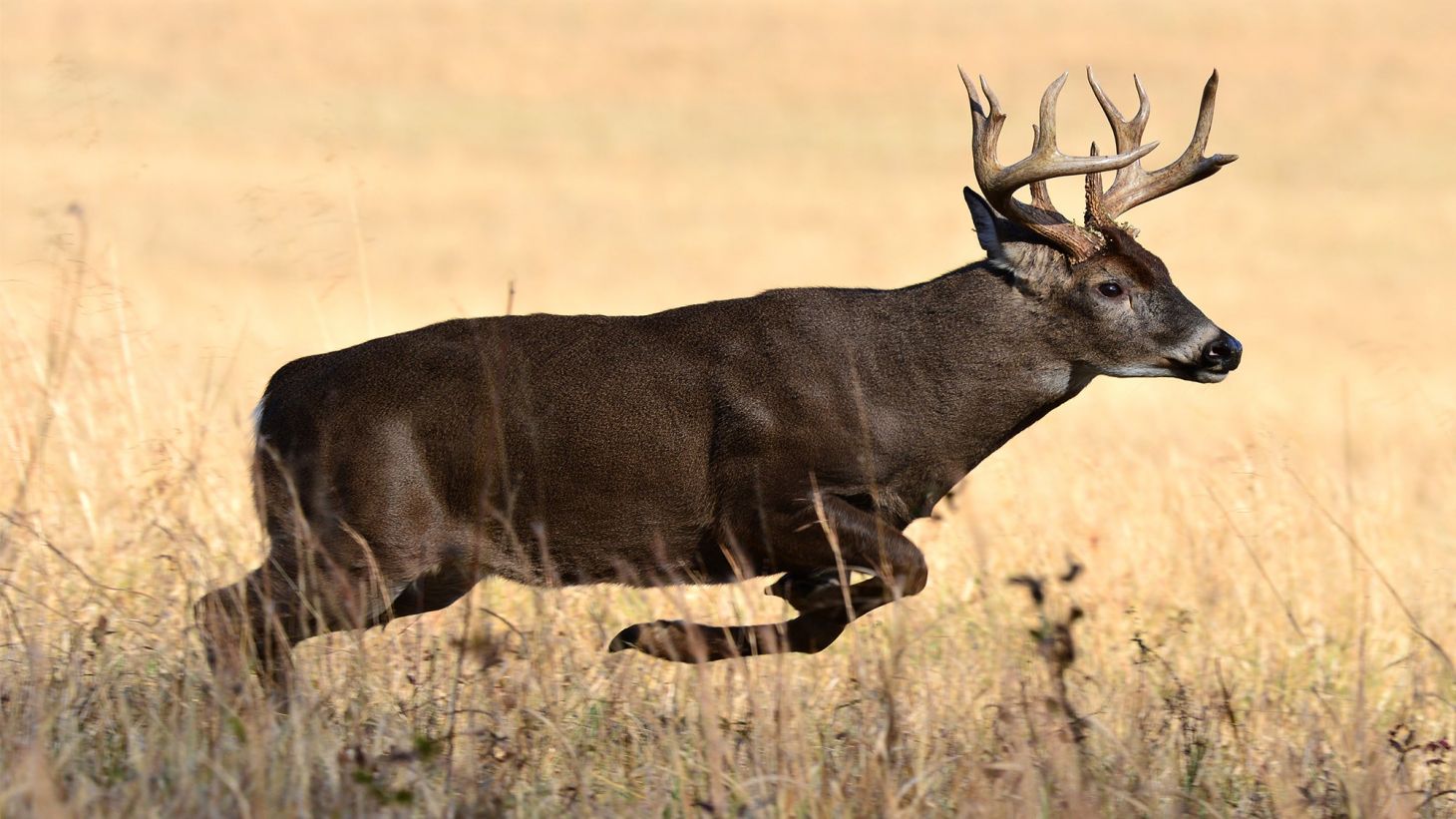
Deer are not just about speed. They are also skilled at changing direction and jumping. Most deer can leap over obstacles more than 2 meters (6 feet) high. But can deer run far at top speed? Not really.
Deer can only keep their fastest speed for a short time—usually less than a minute. Their muscles get tired quickly when they sprint. After that, they slow down to a lower speed but can keep running for longer distances.
Here is a comparison of sprint speed and endurance speed for white-tailed deer:
| Type of Run | Speed (km/h) | Duration |
|---|---|---|
| Sprint | 56–64 | 30–60 seconds |
| Steady Run | 25–40 | Several minutes |
This means deer use their top speed to escape a close threat, then keep running at a slower pace to get away safely.
Factors That Affect A Deer’s Running Speed
Deer do not always run at the same speed. Many things can change how fast they move:
- Age and Health: Young, healthy adults are usually the fastest. Fawns and older deer are slower.
- Terrain: Running is easier on flat, open land. Thick brush, mud, or snow can slow deer down.
- Weather: Rain, ice, or extreme heat can make running harder.
- Predators: If the threat is close, deer run faster. Sometimes, they may save energy if the danger is far.
- Sex: Male deer (bucks) can be heavier, which may slow them a little, but they still run fast during mating season to chase rivals or escape danger.
Most beginners miss that deer do not always run at their top speed, even if they look fast. Often, they save their energy and use bursts of speed only when truly needed.
How Deer Running Compares To Other Animals
To understand how fast deer are, it helps to compare them with other animals:
| Animal | Top Speed (km/h) | Top Speed (mph) |
|---|---|---|
| Deer | 56–72 | 35–45 |
| Cheetah | 100–120 | 62–75 |
| Horse | 88 | 55 |
| Wolf | 55–64 | 34–40 |
| Human | 43 | 27 |
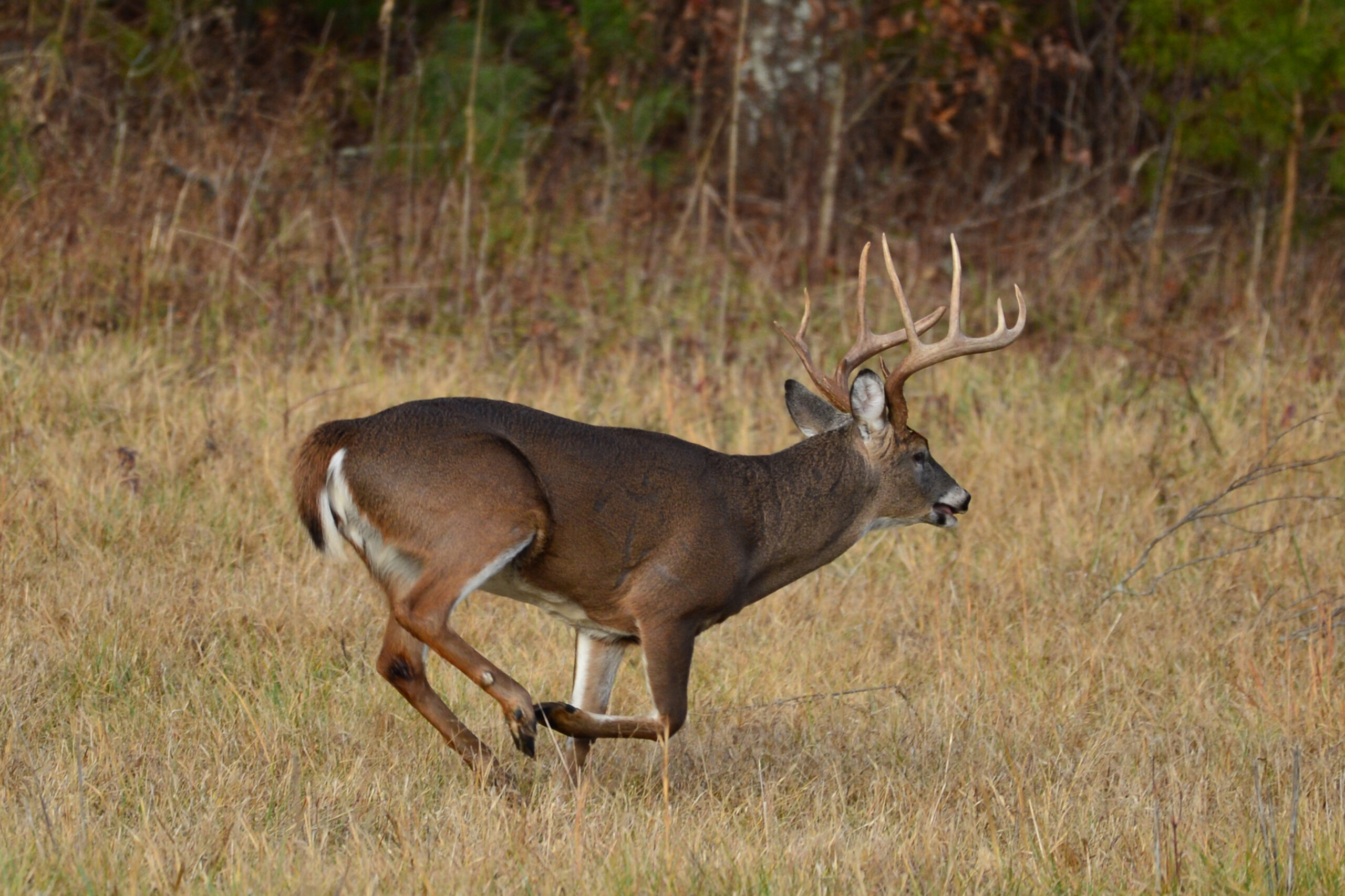
Deer are faster than wolves and humans but cannot match the speed of a cheetah or a racehorse. Still, their speed is enough to escape most natural predators.
Non-obvious Insights About Deer Speed
Many people think deer always run at their fastest when scared. But in reality, deer use different speeds for different situations. They often start with a quick jump and zigzag to confuse predators. This sudden change in direction is just as important as their speed.
Another point most people miss: deer are not just built for short sprints. They have strong legs for jumping and can leap over high fences or fallen trees. This helps them escape in places where running straight is impossible.

Safety And Deer Speed: What Drivers Should Know
Deer running speed is important for people who drive in areas where deer live. Deer can appear suddenly on roads, especially at dawn or dusk. Because they can run so fast, they may cross in front of a car before the driver can react.
Here are some tips for drivers:
- Slow down in areas with deer warning signs.
- Use high beams at night when possible.
- Watch for more deer after seeing one; they often travel in groups.
- Do not try to swerve suddenly—this can cause accidents.
Understanding deer speed can help drivers stay alert and avoid dangerous situations.
How To Spot A Running Deer
If you want to see deer running in the wild, look for them in the early morning or just before sunset. Deer are more active at these times. If you see a deer lift its tail and freeze, it may run soon.
When deer run, their tails stick up as a warning to others.
Remember, never chase wild deer. It can stress them and may be dangerous for you.
Frequently Asked Questions
How Fast Can A White-tailed Deer Run?
A white-tailed deer can reach speeds of 56–64 km/h (35–40 mph). They use this speed to escape from predators and dangerous situations.
How Far Can Deer Run At Top Speed?
Deer can only keep their top speed for about 30–60 seconds. After that, they slow down but can keep running at a lower speed for several minutes.
Do All Deer Run At The Same Speed?
No, different deer species run at different speeds. Mule deer and elk can run faster than roe deer or white-tailed deer. Age, health, and terrain also change how fast a deer can run.
Can Deer Outrun A Car?
Most cars can go much faster than deer. But on short, winding roads, a deer’s speed and quick turns can sometimes surprise drivers. This is why accidents happen, especially at night or in forests.
Where Can I Learn More About Deer And Their Running Abilities?
You can find more information about deer on the Wikipedia Deer Page, which covers different species, behaviors, and interesting facts.
Deer are truly impressive animals when it comes to speed and agility. Understanding how fast deer can run not only helps us respect these creatures but also keeps us safe on the roads and while hiking. Next time you see a deer, remember the hidden power in those quiet steps.

