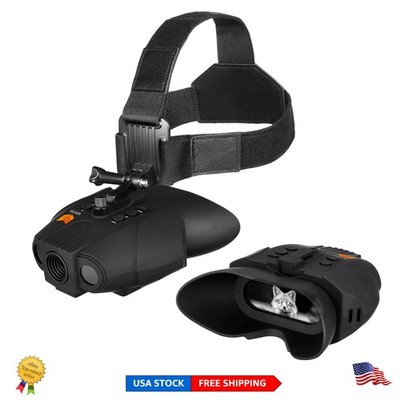
Night vision goggles are one of the most fascinating inventions in modern technology. They allow people to see in near total darkness, turning night into a visible world of green or black and white images. Many people, from military professionals to wildlife watchers, rely on these devices. But a common question that comes up is: How durable are night vision goggles? If you invest in such equipment, you want to know how long it will last, what it can survive, and how to take care of it. This guide will walk you through everything you need to know about the durability of night vision goggles, what affects their lifespan, and how to make sure yours last as long as possible.
What Makes Night Vision Goggles Durable?
Several key factors decide the durability of night vision goggles. It’s not just about the materials, but also the design, the technology inside, and how the device is used in the real world.
1. Housing Material:
Most night vision goggles are made with strong plastics or metal alloys. Military models often use aircraft-grade aluminum or reinforced polycarbonate. These materials are chosen to resist impacts, drops, and rough handling.
2. Optical Components:
The lenses and image intensifier tubes inside are sensitive. Good goggles use coated glass that resists scratches and fogging. Cheaper models might use plastic lenses, which scratch more easily.
3. Internal Electronics:
The heart of any night vision device is its electronics. These need to be protected from moisture, dust, and shocks. Well-sealed units with good waterproofing last much longer.
4. Environmental Protection:
Look for an IP rating (Ingress Protection). This tells you how well the goggles keep out water and dust. For example, IP67 means they can survive being dropped in water for a short time.
5. Design for Use:
Military and law enforcement goggles are built to survive tough conditions: drops, vibration, sand, rain, and even explosions. Civilian models might not be as tough, but some still handle rough use well.
Non-obvious Insight: Not All “military-style” Goggles Are Military-grade
Some brands use the term military-style just for marketing. True military-grade goggles must pass strict tests for shock, vibration, and weather resistance. Always check the specs, not just the marketing words.
Typical Lifespan Of Night Vision Goggles
How long do night vision goggles last? The answer depends on the generation (Gen 1, Gen 2, Gen 3, or digital), how often they are used, and how well they are cared for.
| Generation | Expected Lifespan (hours) | Best Use Case |
|---|---|---|
| Gen 1 | 1,000 – 1,500 | Recreational, casual observation |
| Gen 2 | 2,500 – 5,000 | Hunting, security, wildlife |
| Gen 3 | 7,500 – 10,000+ | Military, law enforcement |
| Digital | Varies; often 10,000+ | Mixed use, daytime compatibility |
Important:
The main part that wears out is the image intensifier tube. Gen 1 tubes usually last the least, while Gen 3 tubes, if well cared for, can last many years even with regular use.
What Causes Night Vision Goggles To Fail?
Understanding the main reasons why night vision goggles break helps you avoid costly mistakes.
1. Exposure To Bright Light:
Never turn on night vision goggles in daylight or point them at bright lights. This can burn out the image intensifier tube quickly, especially for Gen 1 and Gen 2 models.
2. Moisture And Water Damage:
Unless your goggles are waterproof, high humidity or submersion can ruin the electronics. Always check the IP rating.
3. Physical Shock:
Dropping the device or knocking it against hard surfaces can crack the housing, misalign optics, or break the image tube.
4. Battery Leaks:
Leaving batteries inside for long periods can lead to leaks, which corrode the electronics.
5. Improper Cleaning:
Using rough cloths or harsh chemicals can scratch lenses or damage coatings.
6. Temperature Extremes:
Extreme cold or heat can cause parts to contract or expand, damaging internal seals or electronics.
Non-obvious Insight: Standby Burn-in
Leaving night vision goggles on for long periods without actually using them (for example, left on a table in a lit room) can cause burn-in on the tube, reducing image quality permanently.
Military Vs. Civilian Night Vision: Which Lasts Longer?
It’s easy to think that all night vision goggles are the same. In reality, there are big differences between military and civilian models.
| Feature | Military | Civilian |
|---|---|---|
| Housing Material | Reinforced metal/polymer | Plastic or light alloy |
| Shock Resistance | High (can survive drops, impacts) | Medium (may crack or fail if dropped) |
| Weather Sealing | Excellent (often waterproof) | Varies (some are only splash-proof) |
| Tube Quality | Top-tier, long-life | Standard or entry-level |
| Price | High | Lower |
Military goggles often last longer because they are built for extreme conditions. However, some high-end civilian models can match or even surpass basic military versions, especially if they use advanced digital technology.

How To Maximize The Lifespan Of Night Vision Goggles
If you want your goggles to last for years, follow these practical tips:
1. Store Properly:
Keep goggles in a dry, cool place. Use the case provided to avoid dust and moisture.
2. Remove Batteries:
Take out the batteries if you won’t use the device for a while. This prevents leaks and corrosion.
3. Clean Carefully:
Use a soft lens cloth and avoid touching the lenses with fingers. Never use glass cleaner; stick to products made for optics.
4. Avoid Bright Lights:
Never turn on the goggles in daylight or point them at car headlights, flashlights, or lasers.
5. Check Seals And O-rings:
If your model is waterproof, check seals regularly for cracks or dirt that could let in water.
6. Regular Maintenance:
For high-end models, have them checked and serviced every few years. This can catch problems before they become serious.
7. Use Lens Covers:
When not in use, keep lens covers on. This protects against scratches and accidental exposure to light.
8. Handle With Care:
Always use the straps provided, and avoid dropping or banging the device.
Example: Real-world Lifespan
A pair of AN/PVS-14 Gen 3 military goggles, if used and stored correctly, can last over 10,000 hours. Some military units report using them for over a decade with only minor repairs needed.
Environmental Durability: How Tough Are They, Really?
Night vision goggles are often used in harsh environments—deserts, jungles, snowy mountains, or even underwater. How do they hold up?
Water And Dust Resistance
Most quality goggles come with an IP rating. For example, an IP67 rating means full dust protection and can survive 30 minutes in 1 meter of water. Not all goggles have this rating, so always check before using them in wet or dusty places.
Impact Resistance
Military goggles are tested to survive falls from 1–2 meters onto hard surfaces. Civilian models may only survive smaller drops. If you plan to use your goggles in rough conditions, invest in a model with proven drop resistance.
Temperature Range
Night vision goggles often work in temperatures from -40°C to +50°C (-40°F to 122°F). However, extreme cold can drain batteries faster, and extreme heat can damage plastic parts. Always check the manual for your specific model.
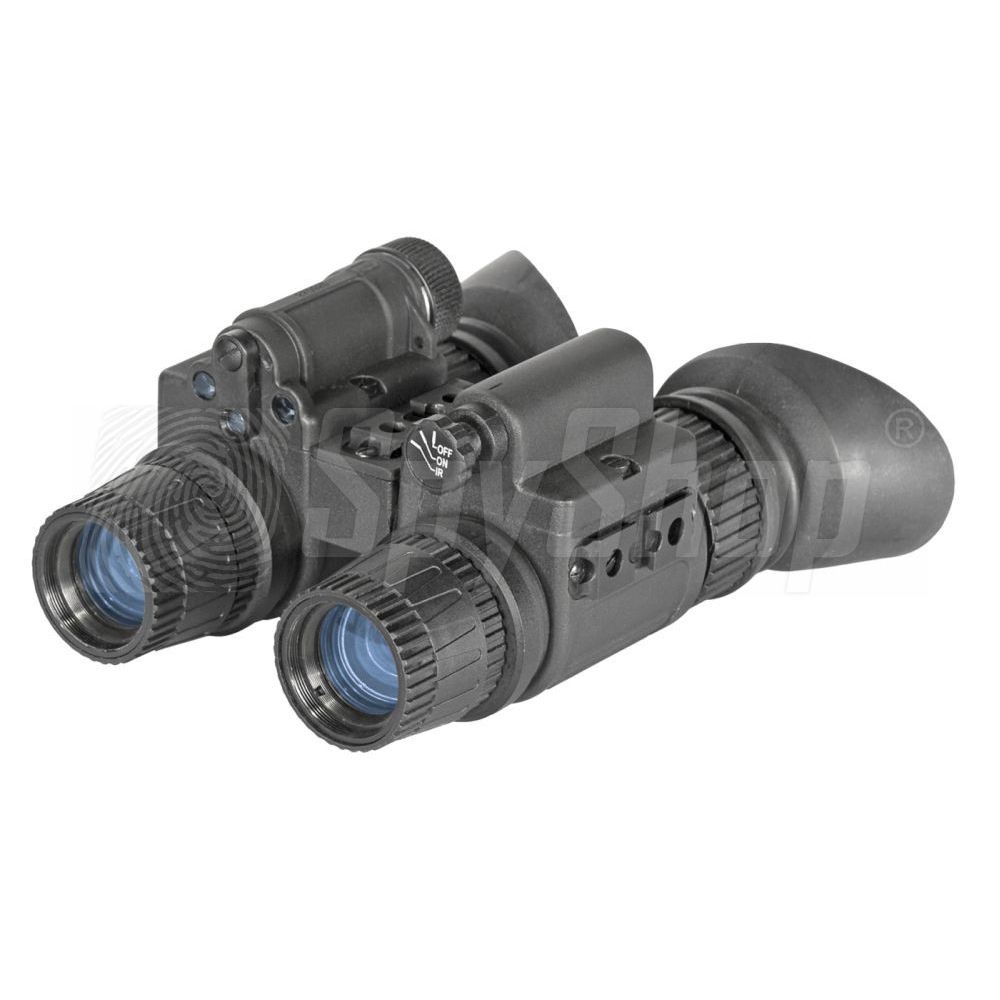
Are Digital Night Vision Goggles More Durable?
Digital night vision goggles are becoming more popular. They use sensors and screens instead of image intensifier tubes. Here’s how they compare:
- Shock Resistance: Digital units often have fewer delicate parts, making them more shock-resistant.
- Waterproofing: Many digital models have better sealing because they don’t need as much airflow.
- Lifespan: Digital sensors can last tens of thousands of hours, often longer than Gen 1 or Gen 2 tubes.
- Light Tolerance: Digital units can often be used in daylight without damage, unlike tube-based goggles.
However, digital units may not perform as well in very low light as Gen 3 analog devices, and their batteries can drain faster.
Common Myths About Night Vision Durability
Let’s clear up some common misunderstandings:
- “All night vision goggles are waterproof.”
False. Only some models are. Always check the rating.
- “You can use any battery type.”
No. Using the wrong type or voltage can damage electronics.
- “You can repair them at home.”
Not recommended. Internal parts are sensitive and require expert handling.
- “Once the tube fails, it’s useless.”
Not always. Some models allow tube replacement, though it can be expensive.
How To Choose A Durable Night Vision Goggle
When buying, look for these features to ensure durability:
- IP rating (IP65, IP66, IP67)
- Reinforced housing
- Shock and impact resistance
- High-quality optics
- Good warranty
Avoid models that look tough but have no clear specs on durability. When in doubt, check reviews or look for military surplus models, which are often built to last.
For more technical details on night vision technology and durability standards, you can visit the Wikipedia page on night vision devices.
Frequently Asked Questions
How Do I Know If My Night Vision Goggles Are Waterproof?
Check the IP rating marked on the device or in the manual. Ratings like IP67 mean your goggles are fully protected against dust and can survive short periods underwater. If there is no rating, assume the goggles are not waterproof.
Can Night Vision Goggles Survive Being Dropped?
It depends on the model. Military-grade goggles are designed to survive drops from 1–2 meters. Civilian models might only survive small falls. Always use straps or mounts to prevent accidental drops.
Do Digital Night Vision Goggles Last Longer Than Traditional Ones?
Digital goggles often have a longer lifespan because they do not rely on image intensifier tubes, which wear out over time. They are also more resistant to bright light, but battery life can be shorter.
What Should I Do If My Goggles Get Wet?
If your goggles are waterproof, dry them off and check for leaks. If not, remove the batteries and let the device dry completely before using it again. If water gets inside, have them checked by a professional.
How Can I Tell If My Image Tube Is Failing?
Look for signs like dim images, black spots, or flickering. If you notice these, the tube may be wearing out. For expensive models, professional repair or replacement is possible.
Night vision goggles are a big investment, and their durability is a top concern for anyone who needs to rely on them. Understanding what makes them tough, how to care for them, and what to avoid can help your device last many years.
Whether you’re a professional or just enjoy exploring the night, choosing the right pair and taking care of them will reward you with clear vision in the darkest places.