
Storing a borescope properly is not just about keeping it clean. It’s about protecting a sensitive tool that often costs hundreds or even thousands of dollars and helps you see inside engines, pipes, walls, or machines. When you store your borescope the right way, you make it last longer, keep images clear, and avoid expensive repairs.
Many users, especially beginners, focus on using the borescope but don’t realize that small mistakes in storage can lead to blurry lenses, broken cables, or even total failure. Let’s explore everything you need to know to store a borescope like a professional.
Why Proper Borescope Storage Matters
A borescope is a precision tool. Its camera head, cable, and light source are easily damaged by dust, moisture, heat, or pressure. If you store it carelessly, the optical parts can get scratched, the cable can bend or break, and the electronics can fail. This leads to bad images or a tool that doesn’t work at all.
On top of that, many manufacturers will not honor the warranty if they see your borescope was not stored correctly. A survey by a leading borescope brand found that over 30% of returns were due to improper storage, not manufacturing defects. Good storage is an investment in your tool.
Choosing The Right Storage Location
The first thing to consider is where you will keep your borescope when not in use.
- Dry environment: Moisture is the enemy. Store the borescope in a place with low humidity to prevent corrosion.
- Stable temperature: Avoid places that get hot or cold, such as car trunks or uninsulated sheds. Extreme temperatures can damage electronics and batteries.
- Safe from dust: Dust can scratch lenses and jam moving parts. A closed cabinet or drawer is better than leaving it out in the open.
- Away from chemicals: Do not store near solvents, oils, or cleaning agents. Fumes can damage plastic and rubber parts.
Pro tip: If you work in a humid area, consider using a dehumidifier or silica gel packs in your storage space.
Cleaning Before Storage
Never store a dirty borescope. Residue from inspections can harden, attract dust, or even cause corrosion.
Cleaning Steps
- Turn off and unplug: Always power down and disconnect from power sources.
- Remove debris: Gently wipe the camera head and insertion tube with a soft, lint-free cloth.
- Use appropriate cleaners: For grease or oil, use isopropyl alcohol (never acetone). For dust, compressed air works well. Avoid strong solvents.
- Check for moisture: Make sure the entire borescope is dry before storage.
- Clean display units: If your borescope has a screen or controls, wipe with a soft cloth—no harsh chemicals.
Non-obvious insight: Even a small amount of dried oil or dirt can reduce image clarity. Regular cleaning keeps the lens and sensor performing well.
How To Coil And Store The Borescope Cable
Improperly coiling the cable is a common beginner mistake and can lead to kinks or internal wire breaks.
The Best Way To Coil
- Use loose, natural loops: Let the cable fall into its natural shape. Forced tight coils can damage the inner wires.
- Avoid sharp bends: Never fold the cable sharply or wrap it too tightly.
- Secure with a soft tie: Use a fabric or Velcro strap instead of rubber bands or twist ties, which can pinch the cable.
Example Storage Comparison
Here’s a comparison of proper and improper cable storage:
| Storage Method | Risk Level | Common Problems |
|---|---|---|
| Loose, natural coil with soft tie | Low | Minimal cable stress |
| Tight, forced coil or sharp folds | High | Cable breakage, signal loss |
| Thrown into toolbox | Very High | Kinks, crushed camera head |
Using A Protective Case
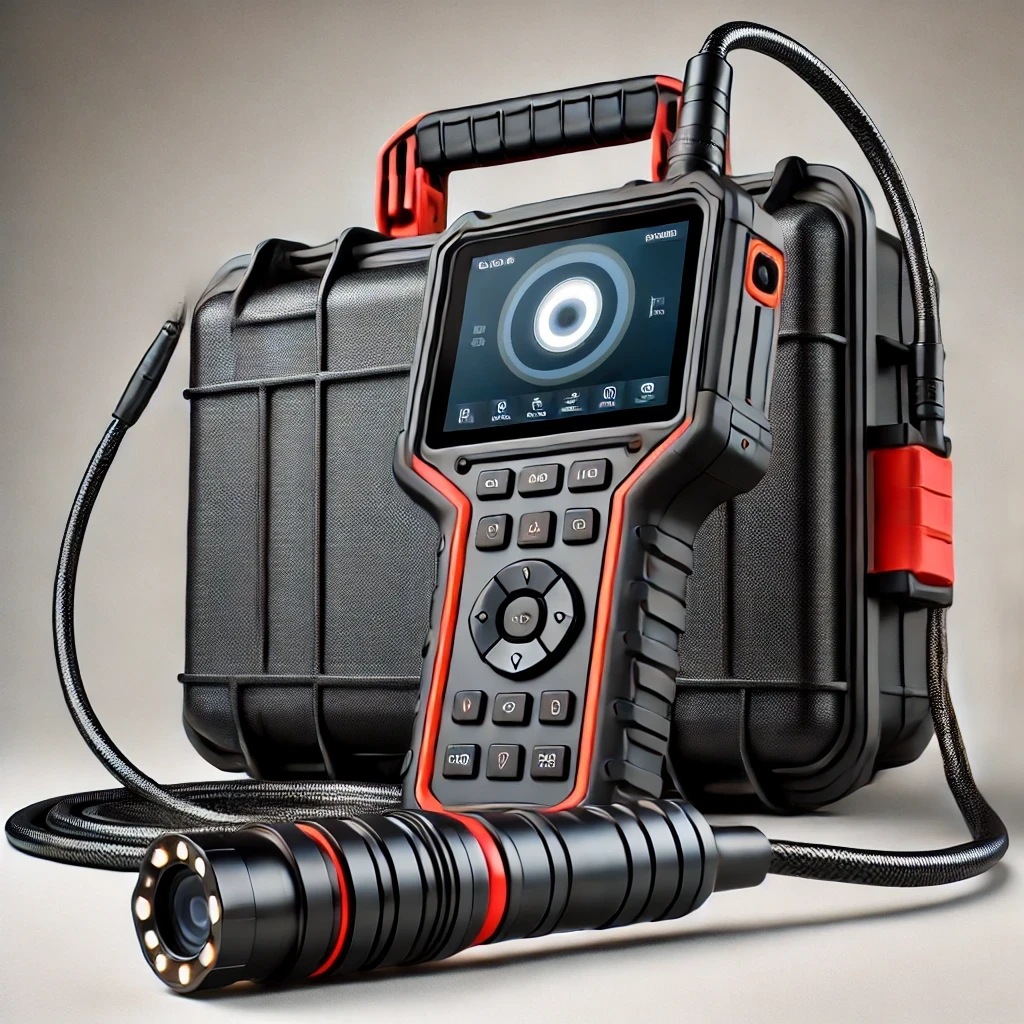
Most high-quality borescopes come with a hard case or a padded bag. If yours did not, it’s smart to get one.
- Protection from impacts: A hard shell case absorbs drops or bumps.
- Organized storage: Keeps the borescope, attachments, and batteries together.
- Dust and water resistance: Many cases have seals that block dust and light moisture.
What To Look For In A Case
- Custom foam inserts: Hold the camera head and cable securely.
- Space for accessories: Room for adapters, chargers, or extra cables.
- Weather sealing: Gaskets or seals for extra protection if you travel or work outdoors.
Non-obvious insight: A generic camera or electronics case can work, but make sure the internal foam fits your borescope—loose tools inside a case can still get damaged.
Managing Batteries And Power
If your borescope uses batteries (internal or removable), battery care is critical for long life.
- Remove batteries: For long-term storage, take batteries out to prevent leaks.
- Store at half charge: For lithium batteries, a 40–60% charge is ideal if you won’t use the tool for weeks.
- Avoid metal contact: Never let batteries touch metal objects that can short them out.
- Check expiry dates: Old batteries can leak and destroy electronics.
Battery Storage Table
| Battery Type | Best Storage Practice | Common Mistake |
|---|---|---|
| Removable AA/AAA | Remove from device, store in container | Leaving in device, risk of leakage |
| Rechargeable Lithium | Store at 40–60% charge, avoid full discharge | Storing fully charged or empty |
| Built-in battery | Turn off device, recharge every 3–6 months | Leaving unused for many months |
Handling Storage For Different Borescope Types
Not all borescopes are the same. There are rigid, flexible, video, and fiber optic types. Each needs special care.
Rigid Borescopes
- Store flat: Avoid putting weight on the shaft, which can bend it.
- Protect lens: Use a lens cap if available.
Flexible Borescopes (fiber Or Video)
- Avoid sharp bends: Like with cables, never coil tightly.
- Protect insertion tube: Use foam or soft lining in your case.
Wireless Or Wifi Borescopes
- Remove batteries or charge regularly.
- Keep WiFi modules dry: Water can damage wireless parts.
Pro tip: For expensive models, ask the manufacturer about recommended storage practices—they may have unique tips.
Labeling And Inventory
If you have more than one borescope or share tools with others, clear labeling prevents mix-ups and loss.
- Label the case: Add your name or tool number.
- Keep a checklist: Track accessories, batteries, and cables so nothing gets lost.
- Record serial numbers: If your borescope is stolen, this helps with recovery or warranty.
Environmental Risks And How To Avoid Them
Moisture
- Use silica gel packs in the case or cabinet.
- Avoid basements or damp garages.
Dust And Dirt
- Store in a sealed case or bag.
- Clean work area before opening the case.
Temperature Extremes
- Never leave in a hot car or freezing truck.
- Quick temperature changes can cause condensation inside the borescope.
Chemicals And Fumes
- Keep away from strong solvents, fuels, or cleaning products.
- Some plastics and seals are sensitive to chemical fumes.
Routine Maintenance During Storage
Even when not in use, a borescope needs attention every few months.
- Inspect for damage: Check cables, connectors, and lenses for wear.
- Recharge batteries: Recharge or cycle batteries every few months to keep them healthy.
- Test operation: Power up and make sure the borescope works before you need it for a critical job.
Non-obvious insight: If you store your borescope for more than six months, the lubricants in some moving parts (like articulation controls) can dry out. Lightly cycle the controls occasionally to keep them smooth.

Storing Accessories And Attachments
Borescopes often have extra tools: mirrors, magnets, or hooks. These can be lost or damaged if not stored well.
- Use small pouches or containers: Store small parts in labeled bags inside the main case.
- Keep manuals and warranty info: Store paperwork in a plastic sleeve in the case.
Example: Borescope Storage Workflow
A simple workflow helps you remember every step, especially after a busy inspection day.
- Clean the borescope: Wipe down camera, cable, and display.
- Inspect for damage: Look for cracks, kinks, or loose parts.
- Coil cable naturally: Use soft ties, avoid sharp bends.
- Remove batteries if needed: Especially for long-term storage.
- Place in protective case: Add silica gel if in humid area.
- Store in dry, safe location: Away from heat, cold, and chemicals.
Myths And Mistakes About Borescope Storage
Myth: Any Case Will Do
Fact: A case without foam or padding can actually cause damage if the borescope moves around.
Myth: Tight Coiling Saves Space
Fact: Tight coils can permanently damage the cable or fiber optics.
Mistake: Leaving Batteries Inside
Fact: Even high-quality batteries can leak and destroy electronics.
Mistake: Cleaning With Strong Chemicals
Fact: Solvents like acetone can cloud lenses and weaken plastic parts.
When To Replace Your Storage Case
Even a good storage case wears out over time. Inspect it every year for:
- Cracks or broken latches
- Worn-out padding
- Loss of water or dust seal
Replace the case if it no longer offers full protection.

Frequently Asked Questions
How Should I Store My Borescope If I Use It Daily?
Daily users should clean the borescope after each use, coil the cable loosely, and store it in a protective case in a safe, dry place. Keep batteries charged but avoid leaving the tool in hot vehicles or damp rooms.
Can I Hang My Borescope By Its Cable For Storage?
No, hanging by the cable puts stress on the internal wires and connectors, leading to damage. Always store the cable coiled loosely and laid flat or placed in a case.
How Do I Keep The Camera Lens From Getting Scratched During Storage?
Use a lens cap if available, and make sure the lens is clean before storage. Store the borescope in a padded case with a dedicated slot for the camera head to avoid contact with hard or sharp objects.
Is It Okay To Store My Borescope In My Garage?
Only if the garage is dry, dust-free, and has a stable temperature. Garages that get very hot, cold, or humid are risky for sensitive electronics. If you must store it there, use a sealed, insulated case with silica gel packs.
Where Can I Find More Information About Borescope Care And Maintenance?
You can find detailed maintenance guidelines on official manufacturer websites or trusted industry resources like Wikipedia for a general overview.
Storing your borescope properly is about more than just putting it away—it’s about protecting a valuable tool, ensuring top performance, and avoiding costly repairs or replacements. With the right habits and storage solutions, your borescope will serve you well for years to come.

