
Opera glasses have been a charming companion for theatre lovers and classical music fans for centuries. Their elegant design and compact size make them perfect for enjoying performances from a distance. But what happens when your favorite pair stops working?
Maybe the lenses are loose, the focus wheel is jammed, or a hinge is broken. Repairing broken opera glasses can seem intimidating, especially if you’ve never handled optical devices before. However, with patience and the right guidance, you can often restore them to their former glory and keep enjoying your evening at the opera.
This article will walk you through every step of repairing broken opera glasses. We’ll explore the common problems, essential tools, and practical repair techniques. Even if you are not an expert, you’ll learn how to handle repairs safely and confidently.
Along the way, you’ll discover some useful insights and mistakes to avoid, ensuring your vintage or modern opera glasses last for many more performances.
Understanding The Anatomy Of Opera Glasses
Before you start any repair, it’s important to know what you’re working with. Opera glasses are a type of binocular, but they are usually smaller, lighter, and designed for indoor use. Most opera glasses have:
- Objective lenses (the large lenses facing the stage)
- Eyepieces (the small lenses you look through)
- Focus wheel (central knob to adjust clarity)
- Barrel hinges (connect the two sides and allow folding)
- Chassis or frame (main body, often decorated with metal or enamel)
Older opera glasses may also have extendable barrels or ornate detailing. Understanding these parts helps you diagnose problems and plan your repair.
Common Problems With Opera Glasses
Opera glasses can break or malfunction in several ways. Here are the most frequent issues:
- Loose or detached lenses – Lenses may fall out or become wobbly.
- Stuck or stiff focus wheel – Makes focusing difficult or impossible.
- Broken hinges or barrels – Prevents folding or proper alignment.
- Scratched or dirty lenses – Reduces image quality.
- Loose or missing screws – Causes instability.
- Cosmetic damage – Chips, dents, or lost decorative parts.
Knowing which issue you face helps you gather the right tools and plan your repair process.

Tools And Materials You’ll Need
Having the right tools is half the battle. Many repairs need only basic items you may already have at home, but some might require specialized equipment. Here’s a comparison of basic and advanced tools:
| Basic Tools | Advanced Tools |
|---|---|
|
|
You’ll also need rubbing alcohol for cleaning, a bright lamp, and possibly replacement screws. For vintage opera glasses, always use tools gently to avoid damaging delicate finishes.
Step-by-step Guide To Repairing Broken Opera Glasses
1. Diagnosing The Problem
Begin by inspecting your opera glasses in a well-lit area. Hold them up, check if the barrels move, and gently turn the focus wheel. Note any rattling sounds or loose parts. If you find a problem, try to identify exactly which part is affected.
For example, is a lens rattling because a retaining ring is loose, or is the problem deeper inside?
Tip: Take photos before disassembly. These will help you remember how parts fit together.
2. Disassembling Carefully
Opera glasses are usually held together by tiny screws or threaded rings. Use an appropriate screwdriver and work slowly. Place each part in a small dish or tray, and keep screws organized by size.
- Remove the eyepiece and objective lens covers.
- Loosen the focus wheel if needed (some models have a central screw under a cover).
- Gently separate the barrels if possible.
Never force any part—if it won’t budge, look for hidden screws or consult a manual.
3. Repairing Or Securing Lenses
Loose or misaligned lenses are a common issue. Here’s how to address it:
- Use a lens spanner or your fingers (with a soft cloth) to gently tighten any loose retaining rings.
- If a lens has fallen out, clean it with a soft cloth and place it back in position. Secure with the retaining ring.
- For missing or cracked lenses, measure the diameter and thickness. You can sometimes find suitable replacements from optical suppliers or cannibalize parts from broken binoculars.
Non-obvious insight: Some old opera glasses use thin paper shims to hold lenses tight. If these are missing, cut new ones from thin paper.
4. Fixing The Focus Wheel
A stuck or stiff focus wheel often results from dirt, old grease, or misalignment.
- Remove the wheel, clean the shaft and gears with a cotton swab dipped in alcohol.
- Apply a tiny amount of silicone grease (never oil) to the moving parts.
- Reassemble and test smooth movement.
Common mistake: Over-tightening the focus wheel can strip the threads or jam the mechanism.
5. Repairing Hinges And Barrels
Broken hinges can make your opera glasses unusable. Here’s how to address this:
- Tighten any loose screws in the hinge.
- For snapped hinges, you may need to apply a drop of metal epoxy, clamp it gently, and allow it to set overnight.
- If a barrel is bent, use padded pliers to gently realign it. Never force metal parts, as they can crack.
6. Cleaning And Polishing
Clean all surfaces before reassembly.
- Use a soft, lint-free cloth for the lenses. For stubborn dirt, use a lens cleaning solution.
- Polish metal or enamel parts carefully. Avoid harsh chemicals, especially on gold or painted surfaces.
- If there is green corrosion (verdigris), use a toothpick to carefully remove it.
7. Reassembling And Testing
Follow your photos and notes to put the opera glasses back together. Tighten all screws, but do not overtighten. Check that the focus wheel turns smoothly and the image is clear. Fold and unfold the glasses to test the hinges.
8. Addressing Cosmetic Damage
For chips, dents, or missing decorative parts:
- Small chips in enamel can be touched up with matching enamel paint.
- Lost screws or trim can often be sourced from jeweler supply stores.
- Use clear-drying glue for decorative pearls or stones, but never on moving parts.

When To Seek Professional Help
Not every repair is safe to attempt at home. If your opera glasses are antique, extremely valuable, or have complex internal mechanisms, it’s wise to consult a professional. Look for an optical repair specialist or a restoration expert with experience in vintage optics.
Here is a quick comparison of DIY vs. professional repair:
| DIY Repair | Professional Repair |
|---|---|
|
|
Preventing Future Damage
Once your opera glasses are working again, a little care goes a long way. Here are some tips:
- Store them in a padded case to prevent knocks and dust.
- Avoid touching the lenses with fingers.
- After each use, wipe with a soft cloth.
- Keep them dry and away from extreme temperatures.
- Check screws and hinges every few months.
Non-obvious insight: Humidity can cause internal fogging or mold in opera glasses. If you live in a damp climate, add a small silica gel packet to the storage case.
Tips For Finding Spare Parts
Finding parts for old or unique opera glasses is often a challenge. Here’s how to improve your chances:
- Search online marketplaces for “opera glass parts” or “binocular spares.”
- Contact local opticians or jewelers who sometimes have access to small screws and decorative items.
- Visit antique fairs or flea markets—broken binoculars can be a good source of parts.
- Check forums and collectors’ groups for advice.
Pro tip: Always measure screws and lenses carefully before buying replacements, as sizes can vary widely even among similar models.
The Value Of Restoring Opera Glasses
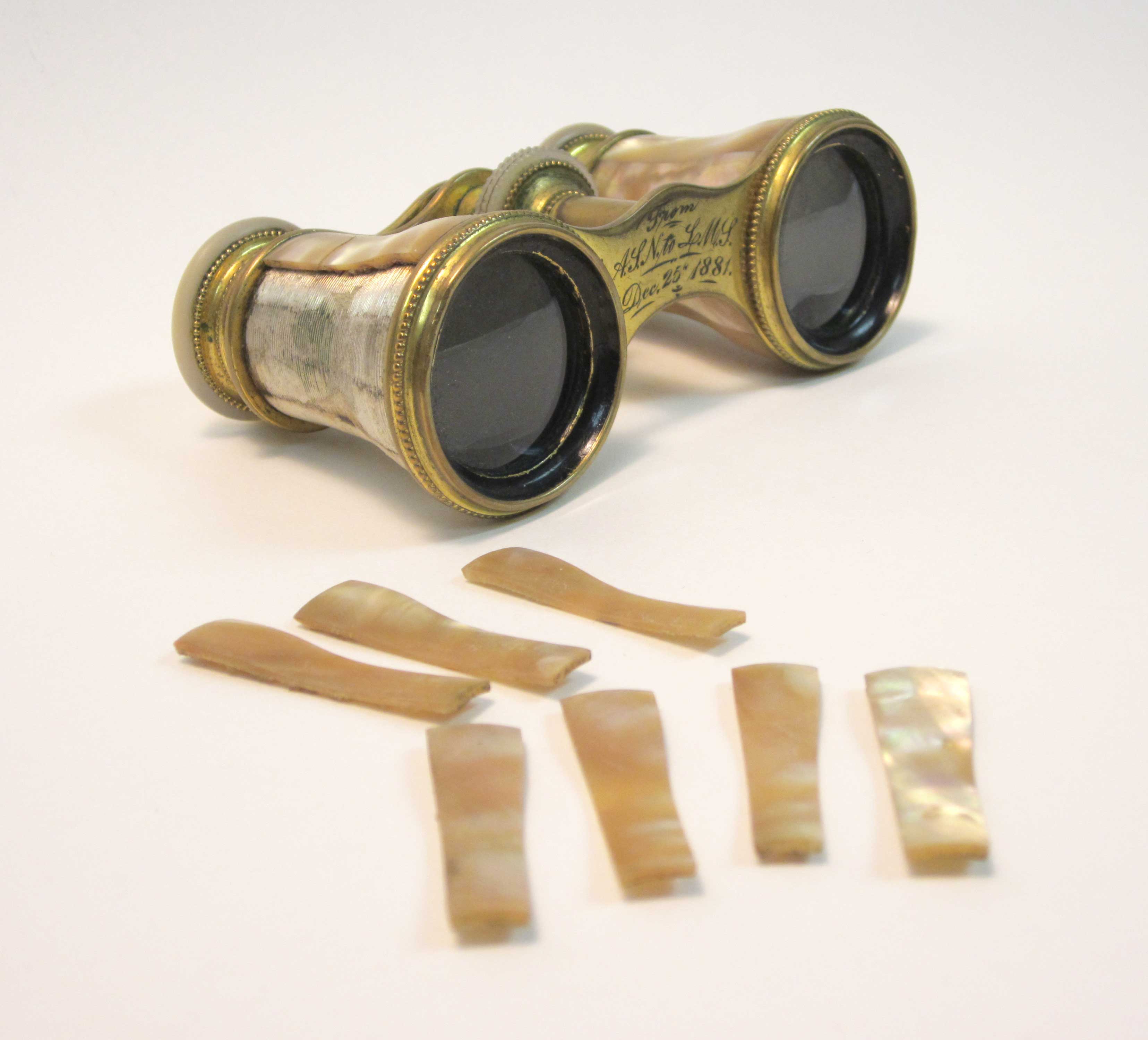
Repairing opera glasses is more than just fixing a tool; it’s about preserving a piece of history. Many vintage opera glasses are over 100 years old and feature beautiful craftsmanship. Restoring them not only brings them back to life but can also increase their value.
According to collectors, well-restored opera glasses can fetch prices from $50 to over $500, especially if they are made by well-known brands or have unique designs.
For more about the history and value of opera glasses, you can check out this detailed overview on Wikipedia.
Frequently Asked Questions
How Do I Know If My Opera Glasses Are Worth Repairing?
If your opera glasses are vintage, have gold or silver trim, or were made by a known maker (like LeMaire or Chevalier), they are often worth repairing. Modern plastic models are usually less valuable, but if they have sentimental value or unique features, repair can still be worthwhile.
Can I Use Regular Glue To Fix Broken Parts?
Avoid regular household glues, especially near lenses or moving parts. Use optical adhesive for glass and clear-drying epoxy for metal or decorative elements. Regular glue can cloud lenses or make future repairs difficult.
Where Can I Find A Manual For My Opera Glasses?
Many old opera glasses never had manuals, but you can often find exploded diagrams or instructions on optical repair forums or collector sites. Search for your brand and model online, or post a photo in a dedicated binocular or opera glass group.
Is It Safe To Clean Lenses With Alcohol?
For glass lenses, isopropyl alcohol (at least 90%) is safe in small amounts. Apply it to a soft cloth, not directly on the lens. Avoid using alcohol on coated lenses or painted surfaces, as it can remove the coating or damage the finish.
What Should I Do If I Can’t Align The Two Sides After Reassembly?
This usually means the hinge or barrels were not reassembled correctly. Loosen the hinge screws, realign both barrels so the image merges into one, then gently retighten. If the problem continues, check for bent or damaged parts.
Repairing broken opera glasses takes patience, but the reward is a perfectly functioning, beautiful piece of history. With careful work and attention to detail, you can save a cherished heirloom and enjoy many more magical nights at the theatre.

