
Opera glasses are more than just fancy binoculars—they’re elegant tools that bring performances to life, letting you see every detail on stage. Whether you own a vintage pair passed down from family or a modern set for regular theater nights, keeping them clean is essential.
Dust, fingerprints, and smudges can spoil your view and even damage the lenses over time. Surprisingly, many people clean opera glasses the wrong way, risking scratches or moisture damage. Let’s explore how to clean opera glasses safely and effectively, so you always enjoy a clear, sharp view.
Why Proper Cleaning Matters
Opera glasses are delicate. Their lenses are coated to reduce glare and improve clarity, while the body often features intricate designs, sometimes with brass, enamel, or even mother-of-pearl. Even a tiny scratch on the lens or improper cleaning of the body can lower both their value and performance. Proper care extends their lifespan and keeps your view crisp for years.
Understanding Opera Glasses: What Needs Cleaning?
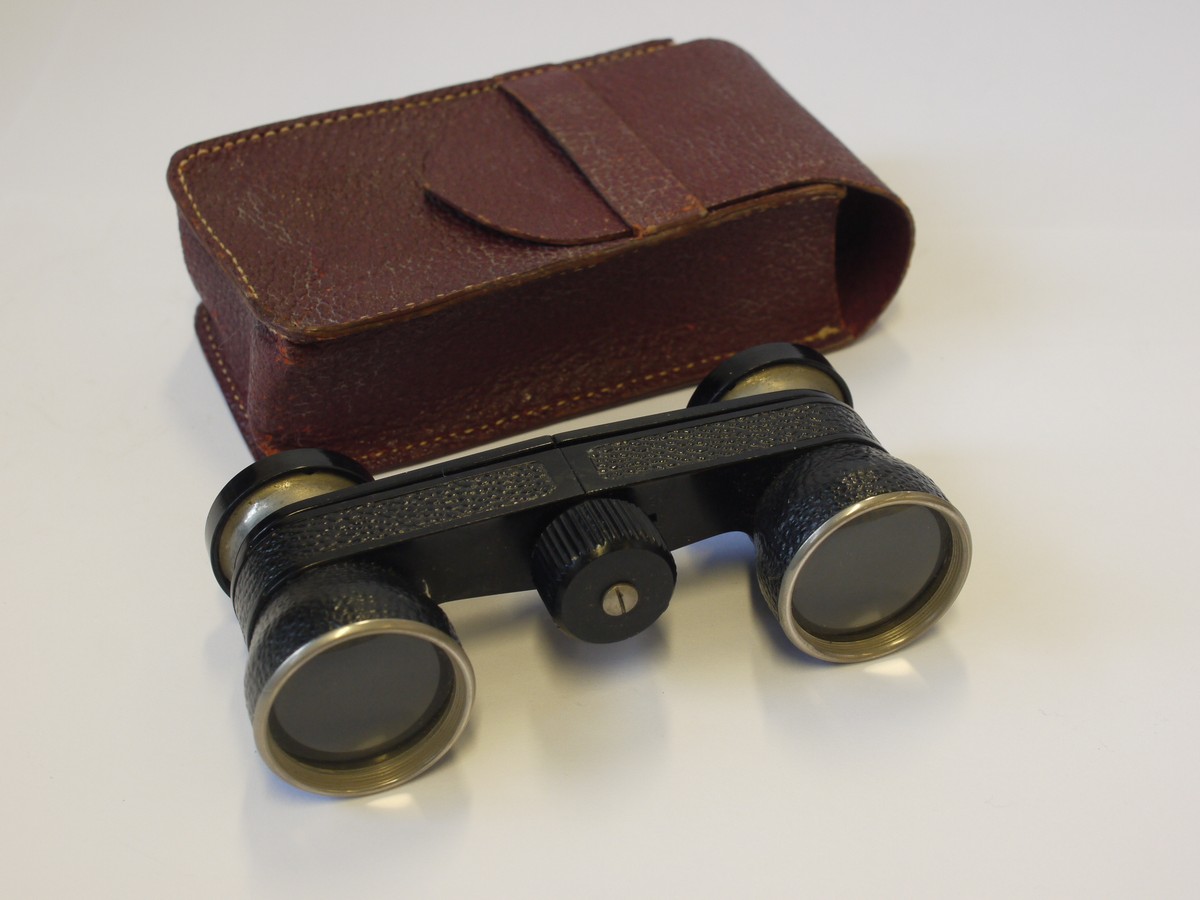
Before you start, it’s important to know which parts to clean and which to avoid. Opera glasses usually have:
- Objective lenses (the lenses facing the stage)
- Eyepieces (the lenses you look through)
- Barrel and frame (the main body, often decorative)
- Focus wheel (used to adjust clarity)
- Hinges and joints
Each part needs a different approach. For example, cleaning the lens is not the same as polishing the brass body. Using the wrong method can cause irreversible damage.
Supplies You’ll Need
Gather your cleaning items before starting. You don’t need anything fancy, but quality matters. Here’s what works best:
- Soft microfiber cloth – for wiping dust and fingerprints from lenses and body.
- Lens cleaning solution – specifically for optical glass (never use household cleaners).
- Lens brush or blower – removes loose dust without scratching.
- Cotton swabs – for tight spaces.
- Mild soap and water – for exterior metal or enamel, not for lenses.
- Compressed air (optional) – for blowing dust from difficult areas.
- Clean, dry towel – to lay out parts if you need to disassemble.
Never use tissue paper, paper towels, or rough fabrics. They can scratch the lens coatings and surfaces.
Step-by-step Guide To Cleaning Opera Glasses
1. Inspect And Prepare
Start by examining your opera glasses under good light. Look for dust, fingerprints, or marks. If they’re vintage or valuable, check for loose parts or damage before cleaning. Place them on a soft towel to avoid scratches.
2. Remove Surface Dust
Use a lens brush or a gentle blower to remove loose dust from the lenses and frame. This step is crucial because rubbing dust particles can scratch the glass or decorations.
- Hold the glasses upside down so dust falls away.
- Don’t blow with your mouth—moisture can create spots.
3. Clean The Lenses
Lenses are the most sensitive part. Smudges or oil from fingers can blur your view. Follow these tips:
- Apply a few drops of lens cleaning solution to a microfiber cloth (never directly on the lens).
- Gently wipe the lens in a circular motion, starting from the center and moving outwards.
- For stubborn spots, repeat with a fresh part of the cloth.
- Use a cotton swab with solution for lens edges.
Avoid using too much liquid. Excess moisture can seep inside and cause fogging or fungus.
4. Clean The Eyepieces
Eyepieces get dirty from eyelashes, makeup, or skin oils. Clean them just like the objective lenses, with gentle motions and a clean cloth. Pay attention to edges where dust gathers.
5. Tidy The Frame And Body
The body may be metal, enamel, or covered with decorative material. Here’s how to clean safely:
- For metal or enamel, dampen a cloth with mild soap and water. Wipe gently, avoiding the lenses.
- For mother-of-pearl or painted details, use only a dry or barely damp cloth.
- Never soak opera glasses or use harsh chemicals—they can cause corrosion or discoloration.
Dry the body with a soft towel, making sure no moisture remains in crevices.
6. Focus Wheel And Hinges
Dust or grime can make the focus wheel stiff. Use a dry cotton swab or lens brush to clean between grooves. If needed, a tiny drop of light machine oil (like sewing machine oil) can be added to metal hinges, but avoid letting oil touch the lenses or decorative areas.
7. Final Check And Polishing
Inspect your work under good light. Buff the lenses with a clean, dry microfiber cloth for a final polish. Make sure the frame is dry and free of streaks.
Special Care For Vintage Opera Glasses
If you own a pair that’s over 50 years old or has collector’s value, handle with extra caution. Many old opera glasses use softer metals or delicate coatings. Never use alcohol or ammonia-based cleaners—these can dissolve varnish or paint.
If you’re unsure about a material, test on a small, hidden area first. For rare or antique pieces, consider professional cleaning.
How Often Should You Clean Opera Glasses?
Frequency depends on use and storage. Here’s a guide:
- After each use: Quick wipe with a microfiber cloth to remove fingerprints.
- Once every few months: Full cleaning, especially if exposed to dust or makeup.
- Before storing for long periods: Clean thoroughly and store in a dry, padded case.
Storing in a humid area can lead to fungus on the lenses—a common problem with old opera glasses.
Common Mistakes To Avoid
Cleaning opera glasses isn’t hard, but some mistakes can ruin them:
- Using household cleaners: Chemicals like window spray or bleach damage lens coatings and decorations.
- Rubbing dry dust: Always remove loose dust before wiping.
- Too much liquid: Excess moisture can seep inside, causing fogging or mold.
- Paper towels or rough cloths: These scratch delicate surfaces.
- Forcing focus wheels: If stuck, don’t force it—clean gently and apply a tiny bit of oil if necessary.
Comparison: Cleaning Opera Glasses Vs. Regular Binoculars
It’s easy to think opera glasses and regular binoculars need the same care, but there are key differences. This side-by-side look highlights what to watch for.
| Feature | Opera Glasses | Regular Binoculars |
|---|---|---|
| Lens Coating | Often softer, decorative | Hard, multi-coated |
| Body Material | Metal, enamel, mother-of-pearl | Rubber, plastic, metal |
| Water Resistance | Rarely waterproof | Often waterproof |
| Cleaning Method | Gentle, careful | More robust methods allowed |
Storage Tips To Keep Opera Glasses Clean
Proper storage is just as important as cleaning. Dust, humidity, and accidental knocks can all harm your opera glasses.
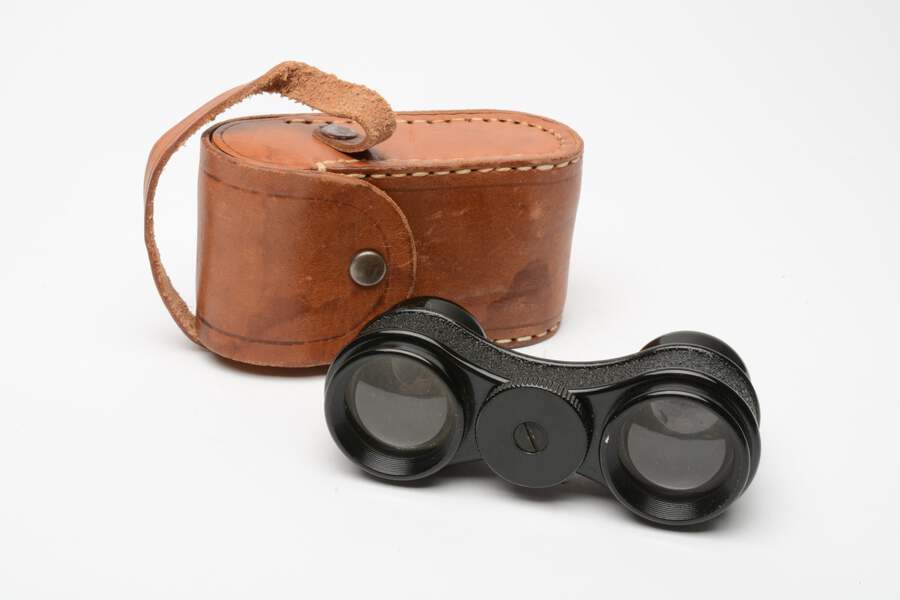
- Store in a soft pouch or hard case to prevent scratches.
- Keep away from direct sunlight—heat can warp or fade decorative parts.
- Avoid humid places like bathrooms or basements.
- If storing long-term, add a small silica gel packet to absorb moisture.
How To Handle Opera Glasses During Use
Careful handling keeps opera glasses clean longer. Here’s how:
- Hold by the frame, not the lenses, to avoid fingerprints.
- Avoid using them with oily or dirty hands.
- Don’t set them lens-down on any surface.
- If you wear makeup, clean the eyepieces more often.
When To Seek Professional Help
Sometimes cleaning at home isn’t enough. You should consider professional service if:
- Lenses are foggy inside (could be fungus or trapped moisture).
- Focus wheel is jammed and won’t move after basic cleaning.
- There are chips, cracks, or loose parts.
- The opera glasses are valuable antiques.
Optical shops or antique restoration experts have the right tools and experience to prevent further damage.
Cleaning Accessories: What To Look For
Not all cleaning tools are created equal. Here’s how to choose:
| Accessory | Best For | What to Avoid |
|---|---|---|
| Microfiber Cloth | Lenses, body, eyepieces | Tissue, paper towels |
| Lens Cleaning Solution | Removing smudges | Household glass cleaners |
| Blower Brush | Dust removal | Compressed air at high pressure |
| Cotton Swabs | Tight corners | Using wet swabs near hinges |

Two Non-obvious Tips For Beginners
Many first-time users miss these important details:
- Check for loose screws after cleaning. Some older opera glasses have tiny screws that can loosen when wiped. Tighten gently with a precision screwdriver if needed.
- Avoid scented wipes or cloths. Fragrances and additives can leave residues on the lens or react with decorative finishes.
Environmental Factors: Humidity, Dust, And Light
Where you store and use opera glasses matters. High humidity encourages fungus growth on lenses. Dust can get inside the body, especially if you store them without a case. Strong sunlight can fade painted or mother-of-pearl finishes. If you live in a humid climate, regular checks and silica gel packets are essential.
Quick Reference: Cleaning Frequency Guide
| Situation | Recommended Cleaning |
|---|---|
| After every use | Wipe lenses with microfiber cloth |
| Monthly (frequent use) | Full cleaning (lenses, body, mechanisms) |
| Long-term storage | Thorough cleaning, store in dry case |
Frequently Asked Questions
How Do I Clean Smudges Off Opera Glass Lenses Without Scratching Them?
Use a soft microfiber cloth with a drop of lens cleaning solution. Wipe in gentle, circular motions, starting from the center. Always remove dust first with a brush or blower to prevent scratches.
Can I Use Regular Eyeglass Cleaner On Opera Glasses?
Yes, but only if it’s made for optical lenses—never use household glass cleaners. Some coatings on opera glass lenses are softer than modern eyeglasses, so use the mildest option possible.
What Should I Do If Moisture Gets Inside The Lenses?
If you notice fogging inside the lens, don’t try to open the glasses yourself. Place them in a dry, warm area with a silica gel packet. If the fogging doesn’t clear, seek professional cleaning, as moisture can cause fungus.
Is It Safe To Polish Metal Or Enamel Parts?
For most metal or enamel surfaces, a slightly damp microfiber cloth works best. Avoid abrasive cleaners or metal polish unless you know the material. For antiques, consult an expert to avoid damaging finishes.
Where Can I Find More Information On Antique Opera Glasses?
For collectors or those interested in history, the Wikipedia entry on opera glasses offers detailed background, types, and care tips.
Taking care of your opera glasses isn’t complicated, but it does require patience and the right materials. With gentle cleaning and smart storage, you’ll enjoy crisp, clear views and keep your glasses beautiful for years—whether you’re sitting in a grand theater or enjoying a family heirloom at home.

