
Opera glasses may look elegant and vintage, but their focus system is surprisingly simple—once you know how it works. Whether you’re enjoying a night at the theater or attending a live concert, being able to adjust the focus on your opera glasses can make a big difference. Clear, sharp images let you see every detail on stage, enhancing your experience and making the event much more memorable.
Many people, especially beginners, struggle with focusing their opera glasses. Some expect them to work like modern binoculars, but most opera glasses use a different system. If you’ve ever been frustrated by blurry images or felt unsure about which dial to turn, you’re not alone.
This guide walks you through every step of the focusing process, explains the parts involved, and gives you practical tips for getting the clearest view possible. By the end, you’ll be able to adjust your opera glasses with confidence—even if it’s your first time.
Understanding Opera Glasses
Opera glasses are small, lightweight binoculars designed for indoor use, especially in theaters, opera houses, and concert halls. They typically offer low magnification (usually between 2.5x and 4x) and a wide field of view, which is perfect for watching stage performances without missing the bigger picture.
Key Features Of Opera Glasses
- Compact size: Easily fits in a pocket or purse.
- Low magnification: Prevents image shake and keeps the entire stage in view.
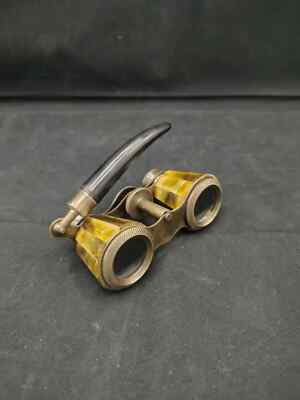
- Elegant design: Often comes with decorative details like gold trim or mother-of-pearl.
- Simple focus system: Usually a single central wheel or dial.
The simplicity of opera glasses is intentional—they’re meant to be easy to use in dark environments and not distract you from the performance.
How Focusing Works In Opera Glasses
Most opera glasses use a Galilean optical system, which is similar to early telescopes. This system consists of a convex objective lens (at the front) and a concave eyepiece lens (where you look through). The main focusing mechanism is a central wheel or dial that moves both eyepieces simultaneously.
Basic Focus Adjustment Process
- Hold the opera glasses to your eyes.
- Aim them at the subject (usually the stage).
- Turn the central focusing wheel or dial slowly.
- Stop when the image appears sharp and clear.
Unlike modern binoculars, opera glasses usually don’t have separate focus adjustments for each eye (diopter adjustment), since they are designed for quick, simple use.
Step-by-step Guide To Adjusting Focus
Clear focus can make or break your opera experience. Here’s a detailed, easy-to-follow process for adjusting the focus on most opera glasses.
1. Find The Central Focusing Wheel
Almost all opera glasses have a central focusing wheel or knob, placed between the two barrels. It’s usually textured or raised, making it easy to find by touch, even in the dark.
- On some models, the focus dial may be at the top or even at the bridge connecting the barrels.
- If your opera glasses are vintage, the wheel might be smaller and tighter.
2. Position The Opera Glasses Correctly
Hold the glasses with both hands. Place the eyepieces just in front of your eyes, not pressing them against your face. Keep your elbows steady to reduce shake.
- If your opera glasses have a handle, hold it gently but firmly.
- For models with a chain or cord, let it hang naturally to avoid pulling the glasses away from your face.
3. Aim At The Stage
Pick a fixed point on the stage—like the main actor or the center of the set. Looking at a high-contrast area (like a spotlighted face or costume) makes it easier to judge sharpness.
4. Turn The Focusing Wheel Slowly
Rotate the central wheel in small increments.
- Clockwise usually brings distant objects into focus.
- Counter-clockwise typically focuses on nearer objects.
As you turn, notice how the image changes from blurry to clear and then back to blurry. The sharpest point is your ideal focus.
5. Fine-tune For Maximum Clarity
After you find the sharpest view, make tiny adjustments to ensure details (like facial expressions or costume textures) are crisp. This is especially important if you’re sitting further from the stage.
6. Check Both Eyes
If the image seems sharp in one eye but not the other, try shifting the glasses slightly. Rarely, the lenses may not be aligned perfectly, especially in older or lower-quality models. Opera glasses do not usually have a separate diopter adjustment (for individual eyes), so getting the right fit and angle is crucial.
7. Readjust As Needed
If you change seats, or if the stage lighting changes, you may need to refocus. Repeat the above steps whenever things look blurry.
Types Of Focus Systems In Opera Glasses
Not all opera glasses are created equal. The focus system varies by model and age.
| Focus System Type | Description | Pros | Cons |
|---|---|---|---|
| Central Wheel | Single wheel moves both eyepieces | Easy, fast, standard | No individual eye adjustment |
| Sliding Focus | Barrels push/pull to focus | Simple design, less to break | Harder to fine-tune, less precise |
| Fixed Focus | No adjustment; set at factory | Instant use, no setup | May not suit all eyes/distances |
Most modern opera glasses use the central wheel. Some antique or toy models use a sliding or fixed focus system.

Troubleshooting Common Focusing Problems
Sometimes, even with careful adjustments, the image stays blurry or uncomfortable. Here’s how to solve the most common issues.
Double Vision Or Out-of-alignment
This happens if the two barrels are not parallel. On most opera glasses, the barrels are fixed, but if they have become bent (for example, from being dropped), alignment may be off.
- Gently straighten the barrels by hand if possible.
- If the problem persists, a professional may need to repair them.
Blurry Image Despite Adjusting Focus
Several factors can cause this:
- Dirty lenses: Even a thin layer of fingerprints or dust can blur the image. Clean lenses with a soft, lint-free cloth.
- Too far/too close: Opera glasses have a limited focus range (usually from about 10 feet to infinity). If you’re too close (like the front row), they may not focus properly.
- Low-quality optics: Very cheap or toy opera glasses may not have sharp lenses.
Eye Fatigue Or Discomfort
If your eyes feel strained, check:
- Interpupillary distance (distance between the eyepieces): Some opera glasses allow you to adjust this by gently bending the bridge.
- Light conditions: Some glasses work poorly in very dim light. If so, try to use them only when the stage is well lit.
How Opera Glasses Compare To Regular Binoculars
Many people wonder if they should use regular binoculars instead. Here’s a quick comparison:
| Feature | Opera Glasses | Standard Binoculars |
|---|---|---|
| Magnification | 2.5x – 4x | 8x – 12x (typical) |
| Field of View | Wide | Narrower |
| Weight | Very light | Heavier |
| Focus Adjustment | Simple central wheel | Central + diopter adjustments |
| Best Use | Indoor, performances | Outdoor, sports, birdwatching |
Opera glasses are optimized for comfort and quick use in a theater setting. High-magnification binoculars are not ideal for theaters, as they magnify hand shake and limit your field of view.
Care And Maintenance For Best Focus
To keep your opera glasses working perfectly, a little maintenance goes a long way.
Cleaning The Lenses
- Use a soft, dry microfiber cloth to wipe away fingerprints and dust.
- For stubborn smudges, use a drop of lens cleaning solution.
- Never use tissues or your shirt, as these can scratch the lenses.
Protecting The Focusing Mechanism
- Avoid forcing the focus wheel—it should turn smoothly.
- If it becomes stiff, a tiny drop of silicone lubricant can help, but avoid getting any on the lenses.
Storing Properly
- Keep opera glasses in their case when not in use.
- Store in a dry place; moisture can cause mold or rust, especially in vintage models.
Non-obvious Tips For Perfect Focus
Most guides stop at the basics, but a few extra tips can make your experience even better.
- Focus before the show starts. The lights may go down quickly. Arrive early, point your opera glasses at the stage, and adjust focus while you can see clearly.
- Use the edge of the stage as a reference. Sometimes, costumes or sets are hard to focus on. Try focusing on a sharp edge, like a stage prop or the conductor’s stand, then shift your view.
- Share with caution. If you pass your glasses to a friend, remind them to refocus for their own eyes. Everyone’s vision is slightly different.
- Warm up vintage models. If your opera glasses are antique and stored in a cold place, the grease in the focusing wheel may stiffen. Warm them gently in your hands before use.
- Check for lens fogging. Sudden changes from cold to warm air can fog up lenses. Wait for them to clear before focusing.
When To Replace Or Upgrade Your Opera Glasses
No matter how well you focus, some models just won’t deliver a clear image. If you notice any of these issues, consider upgrading:
- Scratched or cloudy lenses that can’t be cleaned
- Loose or broken focusing wheel
- Permanent double vision (misaligned barrels)
- Very dim image, even in good light
Modern, quality opera glasses are affordable and often give a much better viewing experience than very old or toy models.
Opera Glasses In Different Settings
While theaters are the most common place, opera glasses can be useful in other venues.
- Concerts: Focus on musicians or conductors.
- Sports arenas: Use for indoor sports where high magnification is not needed.
- Lecture halls: See speakers more clearly from the back.
Just remember: opera glasses are designed for medium distances (about 10–50 meters). They’re not ideal for very close or very far objects.

Frequently Asked Questions
How Do I Clean Opera Glasses Without Damaging The Focus Wheel?
Use a soft, dry microfiber cloth for the lenses. For the focus wheel, avoid water or harsh cleaners. If dust builds up around the wheel, use a dry brush or a tiny amount of silicone lubricant on the moving parts, but keep it away from the glass.
Can I Wear Glasses While Using Opera Glasses?
Yes, but you may need to hold the opera glasses slightly further from your eyes. Some models have fold-down eyecups to make it easier for eyeglass wearers. If you notice a reduced field of view, try adjusting the distance between the opera glasses and your eyes.
Why Is Everything Blurry Even After I Focus?
Check for fingerprints or dust on the lenses. Also, make sure you’re within the effective focus range (usually at least 10 feet from the subject). If the image is still blurry, the lenses might be misaligned or damaged.
Are Expensive Opera Glasses Worth It?
Higher-priced opera glasses often have better optics (sharper, brighter images) and smoother focusing mechanisms. However, for casual use, a well-made mid-range model is usually enough. If you plan to use them frequently, investing in a quality pair can improve your experience.
Where Can I Learn More About The History And Types Of Opera Glasses?
A good resource is the Wikipedia page on opera glasses, which covers their development, design, and variations over time.
Opera glasses bring the magic of live performance closer, and adjusting the focus is simple with a little practice. With the right technique and care, you’ll see every detail as the artists intended. Enjoy your next show with crystal-clear vision!

