
A car engine makes a strange noise. A plane’s turbine needs inspection. A factory machine starts losing performance. In these moments, a mechanic faces a challenge: how to see inside complex machinery, deep into areas where hands and eyes cannot reach. This is where the borescope changes everything. With its flexible tube, camera, and light, this tool lets mechanics look inside engines, pipes, and machines, finding problems early—without taking everything apart. But how do mechanics actually use a borescope? What skills and steps are involved? Let’s explore the full process, from choosing the right scope to inspecting, diagnosing, and even recording proof for customers.
What Is A Borescope And Why Use It?
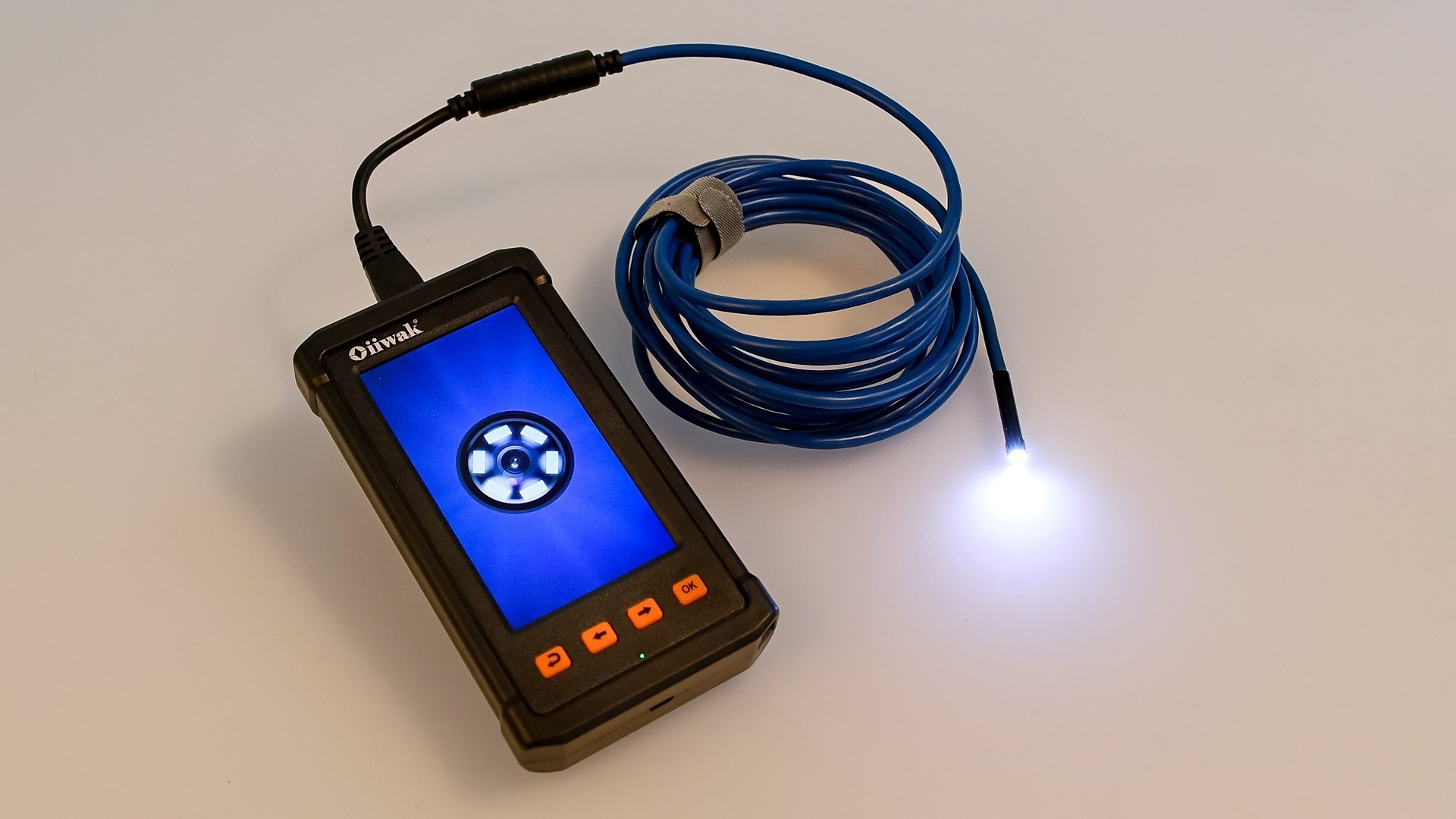
A borescope is a special inspection tool with a small camera and light at the end of a flexible or rigid tube. Mechanics use it to look inside engines, pipes, and machinery—places that are difficult or impossible to see directly. The camera sends a live video or pictures to a screen, making hidden areas visible.
The key benefits of a borescope in mechanical work include:
- Non-destructive inspection: No need to open or break parts.
- Time saving: Quick checks without full disassembly.
- Accurate diagnosis: See cracks, corrosion, blockages, or wear.
- Documentation: Record images as proof for repairs or reports.
Many modern borescopes have features like HD video, adjustable LED lights, and the ability to save images or video. This makes them a powerful tool for mechanics in industries like automotive, aviation, plumbing, and manufacturing.
Types Of Borescopes Mechanics Use
Borescopes come in several types. Mechanics choose based on the job:
| Type | Main Features | Best Uses |
|---|---|---|
| Rigid Borescope | Hard, straight tube, sharp images | Simple, straight-line inspections (e.g., gun barrels) |
| Flexible Borescope | Bendable tube, navigates curves | Engines, pipes, HVAC, complex machinery |
| Video Borescope | Digital camera, screen display, image/video capture | Modern diagnostics, reports, sharing findings |
| Fiber Optic Borescope | Uses fiber bundles, transmits images | Fine detail in tight spaces, older tech but still useful |
Most mechanics today use video borescopes for the best flexibility and image quality.
How Mechanics Prepare To Use A Borescope
Before starting an inspection, mechanics follow a careful setup process:
- Select the right borescope: Based on tube length, diameter, and flexibility needed.
- Check battery and memory: Make sure the device is charged and has storage space for images or video.
- Attach the right accessories: Some jobs need a mirror tip (to see sideways), magnet (to retrieve metal bits), or hook (to pull debris).
- Clean the lens and tube: Dust or oil on the camera can blur images.
- Set up the display: Adjust brightness and focus, test the live view.
Non-obvious tip: Many beginners skip the lens cleaning step, leading to poor image quality. Clean optics are crucial for accurate inspection.
Step-by-step: How Mechanics Use A Borescope
Let’s break down the typical workflow when a mechanic inspects an engine or machine with a borescope.
1. Locating The Access Point
The first step is to find an entry. Mechanics look for:
- Spark plug holes (in engines)
- Inspection ports (on turbines)
- Drain plugs (in pipes)
- Panel openings (on machinery)
If there’s no direct access, sometimes a small cover is removed or a bolt is taken out.
2. Inserting The Borescope
The mechanic gently inserts the tube, guiding it through curves and tight spaces. For flexible scopes, careful steering is needed to avoid damaging the tip or camera.
Common mistake: Forcing the tube can break the scope or damage the machine. Gentle, slow movement is best.
3. Navigating And Lighting
Once inside, the mechanic:
- Adjusts the LED light for clear viewing
- Uses the display to look for any signs of wear, rust, carbon buildup, or debris
- Rotates or bends the scope to get different angles
Many borescopes have articulating tips that can turn or bend inside, making it easier to inspect all areas.
4. Capturing Images And Video
When the mechanic finds a problem—like a cracked valve or burnt piston—they can press a button to take a photo or record video. This documentation is useful for:
- Explaining repairs to customers
- Creating official reports
- Comparing with later inspections
5. Withdrawing And Cleaning
After the inspection, the borescope is carefully withdrawn. The tube and lens are cleaned with a soft cloth and proper cleaner to avoid scratching.
Insider tip: Mechanics often check the tip for oil, metal shavings, or unusual residue after withdrawal. Sometimes, what sticks to the borescope can be a clue to internal problems.

What Problems Can Mechanics Find With A Borescope?
A borescope can reveal many hidden issues that are otherwise hard to detect:
- Cracks in pistons, valves, or cylinder walls
- Corrosion inside pipes or coolant systems
- Carbon buildup in combustion chambers
- Foreign objects like dropped screws or broken parts
- Oil leaks from seals or gaskets
- Worn gear teeth in transmissions
- Blocked passages in fuel or air systems
For example, in aviation, borescopes are essential for checking turbine blades for cracks or burning. In automotive work, they let mechanics see inside an engine’s cylinders without removing the head—a process that would take hours.
Real-world Example: Automotive Engine Inspection
Imagine a car with poor performance and high oil use. Before tearing down the engine, a mechanic uses a borescope through the spark plug hole. The live video reveals:
- Heavy carbon deposits on the piston crown
- Scoring (scratches) on the cylinder wall
- Signs of oil leaks around the valve stem
With these images, the mechanic knows exactly what needs fixing—saving time and money for both the workshop and customer.
Advanced Uses And Special Features
Modern borescopes offer more than just simple viewing. Here are some advanced features and how they help:
| Feature | Benefit | Example |
|---|---|---|
| Wi-Fi or Bluetooth | Wireless streaming to smartphones or tablets | Share findings instantly with team or customer |
| Dual Camera | Forward and side views without changing tips | Inspect walls and corners at the same time |
| Measurement Tools | Estimate size of cracks or gaps onscreen | Document exact size of damage for reports |
| Interchangeable Probes | Switch tube size or length for different jobs | One scope can inspect both engines and plumbing |
Non-obvious insight: Many mechanics don’t realize that some borescopes can record audio notes with video. This helps when explaining findings later or building a full inspection report.
Comparing Borescope Inspections To Traditional Methods
How Does Using A Borescope Compare With Old-fashioned Inspection Methods?
| Method | Inspection Time | Risk of Damage | Documentation |
|---|---|---|---|
| Borescope | 10–30 minutes | Very low | Photos and videos saved |
| Full Disassembly | 2–6 hours | High (parts may break) | Usually none |
This shows why borescopes are now a standard tool in professional workshops.
Common Mistakes And How To Avoid Them
Even experienced mechanics can make mistakes when using a borescope. Here are some things to watch for:
- Skipping Cleaning: Dirty lenses mean unclear images.
- Forcing the Probe: Always move slowly and gently.
- Ignoring Lighting Settings: Too much or too little light hides details.
- Not Saving Documentation: Always record images of damage found.
- Using the Wrong Diameter: Too thick a probe won’t fit, too thin may give lower image quality.
Pro tip: Always check the size of the access hole before choosing your scope. Many beginners buy only one size and find it cannot reach all areas.
The Role Of Borescopes In Training And Quality Control
Borescopes are not just for repair—they are important for training new mechanics and for quality control in manufacturing. In training, real images from inside engines help students understand how damage looks in real life, not just in textbooks. In manufacturing, borescopes inspect new parts before shipping to make sure there are no hidden defects.
Some factories require a borescope inspection for every engine or pump before it leaves the plant. This improves safety and reduces warranty claims.
How Mechanics Communicate Findings With A Borescope
A hidden but important use of the borescope is customer communication. Many car owners or machine operators do not understand technical language. Showing them a color photo or video of the problem builds trust and makes repair decisions easier.
Some workshops email these images to customers or attach them to digital reports. This level of transparency is now expected by many clients.
The Future Of Borescope Technology
With advances in digital imaging and miniaturization, borescopes are becoming smaller, smarter, and easier to use. Some new models use AI software to help spot cracks or corrosion automatically. Others offer 3D imaging for even better diagnosis.
As technology improves, mechanics will find even more ways to use borescopes—not just for inspection, but for maintenance planning and even remote expert support.

Frequently Asked Questions
What Is The Main Advantage Of Using A Borescope?
The main advantage is non-destructive inspection. Mechanics can see inside engines, pipes, or machines without taking them apart, saving time and reducing the risk of extra damage.
Can Borescopes Be Used In All Types Of Engines?
Yes, but the probe size must match the access point. Some engines have very small openings, so a thinner or more flexible borescope is needed.
How Do Mechanics Clean And Maintain A Borescope?
After every use, mechanics wipe the tube and lens with a clean, soft cloth and special cleaner. They also check for cracks or damage on the tube. Proper storage (in a case) protects the scope from dust or bending.
Are Borescopes Expensive?
Prices range from under $100 for basic models to several thousand dollars for advanced, industrial scopes. Most professional workshops use mid-range video borescopes, which offer good image quality and features.
Where Can I Learn More About Borescope Technology?
For further reading, visit the Wikipedia entry on Borescopes, which explains different types, history, and uses in detail.
Mechanics today rely on the borescope as a key tool for fast, accurate, and clear inspections. Whether diagnosing engine issues or ensuring product quality, a borescope saves time, prevents mistakes, and brings a new level of confidence to mechanical work.
If you’re in the field, learning how to use this tool well is a smart investment in your skills and reputation.

