
Elk are some of the most iconic animals in North America. Their large antlers and impressive size make them stand out in forests and grasslands. But despite their power, elk face constant danger from predators like wolves. How do these gentle giants survive against such skilled hunters?
The answer is not simple. It involves smart behaviors, physical adaptations, and teamwork. Exploring these strategies gives us a new respect for elk and helps us understand the balance of nature.
The Predator-prey Challenge
The relationship between elk and wolves is a classic example of predator and prey. Wolves hunt in packs, using cooperation and intelligence to chase and catch their meals. Elk, on the other hand, rely on their senses, speed, and social structure to avoid becoming dinner.
Wolves usually target the weak or young, but sometimes even healthy adults are at risk. An adult wolf can sprint up to 40 miles per hour for short bursts, while an elk can run 35 miles per hour. Wolves have stamina, but elk have size and strength.
This creates a fascinating battle of survival, where both sides must use every advantage.
Keen Senses: The First Line Of Defense
Elk depend on their excellent senses to detect danger. Their large ears can rotate independently, picking up sounds from all directions. Their eyes are on the sides of their heads, giving them a wide field of vision—almost 300 degrees. This lets them spot movement from far away.
Smell is also vital. Elk have a strong sense of smell, which helps them detect wolves hiding upwind. They sniff the air regularly, especially when grazing or resting. Often, elk will freeze and listen if they sense something is wrong.
Even the smallest sound, like a twig snapping, can put the whole group on alert.

Herd Behavior: Safety In Numbers
Elk rarely live alone. They gather in herds, sometimes with dozens or even hundreds of individuals, especially in winter. This group living is not just social—it’s a key survival strategy.
When elk are in a herd:
- More eyes and ears are available to spot danger.
- The chance of any one elk being caught is lower.
- The herd can confuse predators by running in different directions.
If a wolf pack approaches, elk often form a tight group, placing calves and weaker members in the center. The strongest adults face outward, ready to defend. This circle formation makes it harder for wolves to single out a victim.
Speed And Agility: Outrunning Wolves
Elk are not just big—they are fast and agile. They can sprint quickly and leap over obstacles like logs and streams. When chased, elk often run uphill, where their power gives them an advantage over wolves.
Calves are more vulnerable, but even young elk are quick learners. Mothers teach their calves to run and hide soon after birth. In dangerous areas, calves stay close to their mothers, who keep a sharp watch for predators.
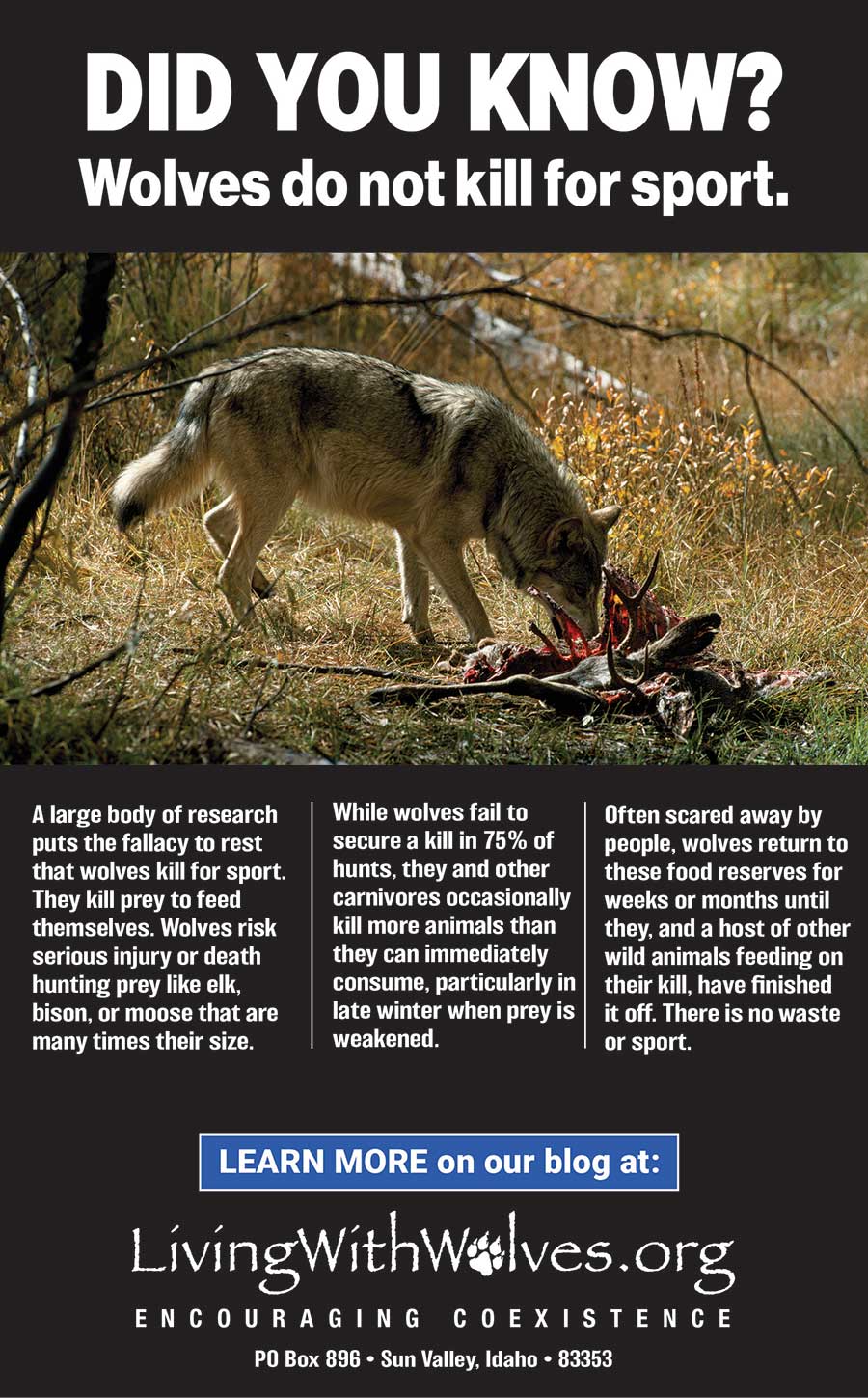
Using The Landscape
Elk know their habitat well. They use the terrain to escape or hide from wolves:
- In open fields, elk rely on speed.
- In thick forests, they move quietly and blend with the trees.
- They cross rivers or climb steep hills, which can slow down wolf packs.
Sometimes, elk will bed down in areas with good visibility, so they can spot wolves from a distance. Other times, they choose rough ground where wolves cannot run easily.
Warning Signals And Communication
Communication is critical for elk survival. Elk use a mix of sounds, body language, and even scent to warn each other.
- Barks: A sharp, loud bark alerts the herd to danger.
- Raised tails or heads: Signals readiness to flee.
- Urine and scent marking: Communicate stress or presence of predators.
When one elk sounds the alarm, the whole herd responds instantly. This fast communication can mean the difference between life and death.
Defensive Strategies
Fighting back is rare but not impossible. Large male elk, especially during the rut (mating season), have powerful antlers. While they prefer to run, cornered elk can use their hooves and antlers to defend themselves.
Females sometimes kick at wolves if calves are threatened. A well-placed kick can break a wolf’s jaw or rib. This makes wolves cautious and often forces them to retreat if the risk is too high.
Seasonal Movements: Migration And Timing
Elk do not stay in one place all year. They migrate to find food and safer areas, often moving from high mountains in summer to lower valleys in winter. Migration helps elk avoid places where wolves are most active.
Elk also time their calving (giving birth) to match periods when food is plentiful. Calves are born in late spring or early summer, when grass is green and wolves are sometimes busy raising their own pups.
Migration Comparison: Elk Vs. Wolves
Here’s how elk and wolves move across the landscape:
| Animal | Typical Migration Distance | Reason for Migration |
|---|---|---|
| Elk | Up to 90 miles | Find food, avoid deep snow, escape predators |
| Wolves | Up to 40 miles (usually follow prey) | Follow elk, find new hunting grounds |
The Role Of Calves: Hiding And Survival
Young elk, or calves, are the most at risk. Wolves often target calves because they are easier to catch. Elk mothers have special strategies to protect their young:
- Calves are born with spotted coats that help them blend into grass.
- For the first few weeks, calves lie still and silent when danger is near.
- Mothers feed nearby and return only to nurse, reducing scent trails.
Only about half of elk calves survive their first year. This shows how tough life can be—but these survival tricks help many calves reach adulthood.
Predation Pressure And Population Balance
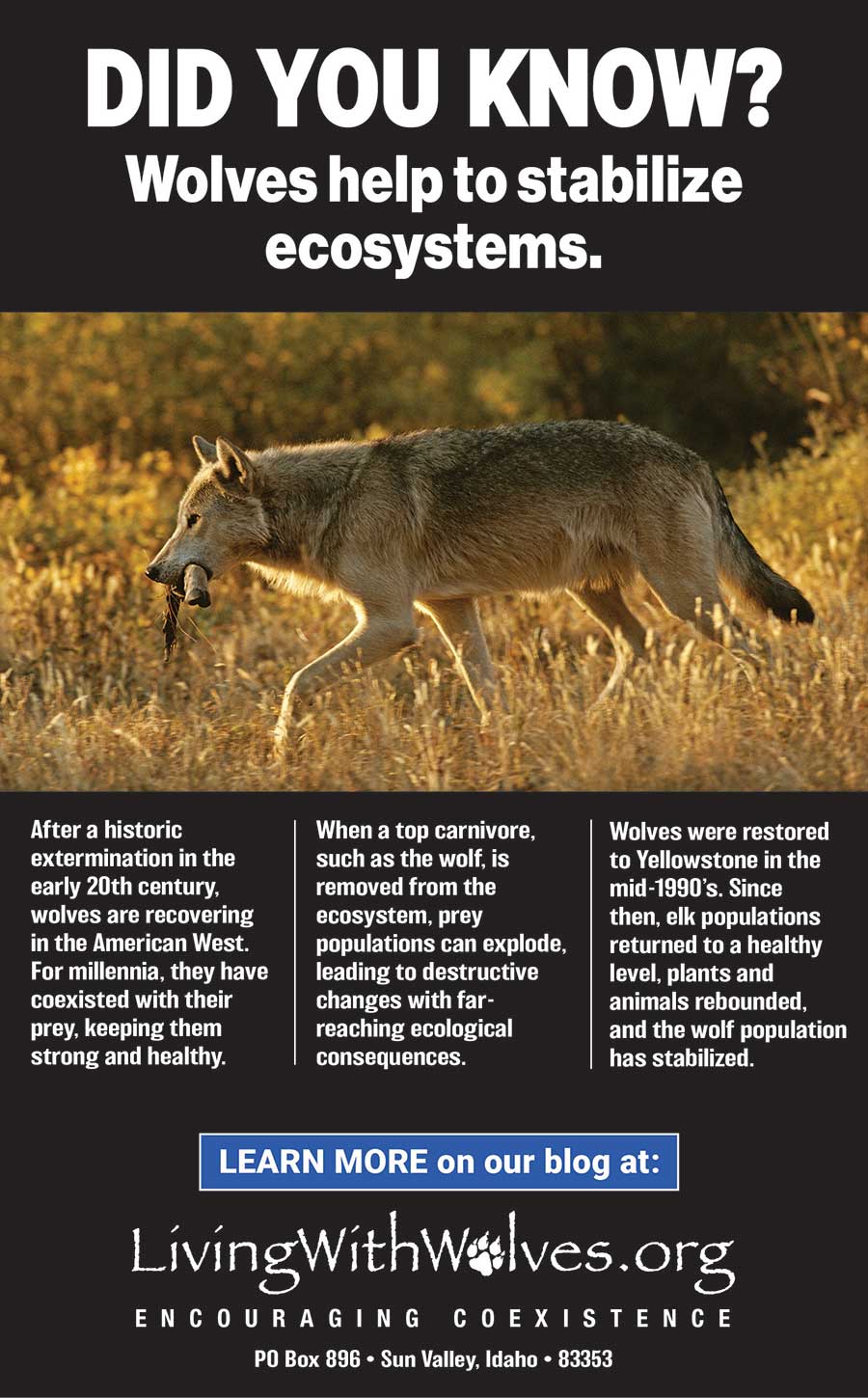
Wolves play an important role in controlling elk numbers. Without predators, elk populations can grow too large, leading to overgrazing and unhealthy herds.
Research shows that where wolves are present, elk are more alert and move more often. This “landscape of fear” changes how elk use their habitat, often helping forests and grasslands recover from overgrazing.
Elk Population Before And After Wolves
Here’s a simple look at elk numbers in Yellowstone National Park after wolves were reintroduced:
| Year | Elk Population | Wolf Population |
|---|---|---|
| 1995 (before wolves) | ~19,000 | 0 |
| 2005 (10 years after) | ~8,000 | 100+ |
| 2020 | ~6,000 | 80-100 |
The elk herd became healthier, with fewer sick or weak animals. The landscape also improved, with more willows and aspen growing back.
Learning And Adapting: How Elk Outsmart Wolves
Elk are smart animals. They learn from experience and pass knowledge to others in the herd. For example, older elk teach younger ones which areas are safest, when to move, and how to spot wolf tracks.
Some elk even change their migration routes or feeding times to avoid wolves. They may stay closer to roads or human activity, where wolves are less likely to hunt.
Non-obvious Insights Beginners Miss
- Wolves as Teachers: When elk are hunted by wolves, they do not just run. They learn the wolves’ hunting patterns over time. Elk may avoid certain valleys at dawn or dusk, knowing wolves prefer to hunt then.
- The Cost of Vigilance: Elk that live in areas with many wolves spend more time watching for danger and less time eating. This means they might be in worse body condition, which can affect calf survival and future herd size.
Human Impact: Changing The Balance
Humans have changed elk and wolf populations by hunting, land use, and reintroducing wolves to areas like Yellowstone. In places where wolves are removed, elk can become overconfident and less skilled at avoiding predators. This shows that the presence of wolves helps elk stay sharp and healthy.
Survival Strategies: Summary Table
A quick comparison of key elk survival strategies:
| Strategy | Description | Main Benefit |
|---|---|---|
| Herding | Group living for vigilance | Early warning, lower risk per individual |
| Migration | Seasonal movement to safer areas | Avoids heavy predation periods |
| Speed & Agility | Running, jumping, maneuvering | Escape from chasing wolves |
| Defensive Circles | Protecting weak inside a group | Prevents wolves from isolating prey |
| Camouflage (calves) | Spotted coats, hiding | Lower chance of being detected |
Why Some Elk Get Caught
Despite all these defenses, not all elk survive. Wolves are skilled hunters, and sometimes luck is not on the elk’s side. Old age, illness, injury, or being alone can make an elk vulnerable. But, in the bigger picture, predators help keep elk populations balanced and healthy.
The Importance Of Predators In Nature
Understanding how elk survive wolves shows us the importance of predator-prey relationships. Wolves keep elk alert, moving, and healthy. Elk, in turn, support wolf packs by providing food. This balance shapes forests, grasslands, and even rivers, as seen in places like Yellowstone.
Nature is not always easy or gentle, but each animal has its role. Watching how elk outsmart wolves reminds us of the hidden intelligence and strength in wildlife.
For more about the complex lives of elk and wolves, you can read about their interactions on the Wikipedia: Elk page.
Frequently Asked Questions
How Do Elk Sense Wolves Nearby?
Elk use their sharp hearing, wide vision, and strong sense of smell to detect wolves. They listen for unusual sounds, look for movement, and sniff the air for wolf scent. If one elk notices something strange, it will alert the herd.
Do Elk Ever Fight Back Against Wolves?
Yes, but rarely. Large males may use their antlers, and females can kick with strong hooves. Most of the time, elk try to run or form defensive circles. Direct fights are risky for both elk and wolves.
Why Do Wolves Mostly Hunt Calves And Weak Elk?
Wolves choose targets that are easier to catch. Calves, old, or sick elk cannot run as fast or defend themselves well. This helps keep the elk herd healthy by removing the weakest animals.
How Has Wolf Reintroduction Changed Elk Behavior?
Elk have become more cautious and move more often. They avoid open areas, spend less time grazing, and use different migration paths. This has also helped the environment recover, as elk no longer overgraze certain plants.
Can Elk Survive Without Predators Like Wolves?
Elk can survive for a while without predators, but their populations may grow too large. This leads to overgrazing and weaker herds. Wolves and other predators are important for keeping elk populations balanced and healthy.

