
Elk are one of North America’s most iconic wild animals. Their size and beauty draw people from around the world to view them. But as our roads reach further into elk territory, encounters between elk and vehicles have become far more common.
Sometimes these meetings are simply a surprise for a driver. Other times, they can be dangerous for both people and animals. How do elk actually react to vehicles? And what can we learn from their behavior to make roads safer for everyone?
Understanding Elk Behavior Near Roads
Elk are large, social animals that roam forests, meadows, and mountain valleys. They are naturally wary of danger, but their response to vehicles is shaped by several factors. The first thing to know is that elk are crepuscular, meaning they are most active at dawn and dusk. These are also the times when visibility is low for drivers, increasing the risk of surprise encounters.
Elk use their keen senses to detect threats. Their sense of hearing is strong, and their eyes are adapted to low light. But vehicles are not like their usual predators. The noise, lights, and speed of cars can confuse elk, causing unpredictable reactions.
Common Elk Reactions To Vehicles
Elk do not all act the same way when a vehicle approaches. Their response depends on their age, experience, group size, and even the season. Here are the most typical reactions:
1. Freezing In Place
One of the most frequent behaviors seen is freezing. When startled, elk may suddenly stop moving and stand still in the road. This is a natural response to danger; by not moving, they hope to avoid being seen by predators. Unfortunately, this instinct does not work well with fast-moving vehicles.
2. Fleeing Suddenly
Elk may also choose to run away from a vehicle. Sometimes, they dash across the road, often in unpredictable directions. Because elk travel in herds, if one animal bolts, others often follow, creating a sudden burst of movement that can surprise drivers.
3. Pausing And Watching
In some cases, elk will stand at the edge of the road and watch as vehicles pass. They are cautious but not always in a hurry to move. These elk may wait for traffic to clear before crossing, showing some ability to judge risk.
4. Ignoring The Vehicle
Especially in areas with heavy traffic or where elk see vehicles often, some elk become habituated and may ignore cars completely. This can be dangerous, as they may walk into the road without warning.
5. Aggressive Reactions
Very rarely, elk may act defensively, especially during the rutting season (mating time) or when protecting young calves. In these cases, an elk might lower its head, move toward the vehicle, or show signs of agitation. This is more common with dominant males or protective females.

Factors That Affect Elk Responses
Elk behavior is complex, and their reactions to vehicles are influenced by many different things. Let’s look at some of the key factors.
Time Of Day
Elk are most likely to be near roads at dawn and dusk, which are also the most dangerous times for collisions. Their vision is adapted to low light, but they may not see fast-moving vehicles clearly.
Season And Weather
During migration seasons, elk cross roads more frequently as they move between summer and winter ranges. Bad weather, such as snow or fog, can also increase the risk, as elk may use plowed roads as easier paths or may be harder for drivers to spot.
Group Size
Elk often travel in groups. If one elk decides to cross the road, the rest of the herd usually follows, sometimes in single file. This group behavior means that seeing one elk is a warning that more may be near.
Age And Experience
Younger elk, especially calves, are less experienced and more likely to make sudden, unpredictable moves. Older elk may show more caution or avoid roads altogether.
Human Activity
Areas with high traffic or frequent human presence can change elk behavior. Some elk become used to vehicles and lose their natural fear, increasing the risk of accidents.
Comparing Elk And Other Wildlife Reactions
It’s helpful to compare how elk react to vehicles with how other large animals do. Here is a look at three common species found near North American roads:
| Animal | Typical Vehicle Reaction | Collision Risk |
|---|---|---|
| Elk | Freeze, flee, group crossing | High (due to size and herd behavior) |
| Deer | Sudden jumps, freeze | High (smaller, but more common) |
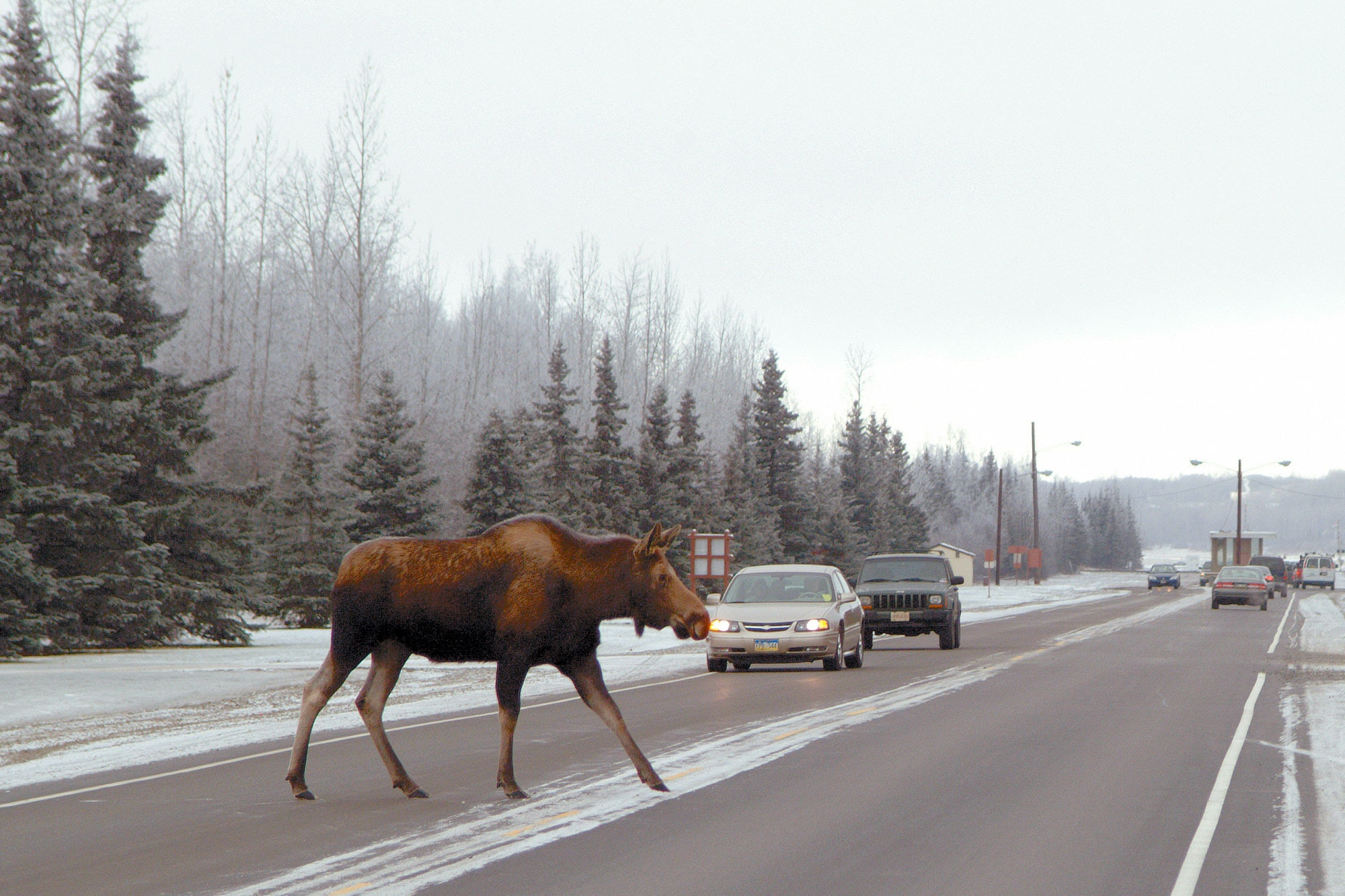
| Moose | Slow crossing, stand in road | Very High (size and dark color at night) |
Insight: Elk collisions are especially risky because they often involve several animals at once, not just a single individual.
Data On Elk-vehicle Collisions
Collisions between elk and vehicles are a real threat. In the United States, there are an estimated 200,000 wildlife-vehicle collisions each year, with elk involved in thousands of these. Some key facts:
- In Colorado, elk-vehicle crashes make up about 20% of all wildlife collisions.
- The average elk weighs between 500 and 700 pounds. Colliding with such a large animal can be deadly for both elk and people.
- Many accidents happen in the fall, during migration and mating seasons.
Here’s a comparison of average collision rates and the animal’s size:
| State | Annual Elk Collisions | Average Elk Weight (lbs) |
|---|---|---|
| Colorado | 1,200 | 600 |
| Montana | 950 | 650 |
| Wyoming | 800 | 620 |
Why Elk Collisions Are So Dangerous
The combination of elk size and behavior makes these accidents especially dangerous:
- Vehicle damage is often severe, as elk are tall enough that their bodies hit the windshield.
- Human injuries and deaths are more likely than with smaller animals, such as deer.
- Elk herds can mean multiple animals on the road at once.
For example, in a single crash, a car may hit one elk and then others may run into the road seconds later, causing a chain reaction.
Non-obvious Insights: What Most People Miss
Elk Are Not Used To Headlights
Unlike some animals, elk are not naturally drawn to or repelled by headlights. In fact, bright lights can confuse them, causing them to freeze or move unpredictably. It’s a myth that flashing your lights will always scare them away.
Roadside Fencing Can Change Elk Behavior
High fences along highways can actually make elk hesitate longer at crossing points. Sometimes, elk follow a fence line looking for a gap, which may lead to sudden, unexpected crossings at open spots. This is why wildlife overpasses and underpasses have been built in some areas to give elk a safer route across roads.
How Drivers Can Help Prevent Collisions
Elk behavior is only one part of the story. Drivers play a big role in preventing accidents. Here are practical steps to reduce risk:
- Slow down at dawn and dusk, especially in known elk areas.
- Watch for elk crossing signs and be ready to brake.
- If you see one elk, expect more to follow.
- Do not swerve sharply, as this can cause loss of control.
- Use high beams where safe, but be aware that bright lights may not scare elk off the road.
- In winter, remember elk may use roads as easier walking paths.
The Role Of Wildlife Crossings
One of the most effective ways to reduce elk-vehicle collisions is building wildlife crossings—bridges or tunnels made just for animals. Studies show these crossings can lower accidents by up to 80% in some areas. Canada’s Banff National Park, for example, has seen great success with these structures. You can learn more about wildlife crossings at this National Park Service resource.
Scientific Research On Elk And Vehicles
Scientists use tools like GPS collars and remote cameras to study how elk move near roads. Some findings include:
- Elk often change their migration routes if roads become too busy.
- In areas with new highways, elk may avoid crossing for weeks or months, splitting herds and changing feeding patterns.
- In places with wildlife crossings, elk learn to use them quickly, sometimes within a single season.
Community And Conservation Efforts
Groups from local governments to conservation organizations work to protect both elk and drivers. Some strategies include:
- Posting more warning signs in high-risk areas
- Reducing speed limits at key crossing points
- Funding more wildlife crossings and fences
- Educating the public about elk behavior and road safety
These efforts have saved thousands of elk and helped reduce injuries and damage.
Elk Behavior: Myths Vs. Reality
Many people believe myths about elk and vehicles. Here’s what you need to know:
- Myth: Elk always run away from cars.
- Reality: They may freeze, run, or ignore vehicles, depending on the situation.
- Myth: Flashing headlights will scare elk off the road.
- Reality: This often confuses them more.
- Myth: If you see one elk, you’re safe once it crosses.
- Reality: Elk move in groups; wait for all to cross.
What To Do If You Hit An Elk
Despite all precautions, accidents can still happen. If you hit an elk:
- Stay calm and check for injuries to yourself and passengers.
- Pull over safely and turn on hazard lights.
- Do not approach the elk—it may still be alive and dangerous.
- Call local authorities or animal control to report the accident.
- Document the scene for insurance purposes.
Frequently Asked Questions
What Time Of Day Are Elk-vehicle Collisions Most Common?
Most elk-vehicle collisions happen at dawn and dusk. These are the times when elk are most active and visibility is lowest for drivers.
Do Elk Always Cross Roads In Groups?
Not always, but elk are herd animals, so it is common for several elk to cross together. If you see one, be ready for more to follow.
Why Do Elk Sometimes Freeze In Front Of Cars?
Elk freeze because their instinct tells them to stay still when threatened. This works with natural predators but not with vehicles, which is why it leads to accidents.
Are Wildlife Crossings Really Effective For Elk?
Yes, wildlife crossings such as overpasses and underpasses have proven to reduce elk collisions by up to 80% in some areas. They give elk a safe way to cross roads.
What Should I Do If I See Elk Near The Road?
Slow down, stay alert, and do not honk or swerve suddenly. Be patient and wait for all elk to cross before moving on.
Elk reactions to vehicles are shaped by instinct, experience, and the world around them. Understanding their behavior helps everyone—drivers, wildlife managers, and the elk themselves—stay safer on the roads. With better awareness and smart solutions, we can reduce accidents and keep these majestic animals part of our wild landscapes for generations to come.

