Elk and moose are two of the largest wild animals in North America and Eurasia. They both belong to the deer family, but their interactions in the wild are more complex than most people think. While these majestic animals often share the same forests, wetlands, and grasslands, their relationship is shaped by competition, behavior, and even the changing climate.
Understanding how elk interact with moose helps us better manage wildlife and appreciate the balance of nature.
Where Elk And Moose Live Together
Elk (Cervus canadensis) and moose (Alces alces) have overlapping ranges, especially in parts of Canada, the northern United States, and areas of Europe and Asia. In these overlap zones, both species search for food, mates, and safety from predators. However, the way they use their environment can be different.
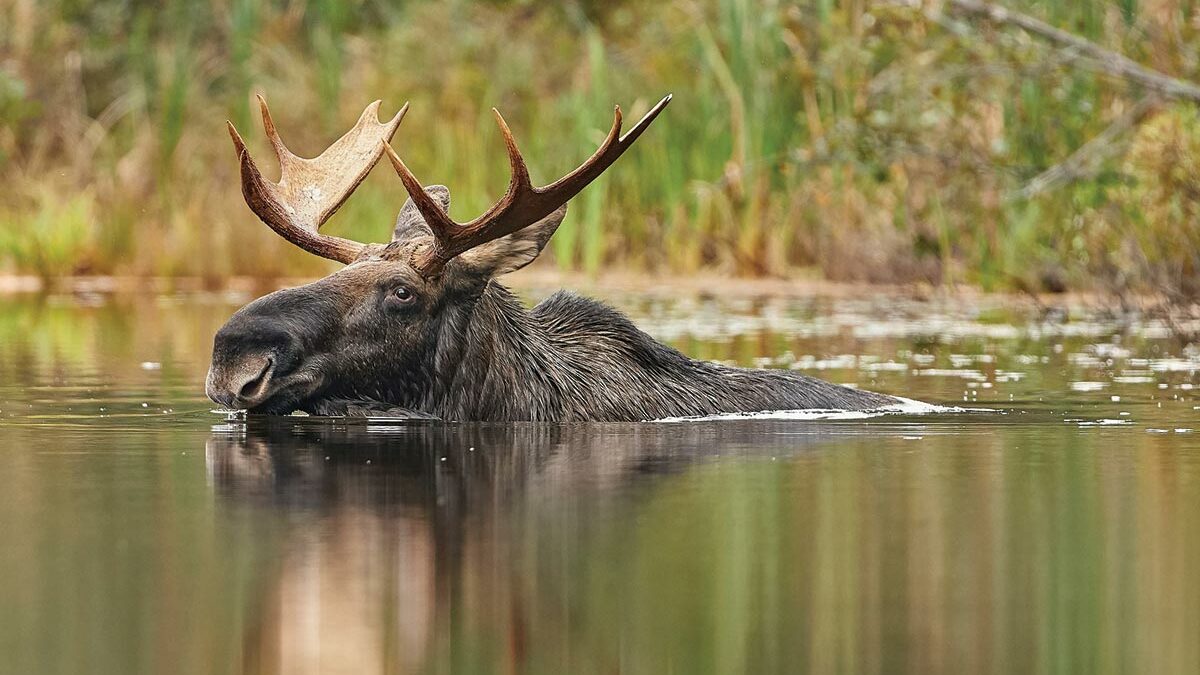
Elk prefer open meadows, woodlands, and the edges of forests. Moose, on the other hand, love wetlands, bogs, and areas with dense shrubs. In places where their favorite habitats cross, elk and moose are likely to meet. For example, in the Rocky Mountains or Scandinavian forests, both animals may be seen grazing near each other, especially in spring and summer when food is plentiful.
Physical Differences Impacting Interactions
Understanding the physical differences between elk and moose helps explain their behavior towards each other. Here’s a quick comparison:
| Feature | Elk | Moose |
|---|---|---|
| Average Weight | 320–500 kg (700–1100 lbs) | 360–700 kg (800–1500 lbs), up to 800 kg (1800 lbs) |
| Shoulder Height | 1.2–1.5 m (4–5 ft) | 1.5–2.1 m (5–7 ft) |
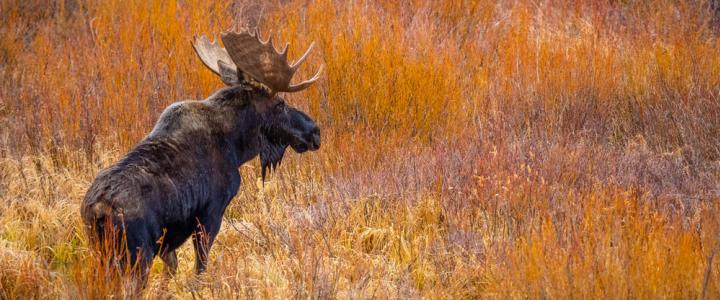
| Antler Shape | Long, branching | Broad, palmate (like hands) |
| Preferred Habitat | Open forests, meadows | Bogs, wetlands, dense forests |
Because moose are larger and more solitary, they are less likely to be pushed around by elk. Elk, being smaller and more social, often gather in herds, which can influence how they interact with moose over food and space.

Competition For Food And Resources
Elk and moose both eat plants, but their diets overlap more in winter when food is scarce. During summer, elk graze on grasses, forbs, and shrubs in open areas. Moose prefer aquatic plants, willow, birch, and aspen shoots found in wetlands.
In winter, deep snow covers much of their food. Both animals are forced to eat the same types of twigs and bark, which can lead to competition. When food is limited:
- Moose often win direct confrontations due to their size and strength.
- Elk may move to new areas if moose dominate the best feeding spots.
- Young moose and elk are most vulnerable to starvation if resources run out.
Studies from areas like Alberta and Wyoming show that where elk numbers rise, moose populations sometimes drop. This is partly because elk, in large groups, can eat a lot of vegetation quickly, leaving less for solitary moose.
Behavior When They Meet
When elk and moose encounter each other, the outcome depends on the season, food availability, and which animal is present. Most of the time, they avoid direct conflict. Moose, being solitary, usually ignore elk herds unless they feel threatened. Elk, being more social, may approach moose out of curiosity but usually keep their distance.
There are exceptions. During the mating season (rut), both animals can become aggressive. Bull elk may challenge other elk, but they rarely try to fight adult moose. Moose bulls, however, will defend their territory and may chase elk away if they come too close.
Here’s how their encounters often play out:
| Situation | Typical Outcome |
|---|---|
| Feeding in same area | Moose eats alone; elk keep distance |
| Water source conflict | Moose dominates if alone; elk wait or leave |
| Mating season | Both become more aggressive; rare direct fights |
| Predator nearby | Both may ignore each other and focus on safety |
Social Structure Differences
Elk and moose have very different social lives. Elk are highly gregarious. They form herds that can include dozens, even hundreds, of individuals, especially in winter. This gives them safety in numbers. When elk meet moose, the herd often chooses to avoid the solitary moose.
Moose, in contrast, are mostly solitary except for mothers with calves or during the breeding season. A moose will stand its ground if needed, especially a cow protecting her young. This solitary nature means moose are less likely to get involved in group conflicts with elk.
Interbreeding: Can Elk And Moose Mate?
One question that often comes up is whether elk and moose can mate and produce offspring. Despite both being in the deer family, interbreeding between elk and moose does not happen naturally. Their genetic differences are too great. Even in captivity, attempts to produce hybrids have failed.
Their mating calls, behaviors, and breeding seasons are also quite different, making crossbreeding almost impossible. This keeps the two species separate, even when they live in the same area.
Predators And Shared Threats
Both elk and moose face similar predators: wolves, bears, and, in some areas, cougars. However, their risk level can be different. Moose calves are especially vulnerable, while adult moose are usually too big for most predators. Elk, especially young or old individuals, can be easier targets for wolves.
Interestingly, when both elk and moose are present, predators may focus on the easier prey (often elk calves). This can give moose calves a slightly higher chance of survival. However, if predator numbers get too high, both populations can suffer.
Effects Of Climate And Environment
Climate change is shifting where elk and moose live, bringing them into contact more often. Warmer winters mean elk can stay in northern regions longer, increasing competition with moose. Also, new diseases and parasites, such as the winter tick, are spreading further north and affecting both species.
In some places, human activity like logging and road building opens up forests, creating more habitat for elk but sometimes reducing the wetlands that moose depend on. This can lead to fewer moose in some regions.
Human Influence And Management
Wildlife managers need to understand how elk and moose interact to make good decisions about hunting, habitat protection, and conservation. For example:
- In areas where elk populations are rising and moose are declining, hunting regulations may be adjusted.
- Creating protected wetlands helps moose, while maintaining open meadows supports elk.
- Monitoring disease spread is important, as both animals can carry parasites that affect each other.
Understanding these dynamics helps keep both elk and moose populations healthy.
Two Key Insights Beginners Often Miss
- Elk can indirectly reduce moose numbers even without fighting. This happens when elk herds overgraze important plants, leaving less food for moose. It’s not always about direct conflict—small changes in plant availability can shift the balance.
- Moose are sensitive to temperature and parasites. In areas where elk thrive in warmer, more open habitats, moose may struggle due to heat stress and a higher risk of ticks. This environmental sensitivity often plays a bigger role than direct interactions.
Real-world Example: Yellowstone National Park
Yellowstone is one of the best-studied places for elk and moose interactions. For many years, both species shared the park. However, as elk numbers rose, moose declined. Scientists believe this is due to a mix of increased competition for food, habitat changes, and wolf reintroduction, which affected both populations differently. More about these studies can be found on the Yellowstone National Park Wikipedia page.
Frequently Asked Questions
What Are The Main Differences Between Elk And Moose?
Elk are smaller, lighter, and more social, forming large herds. Moose are much larger, heavier, and mostly solitary. Elk have long, branching antlers, while moose have wide, palmate antlers. Their preferred habitats are also different, with elk liking open meadows and moose choosing wetlands.
Do Elk And Moose Ever Fight?
Direct fights between elk and moose are rare. Moose, being larger, usually win if there’s a dispute over food or space. Elk often avoid confrontation by moving away, especially if the moose is a large bull or a protective cow.
Can Elk And Moose Live In The Same Forest?
Yes, they can and often do, especially in parts of North America and Eurasia. They may use different parts of the forest or prefer different foods, which reduces direct competition. However, in winter or if food is scarce, their paths cross more often.
Do Elk And Moose Share The Same Predators?
Both species are hunted by wolves, bears, and sometimes cougars. Young elk and moose are most at risk. Predators may target whichever species is easier to catch, which can shift depending on the season and local population sizes.
How Does Climate Change Affect Elk And Moose Interactions?
Warmer temperatures allow elk to expand further north, increasing competition with moose. At the same time, moose are more sensitive to heat and parasites that thrive in warmer climates. This can reduce moose numbers in areas where elk are doing well.
Elk and moose are both icons of the wild, and their interactions reveal much about how nature balances competition and survival. By understanding how these giants share their world, we can help protect them for future generations.

