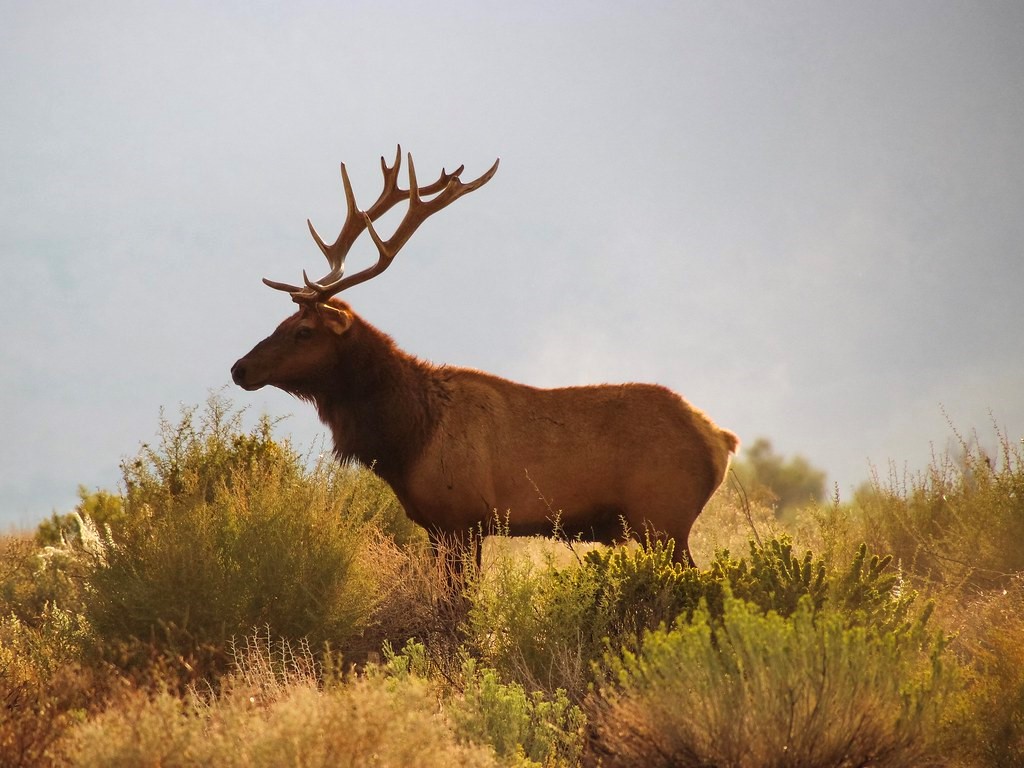
Elk are some of the largest wild animals in North America and Eurasia. Their presence in forests does much more than add natural beauty—they change the land in many ways, some obvious, and some that you might never expect. When you walk through a forest where elk live, you’re not just seeing trees and grass; you’re seeing a landscape shaped by their daily actions.
Understanding how elk affect forests helps us protect both the animals and the woodlands they share with other creatures.
This article will explore the complex relationship between elk and forests. We’ll look at what elk eat, how they move, and what happens when their numbers grow or shrink. You’ll discover both the benefits and challenges that elk bring to these natural places, backed by examples, data, and real-world cases.
Whether you’re a nature lover, a student, or someone interested in wildlife management, you’ll find answers and insights here that go far beyond what most people know.
Elk Behavior And Forest Ecology
Elk, also called wapiti, are large herbivores that live in forests, woodlands, and grasslands. Their lives are closely tied to the land. They move in herds, often traveling long distances to find food. Because elk are big and need a lot of energy, they eat large amounts of plants every day—sometimes 8 to 10 kilograms (about 17 to 22 pounds) of grass, leaves, and twigs daily.
Elk are most active at dawn and dusk. In winter, they often gather in lower valleys. In summer, they spread out into higher forests. Where elk move, the forest changes.
What Elk Eat And How It Changes Forests
Elk are browsers and grazers. That means they eat both grass (grazing) and leaves or twigs from bushes and trees (browsing). Their eating habits can change the forest in several ways:
- Selective Feeding: Elk prefer certain plants, like aspen shoots, willow, and young conifers. When elk numbers are high, they can stop these plants from growing back. Over time, some trees may disappear from parts of the forest.
- Open Spaces: By eating young trees and shrubs, elk create more open areas. This lets sunlight reach the ground, which can help grasses and wildflowers grow. In turn, these open spots attract other animals.
- Plant Competition: When elk remove their favorite plants, other species—often less tasty or thorny—can take over. This changes the mix of plants, sometimes making the forest less diverse.
- Seed Dispersal: Elk sometimes help spread seeds in their droppings, but they can also prevent trees from growing by eating too many seedlings.
How Elk Movement Impacts The Landscape
Elk are not just stationary eaters. Their movement patterns have a clear impact:
- Trail Formation: Herds walking the same paths make trails. Over time, these trails can compact soil and change how water runs off the land. In heavy use areas, this can lead to erosion.
- River and Stream Banks: When elk often cross or rest near streams, their hooves can break down the banks. This sometimes causes muddy water and can harm fish habitats.
- Patchy Landscapes: Elk rarely eat evenly. Some parts of the forest will look heavily used, while others remain untouched. This patchiness can help some plants and animals, but hurt others.
Elk Population And Forest Health
The effect of elk on forests depends a lot on how many elk live in an area.
When Elk Numbers Are Balanced
In a healthy system, elk help forests by:
- Controlling Overgrowth: They keep shrubs and young trees from taking over, which helps maintain diverse plant life.
- Creating Habitats: Open spaces made by elk are homes for birds, insects, and small mammals.
- Fuel Reduction: By eating brush, elk can lower the amount of dry material that could feed wildfires.
When Elk Populations Are Too High
Problems arise when elk numbers grow beyond what the forest can support:
- Overbrowsing: Too many elk can strip the forest of young trees, especially species like aspen and willow.
- Forest Regeneration Failure: Without new trees, old forests can’t replace themselves. This leads to fewer habitats for some species, like beavers and certain birds.
- Soil Damage: Heavy elk traffic can compact soil, making it harder for plants to grow.
- Competition with Other Herbivores: High elk numbers can push out deer, moose, or bison, leading to less variety in the ecosystem.
When Elk Populations Are Too Low
Low elk numbers also cause changes:
- Overgrowth of Shrubs: Without enough elk, bushes and small trees can fill up open spaces, sometimes crowding out wildflowers and grasses.
- Loss of Openings: Some animals that rely on open spaces, like ground-nesting birds, may lose their homes.
Real-world Case Studies
Looking at real examples helps show how elk and forests interact.
Yellowstone National Park
After wolves were removed from Yellowstone in the 1920s, elk numbers grew. They browsed heavily on aspen and willow, stopping new trees from growing. When wolves returned in the 1990s, elk numbers dropped. Aspen and willow began to recover, and animals like beavers and birds came back. This is known as a trophic cascade—one change at the top (predators) affects many layers below.
Rocky Mountain Forests
In some areas of Colorado and Wyoming, elk herds are kept in check by hunting. Here, forests show a mix of open and wooded areas. Aspen stands are more likely to survive, and stream banks support a wider range of plants and animals.
Europe’s Białowieża Forest
In Poland’s Białowieża Forest, elk (known as moose in Europe) are part of a natural mix of large herbivores. Where their numbers are balanced, forests remain diverse. When hunting or disease lowers elk numbers, shrubs grow thick, and forest structure changes.
Elk And Other Wildlife
Elk do not live alone. Their actions ripple through the ecosystem.
- Help for Small Animals: By opening up thick brush, elk create spaces for rabbits, foxes, and ground birds.
- Food for Predators: Elk are prey for wolves, bears, and mountain lions. Where elk thrive, so do these hunters.
- Competition: Elk compete with deer, moose, and livestock for food. High elk numbers can mean less for others.

How Elk Affect Water And Soil
Elk also change how water and soil move through the forest.
Water Quality
Elk often gather near streams, especially in summer. This can:
- Increase Erosion: Their hooves break up the soil, leading to muddy water.
- Change Plant Cover: Grazing removes plants that hold soil in place, making erosion worse.
- Impact on Fish: Muddy water from elk activity can harm fish, especially during spawning.
Soil Health
Elk droppings add nutrients to the soil. In moderate amounts, this helps plants grow. Too much trampling, though, can compact soil and slow plant growth.
Benefits Elk Bring To Forests
Despite challenges, elk are not just a problem for forests. They offer many benefits, especially when their numbers are balanced.
- Biodiversity Boost: By eating some plants and leaving others, elk create a mix of habitats for different species.
- Control of Invasive Species: In some cases, elk eat invasive plants, helping native species survive.
- Nutrient Cycling: Elk droppings and urine return nutrients to the soil, helping trees and grass grow.
- Cultural and Economic Value: Elk attract tourists and hunters, bringing money for conservation.

Challenges And Management
Managing elk and forests is not simple. Wildlife managers must balance many factors:
- Hunting: In some places, hunting controls elk numbers. If done carefully, it helps forests recover. If not, it can remove too many animals or change herd behavior.
- Predators: Wolves, bears, and cougars help keep elk numbers in check. Removing predators often leads to overpopulation.
- Fencing and Exclusion: Sometimes, fences protect sensitive plants, but this can block other animals or disrupt natural movement.
- Fire Management: Since elk eat dry brush, their absence can lead to more intense wildfires.
Comparison Of Elk Impact With And Without Predators
Here’s a quick look at how elk affect forests depending on whether predators are present:
| Situation | Elk Behavior | Forest Effect |
|---|---|---|
| With Predators | More cautious, move often, avoid some areas | Patchy browsing, more forest recovery, healthy streams |
| Without Predators | Feed in open, stay longer in favorite spots | Heavy browsing, less young trees, damaged riverbanks |
Non-obvious Insights
Many people think elk only harm forests by eating too much. But here are two important points that often get missed:
- Elk Can Increase Plant Diversity: Moderate browsing by elk can actually help rare plants survive. By eating common plants, elk give less common species a chance to grow.
- Elk Affect Fire Patterns: In areas with enough elk, they reduce the amount of dry material on the forest floor. This can lower the risk of severe wildfires, which is more important as climate change makes fires worse.
How Forests Recover After Elk
When elk are removed or their numbers drop, the forest responds. Young trees and shrubs often grow back quickly. However, some changes, like lost soil or stream bank damage, can take decades to heal. Forest managers sometimes plant new trees or restore riverbanks to speed up recovery.
Forest Recovery Timeline
| Time After Elk Removal | Main Changes |
|---|---|
| 0-2 Years | Rapid growth of grasses and shrubs, some tree seedlings appear |
| 3-10 Years | Increase in young trees, return of beaver and birds, more wildflowers |
| 10+ Years | Forest structure returns, but soil and stream changes may take longer |
Comparing Elk Impact To Other Herbivores
Elk are not the only animals shaping forests. Here’s how they compare with deer and moose:
| Animal | Main Diet | Impact on Forest |
|---|---|---|
| Elk | Grass, leaves, twigs | Open areas, patchy browsing, moderate tree loss |
| Deer | Leaves, buds | Heavy browsing, less regeneration, may limit some plants more than elk |
| Moose | Willow, aquatic plants | Local damage near water, but less impact in dry areas |
Frequently Asked Questions
How Do Elk Affect Aspen And Willow Trees?
Elk prefer to eat young aspen and willow. If elk numbers are high, these trees may not grow back, leading to fewer aspen groves and willow patches. This affects animals like beavers and some birds that rely on these trees.
Can Elk Help Prevent Wildfires?
Yes, in moderate numbers, elk reduce the amount of dry grass and brush, which can lower wildfire risk. However, if there are too few elk, forests can become overgrown and more likely to burn.
Do Elk Compete With Livestock?
Elk and cattle both eat grass and other plants. In places where they share land, elk can compete with livestock for food, especially in winter. This sometimes causes conflicts with ranchers.
What Happens If There Are No Predators For Elk?
Without predators, elk numbers can grow too high. This leads to overbrowsing, loss of young trees, and damage to streams. Bringing back predators like wolves can help restore balance.
Where Can I Learn More About Elk And Forests?
A good place to start is the Wikipedia page on elk, which has links to research and resources for deeper study.
Forests and elk are connected in ways most people never see. By looking closely at their relationship, we learn how to keep both healthy for future generations. If you care about wildlife, managing elk and forests together is key to a thriving, balanced ecosystem.

