Every spring, when forests and meadows turn green, a new generation of deer is born. These shy, graceful animals have a careful and thoughtful way of raising their young, called fawns. Many people see deer grazing quietly but do not realize how much effort and strategy goes into protecting and nurturing fawns during their most vulnerable months. Understanding how deer raise their young gives us insight into their survival skills and helps explain why these animals have adapted so well to different environments.
The Birth Of A Fawn
Deer usually give birth in late spring or early summer. Most often, a female deer, called a doe, will have one or two fawns at a time. Twins are common in healthy populations, but triplets are rare. The timing of the birth is important, as the weather is warmer and food is plentiful, giving fawns a better chance to survive.
A newborn fawn weighs about 6 to 8 pounds (2.7 to 3.6 kg). It is born with white spots on its reddish-brown coat. These spots help camouflage the fawn in sunlight and shadows on the forest floor, making it harder for predators to spot them.
How Does The Doe Care For Her Fawns?
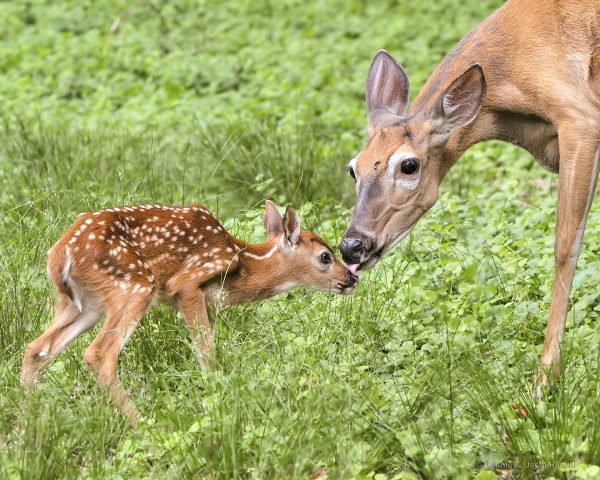
After birth, the doe spends several hours cleaning her fawn. She licks the fawn dry, which not only keeps it clean but also removes any scent that could attract predators. For the first few days, fawns are very weak and cannot run or walk well.
The doe usually leaves her fawn alone for long periods. This may seem strange, but it is a key survival strategy. Fawns have almost no scent for the first few weeks, and by lying still and hidden, they are less likely to be found by predators. The mother stays nearby and comes back several times a day to feed and check on her young.
Feeding And Growth
Fawns drink only their mother’s milk at first. This rich milk helps them grow quickly. In their first week, fawns can double their body weight. By the end of the first month, they start to nibble on grass, leaves, and other plants. Still, they continue to nurse from the doe for about 8 to 10 weeks.
Here is a quick look at fawn growth in the first two months:
| Age | Average Weight | Key Development |
|---|---|---|
| Newborn | 6-8 lbs (2.7-3.6 kg) | Can stand within an hour |
| 1 week | 10-14 lbs (4.5-6.4 kg) | Starts to walk better |
| 1 month | 18-25 lbs (8-11 kg) | Begins eating plants |
| 2 months | 30-35 lbs (13-16 kg) | More mobile, follows mother |
Hiding And Safety
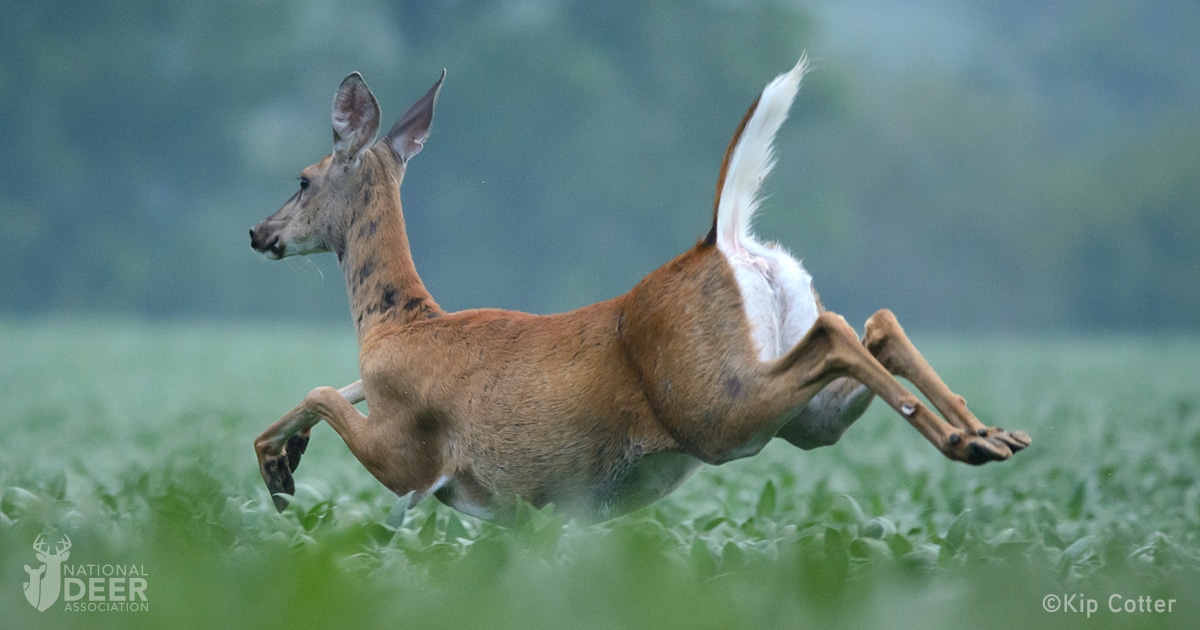
One of the most important things a doe teaches her fawn is how to stay hidden. Fawns spend most of their first weeks lying still in tall grass, thick brush, or leafy ground cover. This behavior is called “hiding strategy.” The fawn’s spots and lack of scent are its best defense.
The mother is always alert to danger. She may even move the fawn to a new hiding spot if she thinks predators are near. When the doe senses a threat, she will stomp her foot or snort to warn the fawn.
If needed, she might run away to draw the predator’s attention, leaving the fawn safe and hidden.
Learning To Move And Socialize
As fawns grow stronger, they begin to follow their mother for short walks. By three to four weeks old, they can run and keep up with the doe. This is when they start to learn about their environment, what to eat, and how to avoid dangers.
Fawns also begin to meet other deer, especially during the summer months. Social behaviors such as grooming, gentle nudging, and playing help fawns learn their place in the group. In some areas, does may form small groups with their fawns, which offers more protection.
Here’s how fawn movement changes in the first months:
| Fawn Age | Movement Ability | Mother’s Behavior |
|---|---|---|
| 0-2 weeks | Mostly lying hidden | Visits to nurse, keeps distance |
| 2-4 weeks | Short walks | Starts leading fawn around |
| 4-8 weeks | Follows mother closely | Shows food sources, alerts to danger |
Weaning And Growing Independence
By 8 to 12 weeks, fawns eat more plants and rely less on milk. This process is called weaning. The doe still protects them, but the young deer spend more time exploring on their own.
In late summer or early fall, most fawns are strong enough to join the herd. Male fawns, called bucks, may stay with the mother until the next spring, then leave to find their own territory. Female fawns, or does, sometimes remain with their mothers for longer.
Here’s a summary of the timeline for fawn independence:
| Age | Main Food | Level of Independence |
|---|---|---|
| Birth-2 months | Milk | Very dependent |
| 2-4 months | Milk & Plants | Becoming independent |
| 4+ months | Plants | Mostly independent |

Survival And Challenges
Raising young is risky for deer. Many fawns do not survive their first few months. The main threats are predators, such as coyotes, foxes, and even domestic dogs. Weather, disease, and accidents also take a toll.
Studies show that in some areas, only 30% to 50% of fawns survive their first year. However, those that do survive become skilled at hiding, running, and finding food. The mother’s careful teaching and protection are key to a fawn’s success.
A non-obvious detail: Fawns’ hearts beat much faster than adults, often 150-175 beats per minute. This high heart rate helps them react quickly if they must run, but it also means they need frequent feeding and rest.
Human Impact And Conservation
Urban growth, roads, and hunting have changed how deer raise their young. Some deer now give birth closer to towns and parks, where there may be fewer predators but more cars and people. If you find a fawn alone, it is almost always best to leave it undisturbed—its mother is usually nearby.
Conservation efforts focus on protecting habitat and reducing unnecessary risks. Healthy forests and meadows help both does and fawns hide, feed, and grow safely. You can learn more about deer conservation from sources like the White-tailed Deer Wikipedia page.
Frequently Asked Questions
Why Do Fawns Have White Spots?
White spots help fawns blend into their surroundings. The pattern breaks up their outline, making them harder for predators to see in dappled sunlight.
How Long Do Deer Stay With Their Mother?
Most fawns stay with their mother for at least four to six months. Males often leave after their first winter, while females might stay longer.
What Should I Do If I Find A Fawn Alone?
If you see a fawn alone, do not touch or move it. The mother is usually feeding nearby and will return. Only intervene if the fawn is clearly injured or in danger.
How Often Does A Doe Feed Her Fawn?
A doe feeds her fawn 2–4 times a day. She stays away most of the time to avoid drawing attention to the hidden fawn.
Do All Deer Raise Their Young The Same Way?
Most deer species use similar strategies—hiding, nursing, and gradual weaning—but the details can change depending on species and habitat.
Deer have developed smart ways to raise their young and keep the next generation safe. From the moment a fawn is born to the time it joins the herd, every step is guided by survival and learning. Watching these delicate animals grow is a reminder of nature’s careful balance and the quiet strength that mothers show in the wild.

