
Birds amaze us with their beauty, songs, and ability to fly. But if you have ever watched the sky darken and felt the wind pick up before a storm, you may have wondered: how do birds survive storms? It seems almost impossible that such small, delicate creatures can live through rain, thunder, lightning, and fierce winds. Yet, most birds not only survive, but also continue to thrive after even the harshest weather. How do they do it? The answer is a mix of clever behaviors, smart use of their bodies, and special adaptations that most people never notice. In this article, you’ll discover the full story behind birds and storms, from the science of bird bodies to the secrets of their survival tactics.
Understanding The Threat: Storms And Their Impact On Birds
Storms come in many forms—thunderstorms, hurricanes, blizzards, and even tornadoes. Each presents special dangers for birds. High winds can blow birds off course or into objects. Heavy rain can soak their feathers, making flying difficult or impossible. Lightning strikes are rare but deadly. Cold temperatures, hail, and sudden drops in air pressure add to the risk.
Birds face extra challenges because they are light and often travel in open spaces. For example, a small sparrow weighs about 24 grams—less than a slice of bread. Their size makes them vulnerable, but it also gives them flexibility that larger animals lack.
Real Data: Bird Mortality In Storms
While birds are good at surviving, not all make it through strong storms. According to a 2015 study in the United States, an estimated 1 million birds died during a single severe thunderstorm event in the Midwest. However, this is a small number compared to the total bird population. Most birds use their skills and instincts to stay safe.
How Birds Sense And Prepare For Storms
Birds do not rely on weather forecasts. Instead, they use their senses and internal “tools” to notice when a storm is coming.
Sensing Air Pressure
Birds have a special organ called the Paratympanic Organ, located in their middle ear. This organ lets them sense changes in barometric pressure—the pressure of the air around us. When a storm is coming, the air pressure drops. Birds feel this drop and know to find shelter.
Reading The Environment
Besides air pressure, birds pay attention to:
- Wind shifts: Sudden changes in wind direction or strength.
- Cloud patterns: Dark, fast-moving clouds signal danger.
- Humidity: Rising moisture in the air can mean rain is coming.
- Animal behavior: Birds notice when insects and other animals act strange.
These signals help birds decide when to stop feeding or flying and start looking for a safe place.
Migratory Birds And Storms
Some birds fly thousands of kilometers during migration. They are experts at reading the weather. For example, radar studies have shown that large groups of birds often land right before a storm hits. Birds can even “pause” their migration for days until the weather improves.
Where Birds Go During Storms
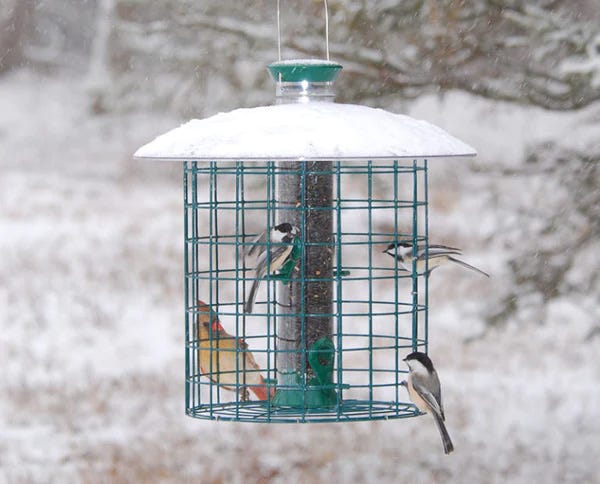
The most important survival strategy is finding shelter. Birds choose different shelters based on their size, species, and habitat.
Trees And Bushes
Many birds, like sparrows and finches, hide deep inside thick bushes or on the downwind side of tree trunks. Leaves and branches block wind and rain. Some birds press their bodies close to the trunk, using it as a shield.
Cavities And Nests
Woodpeckers, bluebirds, and some owls use tree holes or old woodpecker nests. These cavities protect from both wind and rain. Birds that use nest boxes will return to them if a storm comes.
Man-made Structures
Urban birds often hide under building eaves, inside barns, under bridges, or in parking garages. These spots offer good protection from rain and wind.
Ground Cover
Ground birds like quail and pheasants crouch under grass, rocks, or fallen logs. They flatten their bodies to reduce their profile, making it harder for wind and rain to reach them.
Water Birds
Ducks and geese often stay in the water but move to the shore or into reeds during bad weather. Their waterproof feathers keep them dry, and thick reeds block the wind.
Comparison: Bird Shelter Choices
Here is a comparison of where different types of birds take shelter during storms:
| Bird Type | Shelter Type | Effectiveness |
|---|---|---|
| Songbirds | Thick bushes, tree branches, cavities | High |
| Woodpeckers | Tree holes, nest boxes | Very High |
| Urban birds (pigeons, sparrows) | Buildings, bridges | High |
| Ground birds | Grass, rocks | Medium |
| Water birds | Reeds, shorelines | Medium to High |
How Bird Bodies Handle Storms
Birds have special body features that help them survive even when shelter is not perfect.
Waterproof Feathers
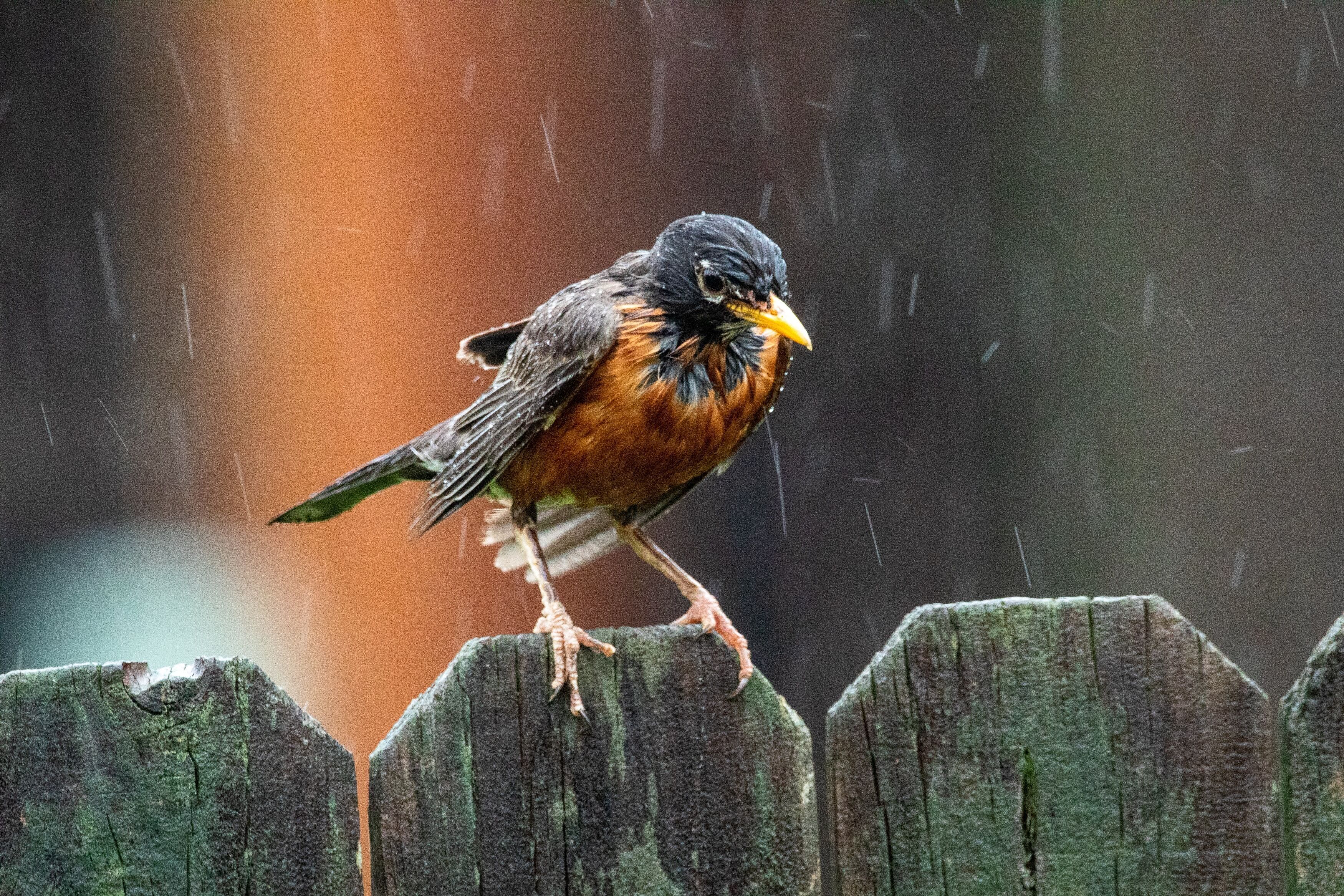
Most birds have a gland near the base of their tail called the uropygial gland. This gland produces oil that birds spread over their feathers during preening. The oil makes feathers waterproof, so rain rolls off instead of soaking in. Water birds like ducks have extra oil, which is why they almost never get wet to the skin.
Feather Structure
Bird feathers are layered like shingles on a roof. This design keeps out water and blocks cold air. Underneath, birds have a layer of soft down feathers that trap warm air close to their bodies.
Lightweight, Strong Bones
Bird bones are hollow but strong, letting them fly away quickly if a shelter is damaged. This also helps birds move to safer spots if the storm changes direction.
Body Position And Grouping
Many birds crouch low, tuck in their heads, and fluff up their feathers. This makes them smaller targets for wind and helps conserve heat. Some birds even huddle together for warmth and protection.
Heart Rate And Energy Use
During storms, birds often lower their activity levels to save energy. They stop singing and moving, and their heart rate drops. This helps them survive when food is hard to find.
Comparing Feathers And Waterproofing
Here is how different birds compare in their waterproofing:
| Bird Type | Waterproofing Ability | Notes |
|---|---|---|
| Ducks, Geese | Very High | Extra oil, swim in rain |
| Songbirds | Medium | Some oil, avoid heavy rain |
| Raptors (hawks, eagles) | Medium | Soar above storms if possible |
| Owls | Low | Feathers not very waterproof |
Bird Behavior During Different Types Of Storms
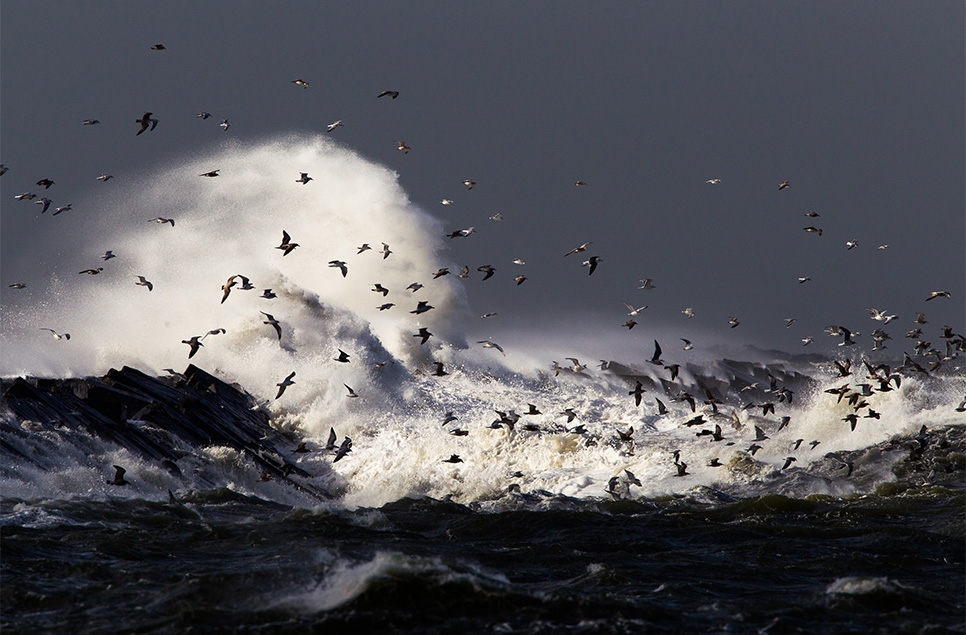
The way birds survive depends on the type of storm they face. Each one brings its own set of challenges.
Thunderstorms
Most birds seek immediate shelter as soon as they sense an approaching thunderstorm. They stay quiet and still, sometimes for hours. Birds avoid open spaces and rarely fly during the worst weather.
One non-obvious trick: birds often turn their backs to the wind and rain. This allows their strongest feathers to block the force. After the storm, birds will shake off water, preen, and return to normal activity.
Hurricanes And Typhoons
Hurricanes are more dangerous because they cover large areas and last longer. Birds that migrate across oceans sometimes get caught in these massive storms. Some birds, like frigatebirds, fly high above the storm or circle around it. Others land and wait it out in the safest place they can find.
Research shows that some birds actually use the winds around the edge of hurricanes to travel faster during migration. However, birds caught in the center of the storm have little chance of survival.
Tornadoes
Tornadoes are fast and unpredictable. Birds almost never fly during tornado warnings. They hide in the best shelter they can find—thick brush, tree holes, or even underground if possible.
Winter Storms And Blizzards
Cold weather brings a different threat. Birds use their fat stores to stay warm and may huddle together for extra heat. Some birds, like chickadees, go into a state called torpor—a kind of mini-hibernation—to save energy during long, cold nights.
Comparing Storm Survival Tactics
This table shows how birds respond to different storm types:
| Storm Type | Main Bird Strategy | Unique Challenge |
|---|---|---|
| Thunderstorm | Seek shelter, stay still | Short, heavy rain and wind |
| Hurricane | Fly away, circle edge, find shelter | Long-lasting, wide area |
| Tornado | Hide quickly, avoid flying | Sudden, intense winds |
| Blizzard | Huddle, use fat stores, torpor | Cold, snow, low food supply |
How Young And Nesting Birds Survive
Adult birds have experience and strong flight skills. But what about eggs, chicks, and young birds? These are much more at risk.
Nests And Location
Many birds build nests in spots that are protected from the worst weather. For example, robins often put their nests under roof eaves or thick tree branches. Woodpeckers and owls nest inside tree holes, which are safer than open nests.
Parental Care
Parent birds protect their eggs and chicks by covering them with their bodies. They use their own feathers as a shield, even if it means getting wet or cold themselves. Some birds, like penguins, take turns guarding the nest.
Nest Materials
Birds use strong materials like mud, spider silk, and grass to build nests that can handle wind and rain. Some nests are even shaped like cups or domes to keep water out.
Risks To Young Birds
Despite these efforts, young birds are still at risk. High winds can knock nests down, and heavy rain can flood them. This is one reason birds lay several eggs—so at least some chicks survive.
Bird Migration And Storms
Migration is one of the most dangerous times for birds. They must travel long distances, often through areas with unpredictable weather.
Timing Migration
Birds use their sense of air pressure and weather patterns to choose the best time to migrate. They may wait days or weeks if storms are likely.
Changing Course
Some birds can change their route if they sense a storm ahead. For example, radar studies have shown that large flocks of warblers sometimes turn back or fly sideways to avoid a storm.
Storms Helping Birds
A surprising fact: strong winds can actually help some migrating birds move faster. If the wind is blowing in the right direction, birds can cover hundreds of extra kilometers in one night.
Dangers During Migration
Still, many birds die during migration because they are caught in unexpected storms. Young birds are especially at risk because they have less experience and smaller energy stores.
Non-obvious Insights: What Most People Miss
Surviving storms is not just about hiding and waiting. Here are two things most beginners miss:
- Birds plan ahead for bad weather. Many birds eat extra food before a storm, building up fat reserves. This energy helps them survive hours or days without feeding.
- Storms change bird behavior for days or weeks. After a big storm, birds may change their feeding spots, nest locations, and even migration routes. The effects of one storm can last long after the skies clear.
How Humans Can Help Birds During Storms
People can make a big difference for birds during storms. Here are some ways to help:
- Plant trees and bushes: These provide shelter for many bird species.
- Install nest boxes: Safe places for birds to hide and nest.
- Keep cats indoors: Pets can harm birds when they are weak after storms.
- Avoid using pesticides: These can reduce insect food for birds, especially after heavy rain.
- Offer water and food: Bird feeders and water bowls can help birds recover after a storm.
Climate Change And Bird Survival
Climate change is making storms more frequent and intense in many parts of the world. This means birds must face bigger challenges than before. Some birds are moving their ranges to avoid areas with more storms. Others are changing their migration timing.
A recent study found that bird populations in North America have dropped by about 3 billion since 1970, with increased storms as one of the causes. Protecting bird habitats and reducing climate change effects are important steps for their survival.
For more on the impact of climate change on birds, see this excellent resource from the National Audubon Society.
Frequently Asked Questions
How Do Birds Know When A Storm Is Coming?
Birds sense changes in barometric pressure using a special organ in their ear. They also watch for changes in wind, clouds, and humidity. This lets them prepare before a storm arrives.
What Do Birds Do During A Hurricane?
Some birds try to fly away or circle the edge of the hurricane. Others find shelter and wait until the storm passes. Birds caught in the center of a hurricane are at high risk.
Can Birds Fly During Strong Winds?
Most birds avoid flying during strong winds. If they must fly, they stay low to the ground, use buildings or trees as windbreaks, and fly in short bursts.
Do Storms Kill A Lot Of Birds?
Storms can kill birds, but most survive by using shelter and their natural adaptations. Large storms sometimes cause local die-offs, especially among young or migrating birds.
How Can I Help Birds Survive Storms In My Area?
You can help by planting trees and bushes, putting up nest boxes, keeping pets inside, avoiding pesticides, and offering food and water after storms.
Birds are survivors, using both ancient instincts and clever tactics to stay safe in extreme weather. Next time you see a dark sky and hear thunder, remember the tiny birds out there—hiding, waiting, and ready to fly again once the storm has passed.
Their resilience is a reminder of nature’s power and beauty, and a call for us to help protect them for the future.

