
How Do Birds Sleep?
Birds are everywhere—flying in the sky, singing at dawn, and building nests in city parks and remote forests. But have you ever wondered how these busy creatures sleep? Birds live very different lives compared to mammals, and their sleeping habits are just as unique.
Some sleep while standing on one leg, some nap while flying, and others hide in secret spots to rest. Understanding how birds sleep helps us appreciate their amazing adaptations and the challenges they face every night and day.
Birds’ sleep is not only about closing their eyes; it’s a complex process shaped by evolution. They must stay alert to predators, harsh weather, and even other birds. The ways they rest depend on their size, habitat, and lifestyle. Unlike humans, who usually sleep in long blocks, birds often sleep in short bursts or even with half their brain awake.
This article explores the fascinating science behind how birds sleep—covering types of sleep, positions, safety tricks, migration sleep, and more. You’ll discover surprising facts, see new research, and learn about the clever solutions birds use to rest and survive.
The Science Of Bird Sleep
Bird sleep is very different from human sleep. Scientists have studied birds for years to learn about their unique sleep patterns. Like people, birds need sleep to keep their brains and bodies healthy. However, their sleep adapts to their wild lifestyle.
Stages Of Sleep
Birds have two main types of sleep: slow-wave sleep (SWS) and rapid eye movement (REM) sleep.
- Slow-wave sleep: In this stage, one or both halves of the bird’s brain slow down. Their bodies relax, but they can still wake up quickly if danger is near.
- REM sleep: Birds also experience REM sleep, when the brain is very active. During REM, birds sometimes dream, just like humans. But REM is shorter in birds, often just a few seconds at a time.
Some birds, especially those that must always be alert, can sleep with one half of their brain at a time. This is called unihemispheric slow-wave sleep. For example, ducks sleeping at the edge of a group will let one eye stay open to watch for threats, keeping half their brain awake while the other half rests.
How Much Sleep Do Birds Need?
Sleep needs vary by species and age. Small songbirds may sleep 8 to 12 hours, usually at night. Owls and other nocturnal birds sleep during the day. Migrating birds can reduce sleep to just a few minutes at a time.
Chicks and young birds sleep more than adults because their brains are still developing.
Scientists use special equipment to study sleep in birds. They attach tiny wires to measure brain waves and eye movements. Studies show that even birds with very little sleep can still function well during migration, but they need to catch up on sleep when the journey is over.
Where And How Birds Sleep
Birds sleep in many different places. Their sleeping spot depends on their species, size, and safety needs.
Sleeping Perches
Most birds sleep while perching. Small songbirds grip branches tightly with their feet. Their leg tendons lock when they bend their knees, so they don’t fall, even when asleep. This is why you see sparrows or robins sleeping on tree branches without dropping off.
Larger birds, like pigeons and crows, also perch to sleep. They choose safe spots, often hidden in dense leaves or high up, to avoid predators.
Roosting Sites
Some birds, like woodpeckers and owls, use roosting holes or cavities. These are small spaces in trees or buildings where birds can hide and rest. Cavity roosting keeps birds warm in cold weather and protects them from rain and wind.
Water birds, like ducks and swans, often sleep floating on water. Their waterproof feathers keep them dry. Floating helps them escape land predators but makes them vulnerable to attacks from water animals or people.
Ground Sleepers
Not all birds sleep above the ground. Some, like pheasants and quail, sleep on the ground, hiding under bushes or tall grass. They use camouflage to avoid being seen. Ground sleeping is risky, but these birds have strong senses and will quickly flee if a predator comes close.
Communal Roosting
Many birds sleep in groups for safety. Starlings, crows, and swallows gather in large flocks to rest at night. This is called communal roosting. The group creates warmth and safety in numbers, making it harder for predators to catch a single bird.
Communal roosts can be huge. For example, millions of purple martins gather at night in the southern U. S. during migration. The noise and movement help keep everyone alert.
Sleep Positions In Birds
Birds have developed special ways to sleep that help them stay safe and comfortable.
Standing On One Leg
Flamingos, herons, and some ducks sleep standing on one leg. This helps reduce heat loss, especially in cold water. By tucking one leg close to their body and hiding their head under their wing, they keep warm.
Head Tucked Under Wing
Many birds sleep with their head turned backward and tucked under a wing. This position covers the face, reduces heat loss, and helps the bird relax. It also hides the eyes from predators.
Sleeping While Flying
Some migratory birds, like swifts and frigatebirds, can sleep while flying. They use unihemispheric sleep, resting one half of the brain while the other stays awake. This allows them to glide long distances over the ocean without stopping.
Scientists tracked frigatebirds and found that they can sleep for seconds at a time in the air. This is much less than on land, but it keeps them alert during dangerous flights.
Lying Down
Large birds, such as geese and swans, sometimes lie down to sleep on the ground or in the water. They fold their legs under their bodies and rest their heads on their backs. This is common during bad weather or when they feel safe.
Sleep And Safety: Avoiding Predators
Birds are always at risk from predators like snakes, cats, raccoons, and bigger birds. Sleep makes them vulnerable, so they use clever tricks to stay safe.
Choosing Safe Locations
Birds pick sleep spots that are hard to reach or hidden. Tree canopies, thick bushes, and high cliffs are favorite places. Some birds change their roost every night to avoid creating a pattern that predators can learn.
Group Defense
Sleeping in groups is a powerful defense. In a flock, some birds stay half-awake or take turns watching for danger. The outer birds may keep one eye open, as seen in ducks. If one bird senses movement, it can alert the rest with a quick call.
Rapid Awakening
Birds can wake up very quickly. Their brains remain partly alert even during deep sleep. For example, a sparrow sleeping on a branch can sense vibrations or sounds and fly away in seconds.
Using Camouflage
Some birds have colors that match their sleeping place. Nightjars and owls blend into tree bark or leaves, making it hard for predators to spot them while they rest.
Migration And Sleep: Sleeping On The Move
Many birds migrate thousands of kilometers each year. This journey is exhausting, and finding time to sleep is a big challenge.
Unihemispheric Sleep In Flight
The most dramatic example is birds that sleep while flying. Great frigatebirds can stay in the air for up to two months without landing. Studies using brain sensors showed that they sleep in short bursts, sometimes with only one side of the brain resting. This lets them avoid falling from the sky and quickly respond to storms or threats.
Swifts are another example. They can remain airborne for up to 10 months, feeding, mating, and sleeping in the air. Their sleep is light and brief but enough to survive the long journey.
Stopover Naps
Other migratory birds, like warblers and sandpipers, use stopover sites to rest. They fly long distances, then stop for a day or two in safe wetlands or forests to sleep and eat. These naps are often longer and deeper, helping them recover from the stress of migration.
Reduced Sleep During Migration
Some birds go with very little sleep during migration. White-crowned sparrows can cut their sleep by up to two-thirds during migration season but show no signs of tiredness. They catch up on sleep after reaching their destination, a process called sleep rebound.
Key Insight: Birds that migrate at night may use stars and the moon for navigation, so their sleep must fit around this schedule. They may nap during the day in hidden places.
How Baby Birds Sleep
Sleep is vital for chicks and young birds. Their brains and bodies are growing fast, and sleep helps with memory, learning, and immune strength.
Nest Sleep
Chicks sleep in the nest, often under the protection of a parent. Some, like songbird chicks, sleep deeply and often for many hours a day. As they grow, their sleep becomes more like adult birds—shorter and lighter.
Synchronized Sleep
Some species, such as penguins, have chicks that sleep and wake together. This helps keep the group warm and safe. In crowded colonies, synchronized sleep reduces the chance of a chick being attacked or separated from the group.
Rem Sleep In Chicks
Research shows that young birds have more REM sleep than adults. This extra REM is believed to help develop their brains, just as it does in human babies.
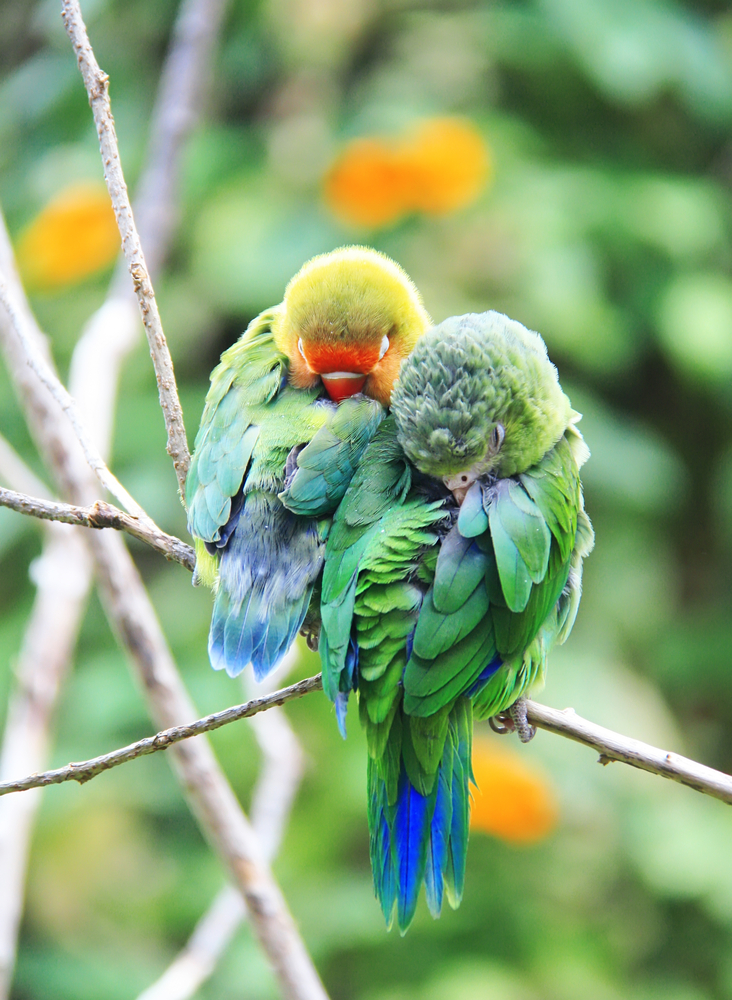
Sleep And Weather: Adapting To The Elements
Birds face rain, wind, cold, and heat. They have special ways to sleep safely in changing weather.
Sleeping In Bad Weather
During storms, birds find sheltered spots like dense bushes, tree hollows, or under eaves of buildings. Some huddle together for warmth. Small birds fluff up their feathers to trap air and insulate their bodies during cold nights.
Heat Management
In hot climates, birds seek shade or sleep in cooler, breezy spots. Desert birds may be active at night and sleep during the hottest part of the day.
Waterproofing
Water birds, such as ducks and geese, coat their feathers with oil from a special gland. This lets them sleep on water without getting wet, even during rain.
Sleep Deprivation In Birds
Birds can sometimes go without sleep for long periods, especially during breeding or migration. However, missing sleep has effects.
Signs Of Sleep Loss
Birds that miss too much sleep may become less alert, make poor decisions, or struggle to find food. However, many birds can recover lost sleep quickly once the stressful period is over.
Recovery Sleep
After migration or breeding, birds often sleep longer and deeper. This recovery sleep helps repair their brains and bodies.
Non-obvious Insight: Some birds, like swifts, have been shown to “power nap” in flight, getting just enough rest to function, but not enough for full recovery until they land.
Comparing Bird Sleep To Mammal Sleep
There are important differences between how birds and mammals sleep. Here’s a simple comparison:
| Feature | Birds | Mammals |
|---|---|---|
| REM Sleep | Short, frequent | Longer periods |
| Unihemispheric Sleep | Common in many species | Rare (seen in dolphins, whales) |
| Sleep Posture | Perching, standing, flying | Lying down, curled up |
| Sleep Duration | Varies widely, often short bursts | Usually consolidated, longer periods |
| Vulnerability to Predators | Very high, need for alertness | Varies, but usually less exposed |
Key Takeaway: Birds have more flexible sleep patterns and can adjust their sleep to suit their environment and needs, unlike most mammals.
Famous Examples: How Some Birds Sleep
Bird sleep is an area full of surprises. Here are some interesting examples:
Swifts
Common swifts can spend up to 10 months in the air without landing. They eat, mate, and sleep while flying. Scientists tracked them using small devices and found they sleep in tiny bursts while gliding.
Ducks
Mallard ducks at the edge of a flock sleep with one eye open, using unihemispheric sleep. The birds in the center of the group close both eyes and sleep more deeply.
Owls
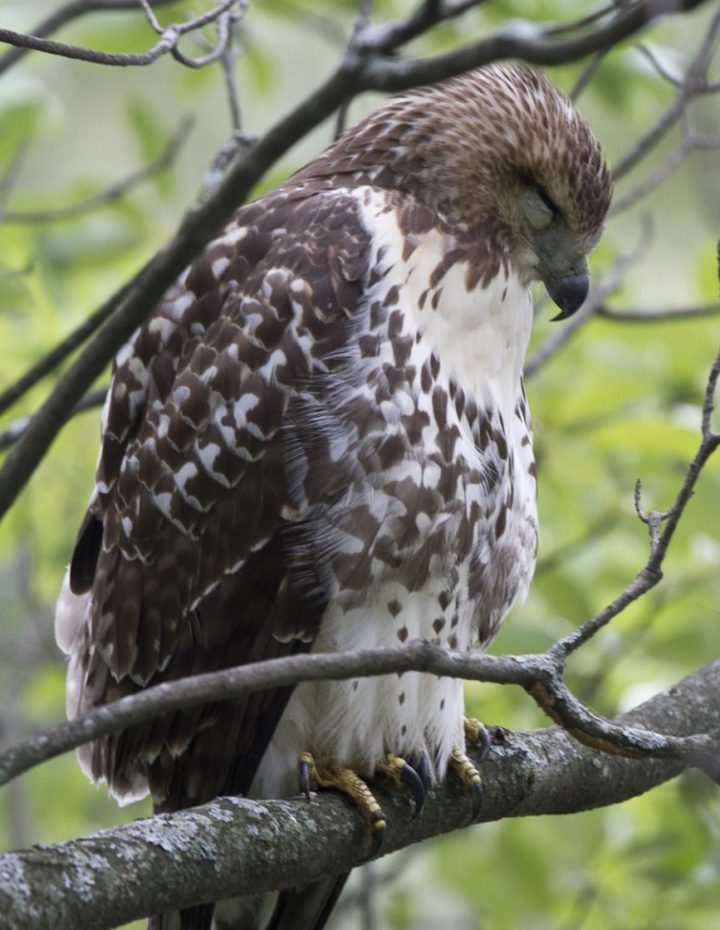
Owls sleep during the day (they are nocturnal). They find hidden spots in trees or barns and remain motionless for hours. Their feathers and colors help them blend in.
Penguins
Emperor penguins sleep standing up, huddled in groups. They face extreme cold, so group sleeping helps keep everyone warm. Their sleep is short and often disturbed by movement in the group.
Frigatebirds
Great frigatebirds cross entire oceans without landing. They sleep for just a few seconds at a time while flying, much less than when on land.
How Humans Affect Bird Sleep
Urbanization, light pollution, and noise have changed the way many birds sleep.
Artificial Light
Streetlights and city lights can confuse birds. Some sleep less or change their sleep time because of bright lights. This can affect their health, breeding, and migration.
Noise Pollution
Traffic, construction, and city noise can keep birds awake or disturb their sleep. Birds living in noisy places may sleep in shorter, lighter bursts and may be more stressed.
Habitat Loss
Cutting down trees and removing bushes reduces safe places for birds to sleep. Some birds try to adapt by sleeping on buildings or bridges, but these places are not always safe.
Non-obvious Insight: Some urban birds have learned to sleep in the middle of busy cities by choosing hidden spots that humans rarely visit, such as inside signboards or under highway overpasses.
How Scientists Study Bird Sleep
Studying bird sleep is not easy. Birds are small and move a lot. Scientists use creative methods to learn about their rest.
Brain Recordings
Researchers attach tiny sensors to birds’ heads to measure brain waves. This shows when the bird is in slow-wave or REM sleep. These studies help explain how birds can sleep with one half of the brain awake.
Tracking Devices
Miniature GPS trackers and accelerometers show how, when, and where birds sleep. These devices have revealed the secrets of flying sleep in swifts and frigatebirds.
Observations
Scientists also watch birds in the wild and in captivity, recording their sleep positions, group behaviors, and reactions to danger. High-speed cameras have captured birds waking instantly from deep sleep.
Laboratory Studies
In labs, birds are kept in special cages where light, noise, and temperature can be controlled. This helps researchers see how different factors affect sleep.
If you want to read about bird sleep studies, you can visit this Scientific American article.
Common Myths About Bird Sleep
There are many myths about how birds sleep. Let’s clear up a few:
- Myth: Birds always sleep at night.
Fact: Some birds are nocturnal and sleep during the day. Migratory birds may sleep both day and night.
- Myth: Birds fall off branches when they sleep.
Fact: Their feet lock automatically, so they rarely fall.
- Myth: Birds never dream.
Fact: Birds do have REM sleep, and scientists believe they may dream, especially young birds.
- Myth: All birds sleep in nests.
Fact: Most birds only use nests for raising young, not for sleeping.
- Myth: Birds need as much sleep as humans.
Fact: Some birds can survive on very little sleep, especially during migration.
Amazing Bird Sleep Records
Birds have set some impressive records when it comes to sleep:
| Bird Species | Special Sleep Adaptation | Record |
|---|---|---|
| Common Swift | Sleeping while flying | Up to 10 months in air |
| Great Frigatebird | Unihemispheric sleep in flight | Can sleep seconds at a time in air |
| White-crowned Sparrow | Reduced sleep during migration | 2/3 less sleep, no tiredness |
| Emperor Penguin | Group huddling sleep | Survive -60°C Antarctic cold |
| Mallard Duck | One-eye-open sleep in group | Edge ducks remain alert |
:strip_icc()/GettyImages-1386913712-f82bb37a263243cba308503b594518ed.jpg)
Frequently Asked Questions
How Do Birds Sleep Without Falling Off Branches?
Birds’ feet are designed with a special locking tendon system. When a bird bends its legs to perch, the tendons tighten and grip the branch automatically. This keeps the bird secure, even when deeply asleep, so it rarely falls.
Can Birds Sleep While Flying?
Yes, some birds can sleep while flying. Species like the common swift and great frigatebird use unihemispheric sleep to let one half of their brain rest at a time. This allows them to glide and nap in the air during long migrations.
Why Do Some Birds Sleep With One Eye Open?
Birds sleep with one eye open to stay alert for danger. This is possible due to unihemispheric slow-wave sleep, where one brain hemisphere sleeps while the other stays awake. Ducks and some shorebirds use this trick to watch for predators.
Do All Birds Sleep In Nests?
Most birds do not sleep in nests. They build nests mainly for raising chicks, not for nightly rest. Adult birds usually sleep on branches, in cavities, or hidden spots. Some ground birds sleep under bushes or grass.
How Does Light Pollution Affect Bird Sleep?
Artificial lights can disturb bird sleep by confusing their natural day-night cycle. Birds may sleep less, wake up earlier, or become more stressed. This can impact their health, feeding, and breeding success in cities.
Bird sleep is one of nature’s great wonders—full of clever adaptations and surprising strategies. From sleeping on one leg to napping in flight, birds show us that rest can be both creative and essential for survival. As we learn more about how birds sleep, we also discover how to better protect them in a changing world.

