
Birds are masters of the sky, and many are also skilled at flying in low light or darkness. You might wonder, how do birds see at night? For humans, seeing in the dark is difficult. Yet, many birds hunt, migrate, or navigate when the sun is gone. How can they do this? The answer lies in their amazing eyes and some special adaptations. This article explores how birds see at night, the secrets behind their vision, and why it matters for their survival.
The Science Of Bird Vision
Birds have some of the most advanced eyes in the animal kingdom. Their vision is not just about seeing clearly; it’s about survival. Day or night, birds rely on their eyes to find food, spot predators, and navigate great distances.
Bird eyes are different from human eyes in many ways. For example, birds have larger eyes compared to their head size. Some birds’ eyes are so big, they cannot move them in their sockets. Instead, they move their heads to look around.
This design gives them a wide field of view and lets in more light, which is crucial for night vision.
Birds also have more types of light-sensitive cells, called photoreceptors, in their retinas. These cells help them detect colors and light levels. The number and type of these cells vary between species, depending on whether they are active during the day (diurnal) or night (nocturnal).
But what really sets birds apart is how their eyes adapt to low light. Let’s look at the main features that help birds see at night.
Key Eye Adaptations For Night Vision
Some birds are naturally better at seeing in the dark than others. Birds like owls, nightjars, and nighthawks are night specialists. They have evolved special eye features to help them thrive when light is scarce.
1. Large Eyes Relative To Body Size
The first thing you notice about nocturnal birds is their large eyes. For example, an owl’s eyes are as big as a human’s, even though its head is much smaller. Large eyes mean a bigger pupil, which lets in more light. This is essential for seeing in the dark.
2. High Density Of Rod Cells
Our eyes have two main photoreceptor cells: rods and cones. Rods help us see in low light, while cones help us see colors and fine detail. Nocturnal birds have a much higher ratio of rods to cones. This means their eyes are more sensitive to light, allowing them to see better at night, but with less color detail.
3. Tapetum Lucidum: The Reflective Layer
Many night-hunting birds have a special layer behind the retina called the tapetum lucidum. This layer reflects light back through the retina, giving photoreceptors a second chance to absorb it. This is why owl eyes sometimes seem to glow in the dark. The tapetum lucidum is also found in some mammals, like cats.
4. Wide Pupils
Nocturnal birds can open their pupils very wide. This is like opening a window all the way to let in more light. The wider the pupil, the more light enters the eye. This is critical for seeing in dark conditions.
5. Lens Shape And Focus
Birds that hunt at night often have a more rounded or tubular lens. This shape focuses light better in low-light conditions and helps create a brighter image on the retina. In comparison, diurnal birds have more flattened lenses, which are better for sharp focus in bright daylight.
How Bird Night Vision Compares To Human Night Vision
It’s hard to imagine seeing as well as an owl in the dark. Let’s compare some key features of bird and human eyes.
| Feature | Humans | Nocturnal Birds (e.g., Owls) |
|---|---|---|
| Eye Size (relative to head) | Small | Very large |
| Rod/ Cone Ratio | 20:1 | Up to 100:1 |
| Tapetum Lucidum | Absent | Present |
| Pupil Dilation | Limited | Very wide |
| Color Vision at Night | Poor | Limited |
As you can see, nocturnal birds are far better equipped for night vision than humans. Their eye structure is highly specialized for collecting as much light as possible.
Why Do Birds Need Night Vision?
Not all birds are night creatures, but for some, seeing in the dark is a matter of life and death. Here are a few reasons birds need to see at night:
- Hunting: Owls hunt small animals like mice and insects that are active at night. Good night vision lets them find prey in almost total darkness.
- Migration: Many birds migrate at night to avoid predators and take advantage of cooler air. Night vision helps them navigate using the stars and earth’s magnetic field.
- Avoiding Predators: Some birds feed or move at night to avoid being seen by larger predators.
- Finding Food: Birds like nightjars and nighthawks eat flying insects that are most active at dusk and night.
Species With The Best Night Vision
Not all birds have the same ability to see at night. Here are some of the best night-seeing birds:
Owls
The champions of night vision are owls. Their huge eyes, high rod density, and tapetum lucidum make them excellent hunters after dark. Some owl species can see up to 100 times better than humans in low light.
Nightjars
Nightjars are insect-eating birds active at dusk and night. Their eyes are large and set to the sides, giving them a wide field of view. They can spot flying insects against the night sky.
Oilbirds
Found in South America, oilbirds use both sight and echolocation to navigate in pitch-black caves. Their eyes are among the most sensitive of any bird, allowing them to see in almost total darkness.
Nighthawks
Nighthawks are crepuscular (active at dawn and dusk) and sometimes fly at night. Their eyes are adapted for low-light hunting, mainly for catching insects in flight.
Kiwi
The kiwi from New Zealand is a flightless bird that forages at night. Its eyes are small, but its sense of smell is highly developed. Still, it can see enough at night to find food.
How Do Birds Navigate At Night?
Seeing in the dark is important, but so is knowing where to go. Many birds travel long distances at night, especially during migration. How do they find their way?
Visual Cues
Birds use stars, the moon, and even the Milky Way to guide their journeys. Some studies show birds can recognize star patterns and use them like a map. For example, young indigo buntings learn to use the North Star as a reference point.
Magnetic Field
Birds have a built-in sense for Earth’s magnetic field. Special cells in their eyes and brains help them detect magnetic directions, even at night. This ability is called magnetoreception and is still being studied.
Landmarks
Birds also use landmarks such as rivers, mountains, and city lights. They memorize these features during the day and use them to navigate at night.
Sound And Smell
Some birds, like the oilbird, use echolocation—bouncing sound off cave walls—to move around in total darkness. Others, like the kiwi, rely on their sense of smell to find food at night.
The Role Of Color Vision At Night
Most people think birds see the world in bright colors, but at night, things change. Nocturnal birds have more rods and fewer cones, so their color vision is reduced in low light. They see mainly in shades of gray. This trade-off lets them see better in the dark, but with less detail and color.
However, some recent studies suggest that certain birds can still see some colors at night, especially under bright moonlight. This ability may help them find food or mates, but more research is needed.
Comparing Night Vision Across Bird Species
Not all birds that are active at night have the same level of night vision. Here’s a comparison of a few well-known species:
| Species | Night Vision Strength | Key Adaptation | Main Activity |
|---|---|---|---|
| Owl | Excellent | Large eyes, high rod density, tapetum lucidum | Nocturnal hunting |
| Nightjar | Very good | Large eyes, wide field of view | Insect catching at dusk/night |
| Oilbird | Exceptional | Extreme rod density, echolocation | Navigating in caves |
| Robin | Fair | Some night vision | Migrates at night |
| Chicken | Poor | Small eyes, more cones | Diurnal |
This table shows the range of night vision abilities, depending on the bird’s lifestyle and environment.
Night Vision Challenges For Birds
Even with all these adaptations, birds face challenges when seeing at night:
- Glare from Artificial Lights: Streetlights and city lights can confuse birds, making it harder for them to see natural cues or stars.
- Weather: Fog, rain, and clouds can block moonlight and starlight, reducing visibility.
- Predators: While some birds use darkness to hide, others become prey if their vision is not sharp enough.
- Eye Injury: Large eyes are sensitive and can be injured easily, especially when flying through thick vegetation.
Non-obvious Insights About Bird Night Vision
Many beginners assume that all birds see equally well at night if they are active after dark. In reality, night vision is a spectrum. Some birds, like owls and oilbirds, are at the top, while others, like chickens, have very poor night vision.
Another fact people miss: night vision comes at a cost. Birds with excellent night vision often see less detail or color during the day. Their eyes are optimized for low light, not bright sunlight.
How Birds Protect Their Eyes At Night
Large, sensitive eyes can be a weakness. Birds have developed special ways to protect their vision:
- Nictitating Membrane: This is a clear, third eyelid that moves across the eye to clean and protect it without blocking vision.
- Eye Placement: Many nocturnal birds have forward-facing eyes for better depth perception, which helps them judge distances in low light.
- Feather Structure: Some birds have facial feathers that help direct sound to their ears and protect their eyes from debris.
Human Impact On Bird Night Vision
Humans have changed the night environment for birds. Light pollution is a major problem. Bright city lights can attract and confuse migrating birds, causing them to crash into buildings or lose their way. Some birds have adapted by shifting their migration routes or timing, but many still suffer from these dangers.
To help birds, many cities now use “lights out” programs during migration seasons. These programs reduce artificial light at night, making it safer for birds to travel.
Can Birds See Infrared Or Ultraviolet At Night?
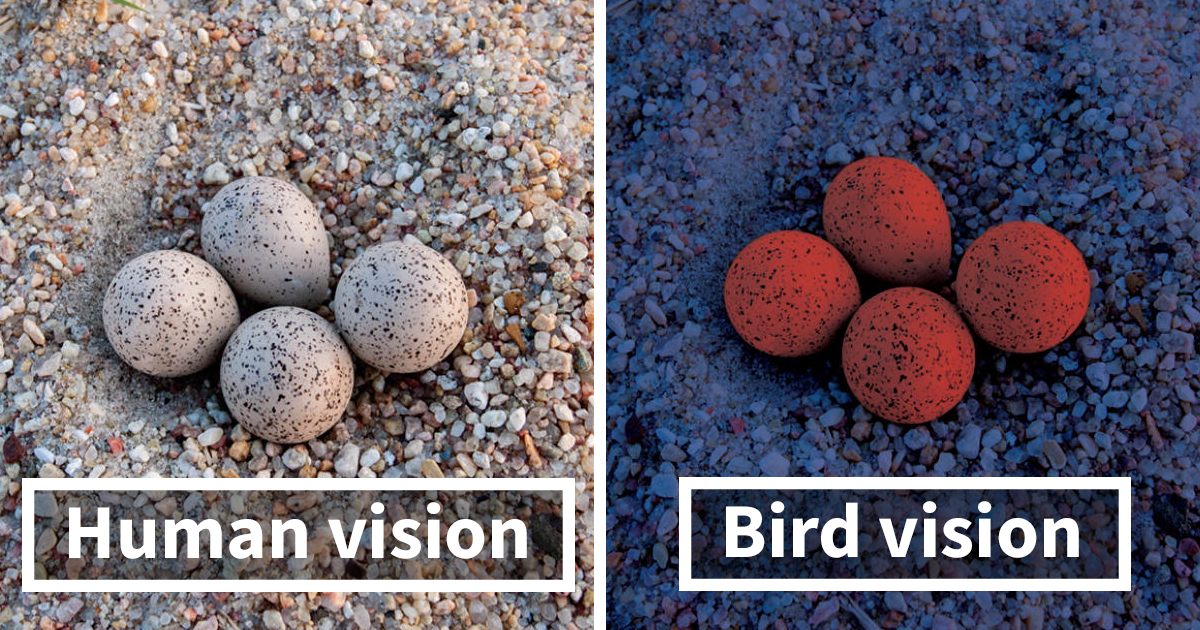
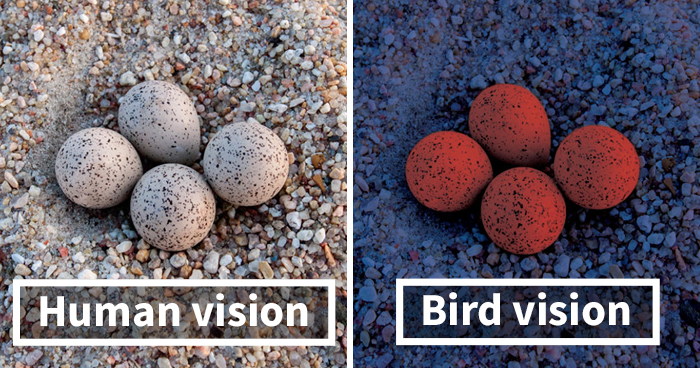
Some birds can see ultraviolet (UV) light during the day. This helps them find food and mates. However, at night, the amount of UV light is much lower, so this ability is less useful. Birds do not see infrared light; their night vision is based on visible light, especially the blue and green parts of the spectrum.
Practical Examples Of Birds Using Night Vision
Let’s look at a few real-life cases where birds use their night vision:
- Barn Owls hunt mice in open fields at night. They use both sight and sound, but their eyes help them spot tiny movements in almost total darkness.
- Swifts can migrate hundreds of kilometers overnight, using their night vision to avoid obstacles and keep formation.
- Seabirds like petrels and shearwaters return to land at night to avoid predators. Their eyes help them find their burrows in the dark.
Myths And Misconceptions
There are many myths about bird night vision. Some people think all birds are blind at night—this is false. Others believe birds see in complete darkness. In reality, birds need at least some light (moonlight or starlight) to see. Total darkness is challenging even for owls.
Another misconception: people often think birds see in full color at night. As explained earlier, color vision drops sharply in low light.
Data And Research On Bird Night Vision
Scientists have studied bird vision for many years. According to a study published in the journal *Vision Research*, some owl species can detect movement at light levels as low as 0. 00000073 candela per square meter (cd/m2). For comparison, this is far below what humans can see.
Research also shows that birds’ night vision is not just about eye structure. Their brains process visual information differently, focusing on movement and contrast instead of fine detail.
How To Help Birds That Depend On Night Vision
If you want to support birds that rely on night vision, here are a few tips:
- Reduce Outdoor Lighting: Turn off unnecessary lights at night, especially during bird migration seasons.
- Use Bird-Friendly Lights: Choose outdoor lights that are shielded and point downward to minimize skyglow.
- Support Conservation: Many nocturnal birds are threatened by habitat loss. Supporting conservation groups helps protect these species.
- Educate Others: Share what you know about bird night vision with friends and family. The more people understand, the more they can help.
The Future Of Bird Night Vision Research
With new technology, scientists can now study bird eyes in greater detail. Tools like night-vision cameras and genetic testing reveal how different species adapt to darkness. In the future, we may learn even more about how birds see, navigate, and survive at night.
If you want to dive deeper, you can read more about avian vision on this Wikipedia page.
Frequently Asked Questions
How Do Owls See So Well At Night?
Owls have very large eyes, a high number of rod cells for detecting light, and a tapetum lucidum that reflects light back through the retina. These features let them see up to 100 times better than humans in low light.
Can All Birds See At Night?
No, not all birds have good night vision. Only some species, such as owls, nightjars, and oilbirds, are adapted for seeing well in the dark. Birds that are active during the day usually have poor night vision.
Do Birds See Colors At Night?
Most nocturnal birds have limited color vision at night. Their eyes are designed to pick up light, not color. However, some birds might see faint colors under bright moonlight, but mostly they see shades of gray.
How Does Light Pollution Affect Birds’ Night Vision?
Light pollution can confuse birds, especially those that migrate at night. It can make it harder for them to see natural navigation cues, leading to accidents or getting lost.
Are There Birds That Use Echolocation Like Bats?
Yes, oilbirds and some swiftlets use echolocation to navigate in complete darkness, such as inside caves. They make clicking sounds and listen for the echoes to find their way.
Bird night vision is a fascinating subject, showing us how different life can be when you see the world through a bird’s eyes. From hunting in the dark to traveling across continents by starlight, birds have developed amazing ways to thrive at night.
Understanding these adaptations can help us appreciate and protect the birds that share our world, even after the sun goes down.

