
Birds are some of the most remarkable creatures on Earth. Their ability to fly, display vibrant colors, and adapt to many environments often fascinates people. But behind these wonders is a process that many people do not see: molting. Molting is how birds replace old or damaged feathers with new ones. This process is vital for their survival, health, and beauty. Understanding how birds molt their feathers can help us appreciate how they live, cope with challenges, and stay strong throughout their lives.
Many people think molting is simple, like a snake shedding its skin. In reality, it is a complex and carefully timed process. Birds cannot just lose all their feathers at once—otherwise, they would not be able to fly or keep warm.
Each bird species has a special molting pattern that fits its lifestyle. Some molt quickly; others take months. Some change color completely, while others look almost the same after molting.
This article will explore every part of bird molting, from why it happens to how it works in different species. We will look at the science behind feather growth, the signs of molting, and how it affects a bird’s daily life.
You will also learn why molting is not only about feathers, but also about hormones, health, and even survival strategies. If you have ever found a feather on the ground or seen a scruffy-looking bird, this article will help you understand the fascinating world of bird molting.
What Is Molting?
Molting is when a bird sheds its old feathers and grows new ones. Feathers, unlike hair, do not grow continuously. Once a feather is fully grown, it stays the same until it is replaced. Over time, feathers become worn out from flying, weather, and daily life. When this happens, birds must replace them to stay healthy and able to fly.
Molting is not just about looking good. Feathers are essential for many reasons:
- Flight: Strong, smooth feathers are needed for flying efficiently.
- Insulation: Feathers keep birds warm in cold and cool in heat.
- Protection: Feathers shield skin from sun and rain.
- Camouflage or attraction: Some birds use feathers to hide, while others use them to attract mates.
Without molting, birds would slowly lose these benefits. Most birds molt at least once a year, but the timing and method can be very different depending on the species.
Why Do Birds Molt?
Molting is a survival strategy. Birds must keep their feathers in top condition for several reasons.
1. Wear And Tear
Feathers go through a lot. Flying, preening, weather, and even sunlight can damage them. Worn feathers cannot do their job well. If a feather breaks or gets too old, it might not protect the bird or help it fly.
2. Seasonal Changes
Many birds molt to prepare for different seasons. For example, some birds grow thicker feathers before winter to stay warm. Others change color in the breeding season to attract mates or to blend in with their surroundings.
3. Growth And Development
Young birds must replace their soft, first feathers (called down) with stronger adult feathers. This first molt is crucial for learning to fly and surviving outside the nest.
4. Health And Parasite Control
Molting helps birds get rid of feathers that may have parasites or diseases. It is a way to “reset” their body covering and keep healthy.

How Does Feather Molting Happen?
The process of molting is guided by genetics, hormones, and the environment. It usually happens in a set pattern, but there are exceptions. Here is how it works step by step.
1. Hormonal Changes
Molting is controlled by hormones, especially thyroid hormones and prolactin. Changes in day length (photoperiod), temperature, and food availability can trigger these hormones. For example, as days get longer in spring or shorter in fall, a bird’s body knows it is time to start molting.
2. Shedding Old Feathers
Once molting begins, old feathers loosen at their base. Birds may look untidy or patchy. They often preen more during this time, helping old feathers fall out.
3. Growing New Feathers
New feathers, called pin feathers, begin to grow in the same place where old feathers fell out. Pin feathers look like tiny tubes with a waxy covering. As they grow, this covering breaks away, and the feather inside unfolds.
4. Pattern Of Molt
Most birds molt in a specific order. For example, many birds lose flight feathers one at a time from the inside out (starting near the body and moving outward). This helps them keep balance and continue flying, even during molting.
5. Time Required
Molting can take a few weeks to several months. The time depends on the bird’s size, age, and health, as well as the weather and food supply.
Types Of Molting In Birds
Not all molting is the same. Birds use different molting strategies, depending on their species and lifestyle.
1. Complete Molt
A complete molt means the bird replaces all its feathers. Many small songbirds do this once a year, usually after breeding season.
2. Partial Molt
A partial molt is when only some feathers are replaced. For example, some birds only replace body feathers but keep their flight feathers until later. This often happens before or after migration.
3. Sequential Molt
In a sequential molt, feathers are replaced in a regular order, so the bird is never left unable to fly. Most birds use this method, losing just a few feathers at a time.
4. Simultaneous Molt
Some species, like ducks and geese, lose all their flight feathers at once (a simultaneous molt). They cannot fly for a short time, so they hide in safe places until their new feathers grow in.
5. Catastrophic Molt
Rarely, some birds may lose many feathers suddenly due to stress, illness, or injury. This is called a catastrophic molt and is usually dangerous for the bird.
How Molting Patterns Differ By Species
Birds are incredibly diverse. Their molting patterns reflect their needs, habitats, and lifestyles.
Songbirds
Many small birds, like sparrows and warblers, molt once or twice a year. After breeding, they do a complete molt to prepare for migration or winter. Some also do a partial molt before the breeding season to look their best.
Waterfowl
Ducks, swans, and geese do a simultaneous molt after breeding. During this time, they cannot fly, so they stay near water for safety. Their new feathers grow quickly, usually in a few weeks.
Raptors
Hawks, eagles, and owls usually molt slowly, one or two feathers at a time. This way, they can always fly to hunt and protect their territory.
Parrots
Many parrots have a slow, rolling molt. They lose and grow feathers throughout the year, so they never look patchy or lose flight ability.
Penguins
Penguins do a “catastrophic” or “synchronous” molt once a year. They shed all their feathers at once and must stay on land because they cannot swim until their new waterproof feathers grow in.
Comparison Table: Molting Patterns In Common Bird Groups
| Bird Group | Molting Pattern | Flight Ability During Molt | Typical Timing |
|---|---|---|---|
| Songbirds | Complete or partial, sequential | Mostly able to fly | After breeding, pre-migration |
| Waterfowl | Simultaneous molt | Cannot fly | Post-breeding |
| Raptors | Slow, sequential | Always able to fly | Year-round, slow pace |
| Penguins | Catastrophic (synchronous) | Cannot swim | Once a year, post-breeding |
Signs That A Bird Is Molting
Recognizing a molting bird is not always easy, but there are some clear signs.
1. Ragged Appearance
Molting birds often look patchy or messy. Missing feathers or uneven edges are common.
2. Increased Preening
Birds preen to care for their feathers. During molt, they preen even more to help old feathers fall out and spread oils on new ones.
3. Pin Feathers
You may see pin feathers—short, dark tubes on the bird’s body. These are new feathers growing in.
4. Reduced Activity
Some birds rest more during molt, especially if they cannot fly well. They may be quieter or stay hidden.
5. Changes In Behavior
Molting can affect mood and social behavior. Birds may be grumpier, eat more, or avoid others.

The Science Of Feather Growth
Feathers are made from keratin, the same protein in human hair and nails. They grow from follicles in the bird’s skin. Here’s how new feathers develop:
1. Pin Feather Formation
A new feather starts as a small bump in the skin. It grows inside a sheath, looking like a tiny spike (the pin feather).
2. Feather Unfurling
As the feather grows, blood supplies it with nutrients. When it is ready, the waxy sheath breaks, and the feather unfolds.
3. Maturation
Once the feather is full-sized, blood flow stops, and it hardens. The bird then preens to shape and align it.
Table: Feather Growth Phases
| Phase | Description | Visible Signs |
|---|---|---|
| Pin Feather | New feather grows in a sheath | Short, dark tube on skin |
| Sheath Breaks | Feather emerges from sheath | Feather tip appears, sheath flakes |
| Maturation | Feather hardens, blood supply stops | Normal-looking feather |
Timing And Duration Of Molting
Birds molt at times that fit their life cycle and needs. Most avoid molting during breeding, migration, or harsh weather.
Seasonal Molt Timing
- Temperate birds: Usually molt after breeding, before migration or winter.
- Tropical birds: May molt slowly throughout the year, as their environment is more stable.
- Migratory birds: Some molt before migration, others after reaching their winter home.
Duration
- Small birds: 4–8 weeks
- Large birds: Several months
- Waterfowl (simultaneous molt): 2–4 weeks
Molting And Migration
Migration and molting are connected. Birds need strong feathers for long flights, so they time their molt to avoid flying with damaged feathers.
- Some birds molt before migrating, so they travel with fresh feathers.
- Others migrate first, then molt in a safe winter area.
- Rarely, a bird may do a “suspended molt,” pausing the process during migration and finishing later.
Molting And Bird Health
Molting is stressful and uses a lot of energy. Birds need extra food, especially protein, to grow new feathers. If food is scarce or the bird is ill, molting can be delayed or interrupted.
Health Risks During Molt
- Flight problems: Birds with missing flight feathers may be easy prey.
- Cold or heat: Fewer feathers mean less protection.
- Parasites: Pin feathers are sensitive; birds may be more vulnerable.
How Birds Cope
- Many birds hide or rest more during molt.
- Social birds may stay with flocks for protection.
- Some species synchronize their molt for safety in numbers.
Non-obvious Insights About Bird Molting
While basic facts about molting are widely known, there are some details that many people overlook.
1. Molting Can Affect Birdsong
During molt, some songbirds sing less, or their songs change. Growing feathers takes energy and can affect the muscles and hormones involved in singing.
2. Molting Patterns Can Reveal Bird Age
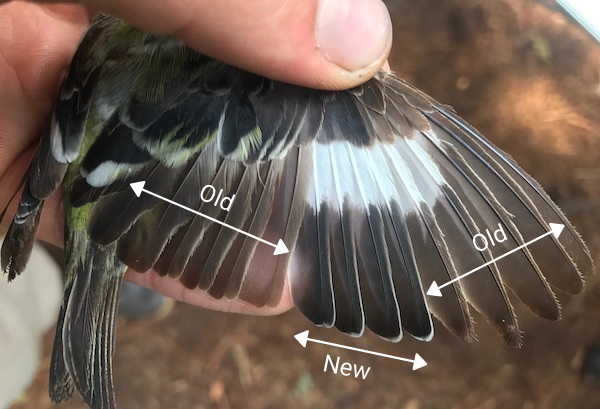
Expert birdwatchers use molt patterns to tell the age of a wild bird. For example, a young bird may have a mix of old and new feathers, while an adult’s molt is more uniform.
3. Molt Can Be Delayed By Stress
Severe weather, illness, or lack of food can delay or stop the molt. When conditions improve, the bird will resume.
4. Feathers Are Recycled
Birds sometimes eat their own shed feathers, especially during the first molt. This may help them recover nutrients, such as amino acids, used in feather growth.
Human Interaction With Molting Birds
People often find birds or feathers during molt and worry that the bird is sick or injured. In most cases, molting is natural and not a problem. However, there are a few things humans should keep in mind.
1. Do Not Disturb Molting Birds
Molting birds may be more nervous or less able to escape danger. If you see a scruffy bird, it is best to leave it alone.
2. Providing Food And Water
If you feed wild birds, offering protein-rich food (like mealworms or suet) during molting season can help them.
3. Avoid Handling
Pin feathers are sensitive, and touching or handling a molting bird can cause pain or damage.
Interesting Examples Of Molting In Birds
Bird molting can be dramatic or subtle, depending on the species.
1. The American Goldfinch
This small bird molts twice a year. In spring, males turn bright yellow for breeding. In fall, they molt back to a dull olive color for winter camouflage.
2. The Arctic Tern
This long-distance migrant times its molt with its migration. It molts after breeding, then flies thousands of miles, sometimes finishing the molt in another hemisphere.
3. The Emperor Penguin
Emperor penguins do a catastrophic molt all at once. For about a month, they cannot go to sea for food and must rely on fat reserves. This is called the “catastrophic molt fast. “
4. The European Starling
Starlings change from plain brown to iridescent black with spots after molting. Their new feathers make them shine in the sun.
Table: Differences Between Juvenile And Adult Molt
| Feature | Juvenile Molt | Adult Molt |
|---|---|---|
| Purpose | Replace down with first true feathers | Replace worn adult feathers |
| Timing | Shortly after leaving the nest | Usually once or twice per year |
| Appearance Change | Dramatic, from fluffy to sleek | Color/pattern changes, but less dramatic |
How Birders And Scientists Study Molting
Studying molt patterns helps scientists learn about bird health, migration, and survival. Birders often look for signs of molt to understand what is happening in a population.
- Banding studies: Scientists catch and examine birds, recording which feathers are new or old.
- Field observation: Birders watch for molting behavior or patchy plumage.
- Feather collecting: Found feathers can tell about species, age, and molt timing.
One great resource for bird enthusiasts is the Wikipedia Molt page, which offers more detail and images.
Frequently Asked Questions
What Is The Difference Between Molting And Shedding?
Molting is the controlled process where birds lose old feathers and grow new ones, following a set pattern. Shedding is a more general term for losing body coverings, like hair in mammals. In birds, molting is always connected with new feather growth.
How Long Does Molting Last For Most Birds?
The length of molting depends on species, age, and environment. Small birds may finish in 4–8 weeks, while large birds or waterfowl may take several months. Some birds molt slowly year-round.
Can Birds Fly During Molting?
Most birds can still fly during molt, as they lose feathers in a sequence. However, some, like ducks and penguins, lose all flight or swimming feathers at once and cannot fly or swim for a short time.
Do All Birds Molt At The Same Time Each Year?
No, molting time depends on species, climate, and life cycle. Many birds molt after breeding, but others may time it for migration or food availability. Some tropical birds molt slowly all year.
Is Molting Painful For Birds?
Growing new feathers (pin feathers) can be sensitive, and birds may avoid being touched during this time. However, the process is natural and not usually painful unless the bird is ill or stressed.
Bird molting is a fascinating and complex process that keeps birds healthy, beautiful, and ready for life’s challenges. Whether you watch birds in your backyard or study them professionally, understanding molting helps you appreciate these amazing animals even more.

