
How Do Birds Learn To Fly?
Birds fill the sky with beauty and energy, but have you ever wondered how they learn to fly? Watching a young bird flap its wings for the first time can be fascinating. Flying is not simple—it is a skill that takes time, practice, and sometimes even a few falls.
Birds are not born knowing how to fly. They must develop their muscles, coordinate their bodies, and gain confidence. The journey from a helpless hatchling to a skilled flyer involves many steps.
This article explores how birds learn to fly, from their first moments in the nest to their first successful flight. You will discover how parents help, the role of instinct, and how different species use unique methods. We will look at the challenges young birds face, the science behind flight, and how flying shapes a bird’s life.
By the end, you will understand why learning to fly is one of the most amazing parts of a bird’s life.
The Science Behind Bird Flight
Before learning how birds master flying, it helps to know why flying is possible for them. Birds are designed for flight in several ways. Their bodies are light, their bones are hollow, and their muscles are strong. The shape of their wings allows air to move faster above than below, creating lift. This lift is what lets birds rise into the sky.
Birds need to control four main things when flying:
- Lift – The upward force that keeps them in the air.
- Thrust – The push forward, created by flapping wings.
- Drag – The resistance birds feel as they move through the air.
- Weight – The force of gravity pulling them down.
When a bird flaps its wings, it pushes air down and back. This gives them both lift and thrust. To stay in the air, birds must balance these forces carefully. Young birds must learn to use their wings and bodies to manage these forces.
Mistakes are common at first, but practice helps them improve.
The Life Stages Of A Young Bird
Birds do not start out ready to fly. They go through different life stages, each with its own challenges.
Hatchling
A hatchling is a bird just out of the egg. At this stage, most birds are blind, weak, and have almost no feathers. They cannot move much, and their parents feed and keep them warm.
Nestling
After a few days or weeks, hatchlings grow into nestlings. They begin to open their eyes, grow feathers, and gain strength. Nestlings stay in the nest and depend fully on their parents for food.
Fledgling
The next stage is the fledgling phase. Fledglings have most of their feathers and are ready to leave the nest, but they are not expert flyers yet. This is the time when they learn to fly by practicing short hops and flaps. Parents still watch over them, guiding and protecting them.
Juvenile
Once a bird can fly well and find food on its own, it becomes a juvenile. Juveniles look similar to adults but may have duller colors. They continue to improve their flying skills and learn to survive in the wild.
Instinct Vs. Learning: What Guides Young Birds?
Many people wonder if birds are born knowing how to fly. The answer is both yes and no. Instinct plays a big role, but birds also learn by practice and watching others.
Instinct means birds have basic knowledge from birth. For example, they know to flap their wings and stretch them out. But this alone is not enough for good flying. Birds must practice to build muscle and improve coordination.
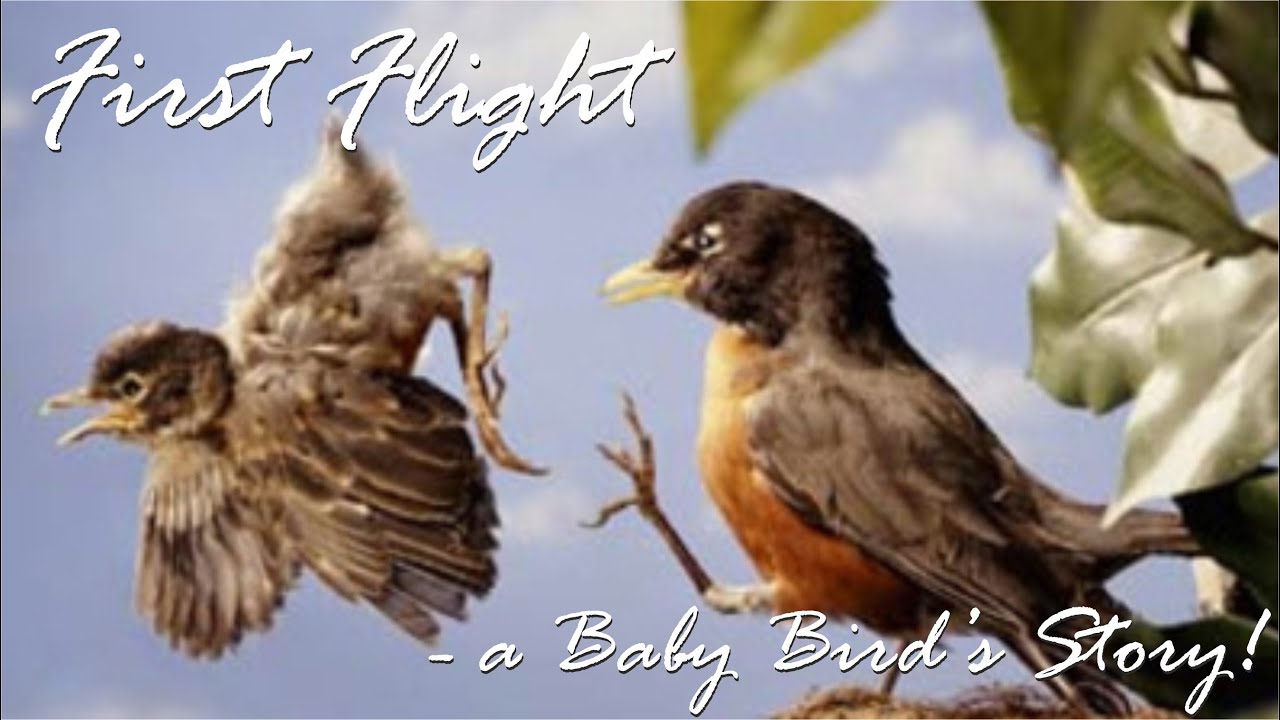
Learning happens through trial and error. A young bird may jump from the nest and flap its wings, but it might not fly far. With each attempt, it gets better at controlling its body and wings. Parents often encourage their chicks to try, calling to them or showing them how to fly.
The Role Of Parents In Teaching Flight
Bird parents are more than just caregivers—they are coaches and teachers. They help their chicks in many ways:
- Feeding for Strength: Parents bring food so chicks grow strong muscles, especially in the chest and wings.
- Demonstrating: Adult birds often fly to and from the nest, showing young birds what to do.
- Encouragement: Some parents call to their chicks from outside the nest, urging them to make their first jump.
- Protection: During early flights, parents stay close to protect fledglings from dangers like predators or falls.
An example is the American robin. Adult robins feed their chicks high-protein insects. When it is time to fly, they call to the young birds from nearby branches, encouraging them to try.
The Fledging Process: Step-by-step
Learning to fly is not one big leap—it is a series of small steps.
1. Wing-strengthening Exercises
Before leaving the nest, young birds practice flapping their wings. This helps build the muscles they need. Some nestlings stand on the edge of the nest and flap hard, almost as if they are preparing for takeoff.
2. Hopping And Short Flights
The first flights are rarely perfect. Fledglings may hop from branch to branch or glide to the ground. These short flights help them learn balance and timing.
3. Longer Flights And Landings
With practice, young birds start flying longer distances. They learn to land on branches, slow down before stopping, and avoid obstacles. Landing is often harder than taking off, and many birds stumble at first.
4. Mastery And Independence
After days or weeks, fledglings can fly well enough to find their own food and escape danger. At this point, they are ready for life on their own.
Differences Among Bird Species
Not all birds learn to fly in the same way. Species, habitat, and body size all make a difference.
Precocial Vs. Altricial Birds
Some birds, like ducks and chickens, are called precocial. They hatch with open eyes and downy feathers, and they can leave the nest within hours. These birds walk and swim before flying. Flight comes later, after weeks of muscle growth.
Other birds, like songbirds and hawks, are altricial. They hatch helpless and stay in the nest longer. These birds need more time to develop feathers and muscles before trying to fly.
Seabirds And Cliff-nesters
Some seabirds, such as guillemots, nest on cliffs. Young guillemots leap off high rocks into the sea below before they can fully fly. Their small wings and fluffy bodies help slow their fall. Parents guide them with calls, and the sea cushions their landing.
Swifts And Swallows
Swifts and swallows are fast flyers. Their young practice flying by chasing insects in the air. These birds spend little time on the ground and must master flying quickly to survive.
Large Birds
Big birds like eagles and herons take longer to learn. Their bodies are heavier, and their wings are large. They need more muscle and practice to get off the ground.
Here is a comparison of how different bird species start flying:
| Bird Species | Age at First Flight | Type | Notes |
|---|---|---|---|
| Songbird (e.g., Robin) | 10-15 days | Altricial | Practice in nest before flying |
| Mallard Duck | 50-60 days | Precocial | Walks and swims early, flies later |
| Bald Eagle | 10-13 weeks | Altricial | Long development period |
| Swift | 5-7 weeks | Altricial | Must fly well from first flight |
| Guillemot | 20 days | Altricial | Leaps off cliffs into sea |
Muscle Development And Physical Changes
Flight requires strong muscles, especially in the chest and wings. Young birds use several tricks to get ready:
- Wing flapping: Builds strength and coordination.
- Stretching: Makes muscles and tendons flexible.
- Food: High-protein diets help muscle growth.
Feathers must also be fully grown. Flight feathers are longer and stronger than baby down. If a bird tries to fly before its feathers are ready, it may fall or get hurt.
A study showed that 80% of fledgling songbirds practice wing-flapping for several days before their first flight. This exercise can double their wing muscle strength.
Common Challenges And Dangers
Learning to fly is risky. Birds face many dangers during this time:
- Predators: Fledglings on the ground are easy prey for cats, snakes, or hawks.
- Falls: Poor landings can injure young birds.
- Weather: Wind and rain make flying harder for beginners.
- Lack of food: If a chick is not strong enough, it may fail to fly.
Despite these risks, most bird species have evolved strategies to increase survival. Parents guard fledglings, choose safe nest sites, and sometimes feed chicks away from the nest to reduce danger.
How Birds Improve Flying Skills Over Time
First flights are just the beginning. Birds continue to improve after leaving the nest.
- Speed: Young birds start slow but get faster with practice.
- Maneuvering: Chasing insects or dodging branches helps improve turning and stopping.
- Soaring and Gliding: Larger birds learn to use air currents to fly long distances without much effort.
Some birds, like ospreys, need months to master hunting from the air. Swallows practice catching insects in flight. These skills are important for finding food and avoiding danger.
Here’s how practice changes a bird’s flying ability:
| Flying Skill | First Day | After 2 Weeks | Adult Level |
|---|---|---|---|
| Takeoff | Clumsy, uses a lot of energy | More smooth, less energy used | Strong, quick takeoff |
| Landing | Misses branches, crash landings | Better aim, softer landings | Perfect, can land anywhere |
| Turning | Wide, slow turns | Sharper, more controlled | Very sharp, avoids obstacles easily |
| Speed | Slow, easily tired | Faster, more stamina | Fast, can fly long distances |
Social Learning: Watching And Copying Others
Birds do not learn alone. In some species, young birds watch their parents or flock members. This is called social learning.
- Imitation: Young parrots, crows, and pigeons often copy flying moves from older birds.
- Group Practice: In colonies, fledglings fly together, learning by watching and following each other.
- Teaching: Some bird parents actively teach chicks to avoid dangers and find food while flying.
For example, Canada geese teach their young to fly in a V-formation. The parents lead, and the goslings follow, learning efficient flying methods for long migrations.
The Role Of Environment
Where a bird lives affects how it learns to fly.
- Dense forests: Birds must practice quick turns and landing on small branches.
- Open fields: Birds can focus on speed and soaring.
- Cliffs and mountains: Birds like falcons use updrafts (rising air) to help lift them during early flights.
If a young bird grows up in a place with many dangers, it may stay near the nest longer or practice in safer areas. City birds, for example, must learn to avoid windows and cars.
Flight And Survival: Why Learning Matters
Being able to fly is not just about moving from place to place. For most birds, flight means survival.
- Finding Food: Many birds catch insects, fish, or small animals while flying.
- Escaping Predators: Quick, agile flying helps them avoid being caught.
- Migration: Some birds travel thousands of kilometers each year. Only strong flyers can survive these journeys.
Studies show that birds who learn to fly faster often have higher chances of surviving their first year. In some species, only 60% of fledglings survive to adulthood, and flying skill makes a big difference.
Unique Flight Learning In Special Birds
Some birds have unusual ways of learning to fly.
Flightless Birds
Not all birds fly. Ostriches, emus, and penguins never fly, even as adults. Their wings are used for balance or swimming.
Parrots And Crows
These birds are very smart. They use play to practice flying—chasing each other, hanging upside down, or dropping objects in flight.
Raptors
Young hawks and eagles practice hunting in the air. They chase sticks or leaves, learning to grab prey while flying.
Night Flyers
Owls and nightjars often practice flying at dusk. Their soft feathers let them fly quietly, which helps them hunt insects or rodents at night.
Human Impacts On Flight Learning
Humans have changed the way many birds learn to fly.
- Buildings and Windows: Young birds may crash into glass or get lost in cities.
- Predators: Domestic cats are a big danger for fledglings in towns.
- Habitat Loss: When forests or wetlands disappear, birds lose safe places to practice flying.
Wildlife rescue groups often care for orphaned or injured fledglings. They use special cages where birds can practice flying safely. The goal is to release these birds back into the wild once their flying skills are good enough.

How Scientists Study Bird Flight
Researchers use many methods to learn about bird flight:
- Cameras: High-speed cameras capture wing movement.
- Tracking Devices: GPS tags follow fledglings as they learn to fly.
- Observation: Scientists watch nests and record when chicks start flying.
One study in Europe followed 300 blackbird fledglings. It found that those who practiced more in the nest were better flyers and survived longer.
For more details on bird development, you can read the Wikipedia article on fledglings.
Surprising Facts About Birds Learning To Fly
- Some baby birds jump from nests 30 meters high before they can fully fly.
- Swifts spend their first two to three years almost always in the air.
- The youngest recorded age for first flight in a bird is just one day—in the megapode family, chicks hatch ready to fly.
- Parent pigeons sometimes remove soft bedding from the nest to make chicks uncomfortable and encourage them to fly.
Comparing Bird Flight To Other Animals
Birds are not the only animals that learn to move in special ways.
| Animal | Movement Skill | How They Learn |
|---|---|---|
| Birds | Flying | Instinct + Practice + Watching Others |
| Bats | Flying | Practice in caves, guided by mothers |
| Kangaroos | Hopping | Practice in pouch, then on land |
| Fish | Swimming | Instinct, follow adults |
| Humans | Walking | Instinct + Practice + Imitation |
Tips For Helping Young Birds Learn To Fly
If you find a young bird on the ground, do not panic. Here are some tips:
- Leave it alone if safe: Most fledglings are learning to fly and their parents are nearby.
- Keep pets indoors: Cats and dogs can harm young birds.
- Do not feed or move: Parents are the best teachers and caretakers.
- If injured, call a wildlife expert: Only trained people should rescue or care for baby birds.

Why Flight Learning Is Important For Bird Conservation
Understanding how birds learn to fly helps in protecting them. Conservation groups use this knowledge to:
- Build safer nest sites.
- Create rescue programs for orphans.
- Teach people how to protect fledglings in cities.
Efforts like these help more birds survive and keep our skies full of life.
Frequently Asked Questions
How Long Does It Take For A Baby Bird To Learn To Fly?
Most small birds take 10 to 20 days from hatching to their first flight. Larger birds may need several weeks or even months. The exact time depends on the species and environment.
What Should I Do If I Find A Baby Bird On The Ground?
If the bird has feathers and is hopping or fluttering, it is likely a fledgling learning to fly. Leave it alone if it is safe, and keep pets away. If the bird is injured or in danger, contact a wildlife rescue group.
Do All Birds Learn To Fly The Same Way?
No, different species have different methods. Some jump from high places, some practice in the nest, and others follow parents in the air. The process depends on their body, habitat, and family style.
Can Birds Forget How To Fly If They Are Raised By Humans?
Birds raised by humans (hand-reared) may have trouble learning to fly, especially if they lack practice or do not see other birds fly. Wildlife centers use special programs to teach these birds before releasing them.
Why Is Flying So Important For Birds?
Flight helps birds find food, escape danger, migrate, and explore their world. Birds that cannot fly well often do not survive in the wild.
Birds learning to fly is a story of growth, courage, and survival. Each species has its own journey, but all must face the challenge of leaving the nest. The next time you see a young bird flapping its wings, remember—it is taking the first steps toward a life of freedom in the sky.

